
Tomato Growing Guide
🌱 Starting from Seed: Trays vs. Direct Sowing
Let’s start with the seed—the heart of the plant. In most parts of Australia, sowing tomatoes directly into garden beds isn’t ideal, especially early in the season. That’s because tomatoes love warm soil—at least 16–18°C for germination, ideally up to 24°C. Anything colder, and they’ll sulk.
Sowing in Trays (Recommended)
Starting in seedling trays or punnets gives you a head start while the soil is still warming up outside.
- When to sow:
- Temperate & Arid Zones: August–October
- Subtropical: July–September
- Cool Mountain: September–November (wait until frosts are done)
- Tropical: April–June (best before the wet season)
- Depth & spacing: Sow seeds 5mm deep, with a few centimetres between seeds.
- Warmth helps germination—a sunny windowsill or a heat mat will speed things along. Expect sprouting within 5–10 days.
Once the seedlings have two sets of true leaves, they’re ready to be potted up or hardened off for planting outdoors.
Direct Sowing (Only in Warm Climates)
In warmer, frost-free zones, you can sow directly once night-time temps are consistently above 12°C. But do keep an eye on pests—snails and slugs love tender new growth.
🌾 Is Pre-Treatment Needed?
Tomato seeds don’t need any fancy treatment—no stratifying, scarifying or soaking necessary. Just fresh seed, good drainage, and consistent moisture are all they need to get going.
🌞 Soil & Position
Tomatoes are sun-lovers—at least 6–8 hours of full sun per day is best.
Soil Preparation:
- Rich, free-draining soil is a must.
- Add well-rotted compost, aged manure, and a sprinkle of blood and bone or organic tomato fertiliser.
- Tomatoes like slightly acidic to neutral pH—6.0–7.0 is ideal.
Rotate crops yearly to prevent soil-borne diseases. Don’t follow tomatoes with other nightshades (like eggplant, capsicum or potatoes).
🪴 Determinate vs. Indeterminate Tomatoes
Understanding growth habits makes a big difference in how you care for your tomatoes.
Determinate (Bush Type):
- Compact, self-limiting plants.
- Set fruit all at once, then stop growing.
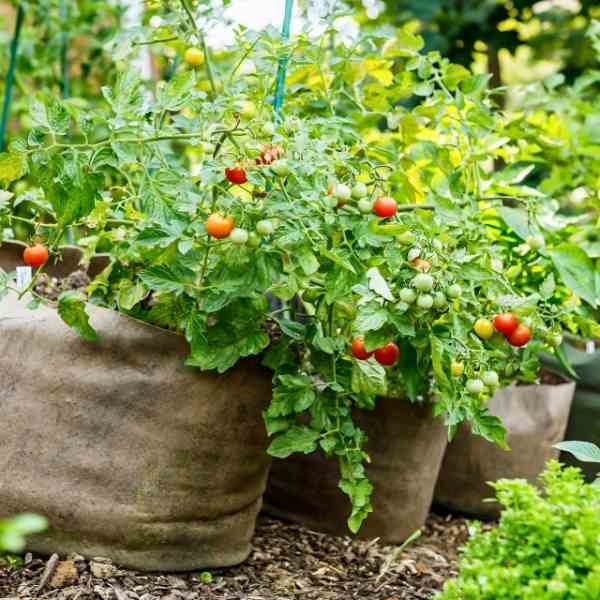
- Great for containers, small gardens, and preserving harvests.
- No pruning required, minimal staking.
✨ Varieties like ‘Roma’ and ‘Cherokee Purple’ fall into this category.
Indeterminate (Vine Type):
- Keep growing and producing over many weeks.
- Require staking, cages, or trellising for support.
- Regular side-shoot pruning improves airflow and yield.
- Ideal for long harvesting periods.
🌿 Heirlooms like ‘Brandywine’, ‘Black Krim’, and ‘Tommy Toe’ are indeterminate.
🌿 Care & Maintenance
Once planted, tomatoes are generous growers, but they’ll thrive with a little TLC:
- Water deeply at the base (not over the leaves) to encourage deep roots.
- Mulch with straw or lucerne to retain moisture and protect the soil.
- Apply liquid feed (like seaweed or fish emulsion) every 2–3 weeks.
- Prune lower leaves and remove suckers on indeterminate types.
- Keep your eye out for overcrowding—good airflow prevents fungal issues.
🌼 Companion Planting Guide
Tomatoes are sociable in the garden, and love the right neighbours:
| Companion | Benefit |
|---|---|
| Basil | Improves flavour and deters whitefly |
| Marigold | Repels nematodes and aphids |
| Chives & Onion | Deter pests like aphids |
| Carrot | Uses different root space |
| Lettuce & Spinach | Shade-loving underplanting |
🚫 Avoid planting with corn (attracts same pests), fennel (inhibits growth), and potatoes (shared disease risks).
🍅 Harvesting Tomatoes
Tomatoes are ready to harvest when:
- They’ve fully coloured up (depending on the variety)
- They come away from the vine with a gentle twist
- They feel firm but slightly soft to touch
Pick in the cool of the morning, and leave them to finish ripening on the kitchen bench—not the fridge!
🍅 Most varieties are ready to harvest 10–14 weeks after transplanting.
🐛 Common Issues & Quick Fixes
| Problem | Cause | Fix |
|---|---|---|
| Blossom end rot | Calcium deficiency, inconsistent watering | Mulch, water regularly, use dolomite lime if needed |
| Powdery mildew | Fungal infection | Improve airflow, spray with milk or bicarb solution |
| Aphids | Sap-sucking pests | Blast off with water, introduce ladybugs |
| Leaf curl | Environmental stress or viruses | Water consistently, avoid herbicide drift |
| Fruit splitting | Sudden rain or overwatering | Mulch and harvest ripe fruit promptly |
| Hornworms or caterpillars | Chewing pests | Hand-pick or use Bacillus thuringiensis spray |
🌱 Seed Saving Guide
Saving your own tomato seed is incredibly satisfying—and very do-able!
Step-by-Step:
- Choose open-pollinated or heirloom varieties.
Avoid hybrids—they won’t grow true to type. - Pick the healthiest, ripest fruit from strong plants.
- Scoop the seeds (with gel) into a jar.
- Add a little water and leave to ferment for 2–4 days.
This mimics the natural rotting process and removes germination-inhibiting gel. - Rinse seeds in a fine sieve, spread on paper towel or mesh to dry.
- Store fully dried seeds in a labelled envelope or jar in a cool, dry place. They’ll last up to 5 years if stored well.
🌞 Final Thoughts
Growing tomatoes from seed might take a bit more patience up front, but it’s deeply rewarding. You get a jump on the season, access to rare heirloom varieties, and full control over how your food is grown.
Don’t stress if your first attempt isn’t perfect. Tomatoes are forgiving, and every season brings fresh lessons. Whether you go for a cherry-sized snacker or a big beefsteak beauty, there’s nothing quite like a homegrown tomato—warm from the sun, juicy, and bursting with flavour.
So go ahead and start those seeds—your future self (and your summer salads) will thank you.