








Yarrow
$4.95
Achillea Millefolium
- Seed Count 5000
- Many Uses
- Perennial
- Height 1.2 m
In stock
Description
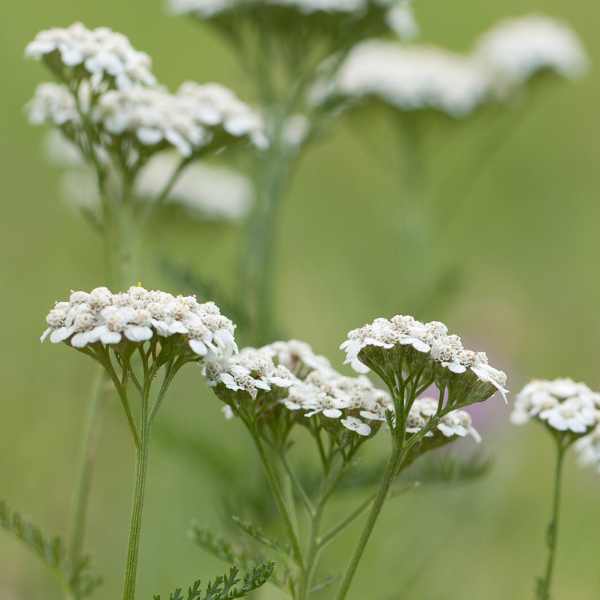
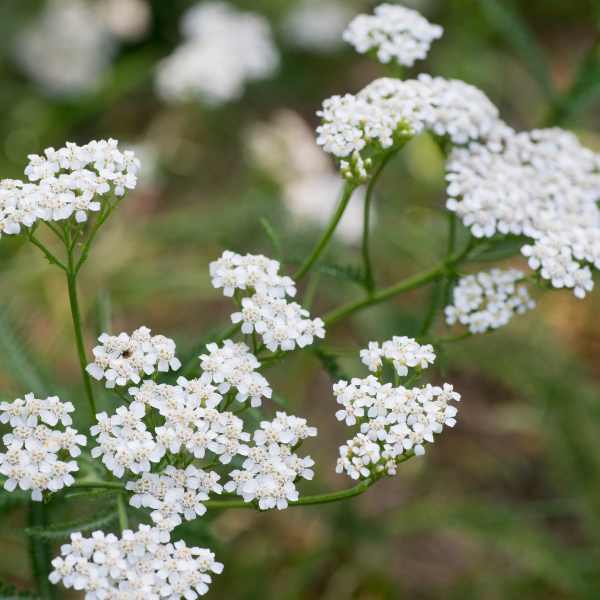
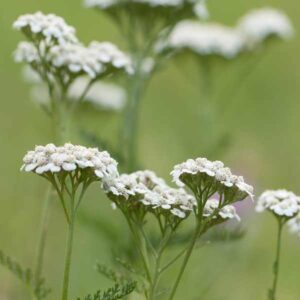
The first thing you’ll notice about White Yarrow is its foliage. Finely divided and soft to the touch, the leaves form a dense, fern-like mat that stays green for much of the year. Then, as the weather warms, strong, slender stems rise up to hold flat-topped clusters of tiny white flowers. Each cluster is made up of dozens of miniature blooms, forming a soft cloud of white that seems to float above the foliage. When the light hits just right, those flowers almost seem to glow, giving the plant an understated elegance that suits both formal and wild gardens alike.
In the garden, White Yarrow earns its place many times over. It’s hardy, long-lived, and unbothered by poor soils or hot, dry conditions. It’s a plant that gets on quietly with the job, thriving where others might struggle. Once it’s settled in, it will come back reliably each year, spreading gently to form neat clumps. Many gardeners appreciate it for its ability to fill gaps between perennials or soften the edges of paths and borders. Because it has such fine foliage and open flower heads, it never feels heavy or crowded, even when grown en masse.
White Yarrow has a special knack for blending in while still standing out. In mixed borders, it provides the perfect backdrop for more colourful blooms. The pure white flowers make a natural companion for plants with purple, blue, or pink tones, helping to lift and balance the overall look. It also pairs beautifully with ornamental grasses, creating a soft, textured contrast that moves gracefully in the breeze. In cottage gardens, it sits comfortably among traditional favourites like lavender, salvia, and echinacea. In more modern settings, it adds a note of simplicity and structure.
Beyond its visual appeal, White Yarrow is a magnet for pollinators. Bees, butterflies, and beneficial insects are drawn to its broad, flat flower clusters, which provide an easy landing platform and a rich source of nectar. This makes it a valuable addition to any garden that aims to support local wildlife. It’s often one of the busiest plants in bloom, humming with life from morning until evening. The plant’s extended flowering period means it continues to feed pollinators long after many other plants have finished their display.
It’s drought-tolerant once established, needing little water, and it doesn’t rely on fertiliser or fuss. It’s also known to improve the health of surrounding plants by attracting predatory insects that help keep pest populations under control. Some gardeners even use it as a companion plant in vegetable gardens, believing it enriches the soil and supports the growth of nearby crops. It’s the kind of plant that quietly works behind the scenes, making the garden a better, healthier place overall.
There’s a lovely timelessness about Yarrow. It feels like a plant that could belong in any garden, from a rustic country cottage to a neat suburban plot. Its colour may be simple, but there’s power in that simplicity. A sweep of white Yarrow in full bloom can light up a space, drawing the eye and lending a sense of calm. Even when the flowers begin to fade, they hold their form beautifully, turning a soft straw colour that adds texture and interest well into autumn. The dried flower heads stand tall through winter, catching frost and morning light in a way that’s quietly beautiful.
For those who enjoy cutting flowers, White Yarrow is a wonderful choice. The long stems and flat-topped flower heads add structure to arrangements, and they combine beautifully with both delicate and bold blooms. The flowers last well in a vase and can also be dried easily for long-lasting displays. When dried, they hold their shape and subtle colour, making them a favourite for rustic wreaths and dried flower crafts..
The leaves and flowers can be used fresh or dried to make yarrow tea, which has been a traditional herbal remedy for centuries. The tea has a light, earthy, and slightly bitter flavour—often compared to chamomile but more aromatic and herbal. It’s usually enjoyed for its soothing qualities and is sometimes blended with other herbs like lemon balm, peppermint, or chamomile to soften the taste.
| Method: Start in trays | Soil Temp: 21°C - 24°C |
| When: Cool Mountain Sep - Dec | Position: Full sun |
| When: Temperate Aug-Nov, Mar-Jun | Soil: Rich, good drainage |
| When: Sub Tropical Aug-Nov, Mar-Jun | Planting Depth: 3mm |
| When: Arid Jun-Jul, Apr-May | Row Spacing: 30cm apart |
| When: Tropical Apr - Jul | Plant Height: 1.2 m |
🌾 Sowing: Trays vs. Direct
When starting yarrow from seed, you’ve got two good options: sowing into seed trays or sowing directly into the garden. Each method has its own benefits depending on your space, climate, and garden rhythm.
Sowing in Trays (Recommended for Most Areas)
Yarrow seeds are tiny and need light to germinate, so they’re best surface-sown. Starting them in trays helps you control the conditions—ideal in cooler zones or if you’re timing your planting between seasons.
- When to sow in trays: Late winter to early spring (August–October), or late summer to early autumn (February–April) in warmer areas.
- How to sow:
- Fill a seed tray with quality seed-raising mix.
- Gently press seeds onto the surface without covering them—light is key!
- Mist well and keep trays moist but not soggy.
- Germination can take 10–20 days.
Once seedlings have a few sets of true leaves, harden them off before transplanting into the garden, spacing them around 30–40 cm apart.
Direct Sowing
Yarrow can also be direct-sown, but success can be hit-and-miss in some areas. It’s better suited to regions with a mild, consistent climate during germination.
- When to sow direct: Early spring or autumn.
- Choose a well-prepared bed, rake soil fine, and press seeds into the surface.
- Water gently and keep moist until germinated.
🧊 Is Pre-Treatment Needed?
No pre-treatment is necessary for yarrow seeds. They’re naturally tough, but they do need light to germinate—so don’t bury them.
🌞 Soil and Position
Yarrow is wonderfully low-maintenance once established. It thrives in full sun, though it can tolerate light shade. It prefers well-drained soil, even poor or sandy soils, and once it’s settled in, it’s incredibly drought tolerant.
- Ideal pH: Neutral to slightly alkaline (6.5–7.5)
- Soil: Sandy or loamy soil works best; heavy clay can be improved with compost and sand.
💡 Tip: Avoid rich soil or over-fertilising—too much nitrogen can make yarrow leggy and floppy.
🌿 Care and Maintenance
Yarrow is famously unfussy, but a little care early on sets it up for success.
- Watering: Regular watering while young; once established, it only needs a drink during long dry spells.
- Mulching: Helps suppress weeds and keep moisture in.
- Pruning: Deadhead flowers to prolong blooming and prevent excessive self-seeding. Cut back hard in late autumn or early spring to rejuvenate.
- Fertilising: Not usually necessary. If needed, apply a weak compost tea or seaweed solution in early spring.
🌼 Companion Planting Guide
Yarrow is a powerhouse companion plant—loved by pollinators and beneficial insects like ladybirds, lacewings, and parasitic wasps.
Good companions include:
- 🥕 Carrots – Improves growth and attracts helpful insects.
- 🍅 Tomatoes – Enhances pest resistance and boosts biodiversity.
- 🌻 Sunflowers – Aesthetically and ecologically harmonious.
- 🧅 Onions and leeks – Attracts pollinators for nearby crops.
- 🌿 Herbs like lavender, rosemary, and sage – All thrive in similar dry, sunny conditions.
Avoid planting near: Wet-footed plants or crops that prefer rich, moist soils—yarrow likes it lean and dry.
✂️ Harvesting Yarrow
Harvest once flower clusters are fully open—usually late spring through summer.
- For fresh use: Snip stems early in the day after dew dries.
- For drying: Harvest when blooms are at their peak; bundle and hang upside down in a dry, airy space.
Both leaves and flowers can be used for teas, salves, and even in compost activators!
🐛 Common Issues and Fixes
| Issue | Symptoms | Fix |
|---|---|---|
| Leggy growth | Tall, floppy stems | Prune back by half to encourage bushiness |
| Powdery mildew | White dust-like coating on leaves | Improve air circulation, avoid overhead watering |
| Aphids | Clusters of tiny insects on stems | Hose off, or spray with diluted neem oil |
| Root rot | Wilting despite moist soil | Improve drainage; avoid overwatering |
| Over-spreading | Takes over space with rhizomes | Divide every 2–3 years; use edging or plant in containers |
🌾 Seed Saving Guide
Yarrow self-seeds easily, but if you’re after true-to-type seed, especially from heirloom or named varieties, it’s best to save it intentionally.
How to Save Seeds:
- Let flowers mature on the plant until they dry and go brown.
- Snip seed heads and place them upside down in a paper bag.
- Allow to dry completely in a warm, airy spot.
- Rub or shake seed heads gently to release tiny seeds.
- Sieve out chaff and store seeds in a labelled, airtight container.
- Storage life: Up to 5 years in cool, dry conditions.
- Isolation distance: If growing multiple Achillea types, separate by at least 300 metres to reduce cross-pollination.
🌸 Final Thoughts
Yarrow is one of those delightfully giving plants—it asks for very little, yet offers so much. Whether you’re after long-lasting cut flowers, a pollinator magnet, or a tough groundcover for dry areas, yarrow fits the bill beautifully. Starting from seed might take a little patience, but once it takes off, you’ll find it popping up reliably year after year.
Yarrow plays the peacemaker between vegetables and ornamentals. It softens harsh edges, invites bees in droves, and stands strong through heat and wind. If you’re looking for a resilient, multipurpose herb that plays well with others, yarrow’s a keeper.
🌿 So go ahead—sow a tray or two now, and let this generous plant become part of your garden story.
3 reviews for Yarrow
| 5 star | 100% | |
| 4 star | 0% | |
| 3 star | 0% | |
| 2 star | 0% | |
| 1 star | 0% |

Postage Charge
Orders under $35 attract a $4.95 shipping charge. Orders $35 and above have free shipping.
Order Times
Seed orders are normally dispatched within three business days. You will receive an email when seeds are mailed out.
Postage Days
Seeds are mailed out Tuesday to Friday at 1pm. Except for the Friday of long weekends.
Postage Times
WA 2-3 Days: SA,NT 3-5 Days: NSW, ACT, QLD, VIC: 5-7 Days
Carrier
We use Australia Post Letter Postage for the majority of orders
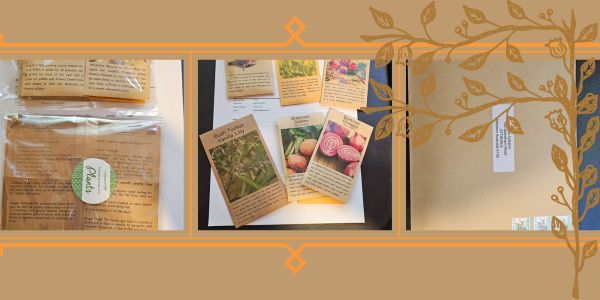
Not only are our seeds packed in recycled paper envelopes, we keep the theme going when we post out website orders. To protect your seeds from moisture and the letter box munchers (snails), we use a very special plastic free material made from plants. They are then put into recycled mailing envelopes. Green all the way 💚🌿
Delivery Guarantee
We take great care to make sure your seeds arrive safely. If your order is lost or damaged in transit, we’ll happily send a replacement. Unfortunately, we can’t replace or refund orders that arrive later than the estimated delivery date, as delays can sometimes occur that are outside our control.
Please note that all dispatch and delivery times listed are estimates only. While we do our best to post promptly, delivery timeframes can vary due to postal service delays, weather events, or other unforeseen circumstances. We’re unable to take responsibility for any loss, damage, or cost that results from a late delivery.
An order is not considered missing until at least 20 business days have passed from the postage date. You’ll receive an email once your seeds have been posted, letting you know they’re on their way. If you don’t see it in your main inbox, please check your Spam or Promotions folders as sometimes our emails like to hide there.
See all our verified customer reviews on our official CusRev profile.
See all our verified customer reviews on our official CusRev profile.
See all our verified customer reviews on our official CusRev profile.