


Yanchep Rose
$6.59
Diplolaena Angustifolia
- Seed Count 50
- Excellent Feature Plant
- Perennial
In stock
Description
Yanchep Rose is a little-known treasure from Western Australia, bringing soft winter colour, wildlife value, and resilient charm to the garden. It takes its name from the Yanchep region north of Perth, where it grows naturally among coastal dunes, limestone hills, and rocky ridges. You’ll often find it nestled into sandy soils, holding firm where other plants may falter.
This species is well-adapted to our climate and landscape, particularly those classic Aussie conditions that swing between dry heat and cold nights. It’s both drought and frost tolerant, which makes it a reliable choice for gardeners across much of southern and western Australia who want to establish long-term, water-wise plantings.
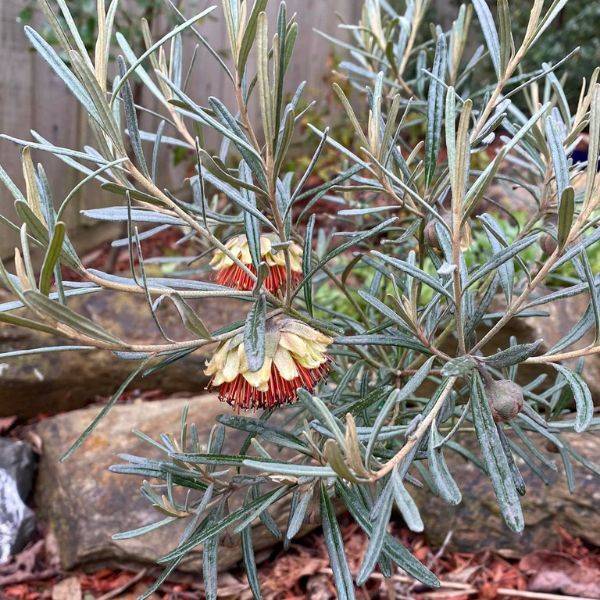
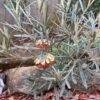
Yanchep Rose is modestly sized and well-behaved. It typically reaches around 1.5 metres in height, with a spread of about 1 metre, making it a great mid-level shrub in layered plantings. Its growth habit can range from compact and erect to a little more spreading, depending on conditions and age. This versatility gives it a natural, informal feel that is never too tidy, but never unruly either.
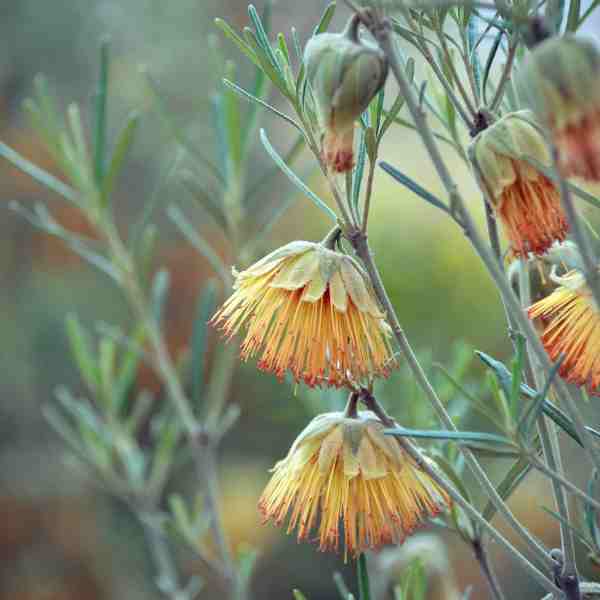
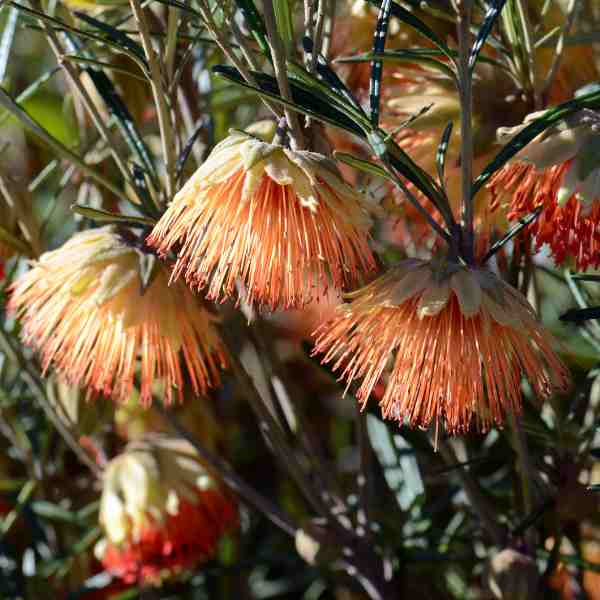
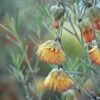
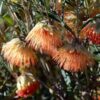
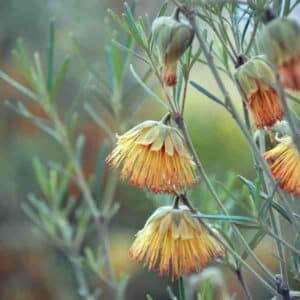
It blooms from June through to October, offering a gentle wash of colour right through the cooler months. The flowers are small and softly ornamental, with a mix of dusky red-orange outer petals and delicate yellow stamens. They sit just above the foliage, creating a lantern-like effect that draws the eye without being showy. Up close, they’re a delight being subtle, intricate, and full of quiet character. The foliage is just as appealing. The narrow leaves have a light, pleasant fragrance when crushed and add fine texture to the garden throughout the year.
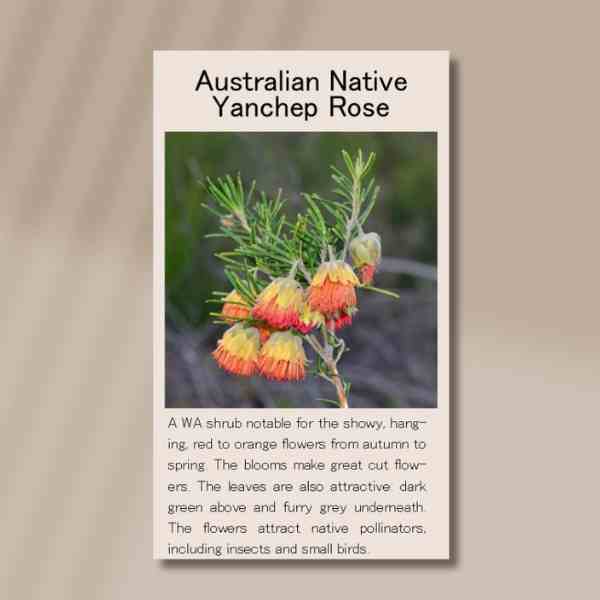
The flowers attract native pollinators, including insects and small birds, making it an ecologically valuable choice for gardeners who want more than just good looks from their plants.
It works beautifully in bush-style gardens, but is equally comfortable in more formal beds as a soft filler or seasonal interest piece. Whether you’re planting on a larger scale or just tucking a few native species into a suburban backyard, this is the kind of plant that fits seamlessly into the big picture. Its compact shape and modest size also make it a good candidate for smaller gardens, nature strips, or native verge plantings.
| Method: Start in trays | Soil Temp: 15°C - 20°C |
| Cool Mountain: Nov - Dec | Position: Full sun to light shade |
| Arid: May - Jun | Row Spacing: 1m apart |
| Temperate: Apr - May | Planting Depth: 1mm |
| Sub Tropical: May - Jun | Harvest: 700 days |
| Tropical: Apr - May | Plant Height: 1.5m |
🌱 Sowing: In Trays vs. Direct in the Ground
In Trays (Recommended Method):
Sowing Yanchep Rose in seed trays gives you more control—especially over temperature, moisture, and protection from pests. It’s a slow germinator, so patience is key. Starting in trays means you can monitor the seeds closely and avoid disturbing emerging seedlings.
🌡️ How to Sow in Trays:
- Use a native seed-raising mix—light, sandy, and free-draining.
- Moisten the mix slightly before sowing.
- Sow seeds on the surface and press gently into the mix, covering very lightly with fine sand or vermiculite.
- Apply smoke water or sow onto smoke-infused paper, if you’re using it.
- Keep trays in a bright, warm spot, out of direct hot sun.
- Mist lightly as needed to keep the soil just moist—not soggy.
- Germination can take 6–10 weeks or longer, so don’t give up too soon!
⏳ Tip: Be patient. Native seeds often germinate slowly and unpredictably, but consistent conditions really help.
Direct Sowing:
Direct sowing isn’t ideal for Yanchep Rose unless you live in its native range and can closely mimic natural conditions. Germination can be very sporadic and easily affected by weeds or heavy rain. If you choose to sow direct, pick a well-prepared, weed-free, sandy site and mark the area clearly.
🔥 Seed Pre-Treatment
Yanchep Rose seeds have a hard coat and benefit from a smoke treatment, which mimics the natural germination triggers from bushfire. This can dramatically improve germination rates.
Pre-Treatment Methods:
- Smoke Water Soak: Soak seeds in smoke water (commercially available) for 24 hours before sowing.
- Smoke Paper: Germinate seeds on smoke-infused filter paper in a propagation tray.
- Hot Water Soak: Some growers also recommend pouring hot water (not boiling—around 70°C) over the seeds and letting them soak for 24 hours. This helps soften the coat.
🌞 Soil and Position
Yanchep Rose thrives in conditions that echo its natural coastal habitat.
Soil:
- Free-draining sandy or sandy loam is ideal.
- Tolerates poor, low-nutrient soils, but hates heavy clay.
- Slightly acidic to neutral pH (around 6.0–7.0).
Position:
- Full sun to part shade. While it tolerates dappled light, you’ll get more flowers in sunnier spots.
- Ideal in coastal and Mediterranean climates.
- Protect young plants from heavy frost and waterlogging.
🌿 Care and Maintenance
Yanchep Rose is relatively low-maintenance once established. Like many natives, it doesn’t like too much fuss!
- Watering: Keep moist during germination and early growth. Once established, it’s drought-tolerant.
- Mulching: Apply a native-plant-friendly mulch to suppress weeds and retain moisture.
- Feeding: Use a low-phosphorus fertiliser formulated for natives. Feed lightly in spring.
- Pruning: Light tip-pruning after flowering will keep it bushy and compact.
🌼 Companion Planting Guide
Yanchep Rose works well in native and waterwise gardens, especially when paired with other low-growing WA natives.
Good companions:
- Kangaroo Paw (Anigozanthos spp.) – Provides vertical interest and colour contrast.
- Grevillea ‘Gin Gin Gem’ – Groundcover with brilliant red flowers.
- Scaevola (Fan Flower) – Adds a soft, spreading habit under shrubs.
- Chamelaucium (Wax Flower) – Creates a soft, floriferous backdrop.
Avoid planting near aggressive rooters like some wattles or Melaleuca species, which may compete for water and nutrients.
✂️ Harvesting Flowers & Seed
Yanchep Rose isn’t a traditional cut flower, but its ornamental blooms are lovely for small indoor displays.
- For Flowers: Cut stems early in the morning once blooms are fully opened. Place straight into cool water.
- For Seeds: Allow flowers to fully mature and dry on the plant. Seed pods will eventually brown and split, releasing seeds.
🐛 Common Issues and Fixes
| Issue | Symptoms | Fix / Prevention |
|---|---|---|
| Poor germination | Seeds not sprouting after weeks | Use smoke treatment, ensure consistent moisture |
| Fungal damping-off | Seedlings collapse after sprouting | Improve airflow, avoid overwatering, use clean trays |
| Aphids or sap-suckers | Curling new growth, sticky residue | Blast with water or use eco-oil spray |
| Yellowing leaves | Nutrient deficiency or root stress | Check drainage, apply native-safe fertiliser |
| Root rot | Wilting despite moist soil | Improve drainage, don’t overwater |
🌾 Seed Saving Guide
Saving seeds from Yanchep Rose is a rewarding way to continue your native plant journey—and support biodiversity in your own backyard.
How to Save Seeds:
- Let the flowers dry naturally on the plant.
- When the seed capsules turn brown and papery, cut them off and place them in a paper bag.
- Allow them to dry for a few more days indoors in a cool, dry spot.
- Shake or crush gently to release seeds.
- Store seeds in a clearly labelled paper envelope inside an airtight container in a cool, dark place.
- Seeds can remain viable for 2–3 years if kept dry and cool.
📝 Tip: Always label with species name and harvest date. You’ll thank yourself next season!
💬 Final Thoughts
Yanchep Rose isn’t the fastest plant to grow from seed—but it’s one of those quiet achievers. If you’ve got the patience to see it through the early stages, it’ll reward you with soft, elegant blooms and a hardy nature that slots beautifully into native or waterwise gardens.
So if you’re drawn to growing something a little different—something deeply tied to the West Australian landscape—go ahead and give Diplolaena angustifolia a go. You might just fall in love with this understated gem 💚

Postage Charge
Orders under $35 attract a $4.95 shipping charge. Orders $35 and above have free shipping.
Order Times
Seed orders are normally dispatched within three business days. You will receive an email when seeds are mailed out.
Postage Days
Seeds are mailed out Tuesday to Friday at 1pm. Except for the Friday of long weekends.
Postage Times
WA 2-3 Days: SA,NT 3-5 Days: NSW, ACT, QLD, VIC: 5-7 Days
Carrier
We use Australia Post Letter Postage for the majority of orders
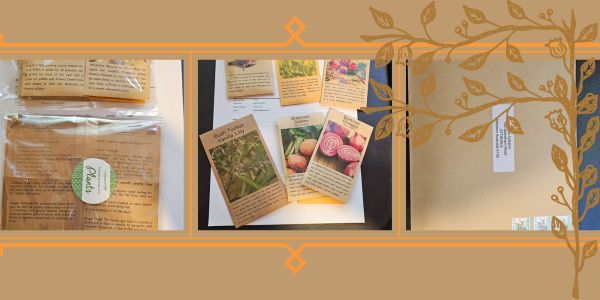
Not only are our seeds packed in recycled paper envelopes, we keep the theme going when we post out website orders. To protect your seeds from moisture and the letter box munchers (snails), we use a very special plastic free material made from plants. They are then put into recycled mailing envelopes. Green all the way 💚🌿
Delivery Guarantee
We take great care to make sure your seeds arrive safely. If your order is lost or damaged in transit, we’ll happily send a replacement. Unfortunately, we can’t replace or refund orders that arrive later than the estimated delivery date, as delays can sometimes occur that are outside our control.
Please note that all dispatch and delivery times listed are estimates only. While we do our best to post promptly, delivery timeframes can vary due to postal service delays, weather events, or other unforeseen circumstances. We’re unable to take responsibility for any loss, damage, or cost that results from a late delivery.
An order is not considered missing until at least 20 business days have passed from the postage date. You’ll receive an email once your seeds have been posted, letting you know they’re on their way. If you don’t see it in your main inbox, please check your Spam or Promotions folders as sometimes our emails like to hide there.
Reviews
There are no reviews yet