




Wild Rosemary
$6.59
Olearia Axillaris
- Seed Count 500
- Bush Tucker
- Perennial
In stock
Description
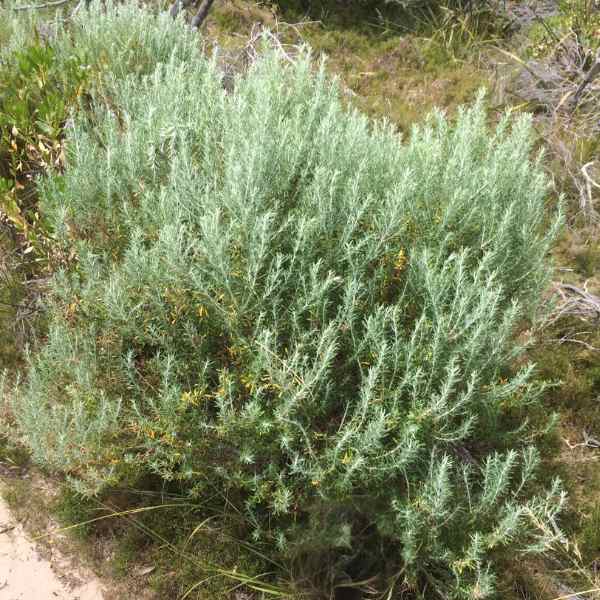
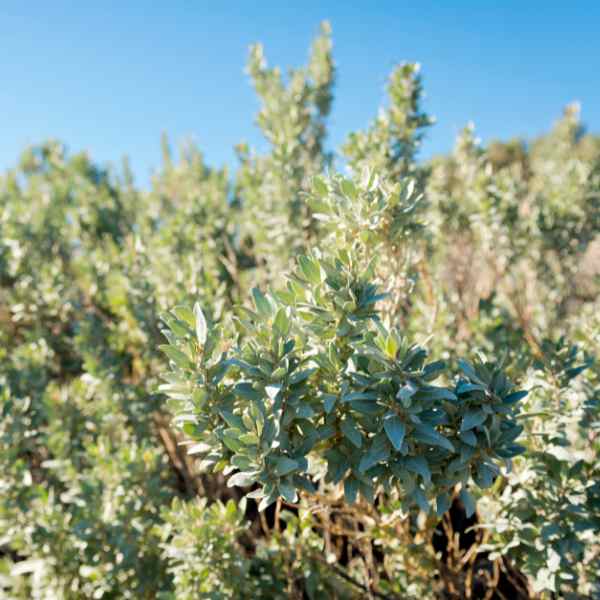
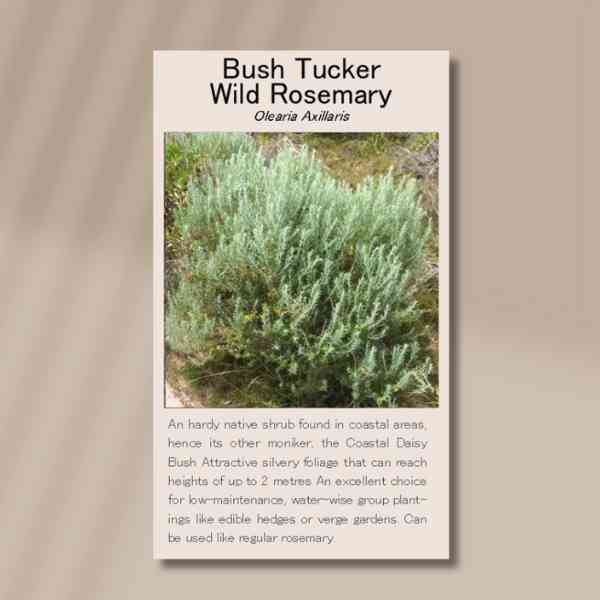
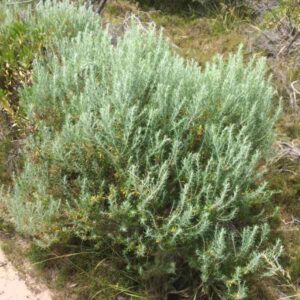
Wild Rosemary is an extremely hardy native shrub found in coastal areas, hence its other moniker, the Coastal Daisy Bush. This species can be found in Western Australia, South Australia, Victoria, New South Wales and Tasmania. With its silvery-green foliage, delicate creamy-yellow blooms, and resilience to harsh coastal conditions, this plant is a standout choice for gardeners seeking a low-maintenance yet visually striking addition to their landscapes.
It is a plant built for Australia’s challenging environments. Thriving in sandy, saline soils and enduring coastal winds, drought, and poor nutrients, it’s a natural fit for erosion control, windbreaks, or coastal gardens. An additional bonus is its insect repelling properties.
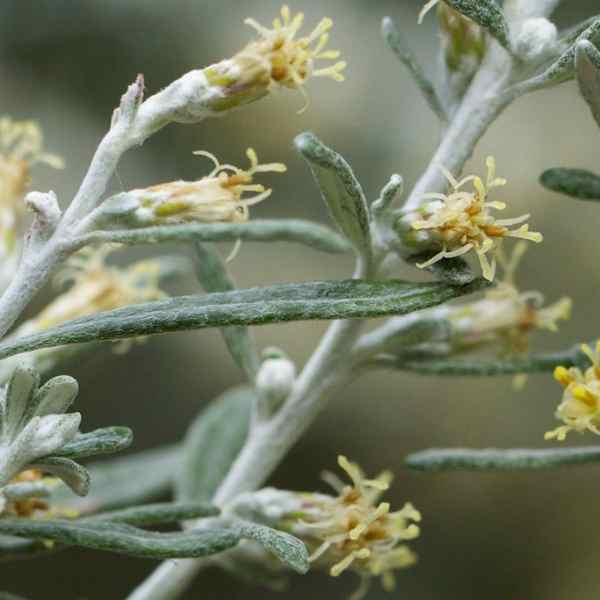
The true charm of Wild Rosemary lies in its edible foliage, which offers a warm, grassy aroma reminiscent of its Mediterranean namesake. The slender, silvery leaves can be harvested fresh or dried, adding a distinctly Australian twist to both sweet and savoury dishes. Imagine infusing roasted meats with its earthy notes, sprinkling dried leaves into bread dough, or garnishing desserts with its delicate sprigs. The plant’s small, creamy-yellow flowers—blooming from late summer through autumn—are equally versatile, serving as edible decorations for salads, cakes, or cocktails.
Its dense, silvery foliage forms a compact shrub up to 2–3 metres tall, offering year-round structure and contrast in mixed plantings. Beyond practicality, it’s a wildlife magnet, attracting bees and beneficial insects, while its evergreen leaves ensure visual interest even in the harshest seasons.
| Method: Start in Trays | Soil Temp: 18°C - 24°C |
| Cool Mountain: Sep - Dec | Position: Full sun |
| Arid: Mar - Jul | Row Spacing: 10cm apart |
| Temperate: Mer-Jun/Sep-Nov | Planting Depth: 1mm |
| Sub Tropical: Apr-Jul | Harvest: 250 days |
| Tropical: May - Jul | Plant Height: 1.5 m |
When starting wild rosemary from seed, both sowing in trays and direct sowing are possible, but they serve slightly different needs—especially depending on your local conditions.
🌿 Sowing from Trays vs. Direct Sowing — What Works Best?
🪴 Sowing in Trays or Pots (Recommended for Most Gardeners)
Starting Olearia axillaris in trays or forestry tubes is the most reliable method—especially if you’re dealing with variable weather, heavy soil, or just want more control.
Here’s why trays give you an edge:
- Control over moisture: Wild rosemary seeds are small and need consistent, light moisture to germinate—not wet feet. Trays let you fine-tune this.
- Warmth boost: Germination is slow and can be erratic. Trays allow you to position seeds in a warm, protected spot (like a greenhouse, cold frame, or even a sunny windowsill).
- Protection from pests and weather: Slugs, ants, and strong rains can disturb or bury tiny seeds before they get a chance to grow. Trays keep them safe until they’re strong enough to fend for themselves.
- Easy transplanting: Once your seedlings are 5–8 cm tall and have a few sets of true leaves, they transplant well into garden beds or pots.
💡 Tip: Use a free-draining native seed-raising mix. You can even add a bit of coarse sand or perlite for extra drainage.
🌿 Direct Sowing in the Garden (Low Intervention, but Riskier)
Direct sowing mimics nature—and in the wild, that’s how Olearia axillaris reproduces. But it requires patience and the right conditions:
- Only sow directly if you have:
- Sandy or loamy soil that drains quickly
- Full sun
- A mild, frost-free climate
- A clear, weed-free area where seedlings won’t have to compete
Even then, germination can be very slow—often 4 to 8 weeks—and patchy. That’s normal! In nature, seeds germinate only when conditions are just right, often after rain and warm weather.
To direct sow:
- Rake the surface lightly to create a fine tilth.
- Scatter seeds thinly and press them gently into the surface—don’t bury them. They need light to germinate.
- Water gently with a fine spray.
- Cover with a mesh or light shade cloth to prevent disturbance by birds or insects.
🌦️ Best time to direct sow: Late winter to early spring or after autumn rains, depending on your local climate.
🔥 Seed Pretreatment: Is It Needed?
Here’s where native seeds can sometimes surprise you. Olearia axillaris does not have a hard seed coat like wattles or peas, so no hot water or scarification is needed.
However, germination is naturally slow and irregular, so a few gentle pre-treatment tricks can help things along:
✅ Optional Seed Treatments:
Seeds are fussy in cold soils—especially in southern regions.
Warm water soak:
Soak seeds in warm (not boiling) water for 6–12 hours before sowing.
This softens the seed coat and mimics dew or light rain—often enough to wake them up.
Smoke treatment (optional):
- Like many Aussie natives, some growers report improved germination with smoke water or smoke paper.
- This mimics the effect of bushfires, which trigger many native species to germinate.
- Use a commercial smoke solution or sow seeds on smoke-infused paper.
Bottom heat:
Keeping trays at 18–22°C with a gentle heat mat can help speed things up.
🌞 Soil & Position
Wild rosemary thrives in conditions that mimic its natural habitat—coastal dunes and sandy soils. That gives us some great clues about where to plant it:
- Soil: Free-draining is key. Sandy or loamy soils are ideal. If you have heavy clay, consider building up a mound or choosing large containers with gritty native potting mix.
- Position: Full sun is essential for strong, compact growth and lots of flowers. Olearia axillaris doesn’t enjoy shade—it tends to get leggy and lose its shape.
- Drainage: It dislikes wet feet, especially in winter. Raised beds or slopes are a great choice.
- pH: Slightly acidic to neutral is fine, but it’s not fussy.
In short: think dry, sunny, and breezy, just like the coastal cliffs it calls home.
🌱 Care & Maintenance
Once established, wild rosemary is one of those set-and-forget natives that rewards you with silvery foliage and clusters of daisy-like flowers. Here’s how to keep it looking its best:
- Watering: Low water needs once established. Water regularly during the seedling stage, then ease off.
- Feeding: Apply a low-phosphorus native fertiliser in spring and again in early summer if needed. Avoid overfeeding—this plant likes lean soil.
- Pruning: Give it a light tip prune after flowering to encourage bushiness and prevent legginess. You can shape it into a low hedge or leave it to sprawl naturally.
- Mulching: Mulch with coarse bark or gravel to suppress weeds and maintain soil moisture, but keep mulch away from the stem base.
🌼 Companion Planting Guide
Olearia axillaris plays well with others—especially fellow dry-loving natives. Think coastal, waterwise, and habitat-creating.
Great companions:
- Kangaroo paw (Anigozanthos) – loves the same conditions and adds vertical interest.
- Westringia spp. – another drought-hardy native that complements wild rosemary’s silvery foliage.
- Leptospermum (tea tree) – for layered planting in native hedgerows.
- Native grasses – like Themeda triandra or Lomandra, for texture and movement.
- Groundcovers: Myoporum parvifolium and native pigface (Carpobrotus) can help with weed suppression and visual contrast.
These combinations support pollinators, small birds, and beneficial insects—making your garden a haven for native biodiversity.
✂️ Harvesting
While not grown for culinary use like true rosemary, wild rosemary has its own set of uses:
- Foliage can be trimmed and dried for its soft, coastal scent—it’s a lovely addition to native wreaths or dried arrangements.
- Flowers are modest but charming—tiny white daisies that appear in late spring and summer. While not large, they’re great for native bees.
- Leaves contain aromatic oils that have been traditionally used in bush medicine.
Harvest with care—cut stems early in the morning and avoid taking too much at once to keep the plant bushy and healthy.
🐛 Common Issues & Fixes
Wild rosemary is generally pest- and disease-resistant, especially in the right conditions. But here’s a quick table of what might pop up:
| Issue | Symptoms | Fix |
|---|---|---|
| Poor drainage / root rot | Yellowing leaves, collapse of plant | Improve drainage, lift plant onto mound or replant in pot |
| Leggy growth | Sparse foliage, stretched stems | Prune lightly and regularly to promote compact shape |
| Powdery mildew (rare) | White powdery coating on leaves | Improve air circulation, remove affected parts |
| Poor germination | No sprouting after 3–4 weeks | Be patient! Seeds are slow—use gentle bottom heat to help |
| Aphids on new growth | Distorted or sticky leaves | Hose off or use eco-oil spray if needed |
Most problems come down to too much water, not enough sun, or poor airflow.
🌾 Seed Saving Guide
Saving seed from wild rosemary takes a little patience but is a great way to propagate more plants or share with friends.
Here’s how to do it:
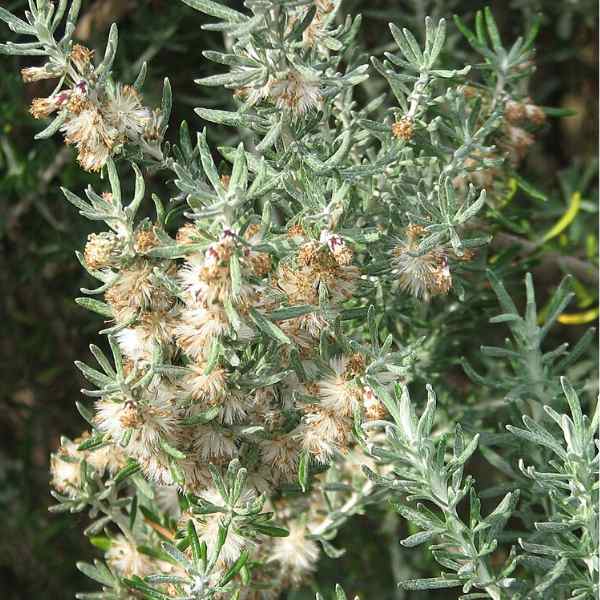
- Let the flowers mature: After blooming, the flowers dry out and form tiny seed heads. Leave them on the plant until they’re fully brown and dry.
- Collect: Gently snip off dry flower heads into a paper bag. Avoid doing this on damp days—moisture invites mould.
- Separate the seeds: Shake or crumble the heads to release the fine seeds. You might need to sieve out chaff using a fine mesh.
- Storage: Store seeds in a paper envelope in a cool, dry, dark place. Label with the date. Seeds can remain viable for 1–2 years, sometimes more.
🌸 Final Thoughts
Growing wild rosemary from seed might test your patience at first, but it’s one of those deeply satisfying projects. The slow, steady pace of germination mirrors the plant itself—resilient, steady, and well-suited to Australian gardens that need tough, beautiful plants without the fuss.
So whether you’re restoring a coastal patch, building a native hedge, or just after something a bit different—wild rosemary is a quiet achiever worth growing.
Happy planting! 🌱🌞
1 review for Wild Rosemary
| 5 star | 0% | |
| 4 star | 100% | |
| 3 star | 0% | |
| 2 star | 0% | |
| 1 star | 0% |

Postage Charge
Orders under $35 attract a $4.95 shipping charge. Orders $35 and above have free shipping.
Order Times
Seed orders are normally dispatched within three business days. You will receive an email when seeds are mailed out.
Postage Days
Seeds are mailed out Tuesday to Friday at 1pm. Except for the Friday of long weekends.
Postage Times
WA 2-3 Days: SA,NT 3-5 Days: NSW, ACT, QLD, VIC: 5-7 Days
Carrier
We use Australia Post Letter Postage for the majority of orders
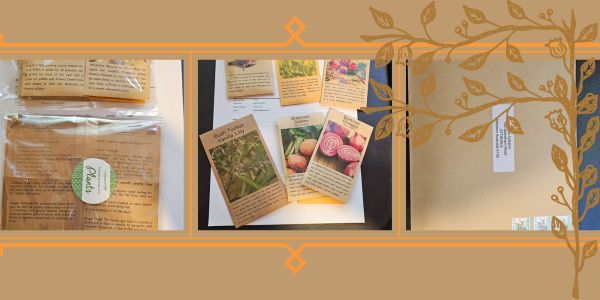
Not only are our seeds packed in recycled paper envelopes, we keep the theme going when we post out website orders. To protect your seeds from moisture and the letter box munchers (snails), we use a very special plastic free material made from plants. They are then put into recycled mailing envelopes. Green all the way 💚🌿
Delivery Guarantee
We take great care to make sure your seeds arrive safely. If your order is lost or damaged in transit, we’ll happily send a replacement. Unfortunately, we can’t replace or refund orders that arrive later than the estimated delivery date, as delays can sometimes occur that are outside our control.
Please note that all dispatch and delivery times listed are estimates only. While we do our best to post promptly, delivery timeframes can vary due to postal service delays, weather events, or other unforeseen circumstances. We’re unable to take responsibility for any loss, damage, or cost that results from a late delivery.
An order is not considered missing until at least 20 business days have passed from the postage date. You’ll receive an email once your seeds have been posted, letting you know they’re on their way. If you don’t see it in your main inbox, please check your Spam or Promotions folders as sometimes our emails like to hide there.
They haven’t been planted yet. Your survey is a bit too soon for this question
See all our verified customer reviews on our official CusRev profile.