
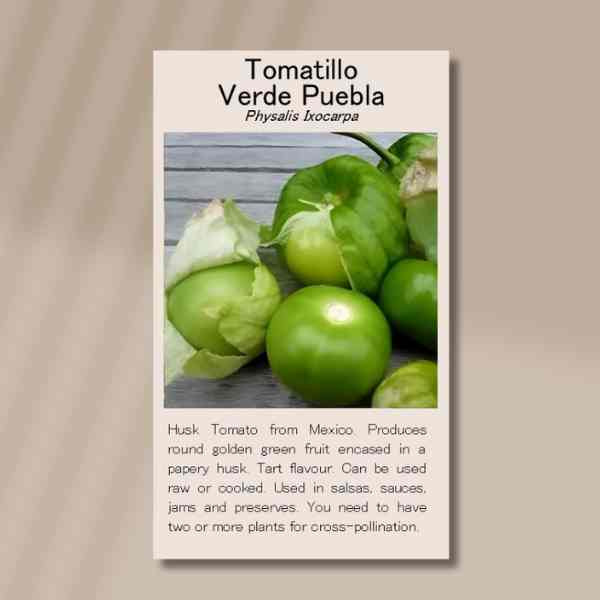







Tomatillo Verde Puebla
$4.95
Physalis Ixocarpa
- Seed Count 40
- Excellent Tart Flavour
- Annual
In stock
Description
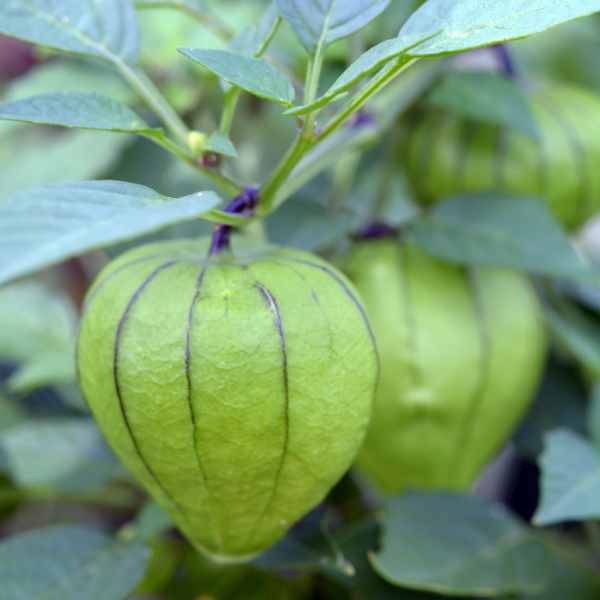
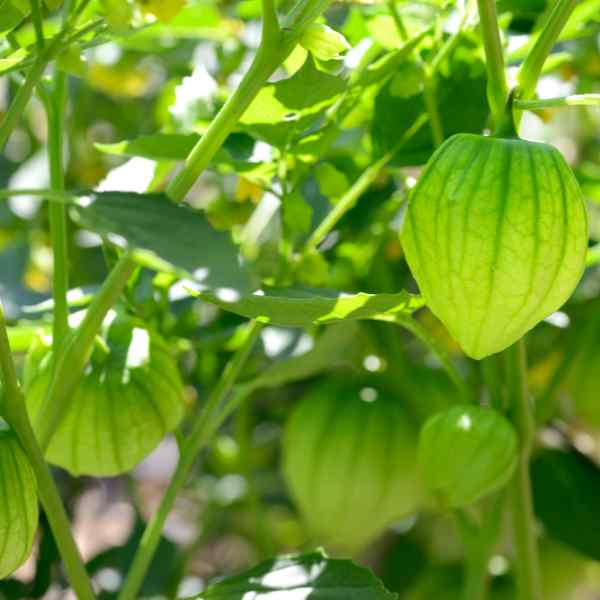
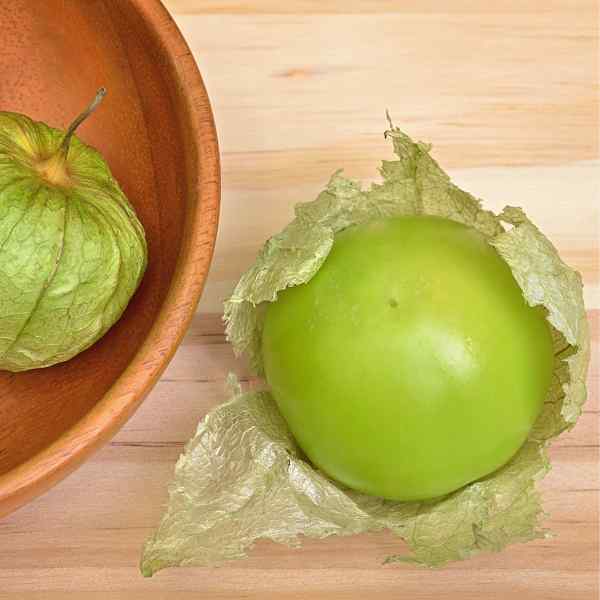
Tomatillo Verde de Puebla is a tomato is encased in its own papery husk, a natural wrapping that crinkles and dries as the fruit inside swells and ripens. It gives the plants a slightly ornamental look, with pale lantern-like cases hanging in clusters from the many branches. Inside these husks lies the real prize: round, golden-green fruit with a bright, tart flavour that transforms everything from a simple salsa to a hearty stew.
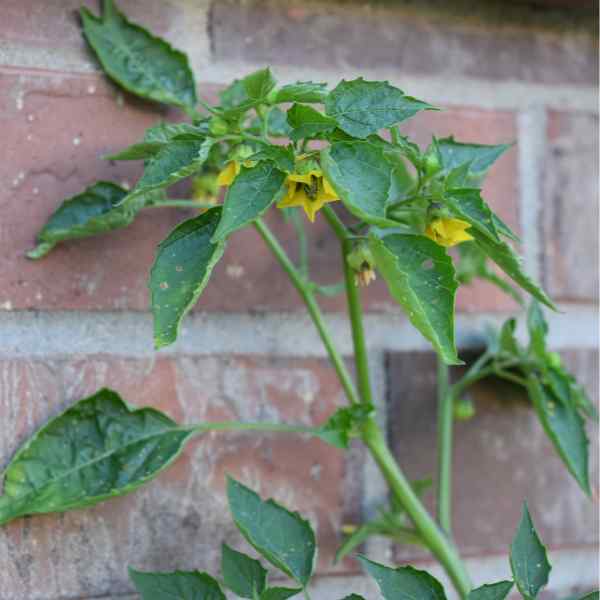
The variety Verde de Puebla is one of the most dependable types you can grow. Known for being hardy and surprisingly tough, it doesn’t ask for much attention once it’s established. Unlike tomatoes, which often demand staking, pinching, and endless feeding, tomatillos are happy to do most of the work themselves. They grow into tall, bushy plants that reach around 2 metres in height, spreading into a shape that looks almost like a small shrub. From those many branches, they set heavy crops of husked fruit, sometimes so many that you wonder how the plant manages to carry them all.
One thing worth knowing is that tomatillos like company. Isolated plants rarely set fruit, and it’s a quirk of their nature that you will need at least two plants for cross-pollination. Once you’ve got that sorted, though, you can expect a generous harvest. The plants are naturally productive, and with more than one in the garden, you’ll have basket after basket of husked fruit to enjoy.
In the kitchen, it proves itself as versatile as it is unusual. The fruit can be eaten raw or cooked, lending a sharp, zesty kick that livens up just about anything. In salsas and sauces, tomatillos bring a brightness that tomatoes alone can’t match, balancing the heat of chillies with their own tang. Cooked down, they mellow and sweeten slightly, making them an excellent base for soups, stews, and even curries. Many cooks also value their high pectin content, which, like their close relatives the cape gooseberries, makes them ideal for jams, jellies, and preserves.
In Mexican cuisine, one of the most famous uses of tomatillos is in salsa verde, that vivid green sauce you’ll often see spooned over tacos or served alongside roasted meats. There’s something about the tartness of tomatillos that cuts through richness beautifully, which is why you’ll find them turning up in all sorts of dishes from street food to home cooking. But their uses don’t stop there. The unripe fruit is used extensively in curries and soups, lending a distinctive tang, while ripe fruit can be cooked down into sauces or chopped fresh into salads. If you’ve only ever used tomatoes in these dishes, tomatillos are a revelation.
| Method: Set seedlings | Soil Temp: 21°C - 27°C |
| Cool Mountain: Sep - Dec | Position: Full sun |
| Arid: Jul - Aug | Row Spacing: 1.5 m |
| Temperate: Sep - Dec | Planting Depth: 5 mm |
| Sub Tropical: Sep - Dec | Harvest: 80 Days |
| Tropical: Apr - Jul | Plant Height: 1.2 m |
🌱 Sowing – In Trays vs Direct
Tomatillo seed is small and delicate, much like tomato seed. In Australia, they’re usually best started in trays rather than sown direct into the garden. Starting in trays gives you more control over temperature, moisture, and pests at those vulnerable early stages.
- Starting in trays:
Fill seed trays or small pots with a good quality seed-raising mix. Sow seeds on the surface and lightly cover with a fine layer of mix or vermiculite. Keep moist but not waterlogged. Seeds germinate in 7–14 days if the soil is consistently warm (18–24°C). Once seedlings develop two sets of true leaves, they can be transplanted into larger pots or out into the garden. - Direct sowing:
While possible in warmer regions (tropical and subtropical Australia), direct sowing is riskier. Slugs, snails, and inconsistent moisture can cause losses. If you want to try it, wait until after the last frost and sow thinly, covering lightly. Thin seedlings to 45–60 cm apart once established.
🌾 Is a Seed Pre-treatment Required?
No special pre-treatment is required for tomatillo seed. Germination is straightforward if temperatures are warm and conditions are moist. Unlike some natives or hard-coated seeds, tomatillos don’t need scarification or soaking before sowing.
🌿 Soil and Position
Tomatillos thrive in much the same conditions as tomatoes but with a little more tolerance to cool weather.
- Soil: Light, well-drained soil enriched with compost is ideal. Aim for a slightly acidic to neutral pH (6.0–7.0). Avoid heavy clay unless it’s well improved with organic matter.
- Position: Choose a sunny, open position. Tomatillos need at least 6 hours of sunlight daily to set fruit well. They can be grown in raised beds, garden beds, or large containers (minimum 40L).
- Spacing: Plant at least 60 cm apart, with 90 cm between rows if planting a large patch. They’re sprawling by nature and need space.
A key tip: Always grow at least two plants. Tomatillos need cross-pollination from another plant to produce fruit. A single plant won’t set fruit reliably.
🌱 Care and Maintenance
- Watering: Keep soil consistently moist but not soggy. Deep, regular watering encourages strong root growth. Mulching helps maintain moisture and reduce weeds.
- Feeding: Apply a balanced organic fertiliser at planting and side-dress with compost or liquid seaweed every 4–6 weeks. Too much nitrogen encourages leafy growth at the expense of fruit.
- Support: Plants sprawl, so staking or caging helps keep fruit off the soil and reduces pest problems.
- Pruning: Not essential, but you can trim lower leaves to improve airflow and prevent fungal problems.
🌼 Companion Planting Guide
Tomatillos sit happily alongside many garden friends:
- Good companions: Basil, marigold, nasturtium, coriander, and onions help deter pests. Corn and beans also make good neighbours.
- Avoid planting with: Potatoes, fennel, or heavy feeders that compete for the same nutrients.
- Pollination tip: Bees and other pollinators are key. A nearby patch of flowering herbs or natives will boost yields.
🍏 Harvesting
Tomatillos are ready to harvest 70–100 days after transplanting, depending on the variety and climate. The husk is the giveaway:
- Fruit is ready when the husk turns papery and may split open.
- The fruit itself should feel firm and fill the husk.
- Colour varies from bright green to purple, depending on variety.
Harvest regularly to encourage more fruit. Left too long, the fruit may drop to the ground, where it can still be used if not overripe.
🐛 Common Issues and Fixes
| Problem | Likely Cause | Solution |
|---|---|---|
| Plants not setting fruit | Only one plant grown, or poor pollination | Always grow at least two plants; attract pollinators with flowers nearby |
| Yellowing leaves | Overwatering, nutrient imbalance, or lack of nitrogen | Water deeply but less often; add compost or liquid fertiliser |
| Husk forms but fruit is small or missing | Poor pollination | Hand-pollinate by gently brushing flowers with a small paintbrush |
| Aphids, whitefly or caterpillars | Common sap-sucking pests | Spray with diluted neem oil or hose off with water |
| Powdery mildew | Humid conditions and poor airflow | Prune lower leaves, improve spacing, apply organic sulphur spray if severe |
🌸 Seed Saving Guide
Saving seed from tomatillos is straightforward once you know the process.
- Select the best fruit: Choose healthy, disease-free plants and let several fruits ripen fully on the plant. The husk will split, and the fruit will soften slightly.
- Extract seeds: Cut open the fruit and scoop out the seeds and pulp. Place in a jar with water for 2–3 days to ferment. This helps separate viable seed from pulp.
- Rinse and dry: After fermentation, viable seeds sink. Pour off floating seeds and pulp, rinse remaining seed through a fine sieve, and spread on a plate to dry in a well-ventilated spot out of direct sun.
- Storage: Once fully dry, store in an airtight jar or paper packet in a cool, dry place. Properly stored, tomatillo seed remains viable for 4–6 years.
🌿 Final Thoughts
Tomatillos are one of those crops that surprise Australian gardeners. They’re hardy, productive, and offer a unique flavour that tomatoes simply can’t match. Once you get the hang of growing them, they’ll become a regular in your summer garden, especially if you enjoy making salsas, sauces, and chutneys.
The key points to remember are:
- Always grow at least two plants for pollination.
- Give them space, support, and consistent moisture.
- Watch for husks filling out to know when to harvest.
- Save seed to keep your own supply going year after year.
With a little care, tomatillos will reward you with basketfuls of tangy fruit and a new layer of diversity in your garden.
9 reviews for Tomatillo Verde Puebla
| 5 star | 100% | |
| 4 star | 0% | |
| 3 star | 0% | |
| 2 star | 0% | |
| 1 star | 0% |

Postage Charge
Orders under $35 attract a $4.95 shipping charge. Orders $35 and above have free shipping.
Order Times
Seed orders are normally dispatched within three business days. You will receive an email when seeds are mailed out.
Postage Days
Seeds are mailed out Tuesday to Friday at 1pm. Except for the Friday of long weekends.
Postage Times
WA 2-3 Days: SA,NT 3-5 Days: NSW, ACT, QLD, VIC: 5-7 Days
Carrier
We use Australia Post Letter Postage for the majority of orders

Not only are our seeds packed in recycled paper envelopes, we keep the theme going when we post out website orders. To protect your seeds from moisture and the letter box munchers (snails), we use a very special plastic free material made from plants. They are then put into recycled mailing envelopes. Green all the way 💚🌿
Delivery Guarantee
We take great care to make sure your seeds arrive safely. If your order is lost or damaged in transit, we’ll happily send a replacement. Unfortunately, we can’t replace or refund orders that arrive later than the estimated delivery date, as delays can sometimes occur that are outside our control.
Please note that all dispatch and delivery times listed are estimates only. While we do our best to post promptly, delivery timeframes can vary due to postal service delays, weather events, or other unforeseen circumstances. We’re unable to take responsibility for any loss, damage, or cost that results from a late delivery.
An order is not considered missing until at least 20 business days have passed from the postage date. You’ll receive an email once your seeds have been posted, letting you know they’re on their way. If you don’t see it in your main inbox, please check your Spam or Promotions folders as sometimes our emails like to hide there.

See all our verified customer reviews on our official CusRev profile.
See all our verified customer reviews on our official CusRev profile.
See all our verified customer reviews on our official CusRev profile.
See all our verified customer reviews on our official CusRev profile.
See all our verified customer reviews on our official CusRev profile.