


Turnip Golden Globe
$4.95
Brassica Rapa
- Seed Count 800
- Golden Yellow Flesh
- Hardy Biennial
Out of stock
Email when stock available
Description
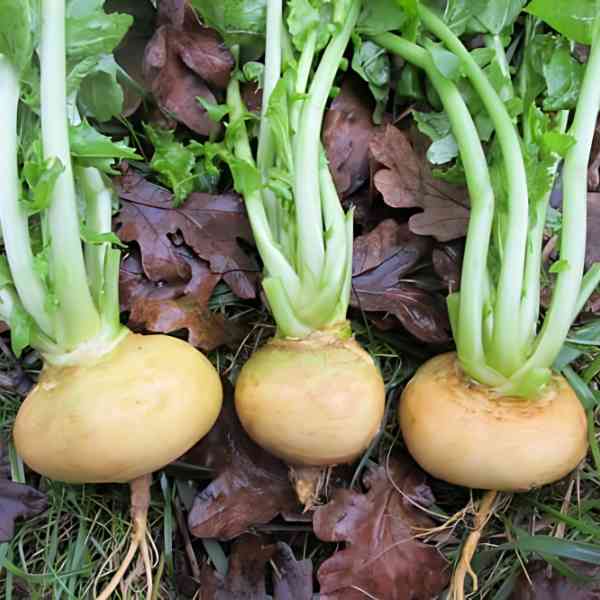
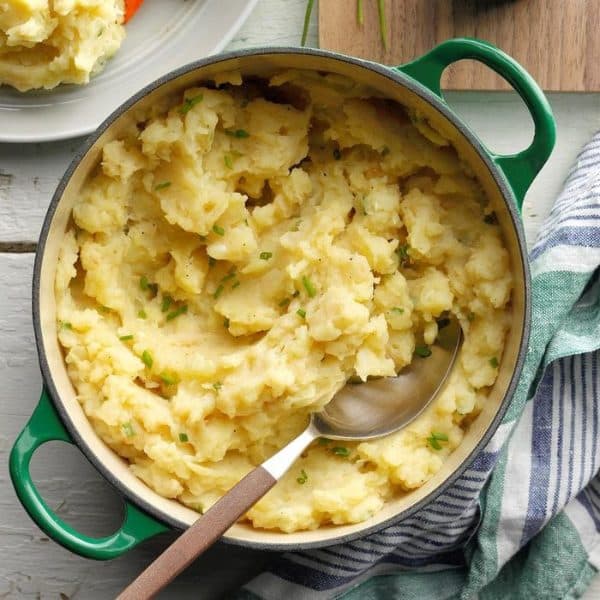
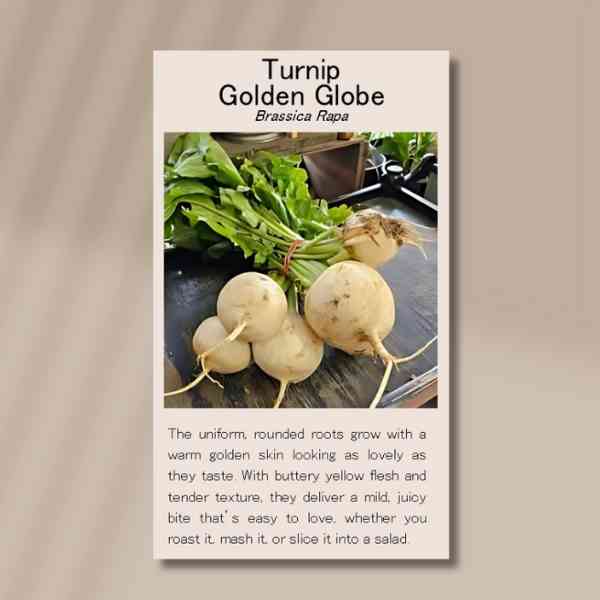
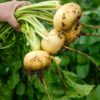
Turnip Golden Globe is an old-fashioned variety that outshines its more common cousins. With its buttery yellow flesh, tender texture, it delivers a mild, juicy bite that’s easy to love, whether you roast it, mash it, or slice it raw into a salad.
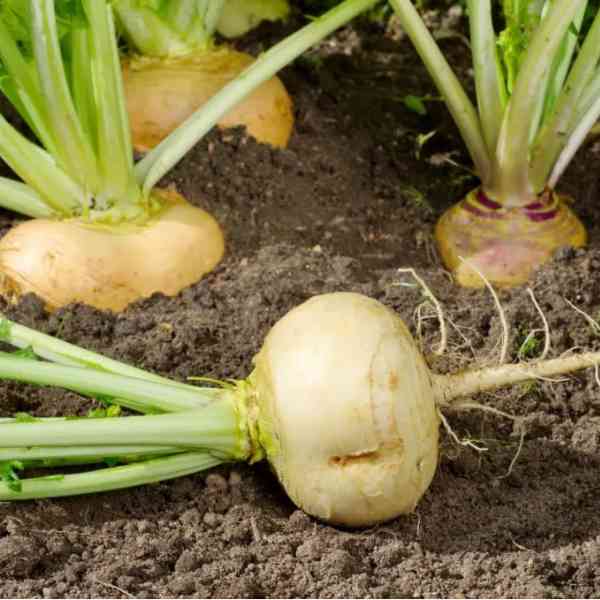
You’ll find it popping up in historical seed catalogues from the late 1800s, and not without reason. It’s dependable, generous, and downright good-looking. The uniform, rounded roots grow with a warm golden skin and a firm, creamy-yellow interior—so they look as lovely as they taste.
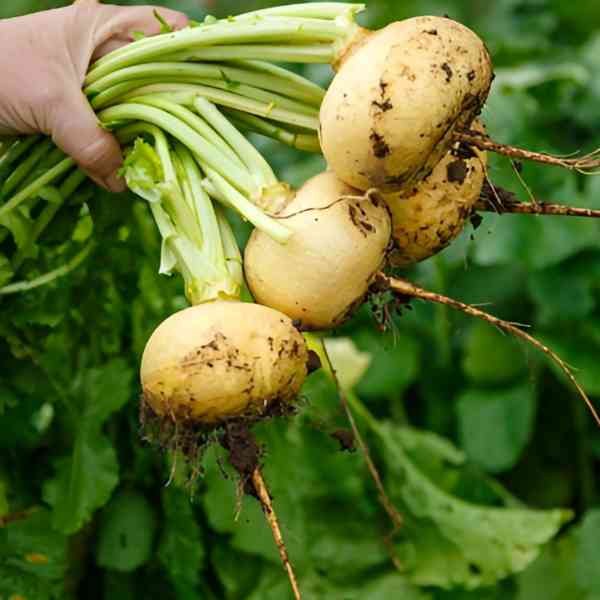
In the home garden, the plants are relatively quick to mature, needing just 7 to 8 weeks for mini-turnips, and about 10 to 12 weeks for fully mature roots. You’ll notice they size up into neat, tennis-ball-shaped bulbs that are perfect for slicing into rounds or quarters. And if you harvest them at their prime, you’ll be rewarded with a root that’s sweet, smooth, and beautifully textured.
Very versatility in the kitchen, you’ll want them on hand for hearty autumn meals, slow-cooked stews, and roasted winter trays. But they also hold their own in lighter fare such as grated fresh into slaws, or lightly steamed and tossed through butter with a sprinkle of salt and herbs.
When harvested at the right stage and stored properly, these roots hold their freshness for weeks, sometimes months. This makes them ideal for gardeners who like to grow a reliable food supply over the cooler months, especially handy if you’re trying to reduce supermarket visits or eat more seasonally. Once cured and stored in a cool spot, you can rely on them through winter as a sweet, nutritious standby.
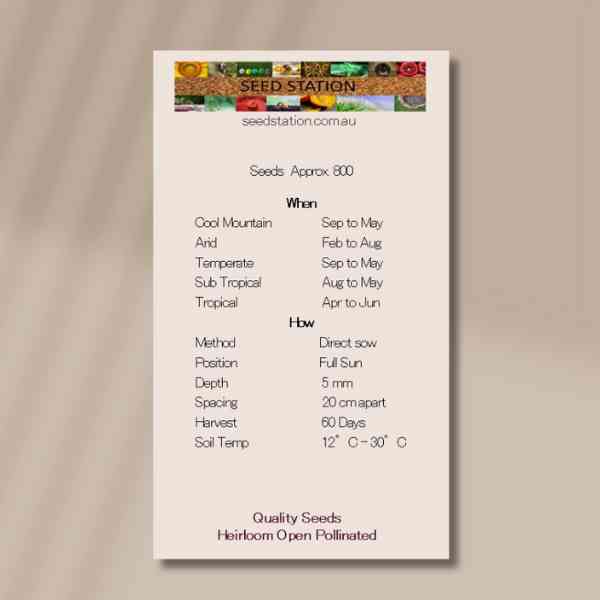
| Method: Sow direct or seedlings | Soil Temp: 12°C - 30°C |
| Cool Mountain: Sep - May | Position: Full sun |
| Arid: Feb - Aug | Row Spacing: 20cm apart |
| Temperate: Sep - May | Planting Depth: 5mm |
| Sub Tropical: Aug - May | Harvest: 60 Days |
| Tropical: Apr - Jun | Plant Height: 20cm |
🌼 Sowing Turnips – Trays vs. Direct in the Ground
Turnips really shine when direct-sown into the garden. These root crops don’t take kindly to transplanting. Their taproots start forming soon after germination, and disturbing them can lead to misshapen roots or stunted growth.
That said, you can raise seedlings in trays if you’re determined or working with limited space (like balcony planters), but do so in deep cells and transplant them gently before the second true leaf stage to avoid root damage.
✍️ Best Practice?
Direct sowing is ideal. Sow directly into well-prepared beds or containers where they’ll grow to maturity. If raising seedlings, transplant early and carefully.
🧪 Seed Pre-Treatment – Is It Necessary?
No special treatment is needed for turnip seeds. They germinate readily in cool, moist soil conditions—usually within 5 to 10 days. If your soil is a bit on the dry side, soaking seeds in water for 4–6 hours before planting can encourage quicker germination, but it’s not essential.
🌞 Soil Preparation and Garden Position
Turnips thrive in light, well-draining soil with a neutral pH around 6.0–7.0. Sandy loam is ideal. You’ll want to avoid heavy clay or compacted soil, as it can hinder root development and result in stubby or forked turnips.
🌿 Soil Tips:
- Add plenty of organic matter like compost or well-rotted manure.
- Avoid fresh manure or high-nitrogen fertilisers—they’ll give you big leafy tops and small roots.
- Rake the soil fine and level before sowing. Remove rocks or debris that might obstruct root growth.
🌤️ Position:
Turnips need full sun to grow best—at least 6 hours a day. Partial shade is okay, especially in warmer climates, but expect slower root development.
🛠️ Care and Maintenance
Turnips are wonderfully unfussy. Here’s how to keep them happy from sowing to harvest:
🌧️ Watering:
Consistent moisture is key. Letting them dry out can cause the roots to become woody or split. Aim for regular, even watering, especially during dry spells. Mulch helps retain soil moisture and suppress weeds.
🌱 Thinning:
This is crucial! Once seedlings have emerged and developed their first true leaves, thin them to 10–15cm apart. Crowded plants will produce small or distorted roots.
🌾 Feeding:
In good soil, turnips won’t need much feeding. If growth is slow, use a light liquid feed like seaweed solution, but don’t overdo it.
🧹 Weeding:
Weed regularly to avoid competition for nutrients and water. Shallow cultivation is best—don’t disturb those roots!
🌻 Companion Planting Guide
Turnips are lovely team players in the garden. They mingle well with a range of plants and can even help deter pests in companion combinations.
| Companion | Benefit |
|---|---|
| Peas and Beans | Fix nitrogen in the soil, boosting leafy growth. |
| Onions, Garlic, Chives | Repel aphids and root maggots. |
| Mint (nearby in pots) | Helps deter flea beetles. |
| Marigolds | General pest deterrent. |
| Lettuce and Spinach | Good intercrop—different root zones, same season. |
🚫 Avoid planting near potatoes or other root crops like carrots—they’ll compete for underground space and nutrients.
🧺 Harvesting
Most turnip varieties are ready to harvest 40–70 days after sowing, depending on the cultivar. The trick is to harvest while young and tender—roughly golf ball to tennis ball size.
If you’re after turnip greens, start picking young leaves when they’re around 10–15cm long. You can harvest the outer leaves and let the inner ones keep growing.
👉 Don’t wait too long—older turnips can become woody, especially in hot or dry conditions.
🐛 Common Issues and Fixes
Here’s a quick reference table to help diagnose and treat common turnip problems:
| Problem | Likely Cause | Fix |
|---|---|---|
| Small or stunted roots | Overcrowding or poor soil | Thin seedlings properly and enrich soil with compost. |
| Root maggots | Cabbage fly larvae | Use row covers and avoid planting in the same spot each year. |
| Flea beetles | Tiny black holes in leaves | Use neem spray, interplant with strong-scented herbs. |
| Bolting | Hot weather or irregular watering | Sow in cooler months and keep soil evenly moist. |
| Cracked roots | Inconsistent watering | Maintain even soil moisture; mulch to buffer swings. |
🌼 Seed Saving Guide for Turnips
If you’d like to save your own seed (how good is that feeling?!), you’ll need to let some plants go to flower and seed. Turnips are biennial, meaning they flower in their second year. But in parts of Australia with mild winters, they may bolt in their first year.
How to Save Turnip Seeds:
- Select the best plants: Choose healthy, true-to-type plants with desirable root shape and colour. Avoid saving seed from any that were stressed, woody, or bolted early.
- Overwinter (or let bolt): In cooler areas, let the turnips overwinter and go to seed the following spring. In warmer zones, some may flower in late summer if left long enough.
- Isolation: Turnips are cross-pollinated by insects and will readily cross with other Brassica rapa species (like Chinese cabbage or bok choy). Isolate by at least 1km if you want pure seed.
- Harvesting seed: Let the seed pods dry on the plant. Once brown and brittle, cut entire stalks and place in a paper bag or sack. Hang to dry further.
- Threshing and cleaning: Rub seed pods gently to release the seeds. Winnow or sieve to remove chaff.
- Storage: Keep seeds in a cool, dry, dark place. Label with variety and date. Stored well, turnip seeds will last up to 4 years.
🌿 Final Thoughts
Turnips are often overlooked in modern gardens, but they’ve more than earned their place. Whether you’re growing them for quick, sweet roots in spring or autumn, using their lush greens in the kitchen, or saving seed to close the loop on your gardening cycle, these humble little brassicas can be both rewarding and reliable.
They don’t need fancy treatment—just good soil, regular care, and a watchful eye. Perfect for beginner gardeners, ideal for succession sowing, and beautiful in their own old-world way.
So if you haven’t already, add turnips to your seed list this season. They’ll surprise you with just how much they give back. 💛
Postage Charge
Orders under $35 attract a $4.95 shipping charge. Orders $35 and above have free shipping.
Order Times
Seed orders are normally dispatched within three business days. You will receive an email when seeds are mailed out.
Postage Days
Seeds are mailed out Tuesday to Friday at 1pm. Except for the Friday of long weekends.
Postage Times
WA 2-3 Days: SA,NT 3-5 Days: NSW, ACT, QLD, VIC: 5-7 Days
Carrier
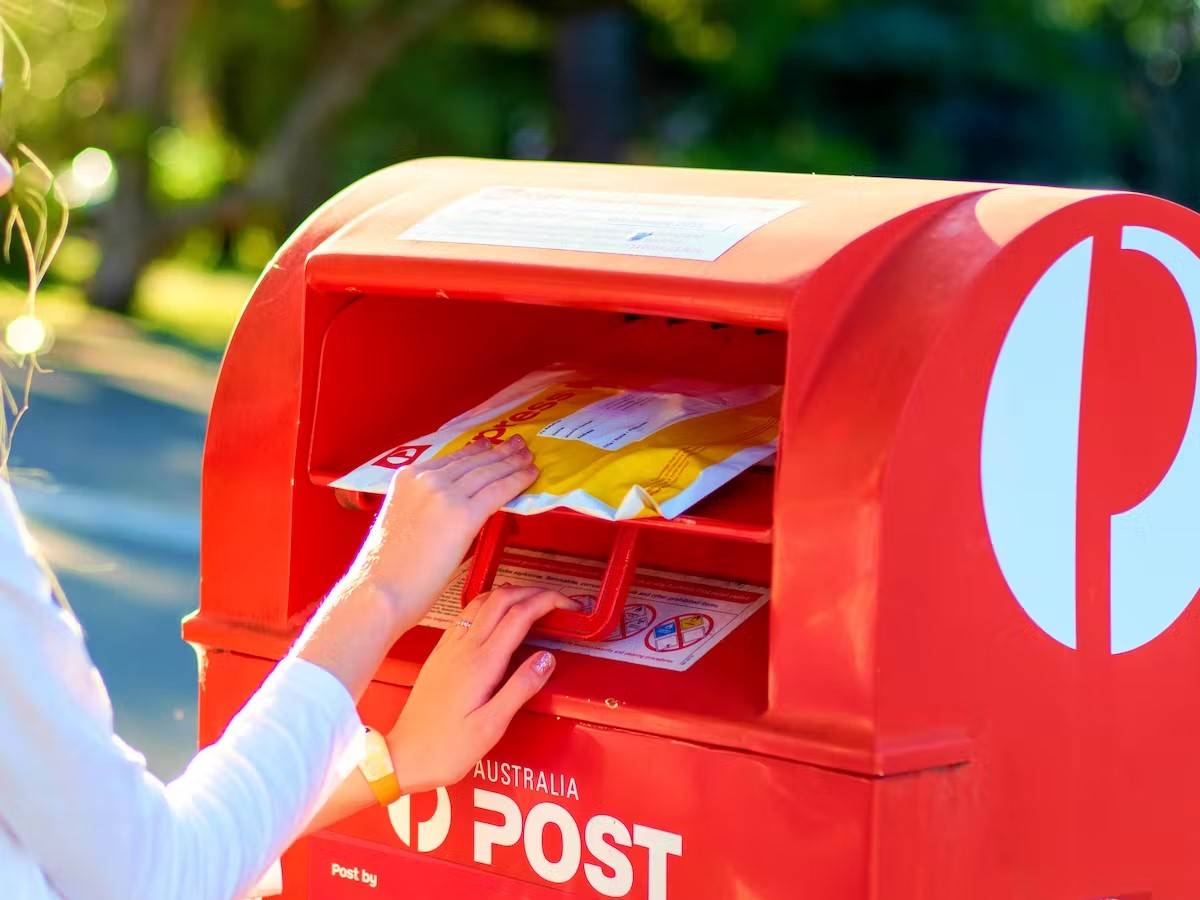
We use Australia Post Letter Postage for the majority of orders
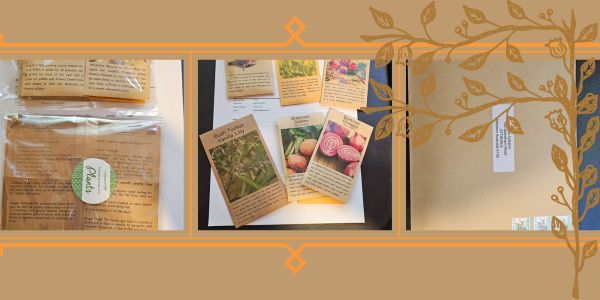
Not only are our seeds packed in recycled paper envelopes, we keep the theme going when we post out website orders. To protect your seeds from moisture and the letter box munchers (snails), we use a very special plastic free material made from plants. They are then put into recycled mailing envelopes. Green all the way 💚🌿
Delivery Guarantee
We take great care to make sure your seeds arrive safely. If your order is lost or damaged in transit, we’ll happily send a replacement. Unfortunately, we can’t replace or refund orders that arrive later than the estimated delivery date, as delays can sometimes occur that are outside our control.
Please note that all dispatch and delivery times listed are estimates only. While we do our best to post promptly, delivery timeframes can vary due to postal service delays, weather events, or other unforeseen circumstances. We’re unable to take responsibility for any loss, damage, or cost that results from a late delivery.
An order is not considered missing until at least 20 business days have passed from the postage date. You’ll receive an email once your seeds have been posted, letting you know they’re on their way. If you don’t see it in your main inbox, please check your Spam or Promotions folders as sometimes our emails like to hide there.
Reviews
There are no reviews yet