





Tomato Cherry Roma
$4.95
Lycopersicon Esculentum
- Seed Count 40
- Plum Shaped Fruits
- Annual
In stock
Description
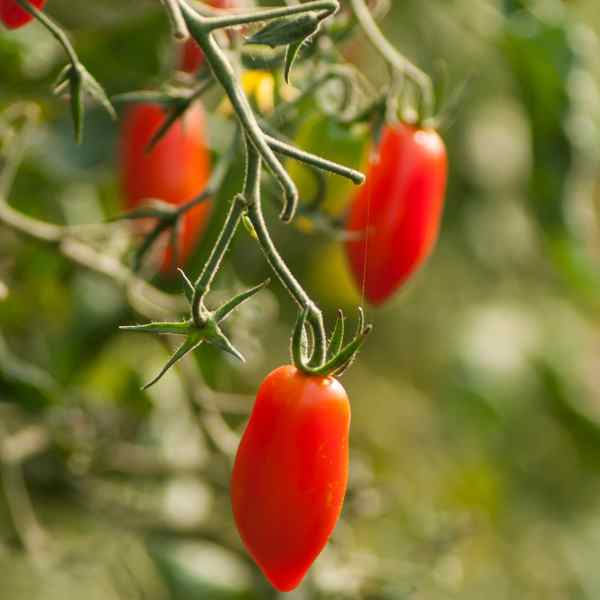
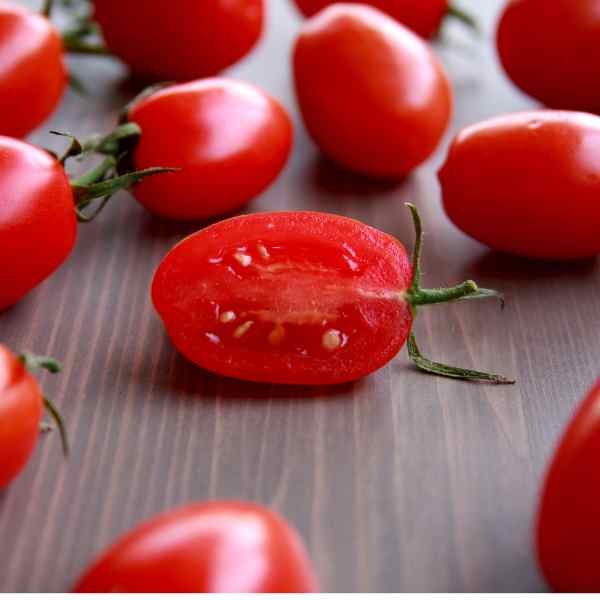
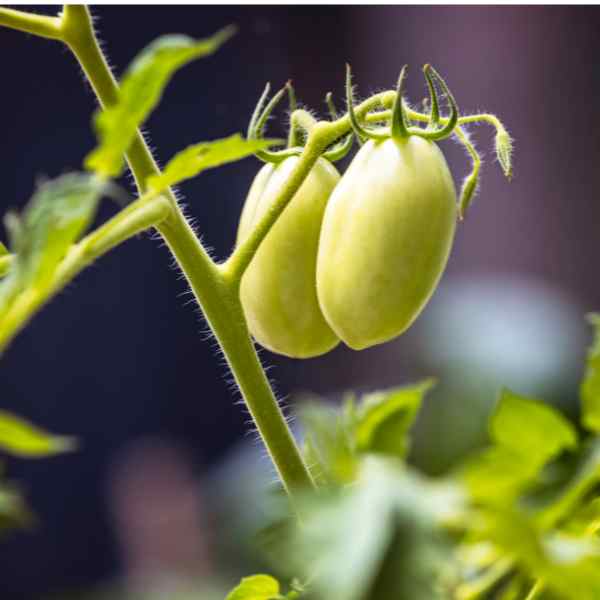
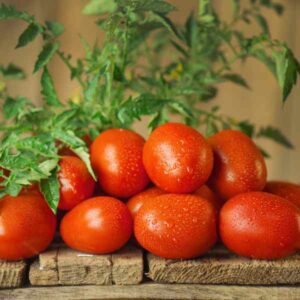
What makes the Cherry Roma such a standout is the balance it strikes between sweetness and that traditional tomato tang. The flavour is often described as sweet and spicy, though not in the sense of heat, more that it carries a lively, full-bodied taste that deepens as the fruit ripens. Each fruit is about 2.5 cm long and shaped like a tiny plum, with a smooth skin that resists cracking and holds its form beautifully even when left on the vine.
Many gardeners find themselves planting Cherry Roma for practical reasons too. The fruits hold well on the plant and even after picking, staying firm and full of flavour longer than many other small-fruited varieties. This means you can harvest at your own pace, rather than rushing to pick them all at once. They also keep well on the kitchen bench, making them perfect for families or anyone who enjoys a handful of tomatoes each day without the worry of them turning soft before you’ve had a chance to use them.
Tomato Cherry Roma is an indeterminate, or climbing, variety, which means it doesn’t stop growing after setting fruit the way bush (determinate) tomatoes do. Instead, it keeps reaching upwards and outwards, setting new flowers and fruit over an extended period. It’s a vigorous grower, capable of producing fruit right through the warm months if conditions are right. Because of this climbing habit, staking or trellising is essential, not just to keep the plant tidy, but also to give the fruit good airflow and sun exposure.
In the kitchen, Cherry Roma is wonderfully versatile. Fresh off the vine, they make an easy snack, their size and shape ideal for tossing into salads, lunchboxes or skewers for the barbecue. They bring colour and sweetness to pasta dishes, pizzas and bruschetta, and because of their rich flavour, you can cook them down into a quick sauce or roast them to intensify their natural sugars
This is a tomato that rewards good soil and steady attention, and once established, it becomes one of the garden’s most productive climbers. In a mixed vegetable patch, it pairs well with basil, marigolds and parsley, both for flavour and for natural pest balance.
Related Articles
| Method: Raise seedlings | Soil Temp: 16°C - 35°C |
| Cool Mountain: Oct - Dec | Position: Full sun |
| Arid: Aug - Mar | Row Spacing: 50cm |
| Temperate: Aug - Dec | Planting Depth: 3mm |
| Sub Tropical: Aug - Jan | Harvest: 80 Days |
| Tropical: May - Jul | Plant Height: 2m |
A hands-in-the-dirt guide to sowing, growing, harvesting and saving heirloom tomato seeds.
🌱 Starting from Seed: Trays vs. Direct Sowing
Let’s start with the seed—the heart of the plant. In most parts of Australia, sowing tomatoes directly into garden beds isn’t ideal, especially early in the season. That’s because tomatoes love warm soil—at least 16–18°C for germination, ideally up to 24°C. Anything colder, and they’ll sulk.
Sowing in Trays (Recommended)
Starting in seedling trays or punnets gives you a head start while the soil is still warming up outside.
- When to sow:
- Temperate & Arid Zones: August–October
- Subtropical: July–September
- Cool Mountain: September–November (wait until frosts are done)
- Tropical: April–June (best before the wet season)
- Depth & spacing: Sow seeds 5mm deep, with a few centimetres between seeds.
- Warmth helps germination—a sunny windowsill or a heat mat will speed things along. Expect sprouting within 5–10 days.
Once the seedlings have two sets of true leaves, they’re ready to be potted up or hardened off for planting outdoors.
Direct Sowing (Only in Warm Climates)
In warmer, frost-free zones, you can sow directly once night-time temps are consistently above 12°C. But do keep an eye on pests—snails and slugs love tender new growth.
🌾 Is Pre-Treatment Needed?
Tomato seeds don’t need any fancy treatment—no stratifying, scarifying or soaking necessary. Just fresh seed, good drainage, and consistent moisture are all they need to get going.
🌞 Soil & Position
Tomatoes are sun-lovers—at least 6–8 hours of full sun per day is best.
Soil Preparation:
- Rich, free-draining soil is a must.
- Add well-rotted compost, aged manure, and a sprinkle of blood and bone or organic tomato fertiliser.
- Tomatoes like slightly acidic to neutral pH—6.0–7.0 is ideal.
Rotate crops yearly to prevent soil-borne diseases. Don’t follow tomatoes with other nightshades (like eggplant, capsicum or potatoes).
🪴 Determinate vs. Indeterminate Tomatoes
Understanding growth habits makes a big difference in how you care for your tomatoes.
Determinate (Bush Type):
- Compact, self-limiting plants.
- Set fruit all at once, then stop growing.
- Great for containers, small gardens, and preserving harvests.
- No pruning required, minimal staking.
✨ Varieties like ‘Roma’ and ‘Cherokee Purple’ fall into this category.
Indeterminate (Vine Type):
- Keep growing and producing over many weeks.
- Require staking, cages, or trellising for support.
- Regular side-shoot pruning improves airflow and yield.
- Ideal for long harvesting periods.
🌿 Heirlooms like ‘Brandywine’, ‘Black Krim’, and ‘Tommy Toe’ are indeterminate.
🌿 Care & Maintenance
Once planted, tomatoes are generous growers, but they’ll thrive with a little TLC:
- Water deeply at the base (not over the leaves) to encourage deep roots.
- Mulch with straw or lucerne to retain moisture and protect the soil.
- Apply liquid feed (like seaweed or fish emulsion) every 2–3 weeks.
- Prune lower leaves and remove suckers on indeterminate types.
- Keep your eye out for overcrowding—good airflow prevents fungal issues.
🌼 Companion Planting Guide
Tomatoes are sociable in the garden, and love the right neighbours:
| Companion | Benefit |
|---|---|
| Basil | Improves flavour and deters whitefly |
| Marigold | Repels nematodes and aphids |
| Chives & Onion | Deter pests like aphids |
| Carrot | Uses different root space |
| Lettuce & Spinach | Shade-loving underplanting |
🚫 Avoid planting with corn (attracts same pests), fennel (inhibits growth), and potatoes (shared disease risks).
🍅 Harvesting Tomatoes
Tomatoes are ready to harvest when:
- They’ve fully coloured up (depending on the variety)
- They come away from the vine with a gentle twist
- They feel firm but slightly soft to touch
Pick in the cool of the morning, and leave them to finish ripening on the kitchen bench—not the fridge!
🍅 Most varieties are ready to harvest 10–14 weeks after transplanting.
🐛 Common Issues & Quick Fixes
| Problem | Cause | Fix |
|---|---|---|
| Blossom end rot | Calcium deficiency, inconsistent watering | Mulch, water regularly, use dolomite lime if needed |
| Powdery mildew | Fungal infection | Improve airflow, spray with milk or bicarb solution |
| Aphids | Sap-sucking pests | Blast off with water, introduce ladybugs |
| Leaf curl | Environmental stress or viruses | Water consistently, avoid herbicide drift |
| Fruit splitting | Sudden rain or overwatering | Mulch and harvest ripe fruit promptly |
| Hornworms or caterpillars | Chewing pests | Hand-pick or use Bacillus thuringiensis spray |
🌱 Seed Saving Guide
Saving your own tomato seed is incredibly satisfying—and very do-able!
Step-by-Step:
- Choose open-pollinated or heirloom varieties.
Avoid hybrids—they won’t grow true to type. - Pick the healthiest, ripest fruit from strong plants.
- Scoop the seeds (with gel) into a jar.
- Add a little water and leave to ferment for 2–4 days.
This mimics the natural rotting process and removes germination-inhibiting gel. - Rinse seeds in a fine sieve, spread on paper towel or mesh to dry.
- Store fully dried seeds in a labelled envelope or jar in a cool, dry place. They’ll last up to 5 years if stored well.
🌞 Final Thoughts
Growing tomatoes from seed might take a bit more patience up front, but it’s deeply rewarding. You get a jump on the season, access to rare heirloom varieties, and full control over how your food is grown.
Don’t stress if your first attempt isn’t perfect. Tomatoes are forgiving, and every season brings fresh lessons. Whether you go for a cherry-sized snacker or a big beefsteak beauty, there’s nothing quite like a homegrown tomato—warm from the sun, juicy, and bursting with flavour.
So go ahead and start those seeds—your future self (and your summer salads) will thank you.

Postage Charge
Orders under $35 attract a $4.95 shipping charge. Orders $35 and above have free shipping.
Order Times
Seed orders are normally dispatched within three business days. You will receive an email when seeds are mailed out.
Postage Days
Seeds are mailed out Tuesday to Friday at 1pm. Except for the Friday of long weekends.
Postage Times
WA 2-3 Days: SA,NT 3-5 Days: NSW, ACT, QLD, VIC: 5-7 Days
Carrier
We use Australia Post Letter Postage for the majority of orders
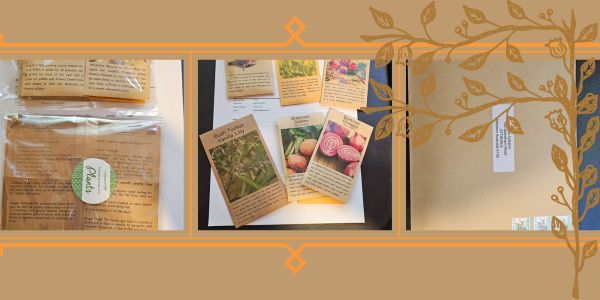
Not only are our seeds packed in recycled paper envelopes, we keep the theme going when we post out website orders. To protect your seeds from moisture and the letter box munchers (snails), we use a very special plastic free material made from plants. They are then put into recycled mailing envelopes. Green all the way 💚🌿
Delivery Guarantee
We take great care to make sure your seeds arrive safely. If your order is lost or damaged in transit, we’ll happily send a replacement. Unfortunately, we can’t replace or refund orders that arrive later than the estimated delivery date, as delays can sometimes occur that are outside our control.
Please note that all dispatch and delivery times listed are estimates only. While we do our best to post promptly, delivery timeframes can vary due to postal service delays, weather events, or other unforeseen circumstances. We’re unable to take responsibility for any loss, damage, or cost that results from a late delivery.
An order is not considered missing until at least 20 business days have passed from the postage date. You’ll receive an email once your seeds have been posted, letting you know they’re on their way. If you don’t see it in your main inbox, please check your Spam or Promotions folders as sometimes our emails like to hide there.
Reviews
There are no reviews yet