








Thyme Wild
$4.95
Thymus Serpyllum
- Seed count 500
- Mauve Flowers
- Perennial
Out of stock
Email when stock available
Description
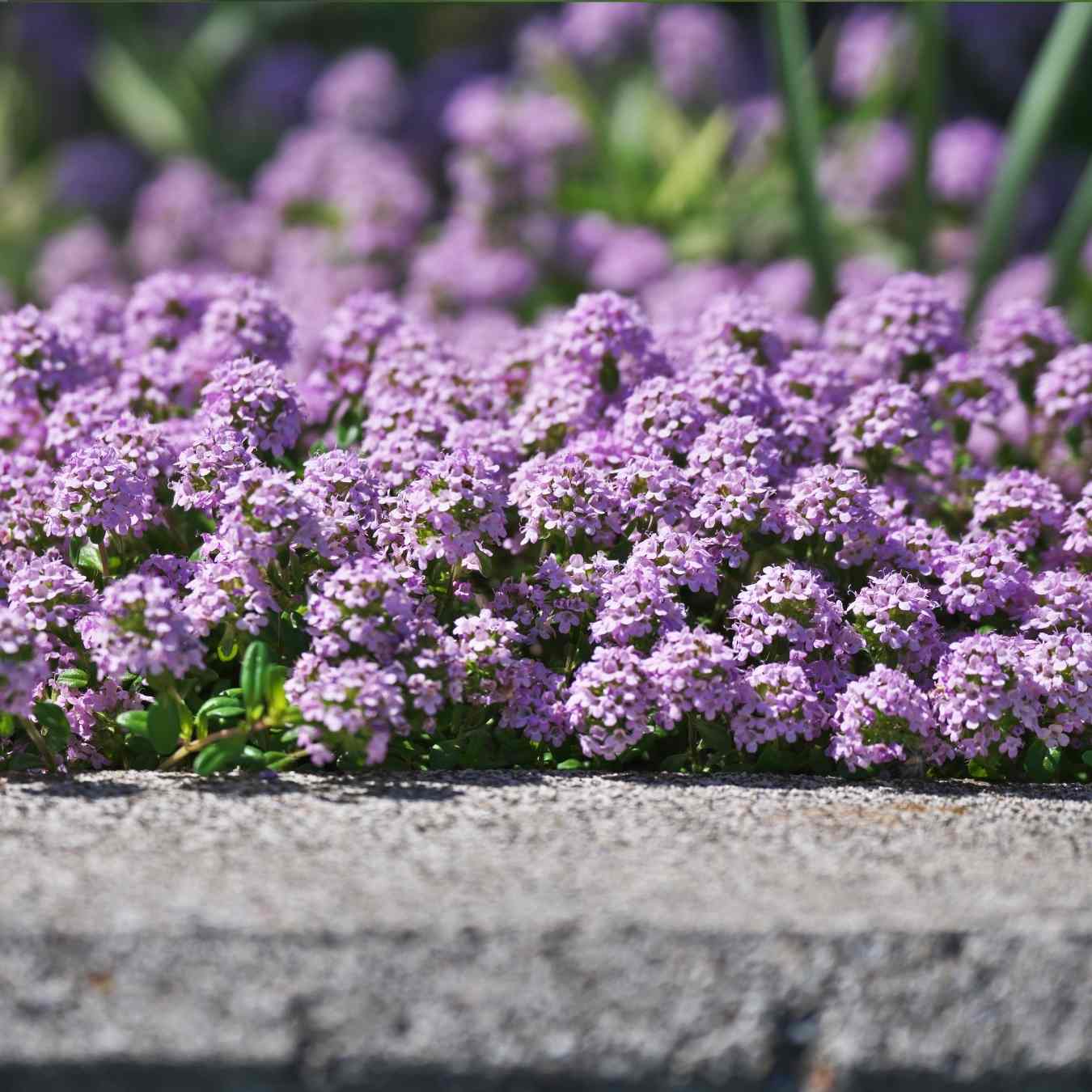
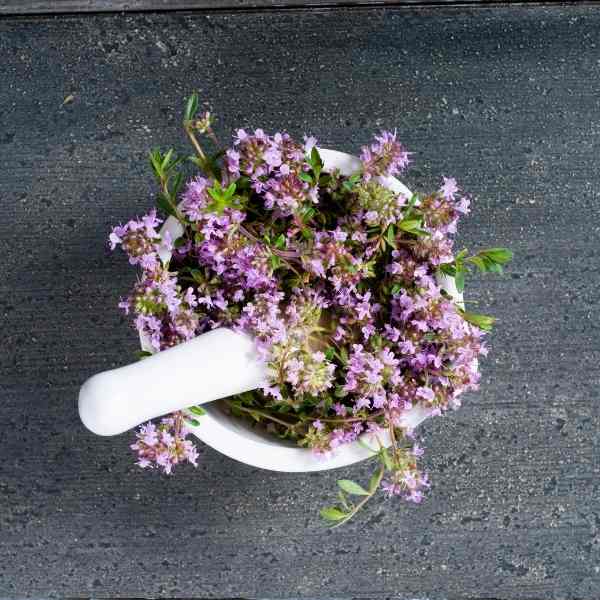
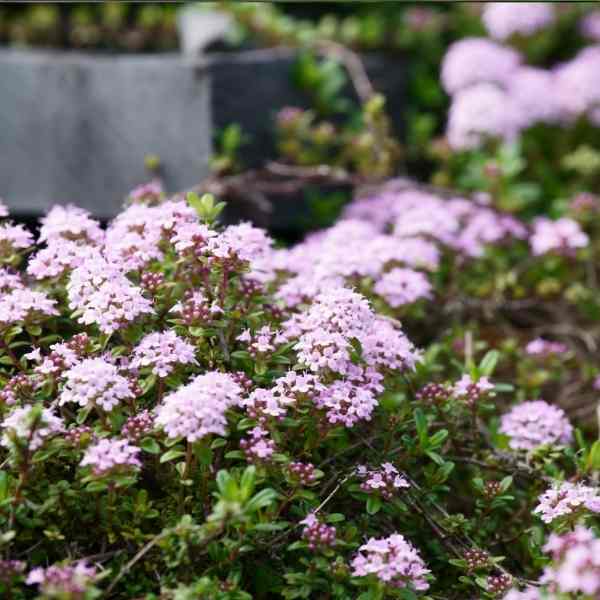
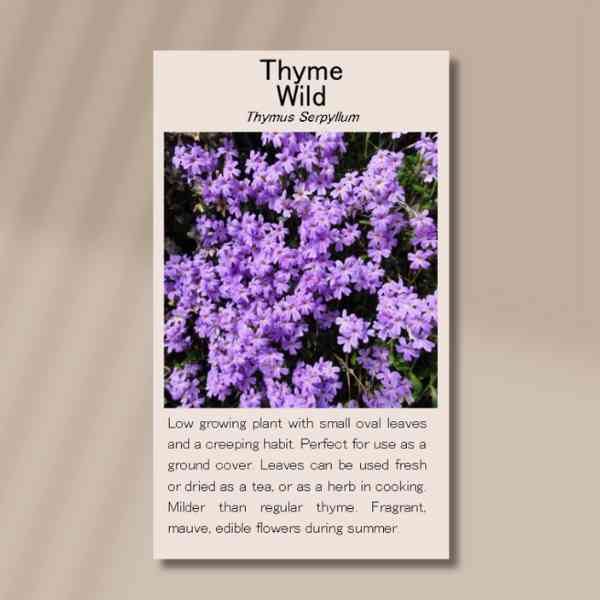
One of the best low growing ground covers, forming evergreen dense cushions where the stems creep along the ground rather than rise vertically. Blooming from November through to May with prolific clusters of flowers in shades of mauve. Leaves can be used fresh or dried as a tea, or as an herb in cooking. Milder than regular thyme with fragrant, edible flowers during summer.
There are very few ground covers that can be walked-on, but creeping thyme is one of them. It is suitable as a lawn substitute in small areas, an ideal ground cover to use between stepping-stones or near to patios and walkways. Hardy with good drought tolerance, these low maintenance plants don’t require mowing, watering or care, and can take a lot of abuse. When you step on them, they emit a lovely fragrance.
Because of its low growth habit this diminutive Thyme can be used effectively in the foreground of just about any planting in the landscape. It can be used in borders where it is an excellent ground cover between taller plants. It is especially popular to use in spots where the plants can cascade over a rockery or wall. It is an easy plant to maintain, does not tend to take-over and can easily be confined to a specific area. It tolerates many soil types, including heavy clay. Its leaves can be used as a culinary herb and the flowers are very attractive to bees and butterflies. A versatile, low maintenance groundcover, its uses in the garden are almost unlimited.
| Method: Start in Trays | Soil Temp: 15°C - 25°C |
| Cool Mountain: Sep - Nov | Position: Full sun |
| Arid: May - Jul | Row Spacing: 30 cm |
| Temperate: Aug - Nov | Planting Depth: 3 mm |
| Sub Tropical: Jul - Nov | Harvest: 90 Days |
| Tropical: Jul - Aug | Plant Height: 30 cm |
🌿 Sowing Thyme Seeds: Trays vs. Direct Sowing
Starting in Trays
Starting thyme in seed trays is a great option, especially if you want more control over germination and early growth. Use a seed-raising mix or a fine, well-draining potting mix. Sow seeds thinly on the surface—thyme seeds need light to germinate, so don’t cover them with soil. Keep the tray in a warm, bright spot but out of direct midday sun. A consistent moisture level (not soggy!) is key. Germination can be slow, taking up to 2-3 weeks, so patience is your best gardening friend here.
Starting in trays also allows you to protect delicate seedlings from harsh conditions early on and transplant them to your garden or pots once they’re stronger, usually when they have 3-4 true leaves.
Direct Sowing
Direct sowing thyme seeds in your garden is possible but can be trickier due to slow germination and competition from weeds. Choose a well-prepared, sunny spot with well-draining soil. Scatter seeds on the soil surface and press lightly without covering them deeply. Water gently but thoroughly. Keep the soil moist until seedlings appear. This method is more natural and less labor-intensive but requires patience and a bit more care with watering and weed control.
💧 Seed Pre-Treatment
Thyme seeds generally don’t require complex pre-treatment. However, soaking the seeds in warm water for 24 hours before sowing can help soften the seed coat and improve germination rates. Just be sure to drain them well before sowing.
🌞 Soil and Position
Thyme loves:
- Soil: Light, sandy or loamy soil with excellent drainage. Thyme hates soggy roots, so avoid heavy clay soils or improve drainage with organic matter and coarse sand.
- pH: Neutral to slightly alkaline (pH 6.0–8.0) is ideal.
- Position: Full sun for at least 6-8 hours a day. Thyme thrives in warm, sunny spots and will be less vigorous in shade or cold, damp areas.
✂️ Care and Maintenance
- Watering: Thyme is drought tolerant once established. Water young plants regularly but allow the soil to dry out between watering. Overwatering is the most common cause of failure.
- Feeding: Thyme is a light feeder. Compost worked into the soil at planting is usually enough. Avoid nitrogen-rich fertilizers as these promote leafy growth but reduce the essential oils (flavour and fragrance).
- Pruning: Regularly pinch back the growing tips once plants are established to encourage bushy growth and prevent woody stems.
- Mulching: Use a light mulch to retain moisture but keep it away from the base of the plant to avoid rot.
🌸 Companion Planting Guide
Thyme plays well with many herbs and veggies:
- Good companions: Cabbage family (broccoli, kale, cabbage), tomatoes, eggplants, rosemary, sage, oregano.
- Benefits: Thyme repels cabbage moths and other pests, making it a natural protector in vegetable gardens.
- Avoid planting near: Fennel, which can inhibit thyme growth.
✂️ Harvesting Thyme
You can start harvesting once the plant reaches about 10 cm in height:
- Cut stems just above a pair of leaves.
- Harvest in the morning after the dew has dried for best flavour.
- Avoid cutting more than one-third of the plant at a time to keep it healthy.
⚠️ Common Issues and Fixes
| Issue | Symptoms | Cause | Fix/Management |
|---|---|---|---|
| Poor germination | Few or no seedlings | Old seeds, too cold, overwatering | Use fresh seeds, soak seeds, keep warmth steady, avoid soggy soil |
| Root rot | Yellowing, wilting, soft base | Overwatering, poor drainage | Improve drainage, reduce watering, remove affected plants |
| Woody stems | Hard, thin growth | Lack of pruning | Regularly pinch back tips to encourage bushiness |
| Aphids | Sticky leaves, curling, clusters | Pest infestation | Spray with water, use insecticidal soap, attract ladybugs |
| Powdery mildew | White powdery spots on leaves | Humidity, poor air circulation | Improve airflow, avoid overhead watering, use fungicides if needed |
🌾 Seed Saving Guide
Saving thyme seeds can be a delightful way to keep your herb garden going year after year:
- Allow flowering: Let some thyme plants flower and go to seed naturally.
- Harvest seeds: Once flower heads dry on the plant and start turning brown, carefully cut them off.
- Dry seeds: Spread flower heads on a tray indoors in a dry, airy place to finish drying.
- Extract seeds: Once fully dry, crumble the flower heads to release tiny seeds.
- Clean seeds: Remove chaff by gently blowing or sieving.
- Store seeds: Keep seeds in a cool, dry, airtight container away from direct light. Label with the date.
- Shelf life: Thyme seeds can remain viable for up to 3 years if stored well.
🌟 Final Thoughts
Thyme is a beautiful, resilient herb that rewards patience and gentle care. Starting from seed may take a little longer compared to buying seedlings, but watching those tiny seeds grow into a fragrant, bushy plant is incredibly satisfying. Whether you start your thyme in seed trays or direct sow it, the key is consistent moisture without drowning and plenty of sunshine.
Thyme’s natural pest-repellent qualities make it a valuable friend in any garden, and its evergreen leaves mean fresh flavour at your fingertips all year round. Don’t be afraid to experiment with companion planting to maximize your garden’s health and productivity.
Remember, every garden has its quirks—some thyme varieties will love your spot more than others, and that’s okay! With time, you’ll find your thyme groove.
5 reviews for Thyme Wild
| 5 star | 80% | |
| 4 star | 20% | |
| 3 star | 0% | |
| 2 star | 0% | |
| 1 star | 0% |

Postage Charge
Orders under $35 attract a $4.95 shipping charge. Orders $35 and above have free shipping.
Order Times
Seed orders are normally dispatched within three business days. You will receive an email when seeds are mailed out.
Postage Days
Seeds are mailed out Tuesday to Friday at 1pm. Except for the Friday of long weekends.
Postage Times
WA 2-3 Days: SA,NT 3-5 Days: NSW, ACT, QLD, VIC: 5-7 Days
Carrier
We use Australia Post Letter Postage for the majority of orders
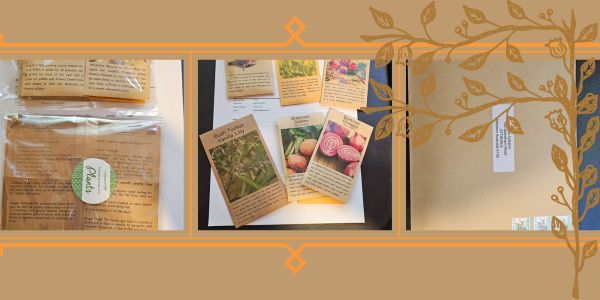
Not only are our seeds packed in recycled paper envelopes, we keep the theme going when we post out website orders. To protect your seeds from moisture and the letter box munchers (snails), we use a very special plastic free material made from plants. They are then put into recycled mailing envelopes. Green all the way 💚🌿
Delivery Guarantee
We take great care to make sure your seeds arrive safely. If your order is lost or damaged in transit, we’ll happily send a replacement. Unfortunately, we can’t replace or refund orders that arrive later than the estimated delivery date, as delays can sometimes occur that are outside our control.
Please note that all dispatch and delivery times listed are estimates only. While we do our best to post promptly, delivery timeframes can vary due to postal service delays, weather events, or other unforeseen circumstances. We’re unable to take responsibility for any loss, damage, or cost that results from a late delivery.
An order is not considered missing until at least 20 business days have passed from the postage date. You’ll receive an email once your seeds have been posted, letting you know they’re on their way. If you don’t see it in your main inbox, please check your Spam or Promotions folders as sometimes our emails like to hide there.
See all our verified customer reviews on our official CusRev profile.
See all our verified customer reviews on our official CusRev profile.
See all our verified customer reviews on our official CusRev profile.
See all our verified customer reviews on our official CusRev profile.
See all our verified customer reviews on our official CusRev profile.