

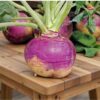


Swede Aspen
$4.95
Brassica oleracea var. capitata
- Seed count 200
- Sweet firm flesh good in soups and stews
- Biennial grown as an annual
In stock
Description
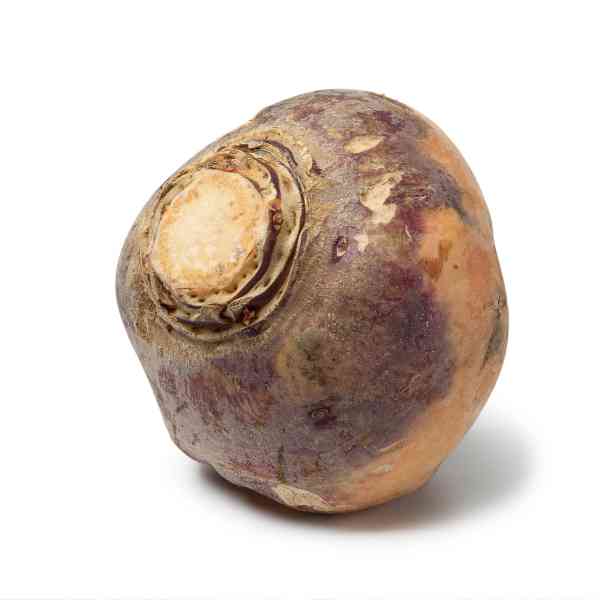
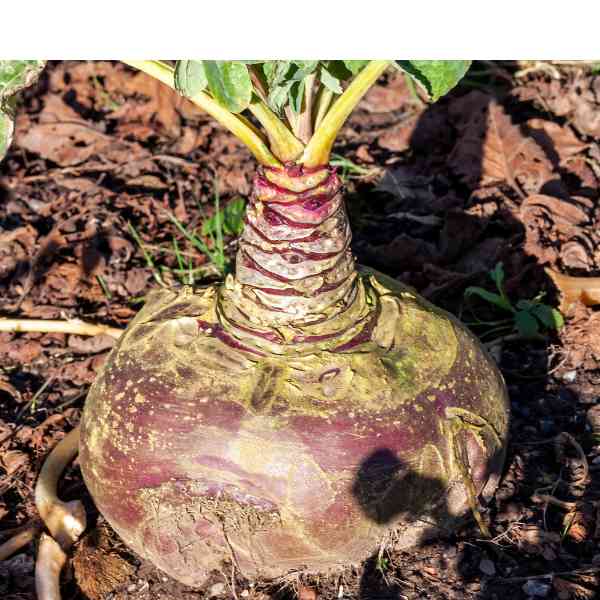
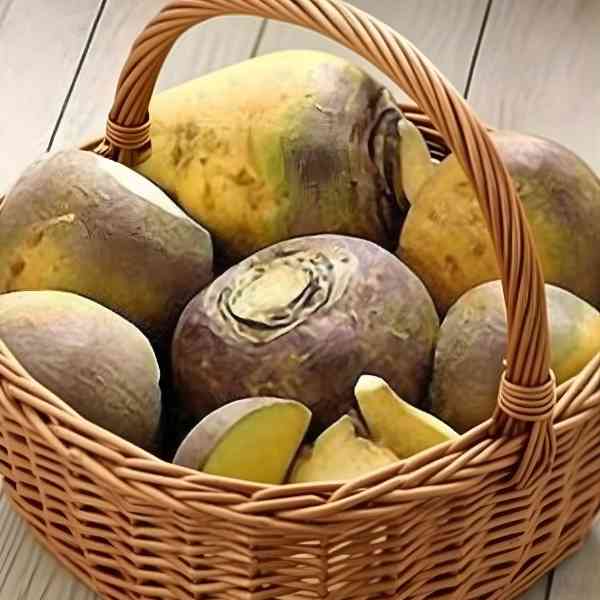
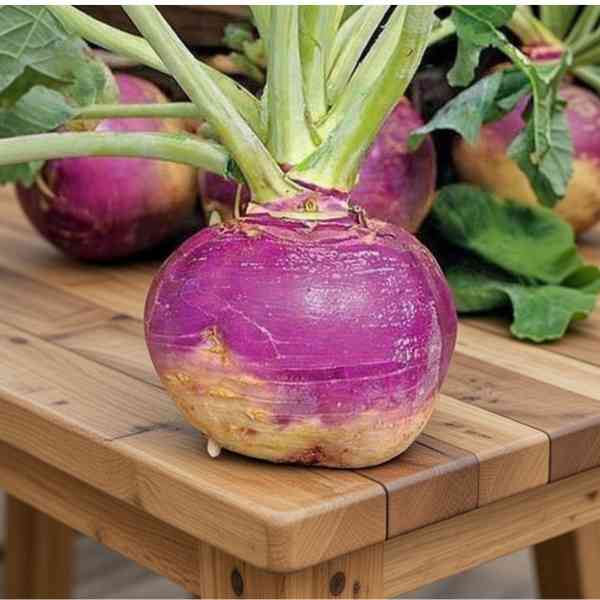
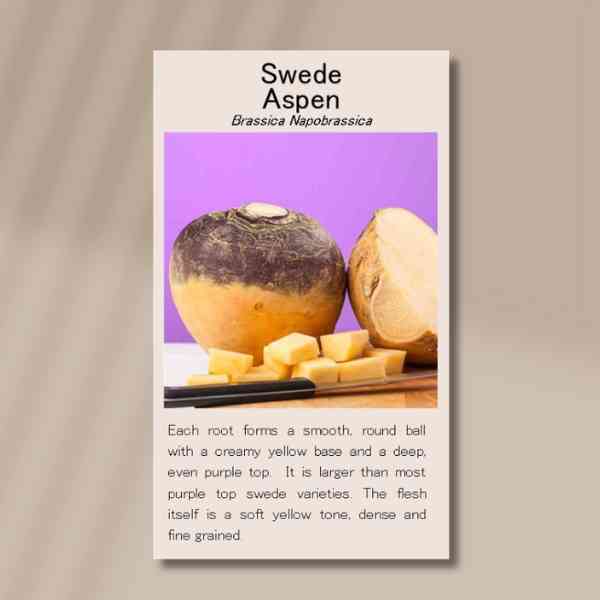
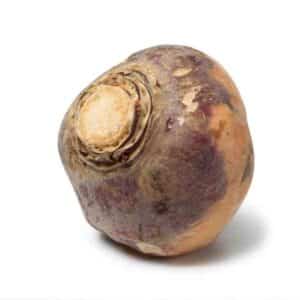
Swede Aspen is a globe shaped root vegetable that stands out for its uniformity and quality. Each root forms a smooth, round ball with a creamy yellow base and a deep, even purple top. It is larger than most purple top swede varieties, producing substantial roots that feel heavy in the hand. They are generous, full bodied roots that slice beautifully and hold their texture well in cooking. Their uniform shape makes them easy to prepare, and their smooth skin peels cleanly to reveal creamy coloured flesh inside.
The flesh itself is a soft yellow tone, dense and fine grained. When cut, it has that clean, earthy scent typical of brassicas, but with a subtle sweetness that hints at what is to come. Swede Aspen is known for its excellent sweet flavour, with a mild nuttiness in the background.
Roasted in chunks, it caramelises gently at the edges while staying tender within. Mashed, it produces a smooth, golden puree with a comforting, almost buttery character. Added to soups and stews, it absorbs surrounding flavours while contributing its own quiet richness.
Beyond the root, the plant produces strong blue green tops that can reach 40 centimeters or more. The foliage has that familiar brassica look, broad and slightly waxy, with a robust feel that speaks of a healthy plant. The tops are not just there to feed the root. They are edible and very nutritious in their own right.
Young swede leaves can be picked and used as a green in salads or lightly tossed through stir fries. They have a mild brassica flavour, similar to young turnip or kale leaves, with a gentle bite. Cooked briefly, they soften nicely and add a fresh, slightly peppery note to dishes.
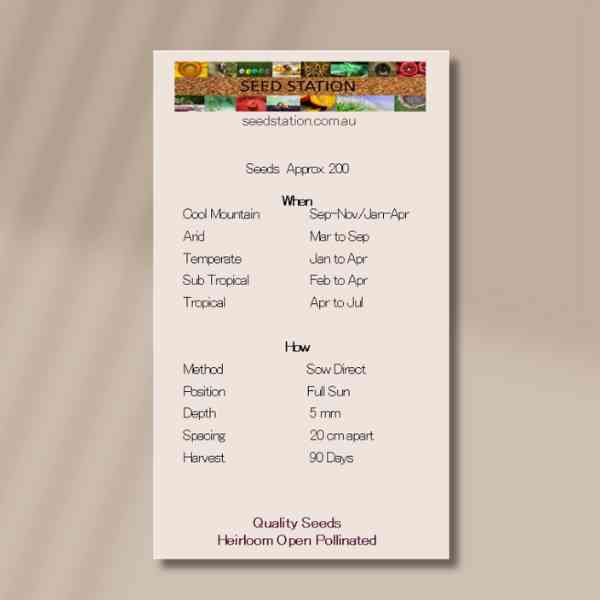
| Method: Sow direct | Soil Temp: 16°C - 30°C |
| Cool Mountain: Sep-Nov/Jan-Apr | Position: Full sun |
| Arid: Mar - Sep | Row Spacing: 20cm apart |
| Temperate: Jan - Apr | Planting Depth: 5mm |
| Sub Tropical: Feb - Apr | Harvest: 90 days |
| Tropical: Apr - Jul | Plant Height: 40cm |
🌱 Seed Pre Treatment
Good news first. Swede seed does not require any pre treatment.
No soaking. No chilling. No scarifying. Simply fresh seed and the right conditions will do the job beautifully. If you are using older seed, check the packet date and consider a quick germination test in a damp paper towel to avoid disappointment.
Swede seeds are small and round, typical of brassicas. Handle them gently and sow them evenly.
🌿 Sowing in Trays vs Direct Sowing
You can grow swede either way, but each method has its place.
🌾 Direct Sowing into the Garden
This is the most traditional and often the best approach.
Swede develops a rounded swollen root, so it prefers to grow without disturbance. Direct sowing reduces transplant shock and encourages straighter, fuller roots.
Sow seeds about 1 cm deep into well prepared soil. Keep the surface consistently moist during germination. Seedlings usually appear within 7 to 14 days depending on soil temperature.
Once seedlings are a few centimetres tall, thin them carefully to allow room for the roots to swell. Crowding leads to small, misshapen bulbs. Thinning can feel harsh, but it is one of the most important steps for a good harvest.
🌱 Sowing in Trays
Starting in trays can be helpful if:
- You are dealing with heavy rain
- You have pest pressure from slugs or birds
- You want to get an early start
Use a quality seed raising mix and sow thinly into cells. Transplant while seedlings are still young and before the taproot becomes too established. Handle them gently and plant out at the same depth they were growing in the tray.
If you delay transplanting too long, you may end up with forked or stunted roots. So timing is everything.
In my experience, direct sowing usually gives the best shaped swedes, but tray sowing can be a handy backup.
☀️ Soil and Position
Swede thrives in full sun, especially during the cooler months when sunlight is softer.
Soil preparation makes all the difference. Aim for:
- Loose, well drained soil
- Rich in organic matter
- Slightly acidic to neutral pH around 6 to 7
Heavy clay soils should be improved with compost before sowing. Stones and clods should be removed as they can cause misshapen roots.
Avoid freshly manured beds. Too much nitrogen encourages leafy growth at the expense of the bulb. Well aged compost worked into the soil a few weeks before sowing is ideal.
If you rotate crops, avoid planting swede where other brassicas have grown in the previous season. This reduces the risk of soil borne diseases.
💧 Care and Maintenance
Swede is steady rather than fast growing. It rewards consistency.
Watering
Keep soil evenly moist, especially while the root is swelling. Inconsistent watering can cause cracking or woody texture. Deep watering is better than frequent shallow watering.
Feeding
If your soil is fertile and prepared with compost, additional feeding is usually minimal. A light side dressing of organic fertiliser mid season can support growth if needed.
Mulching
A light mulch helps retain moisture and suppress weeds. Keep mulch away from the crown to prevent rot.
Thinning
Do not skip thinning. Space plants roughly 20 to 30 cm apart. This allows room for proper bulb development.
Frost
Swede tolerates frost quite well. In fact, a touch of frost can improve flavour by enhancing sweetness.
🌼 Companion Planting Guide
Swede grows well with many common garden plants. Companion planting can help deter pests and improve overall garden health.
Good companions:
- Onions
- Garlic
- Leeks
- Peas
- Beans
- Beetroot
Alliums such as onions and garlic can help deter pests like aphids and cabbage moth.
Avoid planting near:
- Other brassicas like cabbage and broccoli
- Mustard greens
Grouping brassicas together increases pest and disease pressure.
A mixed planting style often keeps the garden more balanced. Tucking swede among herbs and flowers can also confuse pests.
🧺 Harvesting Swede
Swede is usually ready 12 to 16 weeks after sowing, depending on conditions.
Harvest when bulbs are about the size of a small grapefruit. You can harvest earlier for smaller, tender roots or allow them to mature fully.
Gently loosen the soil with a fork and lift carefully. Trim the leaves, leaving a short stem to improve storage.
In cooler regions, swede can be left in the ground and harvested as needed. In warmer climates, lift before the soil heats up in late spring.
Stored in a cool, dark place, swede can last for several weeks.
🐛 Common Issues and Fixes
| Problem | Likely Cause | Fix |
|---|---|---|
| Small or stunted bulbs | Overcrowding or poor soil | Thin seedlings properly and improve soil with compost |
| Forked or misshapen roots | Transplant shock or stones in soil | Direct sow where possible and remove debris before planting |
| Cracked bulbs | Irregular watering | Maintain consistent soil moisture |
| Yellowing leaves | Nutrient deficiency | Apply balanced organic fertiliser |
| Holes in leaves | Cabbage white caterpillars | Inspect regularly and hand pick or use netting |
| Clubroot | Soil borne disease in brassicas | Practice crop rotation and improve soil drainage |
Catching problems early makes a big difference. A quick weekly walk through the garden keeps everything on track.
🌾 Detailed Seed Saving Guide
Saving swede seed requires patience because it is a biennial plant. This means it flowers and sets seed in its second year.
Step 1: Select the Best Roots
At harvest time, choose the healthiest, most true to type roots. Look for good size, smooth shape and strong growth.
Step 2: Overwintering
In cooler climates, leave selected plants in the ground if conditions are not too wet. In warmer or very wet regions, lift and store roots in a cool, dry place, then replant in early spring.
Step 3: Flowering
In the second season, plants will send up tall flowering stalks with yellow brassica flowers. Allow them to flower and attract pollinators.
Keep in mind that swede can cross pollinate with other members of the same species. If you are saving seed, isolate from other Brassica napus types such as canola to maintain purity.
Step 4: Seed Development
After flowering, seed pods form along the stems. Allow pods to mature and dry on the plant. They will turn brown and crisp.
Step 5: Harvesting Seed
Cut whole stalks once most pods are dry. Hang upside down in a paper bag in a well ventilated area to finish drying.
Step 6: Cleaning and Storage
Once fully dry, gently crush pods to release seeds. Remove chaff and store seeds in a labelled envelope in a cool, dry place.
Properly stored swede seed can remain viable for several years.
🌻 Final Thoughts
Swede may not be flashy, but it is dependable and deeply satisfying to grow. It fits beautifully into a productive winter garden and stores well for hearty meals.
If you are new to root crops, this is a lovely one to start with. Take your time preparing the soil, thin your seedlings bravely and keep watering steady. The rest is simply letting the season unfold.
Every winter garden needs a few solid performers. Swede quietly earns its place, year after year.
Postage Charge
Orders under $35 attract a $4.95 shipping charge. Orders $35 and above have free shipping.
Order Times
Seed orders are normally dispatched within three business days. You will receive an email when seeds are mailed out.
Postage Days
Seeds are mailed out Tuesday to Friday at 1pm. Except for the Friday of long weekends.
Postage Times
WA 2-3 Days: SA,NT 3-5 Days: NSW, ACT, QLD, VIC: 5-7 Days
Carrier
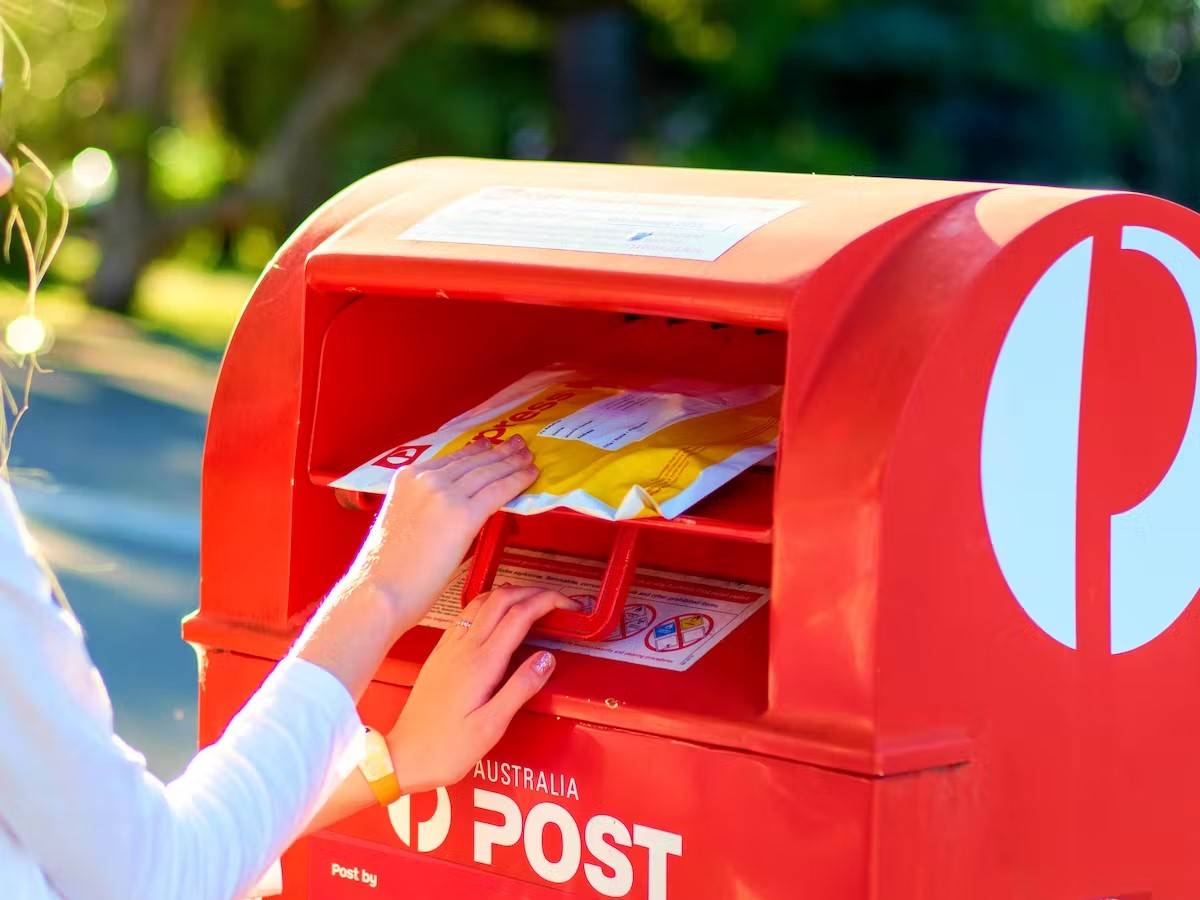
We use Australia Post Letter Postage for the majority of orders
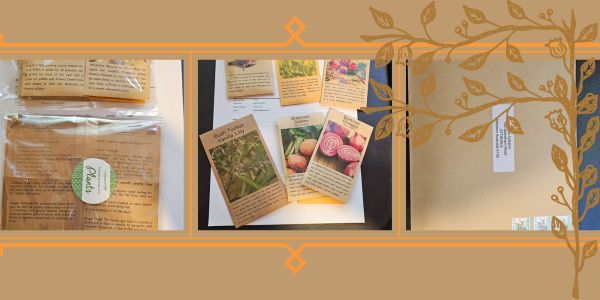
Not only are our seeds packed in recycled paper envelopes, we keep the theme going when we post out website orders. To protect your seeds from moisture and the letter box munchers (snails), we use a very special plastic free material made from plants. They are then put into recycled mailing envelopes. Green all the way 💚🌿
Delivery Guarantee
We take great care to make sure your seeds arrive safely. If your order is lost or damaged in transit, we’ll happily send a replacement. Unfortunately, we can’t replace or refund orders that arrive later than the estimated delivery date, as delays can sometimes occur that are outside our control.
Please note that all dispatch and delivery times listed are estimates only. While we do our best to post promptly, delivery timeframes can vary due to postal service delays, weather events, or other unforeseen circumstances. We’re unable to take responsibility for any loss, damage, or cost that results from a late delivery.
An order is not considered missing until at least 20 business days have passed from the postage date. You’ll receive an email once your seeds have been posted, letting you know they’re on their way. If you don’t see it in your main inbox, please check your Spam or Promotions folders as sometimes our emails like to hide there.
Reviews
There are no reviews yet