




Squash Vegetable Spaghetti
$6.59
¨ Cucurbita Pepo
- Seed Count 8
- Spaghetti Alternative
- Annual
In stock
Description
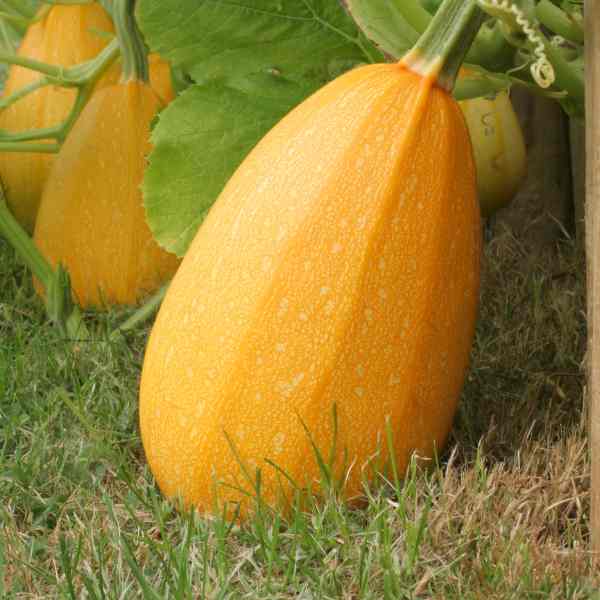
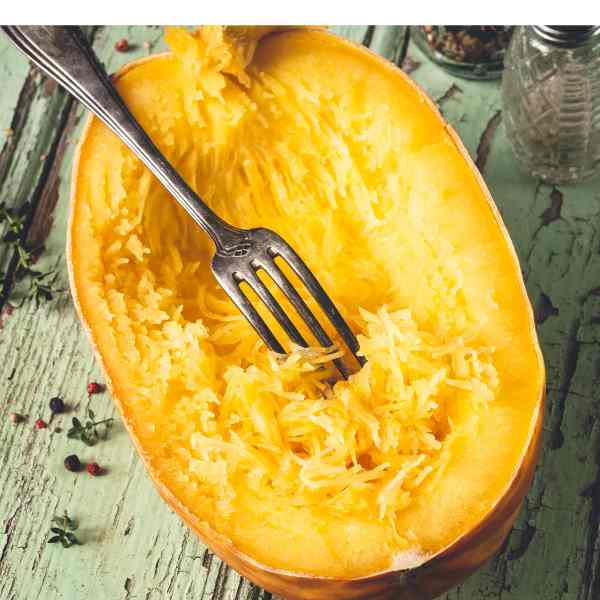
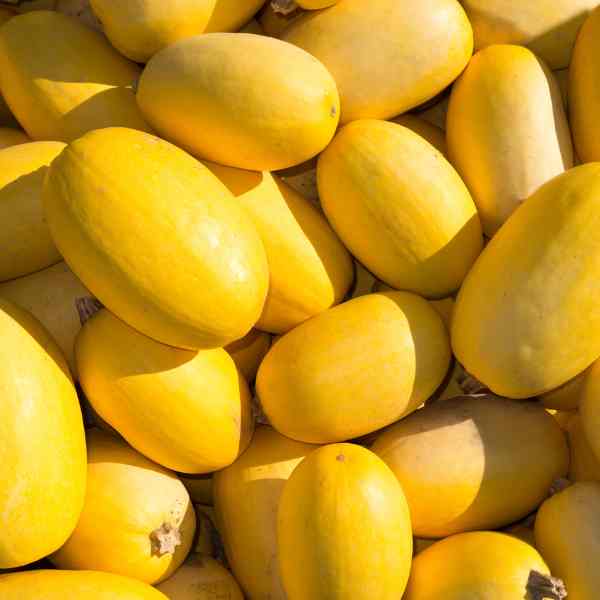
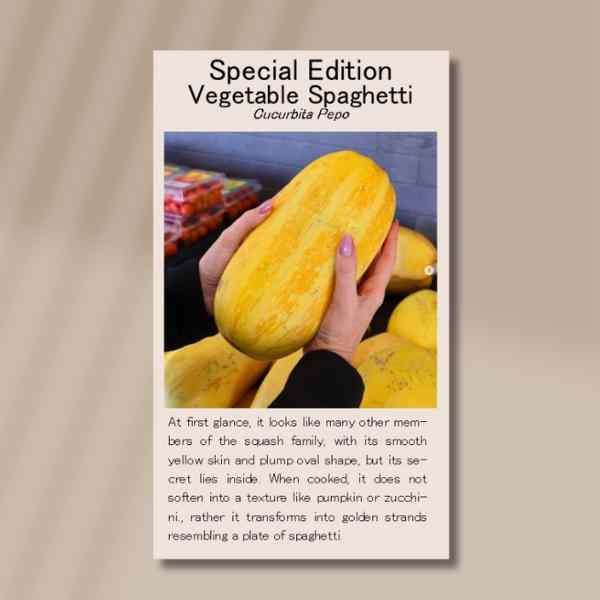
At first glance, the squash Vegetable Spaghetti looks like many other members of the squash family, with its smooth yellow skin and plump oval shape, but its secret lies inside. When cooked, the firm flesh of the squash does not soften into a uniform texture like pumpkin or zucchini. Instead, it transforms into golden strands that pull apart into long, stringy pieces, resembling a plate of spaghetti.
Gardeners know it as a vigorous vine, with lush growth and a strong trailing or climbing habit. From this energy come the bright yellow fruits that typically grow to around thirty centimeters in length. On a healthy vine, one can expect four to five fruits, each weighing in at roughly two kilograms when fully grown. The vines are generous, their large leaves sheltering the fruit until the skin develops a firm, glossy surface.
Many cooks first meet it as a substitute for traditional pasta, and it performs this role remarkably well. The strands can be teased out with a fork once the squash is cooked, producing a pile of tender, lightly crisp threads that look so much like noodles it is hard to believe they came from a vegetable. Tossed with olive oil, herbs, and perhaps a little garlic, they make for a simple but satisfying dish. The mild flavour of the squash is the key here. Unlike some squashes that have a stronger earthy or sweet flavour, the Vegetable Spaghetti Squash is gentle, with just a hint of sweetness and a delicate nutty undertone.
This makes it a perfect carrier for sauces, herbs, and spices of all sorts. It is happy to sit under a rich tomato sauce, blend with creamy cheese, or form the base for lighter dishes with lemon and herbs. For those who wish to cut down on carbohydrates or simply add more vegetables to their meals, it offers an easy and tasty swap for pasta.
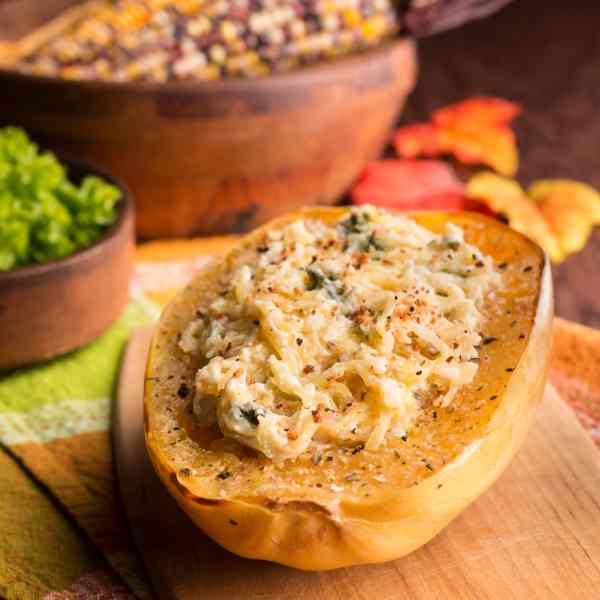
Beyond pasta substitutes, the squash has plenty of other uses. Its slightly crisp texture means that it can be added to salads, where it brings both bulk and interest. It holds together well in sauces and casseroles, its strands weaving through the dish without dissolving. In stuffed dishes, the hollowed-out shell makes a natural bowl, ready to be filled with grains, lentils, or meat and then baked until everything is tender and golden. The fact that this one vegetable can play so many roles in the kitchen is part of what makes it so rewarding to grow. It is not just a novelty but a practical and adaptable ingredient that fits into all sorts of meals.
Another quality that sets this squash apart is how well it stores. While many fresh vegetables must be eaten within days of harvest, the Vegetable Spaghetti Squash can be kept for months if treated properly. Fruits picked at around twenty centimeters in size, usually about fifteen weeks after planting, are considered the best for eating, as the strands inside have developed their stringy quality while still tender.
Larger fruits, which can grow to full size at around two kilograms, are also useful, though sometimes a little more fibrous. Once harvested, the fruits can be wiped down with a highly diluted bleach solution, which helps to prevent mould or rot from developing on the skin. As long as the skins are unbroken and unbruised, the squashes will sit patiently in storage, waiting to be called upon for a meal. This ability to store well makes them an excellent crop for gardeners who like to extend their harvest into the cooler months, drawing on the fruits of summer long after the vines have finished their work.
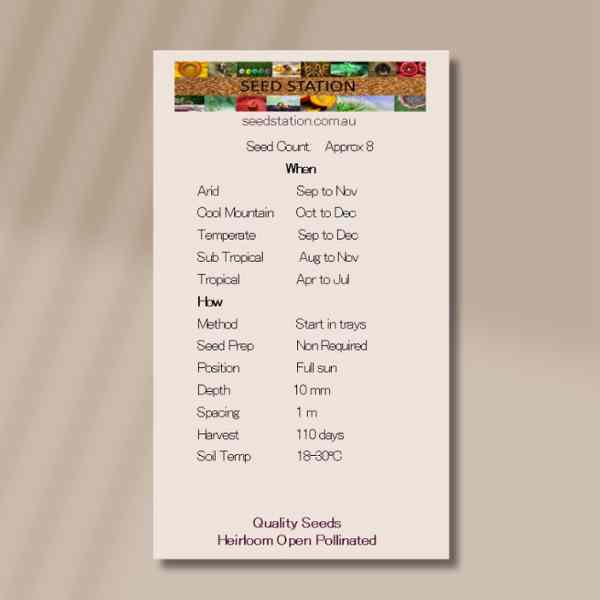
| Method: Start in Trays | Soil Temp: 18°C - 30°C |
| Arid: Sep - Nov | Row Spacing: 1m apart |
| Cool Mountain: Oct - Nov | Position: Full sun |
| Temperate: Sep - Dec | Planting Depth: 10mm |
| Sub Tropical: Aug - Nov | Harvest: 110 days |
| Tropical: Apr - Jul | Plant Height: 45cm |
🌾 Sowing: Trays vs Direct
You have two options when starting spaghetti squash: sowing in trays or direct into the garden.
- Sowing in trays works well in cooler regions where spring can still be a little chilly. Starting seeds in punnets or biodegradable pots indoors or in a greenhouse gives them a head start. The young plants are ready to transplant once they have 2–3 true leaves and the soil outside has warmed.
- Direct sowing is best for warmer climates or once night temperatures are consistently above 15°C. Squash resent root disturbance, so if you can direct sow, they often establish faster and stronger.
Either way, plant seeds about 2–3 cm deep, keeping the soil evenly moist until germination.
🔥 Seed Pre-treatment
Spaghetti squash seeds do not need pre-treatment. They germinate reliably in warm soil, usually within 7–14 days. For faster sprouting, make sure the soil or seed-raising mix sits at around 21–27°C.
🌞 Soil and Position
Like most pumpkins and squash, spaghetti squash is a hungry feeder and loves warmth.
- Position: Choose a sunny spot with at least 6–8 hours of direct light a day.
- Soil: Rich, free-draining soil with plenty of organic matter. A generous layer of compost and well-rotted manure dug in before planting is ideal.
- pH: Neutral to slightly acidic (around 6–6.8).
Mounding the soil into hills or raised beds gives the roots warmth and prevents waterlogging, which can be an issue in heavy soils.
🌿 Care and Maintenance
Once your plants are in, care is fairly straightforward:
- Watering: Keep the soil consistently moist but not waterlogged. Deep, infrequent watering is best, allowing roots to grow down. Avoid overhead watering on the leaves to reduce fungal problems.
- Mulching: Lay down straw or sugarcane mulch around plants to keep the soil cool, conserve moisture, and keep the fruit off bare ground.
- Feeding: Apply a liquid fertiliser high in potassium once flowers begin to form. This supports healthy fruit set.
- Training: Vines can be allowed to sprawl or trained along a trellis. On a trellis, fruits may need support like a net sling.
🌸 Companion Planting
Spaghetti squash benefits from neighbours that help deter pests and attract pollinators:
- Good companions: Corn, beans, nasturtium, marigold, and borage. These either provide shade, fix nitrogen, or bring in beneficial insects.
- Avoid planting near: Potatoes (compete for nutrients) or cucumbers (can share pests and diseases).
🌾 Harvesting
Fruits are usually ready 90–100 days after planting, depending on your climate. Signs of readiness include:
- The skin hardens and deepens to a creamy yellow colour.
- The stem attaching the fruit to the vine begins to dry and brown.
Cut fruits from the vine with secateurs, leaving a short stem attached to help them store better. Cure them in a warm, dry spot for 1–2 weeks before storing. Properly cured spaghetti squash can last for several months in a cool, dry pantry.
🐞 Common Issues and Fixes
| Problem | Likely Cause | Fix |
|---|---|---|
| Powdery mildew (white coating on leaves) | Humid conditions, poor airflow | Improve airflow, water at soil level, apply milk spray or sulphur-based treatment |
| Blossom end rot (dark patch at fruit base) | Calcium deficiency or inconsistent watering | Maintain even soil moisture, add lime if soil is acidic |
| Poor fruit set | Lack of pollination | Hand-pollinate flowers early in the morning with a small brush |
| Aphids | Sap-sucking pests on leaves | Blast with water, encourage ladybirds, use insecticidal soap |
| Vine borers / fruit fly | Insect pests damaging stems or fruit | Rotate crops, cover young plants with insect netting, monitor regularly |
🌻 Seed Saving Guide
Saving seed from spaghetti squash is very rewarding, but there are a couple of things to keep in mind:
- Isolation: Squash easily cross-pollinate with other squash and pumpkins. To save true-to-type seeds, grow only one variety of Cucurbita pepo in your garden, or separate varieties by at least 800m.
- Selecting fruit: Choose a healthy, disease-free plant and allow at least one fruit to fully ripen and cure on the vine until the skin is very hard.
- Extracting seed: Cut the fruit open, scoop out the seeds, and separate them from the pulp. Rinse well in a sieve.
- Drying: Spread seeds on paper or mesh in a warm, airy spot out of direct sunlight. Allow to dry fully over 2–3 weeks.
- Storing: Keep in a paper envelope or glass jar in a cool, dry, dark place. Properly stored, spaghetti squash seeds remain viable for 4–6 years.
🌼 Final Thoughts
Vegetable spaghetti is more than just a novelty in the garden—it’s a crop that bridges the gap between healthy eating and fun growing. From the moment those seeds sprout to the day you cut open a golden squash and fork out strands of “spaghetti,” there’s real joy in nurturing this plant.
With good soil, warmth, and steady care, your vines will reward you with a crop that stores beautifully and keeps the pantry stocked with healthy meals long after summer has passed. Saving your own seed takes the satisfaction one step further, ensuring that each season’s harvest connects back to your own garden’s cycle
1 review for Squash Vegetable Spaghetti
| 5 star | 100% | |
| 4 star | 0% | |
| 3 star | 0% | |
| 2 star | 0% | |
| 1 star | 0% |

Postage Charge
Orders under $35 attract a $4.95 shipping charge. Orders $35 and above have free shipping.
Order Times
Seed orders are normally dispatched within three business days. You will receive an email when seeds are mailed out.
Postage Days
Seeds are mailed out Tuesday to Friday at 1pm. Except for the Friday of long weekends.
Postage Times
WA 2-3 Days: SA,NT 3-5 Days: NSW, ACT, QLD, VIC: 5-7 Days
Carrier
We use Australia Post Letter Postage for the majority of orders
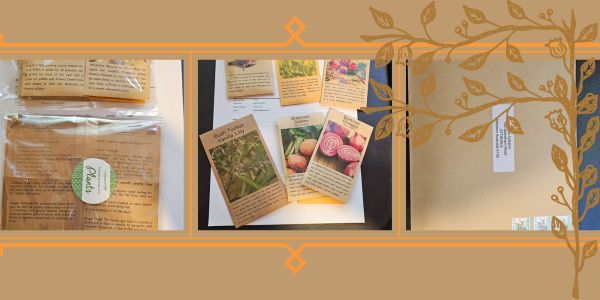
Not only are our seeds packed in recycled paper envelopes, we keep the theme going when we post out website orders. To protect your seeds from moisture and the letter box munchers (snails), we use a very special plastic free material made from plants. They are then put into recycled mailing envelopes. Green all the way 💚🌿
Delivery Guarantee
We take great care to make sure your seeds arrive safely. If your order is lost or damaged in transit, we’ll happily send a replacement. Unfortunately, we can’t replace or refund orders that arrive later than the estimated delivery date, as delays can sometimes occur that are outside our control.
Please note that all dispatch and delivery times listed are estimates only. While we do our best to post promptly, delivery timeframes can vary due to postal service delays, weather events, or other unforeseen circumstances. We’re unable to take responsibility for any loss, damage, or cost that results from a late delivery.
An order is not considered missing until at least 20 business days have passed from the postage date. You’ll receive an email once your seeds have been posted, letting you know they’re on their way. If you don’t see it in your main inbox, please check your Spam or Promotions folders as sometimes our emails like to hide there.

See all our verified customer reviews on our official CusRev profile.