




Squash Benning’s Green Tint
$4.95
Cucurbita Pepo
- Seed Count 10
- Long Producing
- Annual
In stock
Description
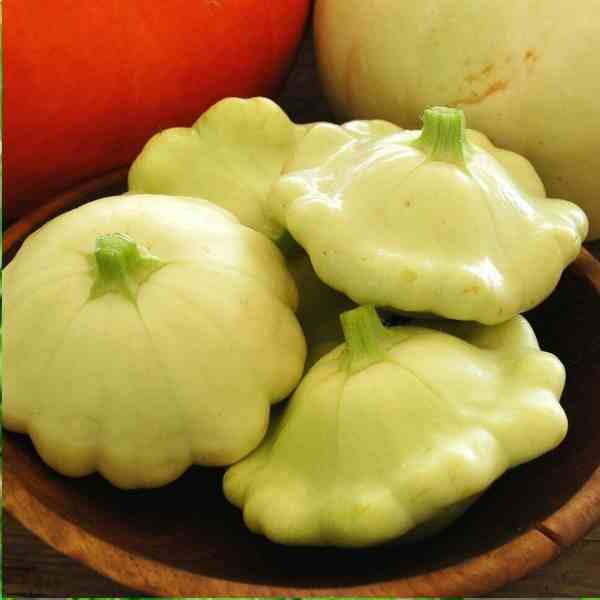
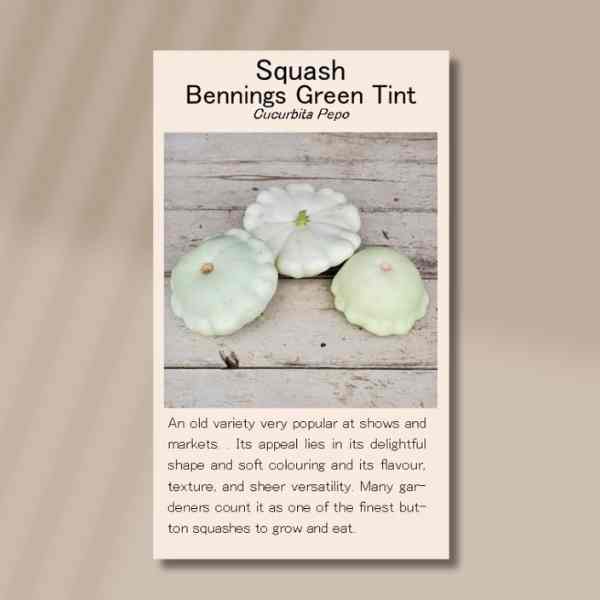
The Squash Benning’s Green Tint, also known affectionately as a button squash or patty pan, has been gracing vegetable patches since the early 1900s. Its appeal lies not only in its delightful shape and soft colouring but also in its flavour, texture, and sheer versatility. Many gardeners count it as one of the finest button squashes to grow and eat, and with good reason.
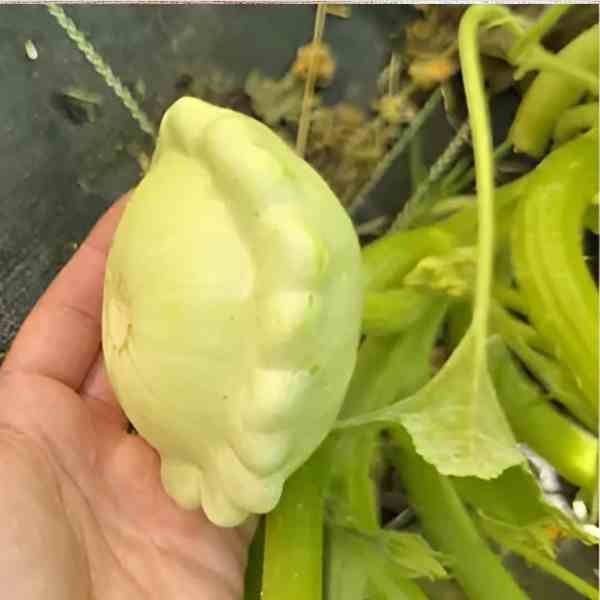
One of the first things you notice about this variety is its striking appearance. The fruits are round and deeply scalloped, like little green flying saucers with elegant ruffled edges. When young, they show a pale green colour that seems to glow against the plant’s broad, sturdy leaves. As they mature, the colour shifts toward creamy white, though most gardeners agree the real prize is in harvesting them while still small and greenish. At this stage, the flesh is tender, the skin is soft, and the flavour is at its peak.
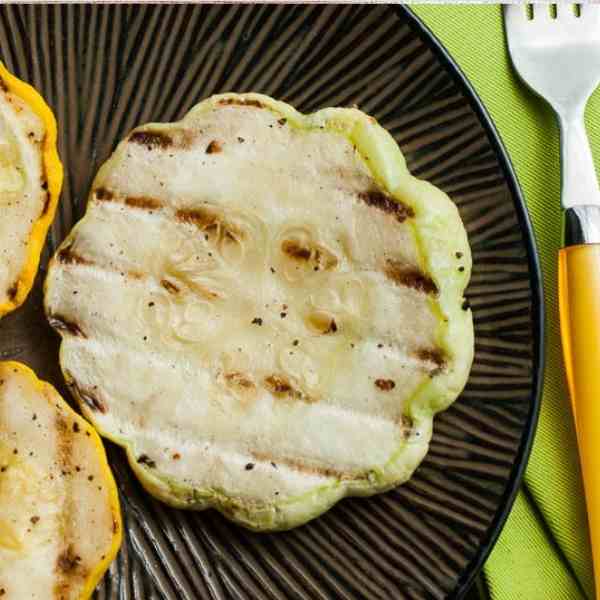
Cooks have long valued this squash for its ability to adapt to almost any dish. Steaming the fruits lightly is one of the simplest and best ways to appreciate their flavour—just long enough to soften them, then slice into wedges. The texture holds beautifully, offering a delicate bite without becoming mushy. They can be diced into stir-fries where they soak up sauces yet retain their sweet undertones, or grilled whole when very young, their pretty scalloped edges catching just enough colour from the heat. They also make a wonderful substitute anywhere zucchini would normally appear.
For something a little more indulgent, Benning’s Green Tint lends itself perfectly to stuffing. The rounded shape and hollowed cavity make it easy to scoop out and fill with rice, herbs, cheese, or mince before baking. Once cooked, the flesh turns silky and the flavour deepens, creating a dish that feels both homely and special. They also shine in vegetable bakes and casseroles, where their sweetness balances richer ingredients.
Another great quality of this heirloom is how quickly it rewards you, often producing usable fruits within a matter of weeks rather than months. That quick turnaround makes it an especially satisfying vegetable for those who enjoy seeing results without too much waiting. It is often one of the first summer vegetables to make its way from the garden to the plate, kicking off the season with cheerful abundance.
For an Australian gardener, the squash also has the advantage of suiting a wide range of climates, it is a reliable performer, capable of thriving in backyard plots as well as larger market gardens. Its quick maturing nature makes it especially handy for those who like to succession sow and keep a steady supply of fresh produce on hand.
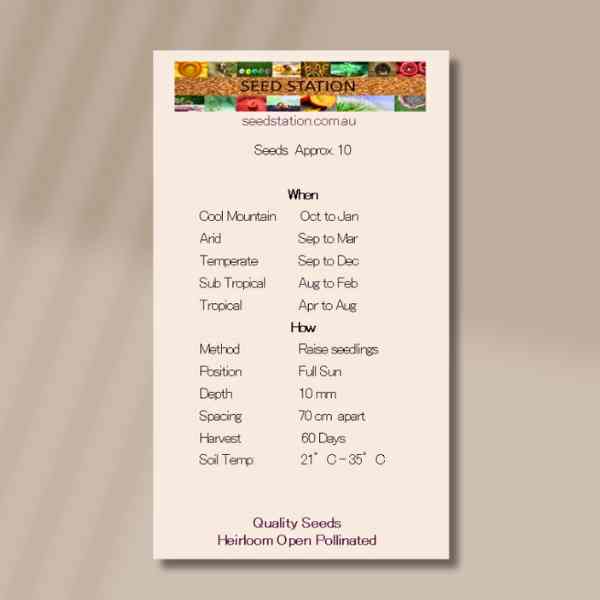
| Method: Sow direct | Soil Temp: 21°C - 35°C |
| Cool Mountain: Oct - Jan | Position: Part Shade |
| Arid: Sep - Mar | Row Spacing: 70 cm |
| Temperate: Sep - Dec | Planting Depth: 10 mm |
| Sub Tropical: Aug - Feb | Harvest: 60 Days |
| Tropical: Apr - Aug | Plant Height: 90 cm |
🌱 Sowing: Trays vs. Direct
Button squash seeds are best sown directly in the garden, but there are times when starting in trays makes sense—especially in cooler zones or when you want to get a head start.
Direct Sowing:
- Ideal once soil temps are above 18°C—usually from mid-spring to midsummer across most of Australia.
- Button squash doesn’t like root disturbance, so sowing directly where they’ll grow saves stress on the plant.
- Space seeds 70cm apart in rows or mounds (little hills help with drainage).
- Sow 2–3 seeds per spot, then thin to the strongest seedling.
In Trays:
- Use this method if you have short growing seasons (like in cooler southern regions) or persistent pests.
- Use deep biodegradable pots to avoid root disturbance at transplant time.
- Sow 1 seed per cell or pot, about 2–3cm deep.
- Harden off seedlings before transplanting—acclimate them slowly to outdoor conditions for 5–7 days.
🔬 Seed Pre-treatment
No seed pre-treatment is needed—button squash germinates readily on its own, often within 5–10 days if conditions are warm and moist.
🌞 Soil and Position
Sunlight: Full sun is essential—at least 6 hours daily, but more is better. Button squash love the heat and will thrive in the warmer months.
Soil:
- Rich, well-draining soil with plenty of organic matter.
- Add compost, aged manure or worm castings before planting.
- pH should be between 6.0–7.0 (neutral to slightly acidic).
- Mulch well to conserve moisture and suppress weeds.
A spot with good airflow helps reduce powdery mildew risk, especially in humid or rainy climates.
🛠️ Care and Maintenance
Watering:
- Keep soil evenly moist, especially during flowering and fruiting.
- Water at the base, not overhead, to prevent fungal issues.
Feeding:
- Side-dress with compost or apply a liquid seaweed/organic fertiliser every 2–3 weeks once flowering starts.
- Avoid high-nitrogen fertilisers—they’ll boost leaves at the expense of fruit.
Support:
- Although button squash are bushy and compact, a low trellis or tomato cage can help keep fruits off the soil and reduce rot.
Pollination:
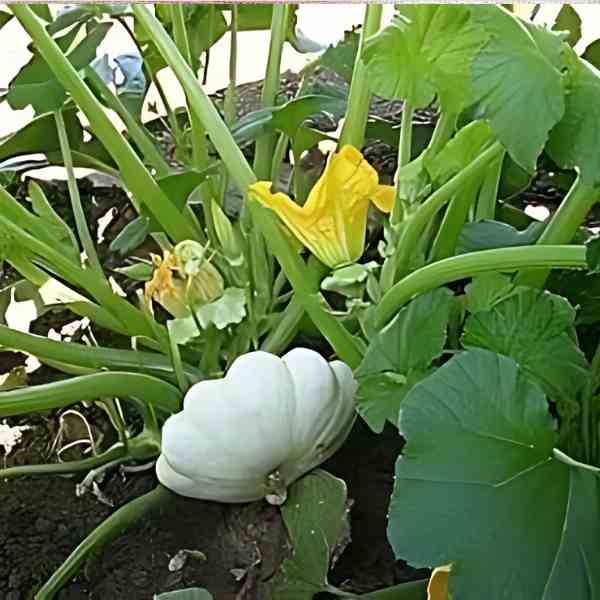
- Bees are vital. If fruits form but stay small or yellow, try hand pollinating with a soft paintbrush or cotton bud.
🌼 Companion Planting
Here are a few buddies that thrive alongside button squash:
| Companion Plants | Benefits |
|---|---|
| Nasturtiums | Attract pollinators & repel aphids |
| Marigolds | Deter nematodes and whiteflies |
| Beans | Fix nitrogen in the soil |
| Corn | Offers some shelter and structure |
| Radish | Acts as a trap crop for flea beetles |
| Herbs (e.g. dill) | Attract beneficial insects |
Avoid planting near: potatoes (compete for nutrients), and other cucurbits (space them out to avoid pest spread).
✂️ Harvesting
Button squash are best picked young—around 5–8cm wide, when their skin is tender and the flavour is at its peak.
- Use secateurs or a sharp knife to cut fruit with a small stem.
- Check daily—plants can produce heavily and quickly!
- Regular harvesting encourages more fruit to form.
🐛 Common Issues and Fixes
| Problem | Likely Cause | Solution |
|---|---|---|
| Yellowing leaves | Overwatering or nutrient imbalance | Adjust watering, add compost or seaweed tonic |
| Powdery mildew | Humidity or poor airflow | Remove affected leaves, apply milk spray |
| No fruit forming | Poor pollination | Encourage bees, hand-pollinate if needed |
| Blossom end rot | Calcium deficiency or inconsistent water | Keep watering regular, add dolomite if needed |
| Aphids/whitefly | Sap-sucking pests | Use neem oil or insecticidal soap |
| Fruit rotting on ground | Contact with wet soil | Mulch or lift fruit onto bricks/straw |
🌼 Seed Saving Guide
If you’re keen to save seed, here’s how to do it properly with button squash:
1. Isolation
- Squash plants are insect-pollinated and will cross with other Cucurbita pepo types (like zucchini, spaghetti squash, and some pumpkins).
- To keep seeds pure, either hand-pollinate and bag flowers, or grow only one variety of C. pepo at a time with 1km isolation distance.
2. Choose the Right Fruit
- Let a few fruits mature fully on the vine until the skin is hard like a pumpkin and the colour fades slightly.
- This can take 8+ weeks after flowering.
3. Harvest and Cure
- Pick mature fruits and let them cure indoors for 2–3 weeks to allow seeds to fully mature.
4. Extract Seeds
- Cut open fruit, scoop out seeds, and rinse in a sieve to remove flesh.
- Fermenting the seeds in water for 2–3 days can help remove the gel coating—just stir daily and strain when it starts to smell a little sour.
5. Drying and Storage
- Dry thoroughly on paper or mesh screens out of direct sunlight.
- Store seeds in a cool, dry place in a paper envelope or airtight container.
- Properly stored seeds last 4–6 years.
🌿 Final Thoughts
Button squash are one of those joyful, generous plants that reward even modest care with bucketloads of crisp, tasty fruit. They’re perfect for small spaces, raised beds, or even large containers if well fed and watered. Keep them happy with full sun, steady moisture, and regular picking—and they’ll keep dishing out the goods right through summer and into autumn.
And if you’re growing for the first time, that’s okay—it’s all part of the learning! Before long, you’ll be spotting those sunny little discs under the leaves and wondering why you didn’t plant more.
1 review for Squash Benning’s Green Tint
| 5 star | 100% | |
| 4 star | 0% | |
| 3 star | 0% | |
| 2 star | 0% | |
| 1 star | 0% |
Postage Charge
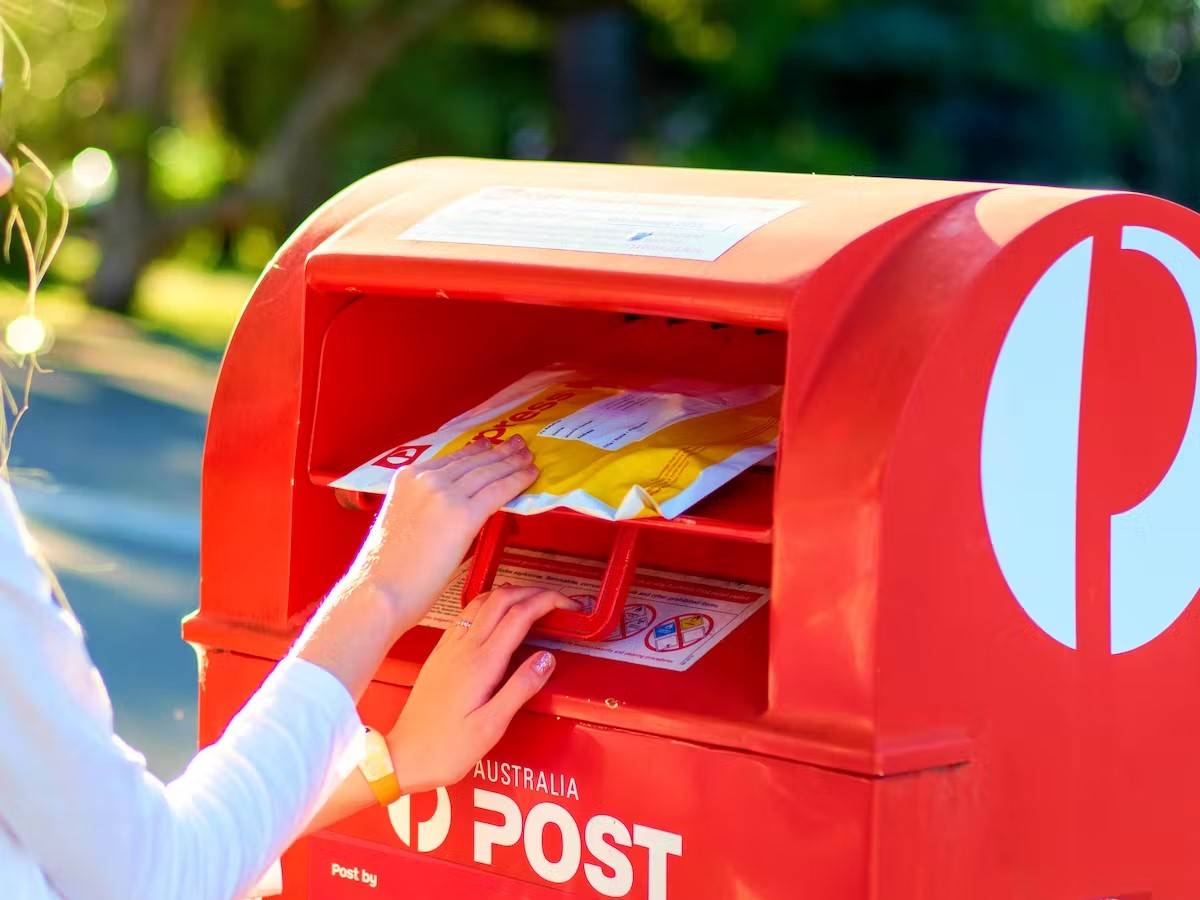
Orders under $35 attract a $4.95 shipping charge. Orders $35 and above have free shipping.
Order Times
Seed orders are normally dispatched within three business days. You will receive an email when seeds are mailed out.
Postage Days
Seeds are mailed out Tuesday to Friday at 1pm. Except for the Friday of long weekends.
Postage Times
WA 2-3 Days: SA,NT 3-5 Days: NSW, ACT, QLD, VIC: 5-7 Days
Carrier
We use Australia Post Letter Postage for the majority of orders
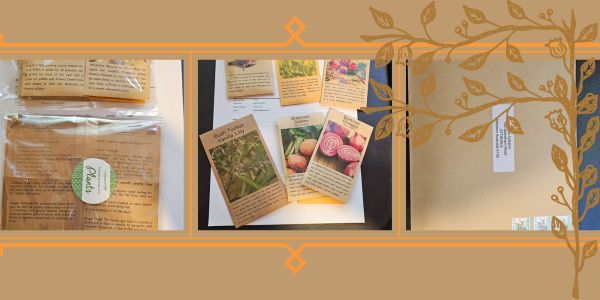
Not only are our seeds packed in recycled paper envelopes, we keep the theme going when we post out website orders. To protect your seeds from moisture and the letter box munchers (snails), we use a very special plastic free material made from plants. They are then put into recycled mailing envelopes. Green all the way 💚🌿
Delivery Guarantee
We take great care to make sure your seeds arrive safely. If your order is lost or damaged in transit, we’ll happily send a replacement. Unfortunately, we can’t replace or refund orders that arrive later than the estimated delivery date, as delays can sometimes occur that are outside our control.
Please note that all dispatch and delivery times listed are estimates only. While we do our best to post promptly, delivery timeframes can vary due to postal service delays, weather events, or other unforeseen circumstances. We’re unable to take responsibility for any loss, damage, or cost that results from a late delivery.
An order is not considered missing until at least 20 business days have passed from the postage date. You’ll receive an email once your seeds have been posted, letting you know they’re on their way. If you don’t see it in your main inbox, please check your Spam or Promotions folders as sometimes our emails like to hide there.
See all our verified customer reviews on our official CusRev profile.