

Spring Onion Pompeii
$4.95
Allium Cepa
- Seed Count 120
- Small Flattened Bulb
- Annual
Out of stock
Email when stock available
Description
Spring Onion Pompeii seeds are perfect for any gardener keen on adding a quick, homegrown touch to their meals.
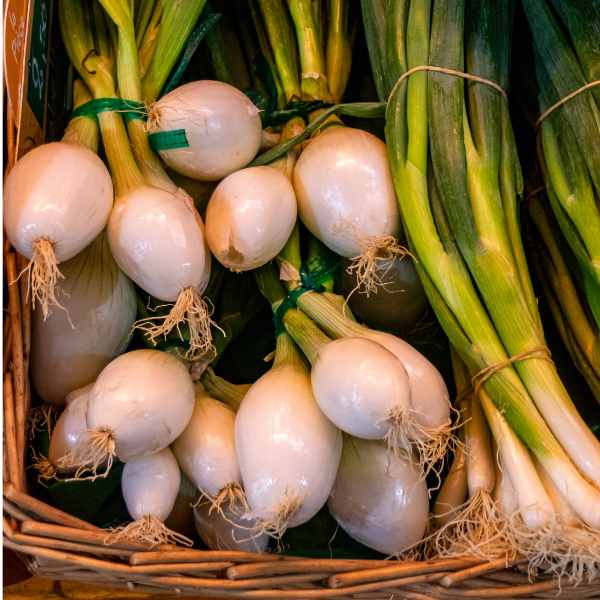
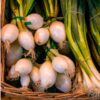
Sown in the spring to be harvested by summer, these delightful onions produce small, white, round bulbs that are just the thing for salads, stir-fries, and sandwiches.
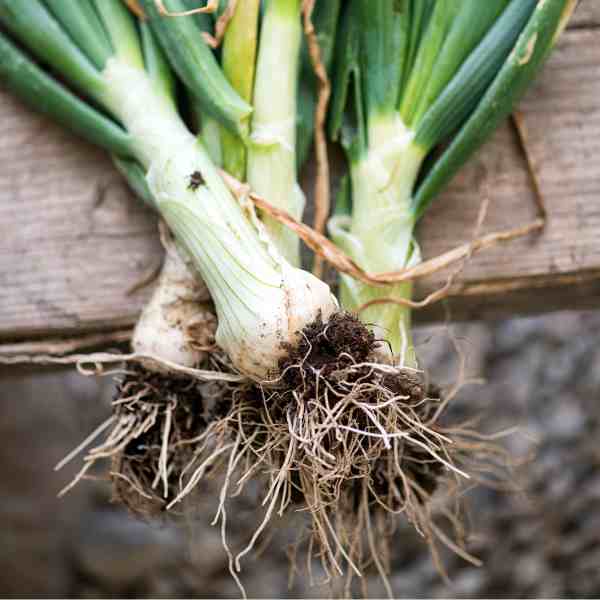
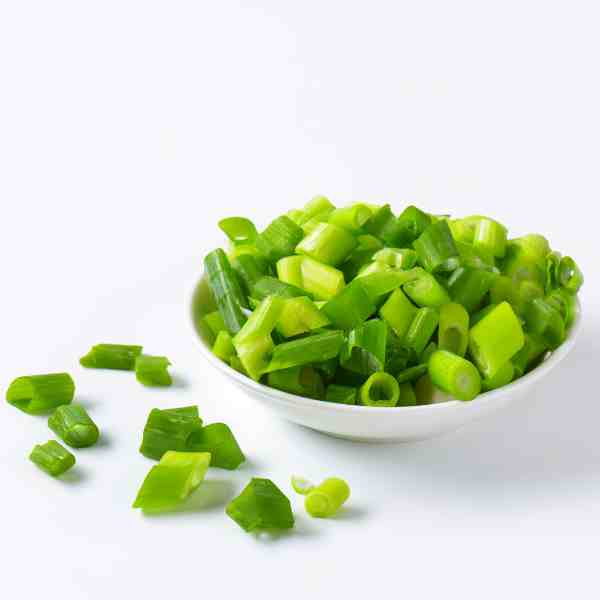
Or you can pick them when the are a bit younger before the formation of the bulb to use just the stems and leaves.
The Pompeii’s bulbs are known for their succulent flavour, and are ready to be enjoyed just two months from planting.
They’re perfect for sowing thinly in containers or window boxes, making them a wonderful choice if you’re tight on garden space.
The onion family is a wonderful pest deterrent and planting the seeds in small groups between other plants will help you fight off the marauding insects.
Plus, these bulbs are a great size for pickling, so you will be able to enjoy them year-round.
| Method: Sow direct | Soil Temp: 10°C - 20°C |
| Cool Mountain: Sep - Apr | Position: Full sun |
| Arid: Aug - Nov | Row Spacing: 5 cm apart |
| Temperate: Jul - May | Planting Depth: 3 mm |
| Sub Tropical: Feb - Apr / Jul - Aug | Harvest: 70 days |
| Tropical: Apr - Jul | Plant Height: 50 cm |
🌱 Sowing: In Trays vs. Direct in the Garden
In Trays (Recommended for most regions)
Starting onions in trays gives you a head start and allows for better control over spacing later on.
Best time to sow:
- Temperate & Cool zones: May–August
- Subtropical zones: April–June
- Arid zones: April–July
How to sow:
- Use a quality seed-raising mix.
- Sow seeds 2mm deep.
- Keep trays in a sunny, sheltered spot or greenhouse.
- Thin seedlings once they’re a few centimetres tall, or leave a few to snip as microgreens.
🌼 Tip: Onions are slow starters. Be patient—it may take 10–14 days for germination.
Direct Sowing
Direct sowing is possible in mild climates with well-prepared, weed-free soil.
- Sow shallowly, 0.5–1 cm deep.
- Thin seedlings to 10–15 cm apart as they grow.
- Keep beds moist during germination.
🌿 My advice? Go with trays first if you’re dealing with clay soil, slugs, or heavy rain. You’ll get stronger seedlings and better spacing at transplant time.
🧱 Soil and Position
Soil Type:
- Onions prefer free-draining, fertile soil with a neutral pH (6.0–7.0).
- Add well-rotted compost or aged manure a few weeks before planting.
Position:
- Full sun is essential for strong bulb development.
- Avoid beds that have recently grown garlic, shallots, or leeks (allium rotation is important to reduce disease risk).
🌼 Gardener’s note: Raised beds or mounded rows are great for drainage, especially in winter-wet areas.
🌿 Care and Maintenance
- Watering: Regular and consistent—don’t let them dry out or become waterlogged. Reduce watering as bulbs mature.
- Weeding: Keep the bed clean. Onions don’t like competition.
- Feeding: Light feeders—apply a liquid seaweed or fish emulsion every 2–3 weeks early on. Too much nitrogen late in the season can delay bulb formation.
🌱 Tip: Mulching with straw or sugarcane mulch keeps weeds down and moisture even.
🌼 Companion Planting Guide
| Good Companions | Why It Works |
|---|---|
| Carrots | Mutual pest protection (onions deter carrot fly) |
| Beets | Similar soil needs and growth habits |
| Lettuce | Shallow-rooted, fills space between rows |
| Chamomile | Improves onion flavour |
| Strawberries | Onions deter pests like aphids |
🚫 Avoid planting near: Peas, beans, or other legumes—onions can stunt their growth.
🌾 Harvesting
Green Onions / Spring Onions
- Harvest when leaves are 15–20 cm tall and stalks pencil-thick.
- Usually ready 8–10 weeks from sowing.
Pickling Onion
- Timing: Around 10–12 weeks after sowing, depending on variety and conditions.
- Look for bulbs that are starting to swell but are still small and firm.
- Leaves will still be upright and green (they don’t need to flop like storage onions).
Bulbing Onions
- Ready in 20–26 weeks depending on variety and growing conditions.
- Wait until the tops yellow and fall over naturally. Stop watering at this stage.
- Allow bulbs to “cure” in a dry, airy spot for 2–3 weeks before storing.
🌿 Harvest tip: Gently lift with a fork—don’t yank, or you risk bruising them.
🐛 Common Issues & Fixes
| Problem | Symptom | Fix |
|---|---|---|
| Poor bulb development | Lots of leaves, no bulb | Too much nitrogen or overcrowding—thin seedlings & avoid overfeeding late |
| Downy mildew | Pale patches, stunted growth, fuzzy spores on leaves | Improve airflow, avoid overhead watering, use organic fungicide |
| Onion thrips | Silvery streaks, curling leaves | Neem oil spray, encourage lacewings and ladybirds |
| Bolting (flowering early) | Tall central stalk with flower | Sow at the right time, protect from cold snaps |
| Rot or fungal disease | Yellowing, mushy base, or collapsed stems | Ensure well-drained soil, rotate crops, don’t overwater |
🌼 Seed Saving Guide
Saving onion seed takes patience, but it’s very doable if you let your plants go full cycle.
1. Biennial nature:
- Onions need two seasons to set seed. In the first year, they grow bulbs; in the second, they flower.
2. Selecting parent plants:
- Choose the healthiest, most typical bulbs (good shape, no disease, strong storage quality).
- Allow them to cure and store over summer.
3. Replanting:
- In autumn or early winter, replant the bulbs in prepared soil.
- The plant will flower in spring, forming beautiful umbel heads full of seeds.
4. Pollination:
- Onions are insect-pollinated and can cross with other onion varieties.
- To maintain a pure variety, only grow one type for seed or space them 1 km apart.
5. Harvesting seed:
- Wait until the flower heads turn brown and dry.
- Snip off the heads into a paper bag and dry further indoors.
- Rub heads to release seeds, winnow out chaff, and store in a cool, dry place.
🌿 Lifespan of onion seed: About 1–2 years with good viability if stored well.
🌻 Final Thoughts
Growing onions from seed might take a bit of patience, but it’s well worth the effort. Starting them off right—especially in trays—sets you up for a strong, healthy crop that stores well into the warmer months. They’re not heavy feeders, but they do need consistency and care, especially when young. And while they’re not the flashiest crop, they quietly anchor the garden and the kitchen alike.
So go on—pop a few trays in this season, keep an eye on spacing and weeds, and let your onions quietly do their thing. Before you know it, you’ll have a harvest that smells sweet and earthy, ready to lift and cure with pride. 🧅💚
🌿 Sowing: In Trays vs Direct
🧺 Sowing in Trays
Starting spring onion seed in trays gives you more control over spacing, watering, and germination success—especially helpful in cooler or unpredictable weather.
- When to sow: All year round in most areas, but best in early spring and autumn in very hot zones.
- Tray depth: Use shallow seed trays with fine, moist seed-raising mix.
- Spacing: Sow thinly, barely covering the seed. Rows can be close—spring onions don’t mind being planted densely.
- Germination: Takes 7–14 days, depending on temperature.
- Transplanting: Once seedlings are about 10cm tall, gently tease them apart and plant in clumps of 3–5 for easy harvesting later.
📝 Tip: Let them grow close—it’s one of the few veggies that thrives when grown cheek-by-jowl!
🌱 Sowing Direct
Direct sowing is just as effective, especially in milder climates with consistent moisture.
- Prepare the bed: Rake the soil smooth and moist, sow seeds 5mm deep.
- Row spacing: Around 15–20cm apart. Thin seedlings later to every 2–3cm or leave in clusters.
- Mulch lightly after sowing to retain moisture.
🪴 Either method works well—choose what suits your space and schedule.
🌾 Is Seed Pre-Treatment Required?
No pre-treatment is required for spring onion seeds. They germinate reliably with warmth and consistent moisture. However, soaking seeds in lukewarm water for a few hours can help speed up germination if you’re sowing into cooler soil.
🌞 Soil and Position
Spring onions are undemanding but will reward you with strong, flavourful growth if their soil is just right.
- Soil type: Loose, well-drained, and rich in organic matter. Sandy loam is ideal.
- pH level: Slightly acidic to neutral (6.0–7.0).
- Sunlight: Full sun is best, though they’ll tolerate part shade.
- Drainage: Essential—waterlogged roots are a quick path to rot.
Before planting, work in plenty of compost or well-rotted manure and ensure the bed is free of large clumps or stones.
🌿 Care and Maintenance
- Watering: Keep the soil evenly moist. Don’t let them dry out completely or they may bolt (go to seed).
- Mulching: A thin layer of straw or sugarcane mulch helps retain moisture and keep weeds at bay.
- Feeding: Apply a liquid seaweed or fish emulsion fortnightly. Side-dress with compost mid-season if needed.
- Weeding: Keep weeds down, especially while young. Onions don’t like competition!
🧅 Tip: For a continuous harvest, sow small batches every few weeks.
👩🌾 Companion Planting
Spring onions play well with others! They’re great companions for many crops thanks to their pest-repelling qualities.
| Good Companions | Why |
|---|---|
| Carrots | Deters carrot fly |
| Beets | Shared soil preferences |
| Lettuce & leafy greens | Similar water and light needs |
| Strawberries | Repels pests that bother strawberries |
| Cabbage family (broccoli, etc.) | Repels aphids, moths |
🚫 Avoid planting near: Peas and beans—onions can stunt their growth.
✂️ Harvesting
Spring onions can be harvested at nearly any stage—from slender baby shoots to thick, fully-mature stems.
- Time to maturity: 8–12 weeks from sowing.
- How to harvest: Grasp firmly at the base and pull gently. For an ongoing harvest, take only the largest and let the others mature.
- Regrowth: Some varieties will resprout from the base—leave the roots in and let them regrow!
🛒 Tip: If you’ve planted in clumps, you can harvest a few stems at a time without disturbing the rest.
🐛 Common Issues and Fixes
Here’s a quick table to troubleshoot common spring onion issues:
| Issue | Symptoms | Fix |
|---|---|---|
| Bolting (early flowering) | Flowers before maturing | Keep soil moist, avoid heat stress, sow at right time |
| Poor germination | Patchy seedlings | Use fresh seed, pre-soak, keep soil evenly moist |
| Yellowing tips | Nutrient deficiency or inconsistent water | Liquid feed and consistent watering |
| Rotting at base | Mushy, smelly base | Improve drainage, avoid overwatering |
| Thrips or aphids | Silvery streaks or sticky leaves | Spray with neem oil or hose off pests regularly |
🌼 Seed Saving Guide
Spring onions are biennial and will flower in their second year if left in the ground.
- Choose healthy plants to overwinter.
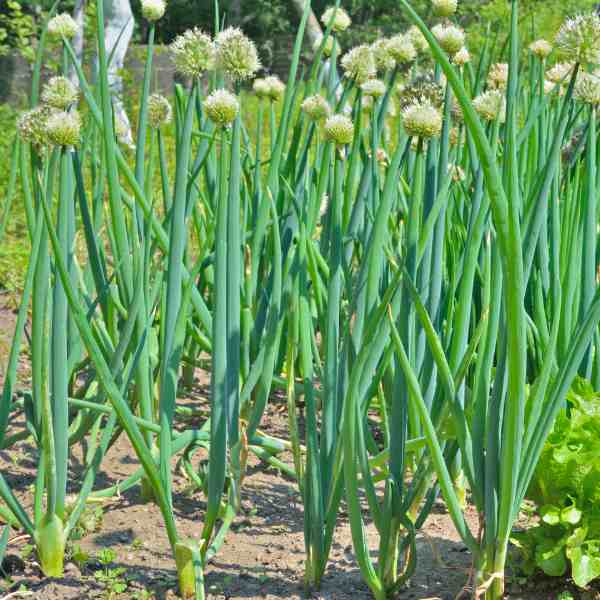
- Allow to bolt in the second year—tall flower stalks with globe-like blooms will emerge.
- Pollination: Insects like bees will do the work.
- Seed maturity: Wait until the flower heads dry and turn brown on the plant.
- Harvesting seeds: Clip the heads, dry further in a paper bag, then shake out seeds.
- Cleaning and storing: Remove chaff and store seeds in a cool, dark place. Label with date—onion seeds have a short shelf life (1–2 years).
🧺 Tip: Spring onions can cross-pollinate with other Alliums, so isolate if you’re also saving onion, shallot or leek seed.
🌱 Final Thoughts
Spring onions are a brilliant crop to keep on the go all year round. They tuck neatly into small spaces, help out their garden neighbours, and come through when you need a quick harvest. If you’re looking for an easy, productive win—this is it.
Whether you’re sowing a few rows along the veggie patch edge or keeping a constant tray rotation going on the balcony, spring onions bring flavour and freshness in spades. Give them a sunny spot, keep them moist, and you’ll be snipping your way to garden-to-table goodness in no time.
3 reviews for Spring Onion Pompeii
| 5 star | 100% | |
| 4 star | 0% | |
| 3 star | 0% | |
| 2 star | 0% | |
| 1 star | 0% |

Postage Charge
Orders under $35 attract a $4.95 shipping charge. Orders $35 and above have free shipping.
Order Times
Seed orders are normally dispatched within three business days. You will receive an email when seeds are mailed out.
Postage Days
Seeds are mailed out Tuesday to Friday at 1pm. Except for the Friday of long weekends.
Postage Times
WA 2-3 Days: SA,NT 3-5 Days: NSW, ACT, QLD, VIC: 5-7 Days
Carrier
We use Australia Post Letter Postage for the majority of orders
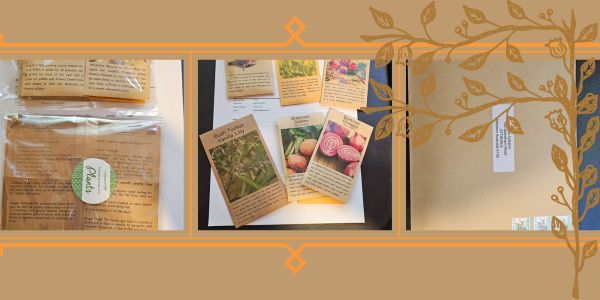
Not only are our seeds packed in recycled paper envelopes, we keep the theme going when we post out website orders. To protect your seeds from moisture and the letter box munchers (snails), we use a very special plastic free material made from plants. They are then put into recycled mailing envelopes. Green all the way 💚🌿
Delivery Guarantee
We take great care to make sure your seeds arrive safely. If your order is lost or damaged in transit, we’ll happily send a replacement. Unfortunately, we can’t replace or refund orders that arrive later than the estimated delivery date, as delays can sometimes occur that are outside our control.
Please note that all dispatch and delivery times listed are estimates only. While we do our best to post promptly, delivery timeframes can vary due to postal service delays, weather events, or other unforeseen circumstances. We’re unable to take responsibility for any loss, damage, or cost that results from a late delivery.
An order is not considered missing until at least 20 business days have passed from the postage date. You’ll receive an email once your seeds have been posted, letting you know they’re on their way. If you don’t see it in your main inbox, please check your Spam or Promotions folders as sometimes our emails like to hide there.
See all our verified customer reviews on our official CusRev profile.
See all our verified customer reviews on our official CusRev profile.
See all our verified customer reviews on our official CusRev profile.