



Spinach English Winter Giant
$4.95
Spinacia Oleracea
- Seed Count 100
- Cool Season Variety
- Annual
In stock
Description
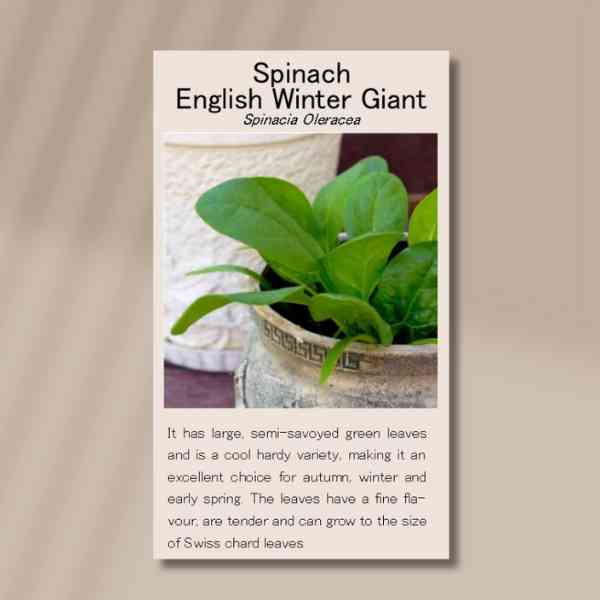
Spinach English Winter Giant delivers both substance and flavour when the weather turns cool. Despite its commonly used English name, this variety most probably traces its origins back to France around 1866. Like many old vegetable varieties, it has travelled, been renamed, and settled into gardens far from where it first appeared. What has remained constant is its reliability and the generous nature of its leaves.
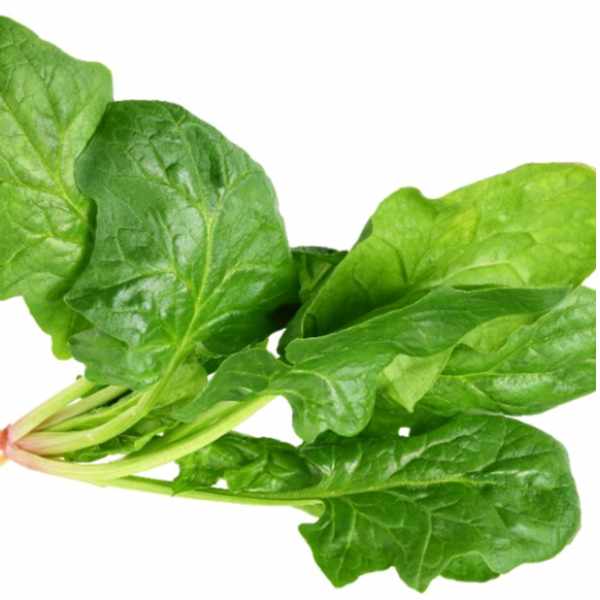
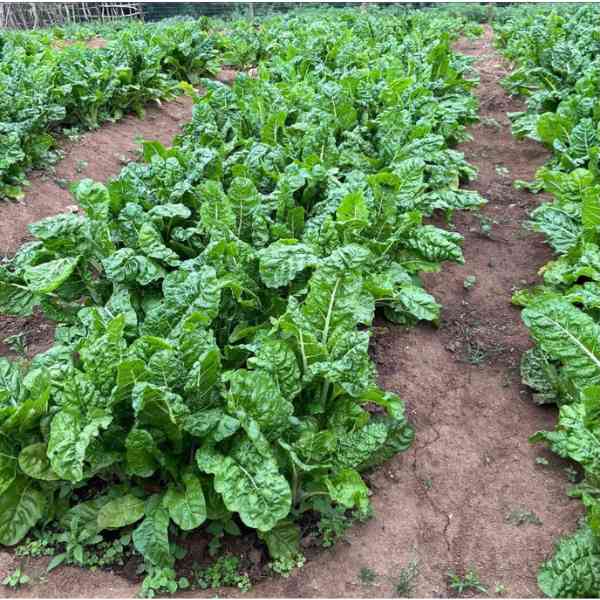
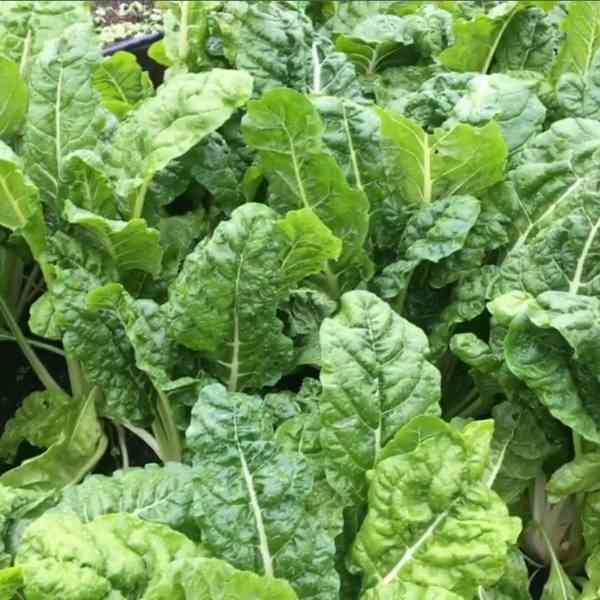
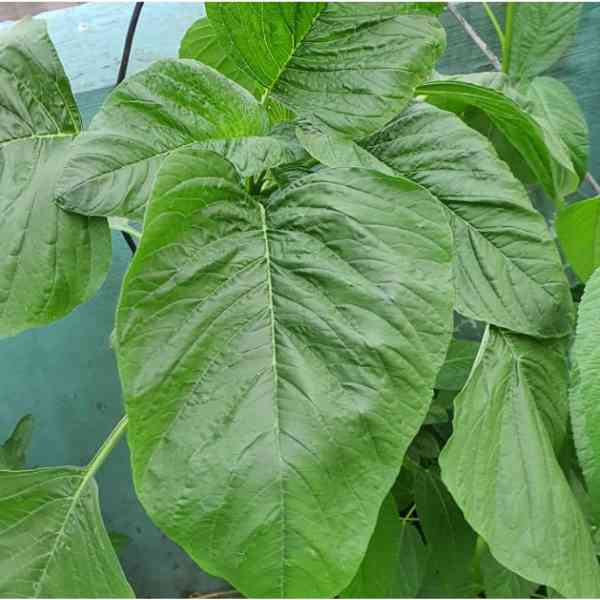
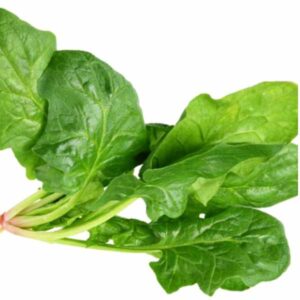
The plants produce large, semi savoyed leaves that are a deep, healthy green. As the leaves mature, they can reach impressive proportions, often growing to a size comparable to Swiss chard leaves. This generous leaf size is part of what has made this spinach such a staple over generations.
It has a rich, bold spinach taste that deepens as the leaves mature, developing a fuller and more pronounced spinach character the longer they are left on the plant. Younger leaves offer a milder, fresher taste that works beautifully raw, while older leaves deliver the depth that cooks often look for when spinach is meant to stand up as a main ingredient rather than a background green. When harvested young, English Winter Giant is well suited to use as baby leaf spinach. At this stage, the leaves are soft, tender, and pleasantly mild. As the leaves grow larger, English Winter Giant comes into its own as a cooked green vegetable. Its robust texture means it holds up well to heat, wilting down without becoming stringy or unpleasant.
One of the notable qualities of this variety is its lower oxalic acid content compared to many other spinach types. Oxalic acid is naturally present in spinach and can contribute to an astringent mouthfeel or chalky sensation for some people. English Winter Giant’s comparatively lower levels make it gentler on the palate, especially when eaten in larger quantities or used frequently in cooking.
It also freezes well once blanched, which adds to its usefulness as a staple green. The leaves retain much of their texture and flavour after freezing, allowing them to be used later in cooked dishes without significant loss of quality. This makes it a practical choice for gardeners who like to preserve some of their harvest for future meals.
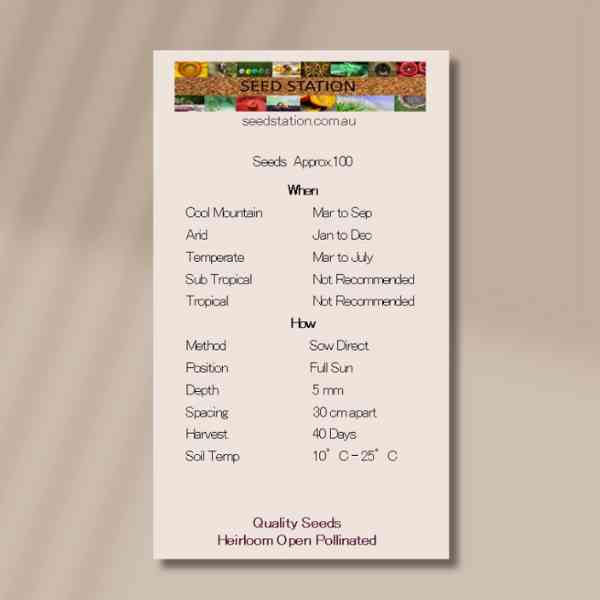
| Method: Sow direct | Soil Temp: 10°C - 25°C |
| Cool Mountain: Mar - Sep | Position: Part sun |
| Arid: Jan - Dec | Row Spacing: 30cm apart |
| Temperate: Mar - Jul | Planting Depth: 3mm |
| Sub Tropical: Not recommended | Harvest: 40 days |
| Tropical: Not recommended | Plant Height: 30cm |
Spinach is a cool-season leafy green that loves the milder months in most parts of Australia. Whether you’re after tender baby leaves for salads or mature foliage for cooking, spinach is a quick-grower that suits both beginners and seasoned gardeners alike.
🧺 Sowing: Trays vs. Direct
You’ve got two main options when it comes to planting spinach: sowing direct into the garden, or starting off in seed trays. Both have their perks, and the choice often depends on your space, soil, and the season.
Sowing Direct:
This is the most common method, especially for home gardeners wanting a fuss-free patch.
- Best for: Raised beds, well-prepared ground, or large containers.
- How: Sow seeds about 1cm deep and 3-5cm apart in rows. Once seedlings are up, thin them to 10-15cm apart.
- When: In most of Australia, sow in autumn and early winter (March to August), when the weather is cool and stable.
✅ Pro tip: Direct sown spinach usually establishes quicker and sends down a stronger taproot, making the plants more drought tolerant.
Sowing in Trays:
Tray sowing gives you more control—especially handy if your soil’s too warm, patchy, or prone to pests like slugs.
- Best for: Starting in a protected spot before transplanting.
- How: Sow into punnets or plug trays, one seed per cell. Keep moist and cool—spinach dislikes heat at germination.
- When: Autumn through winter. In warmer areas, start trays in a shaded or cool area.
🔁 Transplant when seedlings have 3–4 true leaves, spacing them around 10–15cm apart.
🧂 Seed Pre-Treatment: Is It Necessary?
Spinach seeds have a hard seed coat and can sometimes be slow to germinate, especially in warm weather.
💧Pre-soaking tip: Soak the seeds in room temperature water for 6–12 hours before sowing. This softens the coat and encourages even germination.
You can also chill pre-soaked seeds in the fridge for a couple of days to mimic natural cold exposure—this trick can help boost success in warmer climates.
🪨 Soil & Position
Spinach thrives in rich, moisture-retentive soil with plenty of organic matter.
- Soil: Loose, fertile, and neutral to slightly alkaline (pH 6.5–7.5). Work in compost or well-rotted manure before planting.
- Drainage: Must be free-draining—waterlogging leads to root rot.
- Position: Full sun in winter, part shade in spring/autumn. In warmer regions, protect from harsh afternoon sun to stop early bolting.
🌞 Remember: Spinach is a cool-season crop and tends to bolt (go to seed early) in warm or fluctuating temps.
🪴 Care & Maintenance
Caring for spinach is quite straightforward, but consistency is key.
Watering
Keep soil evenly moist—don’t let it dry out. Mulching helps retain moisture and keeps roots cool.
Feeding
A light dose of liquid seaweed or fish emulsion every few weeks keeps plants lush and growing.
Mulching
Apply a layer of straw or sugarcane mulch to suppress weeds and regulate soil temperature.
Thinning
Thin seedlings early so they’re not crowded—good airflow helps prevent fungal issues.
Bolting Watch
If days suddenly get warmer or plants dry out, spinach may bolt. Look for tall flower stalks forming early—harvest leaves quickly if you see this!
🌸 Companion Planting Guide
Spinach plays nicely with many other crops and can be squeezed between rows of slower-growing veggies.
Great companions:
- Strawberries – mutually beneficial spacing and light sharing.
- Radish – fast-growing and breaks up the soil.
- Lettuce – similar needs and good intercropping partner.
- Cabbage family (broccoli, cauliflower) – shade spinach as they grow.
Avoid:
- Potatoes – may compete for nutrients.
- Fennel – tends to inhibit growth of many plants, including leafy greens.
✂️ Harvesting
Spinach is ready to pick in as little as 5–7 weeks from sowing, depending on conditions.
Harvesting Tips:
- Pick outer leaves regularly when they’re about 10–15cm long.
- Leave the central crown intact so the plant keeps producing.
- For baby spinach, harvest the whole plant when young (around 4 weeks).
🌿 Frequent picking encourages more leaf growth and delays bolting.
🐛 Common Issues & Fixes
| Problem | Symptoms | Fix |
|---|---|---|
| Bolting | Tall flower stalks, bitter leaves | Plant earlier in the season; keep well watered and shaded |
| Slugs & Snails | Holes in leaves, slime trails | Use beer traps, crushed eggshells, or copper tape around beds |
| Downy Mildew | Yellow spots on leaves, grey fuzz | Improve airflow, water early in the day, avoid overhead watering |
| Leaf miners | Tunnels or squiggly lines in leaves | Remove affected leaves, cover with insect netting |
| Poor germination | Sparse or patchy seedlings | Pre-soak seeds, keep soil cool, use shade cloth in warmer climates |
🌼 Seed Saving Guide
If you’ve let a few spinach plants bolt, you’re well on your way to seed saving!
Steps for Saving Spinach Seeds:
- Let plants flower and fully mature – male and female flowers grow on different plants. You’ll need at least a few plants to ensure pollination.
- Pollination – wind-pollinated, so let multiple plants grow together for best results.
- Seed development – seed heads turn brown and dry on the plant.
- Harvesting – once dry, cut whole plants and hang upside down in a dry, airy place over a drop cloth.
- Threshing – rub seed heads between your hands to release seeds.
- Cleaning – winnow or use a fine sieve to remove debris.
- Storage – store in an airtight container in a cool, dry place. Label with variety and date.
🧊 Pro tip: Spinach seeds remain viable for 2–3 years if kept in good conditions.
🌱 Final Thoughts
Spinach is one of those classic greens that fits beautifully into almost any garden—even tucked in between other veggies or in pots near the kitchen door. With the right timing, regular picking, and a little attention to watering, you’ll enjoy an abundant harvest through the cooler months.
Don’t be discouraged if a batch bolts early or struggles to germinate—it’s all part of learning what works best in your own patch. Once you find that rhythm, spinach becomes a trusty staple, not just in the garden but on the dinner table, too.
🌿 Happy growing—and may your leaves be lush and plentiful!

Postage Charge
Orders under $35 attract a $4.95 shipping charge. Orders $35 and above have free shipping.
Order Times
Seed orders are normally dispatched within three business days. You will receive an email when seeds are mailed out.
Postage Days
Seeds are mailed out Tuesday to Friday at 1pm. Except for the Friday of long weekends.
Postage Times
WA 2-3 Days: SA,NT 3-5 Days: NSW, ACT, QLD, VIC: 5-7 Days
Carrier
We use Australia Post Letter Postage for the majority of orders
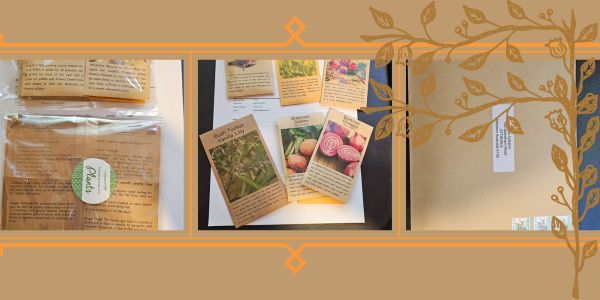
Not only are our seeds packed in recycled paper envelopes, we keep the theme going when we post out website orders. To protect your seeds from moisture and the letter box munchers (snails), we use a very special plastic free material made from plants. They are then put into recycled mailing envelopes. Green all the way 💚🌿
Delivery Guarantee
We take great care to make sure your seeds arrive safely. If your order is lost or damaged in transit, we’ll happily send a replacement. Unfortunately, we can’t replace or refund orders that arrive later than the estimated delivery date, as delays can sometimes occur that are outside our control.
Please note that all dispatch and delivery times listed are estimates only. While we do our best to post promptly, delivery timeframes can vary due to postal service delays, weather events, or other unforeseen circumstances. We’re unable to take responsibility for any loss, damage, or cost that results from a late delivery.
An order is not considered missing until at least 20 business days have passed from the postage date. You’ll receive an email once your seeds have been posted, letting you know they’re on their way. If you don’t see it in your main inbox, please check your Spam or Promotions folders as sometimes our emails like to hide there.
Reviews
There are no reviews yet