

Sage
$4.95
Salvia Officinalis
- Seed Count 30
- Culinary & Medicinal
- Perennial
- Height 60 cm
In stock
Description
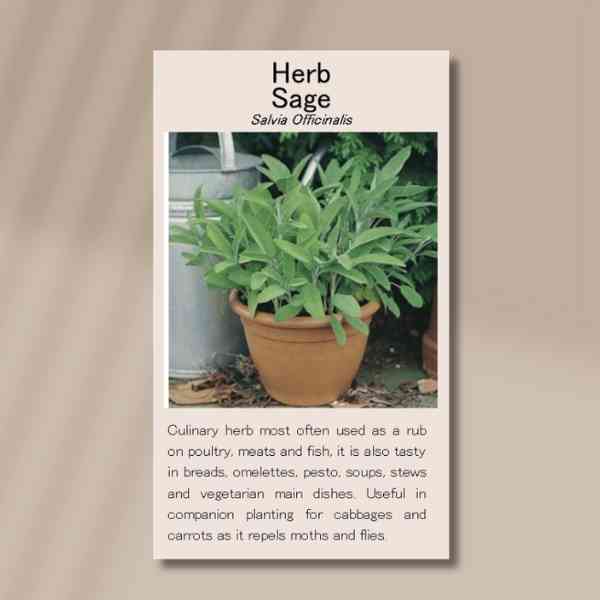
Sage, known botanically as Salvia officinalis, is one of those herbs that has quietly held its place in gardens and kitchens for centuries. The Latin name tells its own story. “Officinalis” was traditionally given to plants with recognised medicinal or culinary value.
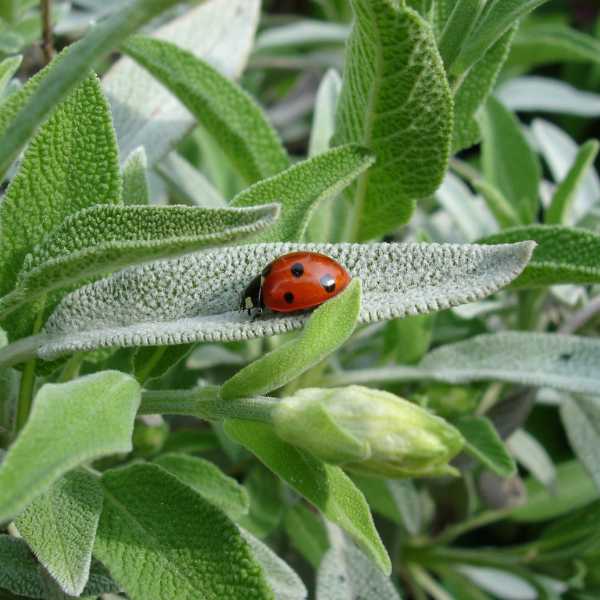
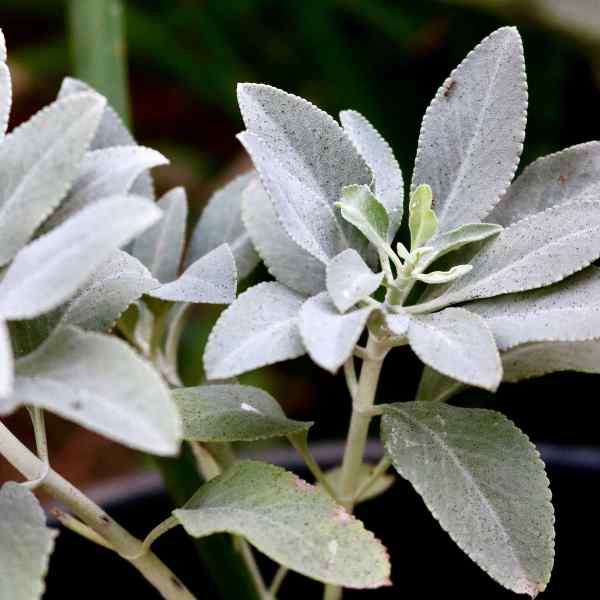
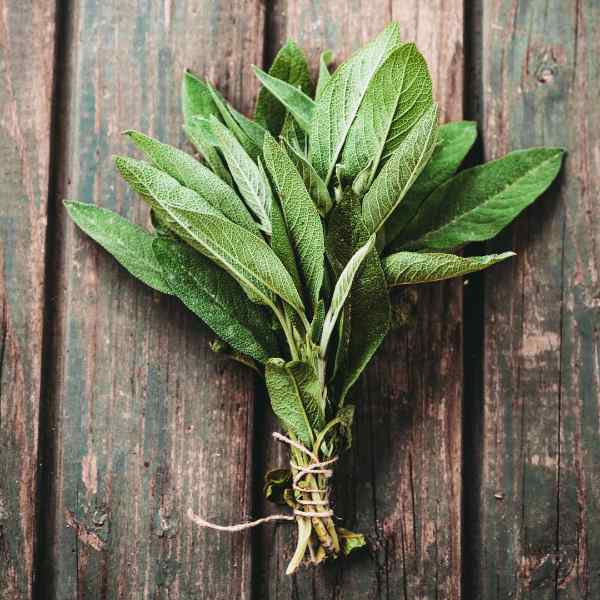
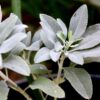
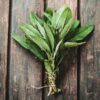
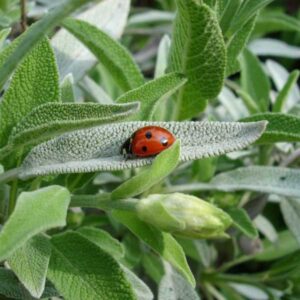
The foliage is unmistakable. Soft grey green leaves, slightly puckered and velvety to the touch, carry a strong, earthy fragrance that deepens as the leaves mature. Sage has long been valued as the backbone of classic stuffing. Its flavour cuts through rich ingredients, balancing fats and bringing harmony to hearty dishes. .
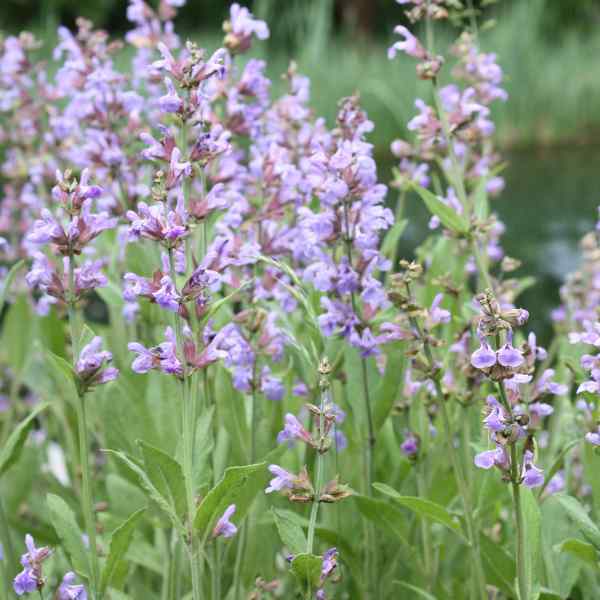
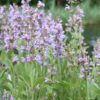
It produces light blue flowers that rival many of its ornamental Salvia cousins. The floral display is soft and elegant rather than showy, but it holds its own in any mixed planting. The flowers are edible and make an attractive garnish in salads.
Beyond the kitchen, sage has a long history in traditional herbal use. Sage tea has been enjoyed for centuries. Its reputation as a plant of wisdom and healing runs deep in folklore and old garden traditions.
In the garden setting, sage is far more than a functional herb. It sits comfortably in a herb garden, of course, but it is equally at home in perennial gardens, cottage gardens and even containers on a sunny patio. The grey green foliage acts as a wonderful foil for brighter flowers adding texture and softness.
Its suitability for container gardening makes it a practical choice for smaller spaces. A pot of sage near the kitchen door offers both visual appeal and ready access for cooking. Even in limited space, this herb brings a sense of abundance. The foliage remains attractive for much of the year, giving structure and interest beyond its flowering period.
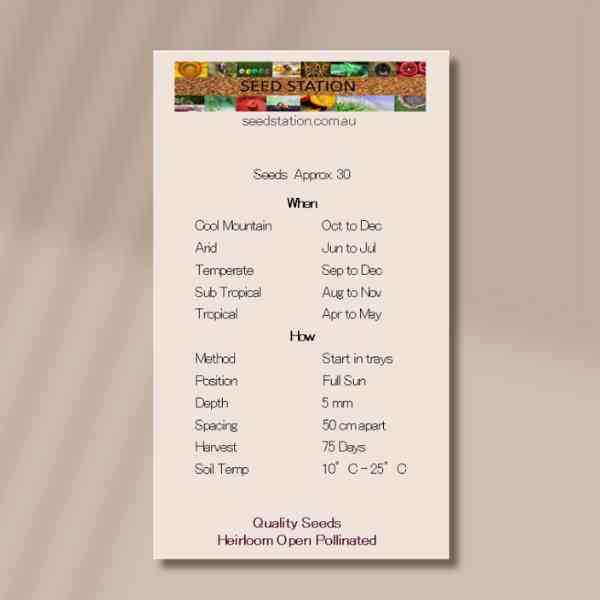
| Method: Sow direct | Soil Temp:10°C - 25°C |
| Cool Mountain: Oct - Dec | Position: Full sun |
| Arid: Jun - Jul | Row Spacing: 50cm apart |
| Temperate: Sep - Dec | Planting Depth: 5 mm |
| Sub Tropical: Aug - Nov | Harvest: 75 Days |
| Tropical: May - Jul | Plant Height: 60 cm |
🌱 Sowing Sage: In Trays vs. Direct
Sage is a slow starter, so for most home gardeners in Australia, starting seeds in trays is the way to go. The seeds take their time germinating and don’t love competition from faster weeds, so trays offer the protection and control they need to get going.
Sowing in Trays (Recommended)
- Start indoors or in a protected spot in late winter to early spring (August–September in most regions).
- Use a free-draining seed raising mix.
- Sow seeds lightly on the surface and cover with a very fine layer of mix or vermiculite.
- Mist gently with water and cover with a humidity dome or cling film to keep in warmth and moisture.
- Place in a warm, well-lit area (around 18–21°C is ideal).
- Germination can take 2–3 weeks, sometimes longer, so don’t give up too soon.
Once seedlings are large enough to handle (about 4–6 weeks), prick them out and pot them on, or harden off and transplant to the garden once the risk of frost has passed.
Direct Sowing (Not ideal, but possible)
- Direct sowing is best in warmer climates (subtropical or Mediterranean zones).
- Wait until all danger of frost is past and soil has warmed (late spring).
- Sow in rows and thin to the strongest seedlings.
- Keep weed-free and well-watered during early growth.
Because sage seedlings are slow and a bit fragile, direct sowing often leads to patchy results—but if you’re gardening in mild regions and sowing in a dedicated herb patch, it can work.
🧪 Seed Pre-Treatment: Is It Needed?
No special seed pre-treatment is required for sage. But a few tips can help with success:
- Soaking: You can soak sage seeds in warm water for 4–6 hours before sowing to help soften the seed coat and encourage faster germination.
- Freshness matters: Sage seed loses viability quickly, so try to use seed that’s less than a year old.
🌞 Soil and Position
Sage is native to the Mediterranean, so it loves well-drained soil, full sun, and airflow.
- Soil: Light, sandy loam is ideal, but it will tolerate average garden soil as long as it drains well. Avoid rich, damp soils.
- pH: Neutral to slightly alkaline (6.5–7.5).
- Sunlight: Needs at least 6 hours of full sun daily.
- Airflow: Good air circulation helps prevent mildew—space plants well.
If your soil is heavy or clay-rich, consider planting sage in a raised bed or large pot.
🌿 Care and Maintenance
Once sage is established, it’s incredibly low maintenance.
- Watering: Keep moist during germination and seedling stages. Once mature, sage prefers drier conditions—water only when the top few centimetres of soil are dry.
- Feeding: Minimal feeding needed. A light application of compost or slow-release organic fertiliser in spring will do.
- Pruning: Lightly trim after flowering to encourage bushy growth. In late winter, cut back old woody stems by about a third to rejuvenate the plant.
- Mulching: Mulch with light, airy material (like straw) to suppress weeds but keep it away from the stems to prevent rot.
🌼 Companion Planting Guide
Sage isn’t just useful in the kitchen—it’s also a great companion plant, particularly for pest control.
Good Companions
- Brassicas (broccoli, cabbage, cauliflower): Sage helps repel cabbage moths.
- Carrots: Helps deter carrot fly.
- Strawberries: Enhances flavour and deters pests.
- Tomatoes: Can help ward off whitefly.
Avoid Planting With
- Cucumbers: Sage may stunt their growth.
- Rue: These two herbs don’t get along well.
✂️ Harvesting
You can start harvesting sage once your plants are well-established (usually 3–4 months after sowing).
- Harvest leaves in the morning, after the dew has dried but before the heat of the day.
- Use sharp scissors or snips to take just a few leaves at a time, or trim whole sprigs.
- Regular light harvesting encourages bushiness.
- In cooler zones, do a final harvest before heavy frost.
Drying sage is easy—just tie small bunches and hang them in a warm, airy spot out of direct sun. Store dried leaves in an airtight jar.
🐛 Common Issues and Fixes
| Problem | Likely Cause | Solution |
|---|---|---|
| Powdery mildew | Poor airflow or too much humidity | Prune for better airflow; avoid overhead watering |
| Yellowing leaves | Overwatering or poor drainage | Allow soil to dry out; improve drainage |
| Leggy growth | Not enough sun | Move to sunnier spot or prune back |
| Stunted seedlings | Old seed or poor soil | Use fresh seed; improve soil quality |
| Root rot | Waterlogged soil | Ensure well-drained soil and reduce watering |
🌾 Seed Saving Guide
Saving sage seed is a lovely way to continue the cycle—and it ensures you’ve always got fresh, viable seed on hand.
When to Save:
- Sage flowers in late spring to early summer, sending up tall spikes of purple-blue blooms.
- Once flowering finishes, the seed heads dry and brown on the stalk.
How to Collect:
- Wait until seed heads are dry and papery.
- Snip entire seed stalks into a paper bag.
- Shake or rub the heads gently to release seeds.
- Winnow or sieve to remove chaff.
Storing:
- Label and store in a cool, dry place, preferably in an airtight container.
- Sage seed is short-lived—aim to use within 1–2 years for best germination.
🌸 Final Thoughts
Sage is one of those herbs that makes itself at home in your garden—and your heart. It brings fragrance, flavour, beauty, and resilience, thriving in the dry corners where fussier herbs might fade. Growing it from seed teaches patience, but it also brings immense satisfaction. Once it’s established, sage is a faithful perennial friend, offering sprigs for the roast, flowers for the bees, and seeds for seasons to come.
Whether you’re tucking it into a permaculture patch, a Mediterranean herb border, or just a pot by the back door—give sage a little sunshine and space, and it will return the favour tenfold.
2 reviews for Sage
| 5 star | 100% | |
| 4 star | 0% | |
| 3 star | 0% | |
| 2 star | 0% | |
| 1 star | 0% |

Postage Charge
Orders under $35 attract a $4.95 shipping charge. Orders $35 and above have free shipping.
Order Times
Seed orders are normally dispatched within three business days. You will receive an email when seeds are mailed out.
Postage Days
Seeds are mailed out Tuesday to Friday at 1pm. Except for the Friday of long weekends.
Postage Times
WA 2-3 Days: SA,NT 3-5 Days: NSW, ACT, QLD, VIC: 5-7 Days
Carrier
We use Australia Post Letter Postage for the majority of orders
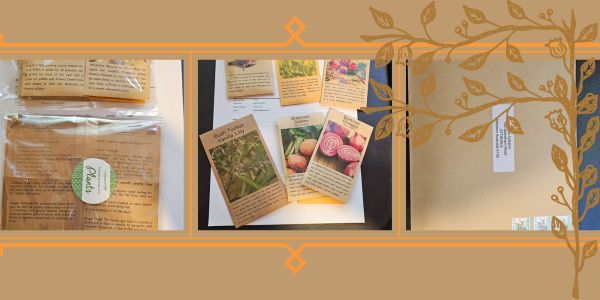
Not only are our seeds packed in recycled paper envelopes, we keep the theme going when we post out website orders. To protect your seeds from moisture and the letter box munchers (snails), we use a very special plastic free material made from plants. They are then put into recycled mailing envelopes. Green all the way 💚🌿
Delivery Guarantee
We take great care to make sure your seeds arrive safely. If your order is lost or damaged in transit, we’ll happily send a replacement. Unfortunately, we can’t replace or refund orders that arrive later than the estimated delivery date, as delays can sometimes occur that are outside our control.
Please note that all dispatch and delivery times listed are estimates only. While we do our best to post promptly, delivery timeframes can vary due to postal service delays, weather events, or other unforeseen circumstances. We’re unable to take responsibility for any loss, damage, or cost that results from a late delivery.
An order is not considered missing until at least 20 business days have passed from the postage date. You’ll receive an email once your seeds have been posted, letting you know they’re on their way. If you don’t see it in your main inbox, please check your Spam or Promotions folders as sometimes our emails like to hide there.
See all our verified customer reviews on our official CusRev profile.
See all our verified customer reviews on our official CusRev profile.