





Purslane Green
$4.95
Portulaca Oleracea
- Seed count 2000
- Sweet and sour flavour
- Annual
In stock
Description
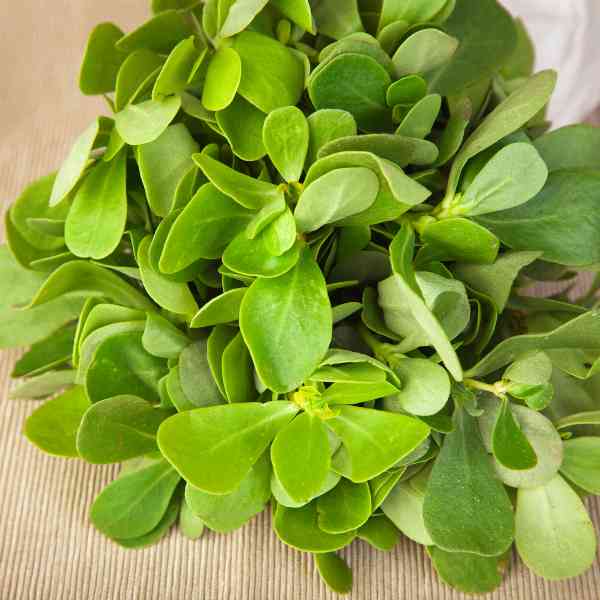
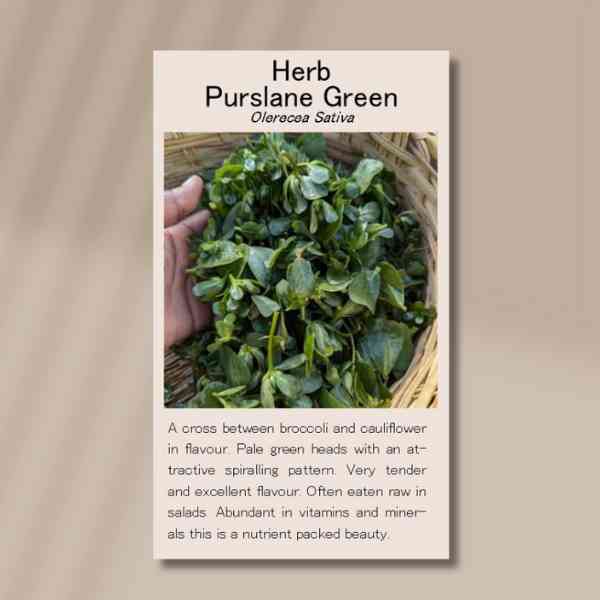
Purslane Green is an upright little herb producing crisp and juicy green leaves with a mild sweet and sour flavour. It’s an old favourite that has been enjoyed in kitchens and gardens around the world for centuries, valued as much for its taste as for its remarkable nutritional content.
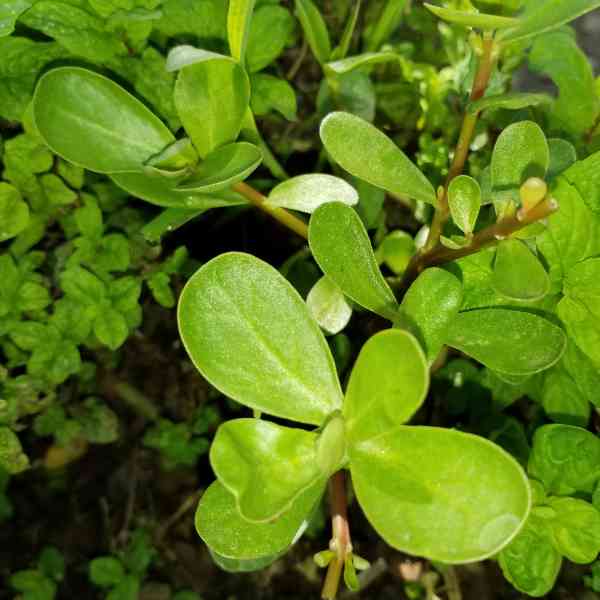
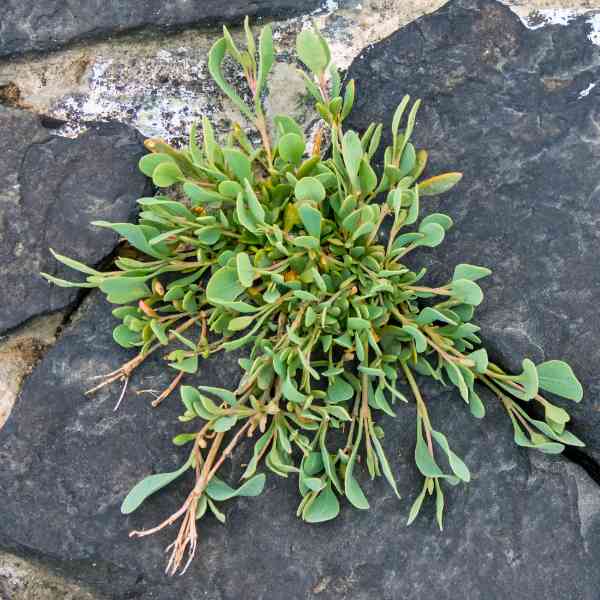
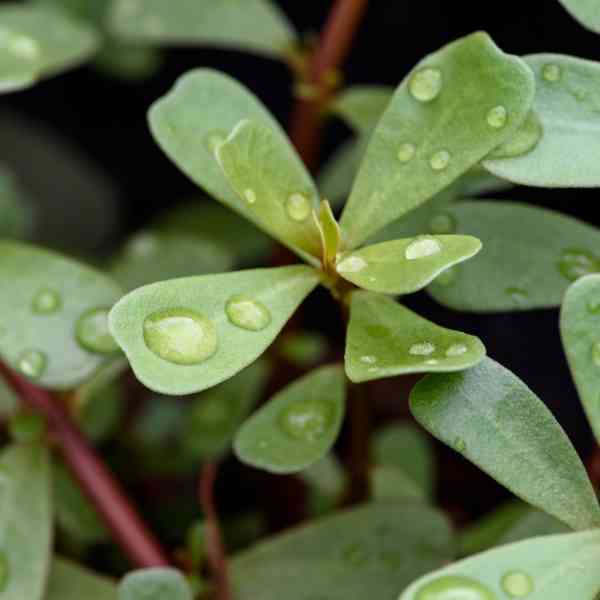
Its stems are smooth and slightly reddish, with clusters of rounded, semi-succulent leaves. Unlike some leafy greens that wilt at the first sign of heat, purslane thrives in the warmth and can handle a fair bit of neglect.
Culinarily, purslane is wonderfully adaptable. Its flavour is a mix of tang and freshness, a little lemony with a gentle saltiness, and it carries a slight sweetness when young and tender. In salads, it adds a refreshing crunch, standing in nicely for lettuce or baby spinach. A handful of purslane tossed through a summer salad gives it a lively edge, pairing well with tomatoes, cucumber, onion, and a drizzle of olive oil. You can also use the leaves in sandwiches or wraps, where they add both texture and a subtle, pleasant sharpness.
When cooked, purslane softens beautifully and takes on a mellow character. It can be stirred into soups, stews, or casseroles, where it acts as a natural thickener thanks to its mucilaginous (slightly gelatinous) quality. This makes it particularly handy in vegetable soups or lentil stews where you want a bit of body without using flour or cream. In Middle Eastern and Mediterranean cooking, purslane is often combined with yoghurt, garlic, and herbs for a cooling side dish, much like tzatziki. In other parts of the world, it finds its way into stir fries, omelettes, and even pickles.
From a nutritional point of view, purslane truly shines. It’s rich in omega-3 fatty acids which is a rarity among leafy greens and makes it a valuable addition to plant-based diets. It’s also loaded with vitamins A, C, and E, as well as essential minerals like magnesium, potassium, and calcium. This combination of nutrients supports everything from heart health to strong bones, and the presence of antioxidants helps the body handle oxidative stress. There’s a reason this humble plant has been prized in traditional diets across continents. It offers a remarkable range of benefits in a small, easy-to-grow package.
Despite its virtues, purslane isn’t entirely without caution. Its leaves and stems contain oxalic acid, similar to spinach and sorrel. For most people this is of little concern, but those prone to kidney stones may prefer to enjoy it in moderation. That said, it’s unlikely anyone will eat purslane in great quantities as a small handful in a salad or cooked dish is plenty to appreciate its texture and taste.
In the home garden, purslane sits comfortably among other salad greens, herbs, and soft annuals. It works beautifully in the edible border or tucked between taller vegetables where its low-growing habit fills in the gaps. Its bright green leaves and sprawling stems bring a lush look to the bed, and even when it self-seeds, it never feels intrusive once you understand its value. In a patch where water is scarce, purslane can act as living mulch, shading the soil and helping to retain moisture.
| Method: Sow direct | Soil Temp: 10°C - 20°C |
| Cool Mountain: Mar - May | Position: Full sun |
| Arid: Nov - Dec | Row Spacing: 30 cm |
| Temperate: Oct - Nov | Planting Depth: 3 mm |
| Sub Tropical: Aug - Sep | Harvest: 80 Days |
| Tropical: Apr - Aug | Plant Height: 40 cm |
🌱 Sowing from Seed: Trays vs. Direct in the Garden
Purslane seeds are tiny and quick to germinate, which makes them easy to start either in seed trays or directly where they are to grow. The best method depends on your garden setup and climate.
Sowing in Trays:
Starting in trays is ideal if you want better control over germination and spacing. Fill trays or small pots with a light, sandy seed mix. Scatter the seeds thinly on the surface, pressing them in gently without covering. Purslane seeds need light to germinate, so do not bury them deeply. Keep the mix just moist, not wet, and position the tray in a warm, sunny spot. Germination usually occurs within 5 to 10 days in warm weather. Once seedlings have at least two sets of true leaves, they can be transplanted into the garden or larger containers.
Sowing Direct:
In warmer parts of Australia, sowing directly into garden beds is very straightforward. Wait until soil temperatures have warmed in spring or early summer, as purslane loves heat. Rake the surface smooth, scatter the seeds thinly, and lightly press them in. Water gently with a fine spray so the seeds are not disturbed. Thin seedlings later to about 15 to 20 cm apart to allow for a full, bushy habit.
Tip: Purslane self-seeds freely, so once established, you may find it popping up on its own in future seasons.
❄️ Seed Pre-treatment
No seed pre-treatment is required for Purslane Green. The seeds are quick to germinate naturally in warm conditions. However, soaking them for a few hours before sowing can slightly speed up germination, particularly if conditions are dry or cool.
🌞 Soil and Position
Purslane thrives in conditions where many greens would wilt. It prefers well-drained, sandy or loamy soils and grows well in poor soils as long as they are not heavy or waterlogged. In rich soil, it will produce lush growth but may lose some of its concentrated flavour.
Choose a full sun position, as heat and light bring out the best in this plant. It tolerates partial shade but performs best when exposed to plenty of sunshine. Purslane is drought-hardy once established and can even grow in rocky, compacted ground if given a good start.
Adding a small amount of compost before planting will help with early growth, but heavy feeding is unnecessary. Overly fertile soils can lead to sprawling growth and fewer succulent leaves.
🌿 Care and Maintenance
Once established, purslane is nearly maintenance-free. Regular picking encourages new shoots and keeps plants compact and productive.
- Watering: Moderate watering is best. Purslane stores water in its fleshy leaves and stems, so it can handle dry spells well. Water during extended hot periods or when the soil becomes completely dry.
- Feeding: Fertiliser is rarely needed, but if growth slows mid-season, a light liquid feed of seaweed solution will refresh plants without over-stimulating soft growth.
- Pruning: Regular harvesting acts as natural pruning. If plants start to sprawl, cut them back by half to encourage fresh new shoots.
Because it is a self-seeding annual, purslane will often reappear in the same spot next summer without much effort on your part.
🌼 Companion Planting Guide
Purslane is a gentle and beneficial neighbour in the garden. Its low, spreading habit acts as a living mulch, helping to shade soil and retain moisture. It also attracts pollinators with its small yellow flowers and improves soil structure with its fine roots.
Good Companions:
- Tomatoes: Purslane helps keep the soil cool around tomato roots and can improve the flavour of tomatoes when eaten together.
- Corn and beans: Its ground-hugging nature reduces weeds and protects the soil between tall crops.
- Capsicum and chilli: Grows happily in the same warm conditions and helps cover bare soil.
Avoid planting with:
- Leafy greens like lettuce or spinach that prefer cooler, moist conditions. Purslane’s love of heat and dryness can make it a less compatible partner for them.
🌾 Harvesting
You can begin harvesting Purslane Green once plants are around 10 cm tall. Snip or pinch off young, tender stems and leaves as needed. The best flavour and texture come from shoots before they flower, though the flowers themselves are also edible.
Regular harvesting encourages bushier plants and extends the productive season. Purslane can be picked right through summer and into early autumn in warm areas.
To store, keep fresh shoots in the fridge wrapped in a damp cloth or paper towel, but it is best eaten soon after harvest for its crispness.
🪲 Common Issues and Fixes
| Problem | Likely Cause | Fix |
|---|---|---|
| Poor germination | Seeds buried too deep or soil too cold | Sow on surface and keep warm (above 20°C) |
| Spindly growth | Too much shade or over-fertilising | Move to full sun, avoid rich soil |
| Yellowing leaves | Waterlogging or nutrient imbalance | Improve drainage, reduce watering |
| Plants not reseeding | Overharvesting before seeds mature | Leave a few plants to flower and set seed |
| Aphids | Dry, stressed plants or overcrowding | Spray with diluted soapy water or use neem oil |
🌾 Seed Saving Guide
Saving purslane seed is simple and rewarding. Allow a few healthy plants to mature and flower. Tiny yellow flowers will appear and soon form small seed capsules. These capsules will dry and split open when mature, releasing fine black seeds.
- Collecting: Wait until capsules are dry but before they release their seeds. Gently shake or rub the heads over a clean surface or paper bag.
- Cleaning: Sift or blow gently to remove chaff. Purslane seeds are very small, so handle them carefully.
- Drying: Spread the seeds out in a cool, airy place for a few days to ensure they are completely dry before storage.
- Storing: Keep in a paper envelope or airtight jar in a cool, dark, and dry spot. Properly stored seeds remain viable for 3 to 5 years.
Purslane self-seeds easily, so if you leave a few plants in the garden to do their own thing, you may find new seedlings emerging next spring without any effort at all.
🌻 Final Thoughts
Purslane Green is one of those underrated plants that deserves more space in Australian gardens. It asks for almost nothing yet offers a steady supply of nutritious, flavourful greens through the hottest months of the year. Its resilience makes it ideal for both experienced gardeners and beginners looking for an easy win.
Once you’ve grown purslane, it’s likely to become a familiar friend, quietly reappearing each summer, ready to offer its bright leaves and delicate flowers. It’s a true survivor, a reminder that some of the best plants are also the simplest.

Postage Charge
Orders under $35 attract a $4.95 shipping charge. Orders $35 and above have free shipping.
Order Times
Seed orders are normally dispatched within three business days. You will receive an email when seeds are mailed out.
Postage Days
Seeds are mailed out Tuesday to Friday at 1pm. Except for the Friday of long weekends.
Postage Times
WA 2-3 Days: SA,NT 3-5 Days: NSW, ACT, QLD, VIC: 5-7 Days
Carrier
We use Australia Post Letter Postage for the majority of orders

Not only are our seeds packed in recycled paper envelopes, we keep the theme going when we post out website orders. To protect your seeds from moisture and the letter box munchers (snails), we use a very special plastic free material made from plants. They are then put into recycled mailing envelopes. Green all the way 💚🌿
Delivery Guarantee
We take great care to make sure your seeds arrive safely. If your order is lost or damaged in transit, we’ll happily send a replacement. Unfortunately, we can’t replace or refund orders that arrive later than the estimated delivery date, as delays can sometimes occur that are outside our control.
Please note that all dispatch and delivery times listed are estimates only. While we do our best to post promptly, delivery timeframes can vary due to postal service delays, weather events, or other unforeseen circumstances. We’re unable to take responsibility for any loss, damage, or cost that results from a late delivery.
An order is not considered missing until at least 20 business days have passed from the postage date. You’ll receive an email once your seeds have been posted, letting you know they’re on their way. If you don’t see it in your main inbox, please check your Spam or Promotions folders as sometimes our emails like to hide there.

Reviews
There are no reviews yet