

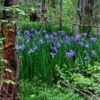

Native Iris
$6.59
Patersonia Occidentalis
- Seed Count 70
- Australian Native Wildflower
- Perennial
- Height 60 cm
In stock
Description
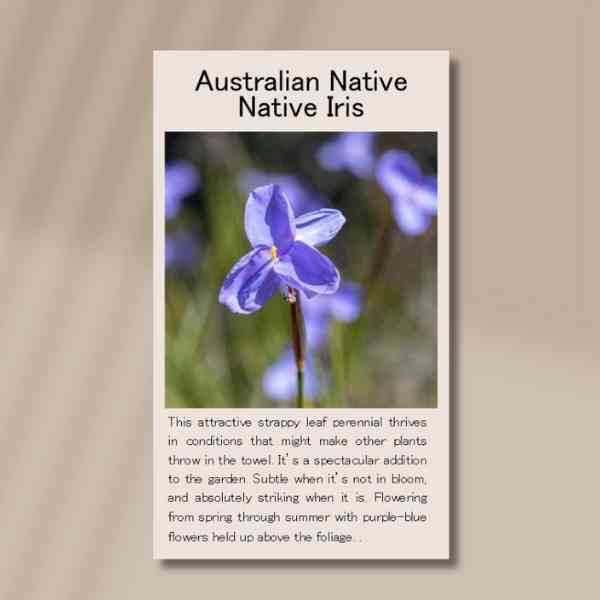
If you’re looking for a tough-as-nails plant that brings a touch of wild elegance to your garden, meet the Native Iris. This Aussie native is a real gem, thriving in conditions that might make other plants throw in the towel. It’s a quietly spectacular addition to the garden, subtle when it’s not in bloom, and absolutely striking when it is.
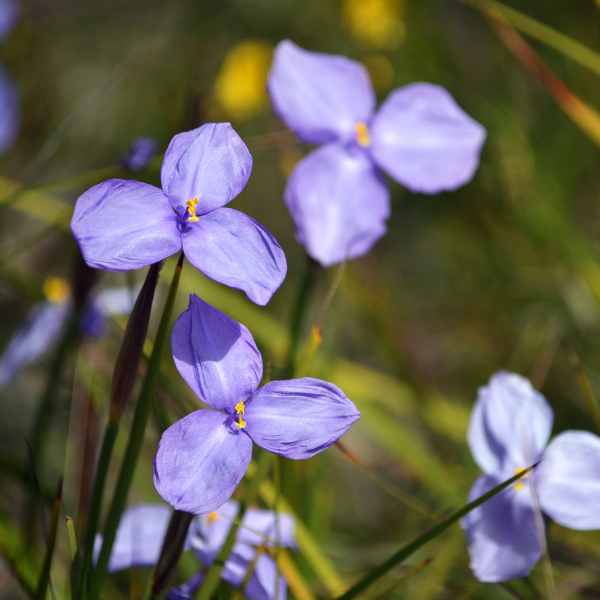
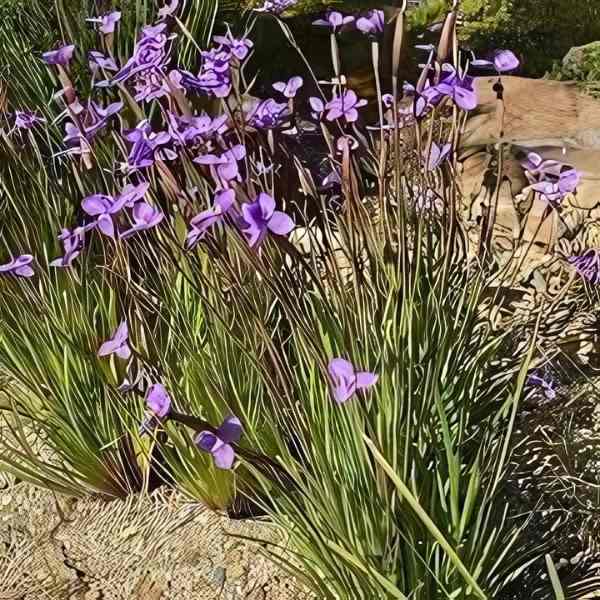
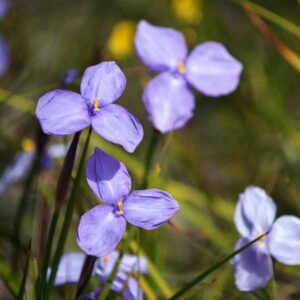
The form of the Native Iris is a big part of its charm. It grows in a neat clump, with long, strappy foliage and from the centre of that leafy base rise elegant flower stems, topped with vivid purple blooms that look like miniature irises.
The plant grows from a sturdy underground rhizome, which is a bit like its own built-in survival kit. That rhizome stores energy and moisture so it can tough out dry periods and bounce back after the odd rough patch. It’s a clever bit of plant design that is perfectly suited to our often unpredictable Australian climate.
You’ll find Patersonia occidentalis naturally growing across southern parts of Australia, especially in Western Australia, but it’s proven itself to be versatile and reliable in gardens right across the temperate and Mediterranean-style zones of the country. It’s well adapted to sandy, free-draining soils, exactly the kind of ground where other plants might struggle. And once established, it needs very little water to keep going. And don’t worry if your winters get a bit nippy. Native Iris is frost-hardy to light frosts, so it’s suitable in a range of climates, from coastal areas to inland zones with a bit of chill.
It’s versatility is another feather in its cap. It fits beautifully into a range of garden styles. In a native or bush-style garden, it blends in seamlessly being low-fuss, locally adapted, and quietly beautiful. In a cottage garden, it offers a soft, natural texture that pairs well with other perennials. And in coastal gardens, where wind and salt spray can challenge more delicate plants, it stands firm.
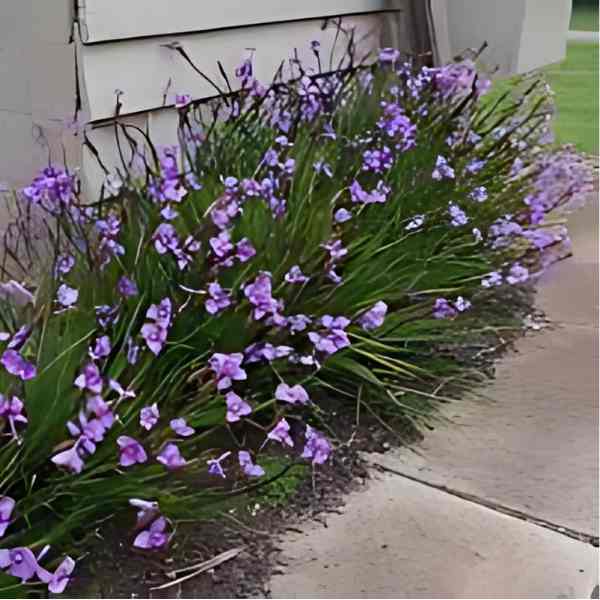
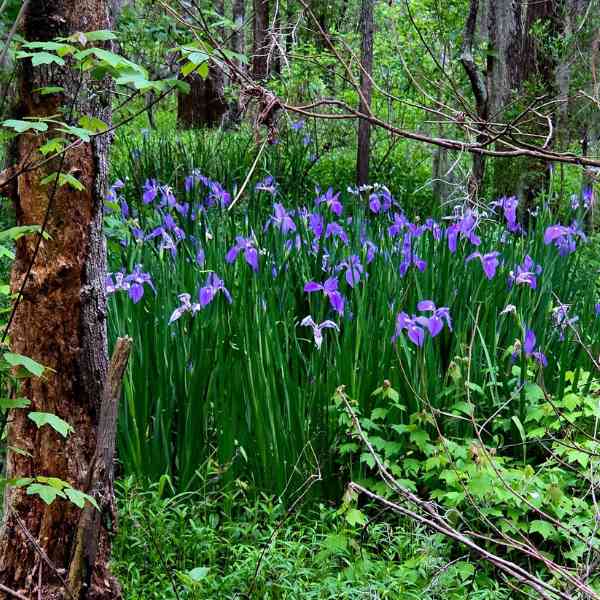
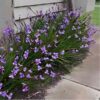
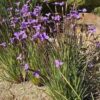
It also works brilliantly in mass plantings, where those bursts of purple have maximum impact, or as a border plant alongside paths, garden beds, or even rockeries. And because it doesn’t sprawl or run wild, it keeps its shape without much need for trimming or tidying.
In a world of fussy ornamentals and fast-fading trend plants, the Native Iris is a gardener’s plant through and through. It’s not trying to be a showstopper—it just ends up being one through resilience, adaptability, and understated beauty. It brings a kind of authentic charm to the garden, and once you’ve grown it, you’ll find yourself coming back to it again and again.
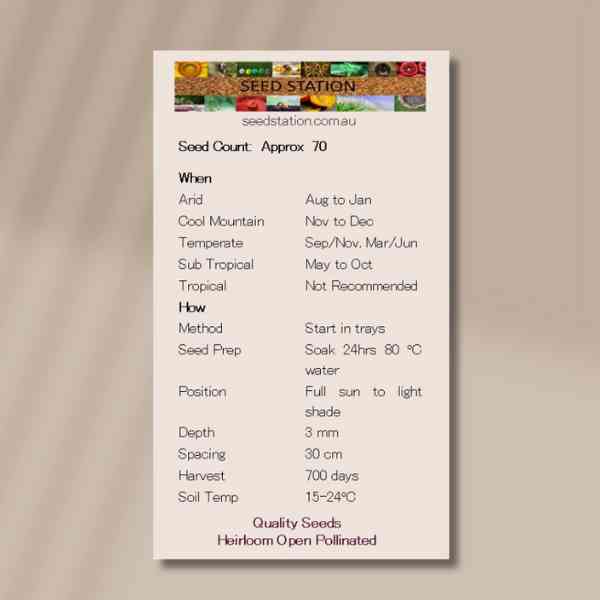
| Method: Seedlings | Soil Temp: 15°C - 23°C |
| When: Cool Mountain Nov - Dec | Position: Full sun |
| When: Temperate Sep/Nov, Mar/June | Soil: Average, good drainage |
| When: Sub Tropical May - Oct | Planting Depth: 3mm |
| When: Arid Aug - Jan | Row Spacing: 30cm apart |
| When: Tropical Not Recommended | Plant Height: 60cm |
🌱 Sowing: In Trays vs. Direct in Ground
When it comes to sowing Patersonia occidentalis, you’ve got two options—starting in trays or sowing direct. Each has its benefits, depending on your setup and goals.
Sowing in Trays
Starting in trays gives you more control over germination conditions, which is helpful for this species since germination can be a little slow and irregular.
- Best for: Controlled environments, nurseries, or gardeners wanting to monitor early growth closely.
- How to do it: Sow thinly into a quality native mix in deep seedling cells or forestry tubes. Keep moist but not soggy.
- Pro tip: Use bottom heat (15–20°C) and a light cover of sand to simulate natural conditions.
Direct Sowing
If you’re working on a bush regeneration project or planting en masse, direct sowing is certainly possible—but be aware that results can be patchier, and seedlings may take a while to appear.
- Best for: Large-scale native plantings, rewilding projects, or where minimal intervention is preferred.
- How to do it: Sow onto a cleared, weed-free area. Lightly rake over to cover, then water in gently.
🌿 Seed Pre-treatment
Yes—Patersonia occidentalis seeds benefit from pre-treatment to boost germination.
- Method: Soak seeds in hot water (~80°C) and allow them to cool and soak for 24 hours.
- This mimics the conditions seeds might experience after a bushfire or warm rain—common triggers in the wild.
🌞 Soil & Position
Native Iris is a real trooper when it comes to soil—it doesn’t ask for much, but it does appreciate good drainage.
- Soil: Sandy, loamy, or gravelly soils with good drainage. Avoid heavy clay unless it’s improved.
- pH: Neutral to slightly acidic (pH 5.5–7).
- Light: Full sun to dappled shade. It flowers more prolifically in full sun.
- Climate Suitability: Suits temperate, coastal, cool mountain, and Mediterranean regions best. Can handle some humidity but not tropical wet.
🪴 Care & Maintenance
One of the joys of Native Iris is just how low-maintenance it is. Once established, it pretty much takes care of itself.
- Watering: Low once established. During the first 6–12 months, water regularly to help it settle in.
- Mulching: A native-friendly mulch like bark chips or gravel helps retain moisture and suppress weeds.
- Fertilising: Avoid phosphorus-heavy fertilisers. Use a low-P native fertiliser in early spring if needed.
- Pruning: Lightly trim spent flower stalks and dead leaves to keep things tidy.
🌸 Companion Planting Guide
Native Iris works beautifully with other low-maintenance, drought-tolerant native species.
| Good Companions | Notes |
|---|---|
| Dianella spp. | Similar form, contrasting blue berries |
| Kangaroo Paw (Anigozanthos) | Taller flower spikes offer vertical interest |
| Brachyscome (Native Daisy) | Softens the base with small colourful blooms |
| Banksia spp. | Adds structure and bird-attracting flowers |
| Lomandra spp. | Hardy grassy texture that mirrors iris foliage |
Avoid pairing with thirsty or fast-spreading exotics—they’ll out-compete or disrupt the roots.
✂️ Harvesting & Seed Collection
Native Iris produces papery capsules after flowering, each holding several small black seeds.
When to Harvest
- Seed capsules ripen 6–8 weeks after flowering.
- Wait until capsules are brown and dry, but not yet split open.
How to Harvest
- Snip off dry flower stems with a clean pair of secateurs.
- Place in a paper bag and let them finish drying for 1–2 weeks.
- Shake or gently crush the pods to release seeds.
🐛 Common Issues & Fixes
Despite being hardy, Patersonia occidentalis may still encounter a few common challenges:
| Issue | Symptoms | Fix |
|---|---|---|
| Poor germination | Seeds don’t sprout or are slow | Ensure hot water soak pre-treatment and consistent warmth |
| Rot or fungal issues in trays | Seedlings collapse or die | Improve air circulation, reduce watering, use sterilised mix |
| Yellowing leaves | Leaves pale or yellow at tips | Check for overwatering or use of high-phosphorus fertiliser |
| Snail or slug damage | Nibbled leaves at ground level | Use barriers or beer traps, especially in early establishment |
| Weed competition | Seedlings fail to thrive in-situ | Prepare site well and mulch to suppress weed growth |
🌾 Seed Saving Guide
One of the most rewarding things about growing natives is being able to collect and share seed—here’s how to go about saving Native Iris seeds for future seasons.
Step-by-step:
- Label your plants if you’re growing more than one species nearby—to avoid accidental mix-ups.
- Let flower stalks mature fully on the plant.
- Once dry, collect and place in a paper bag somewhere airy and warm.
- When pods split open or rattle, remove seeds and store.
- Store seeds in an airtight container in a cool, dark place—label with collection date.
- Viable seeds can last up to 2–3 years if stored properly.
🌼 Final Thoughts
In a world where so many plants demand our time and energy, Patersonia occidentalis is refreshingly self-sufficient. It doesn’t need fussing over or constant feeding. Just a bit of early care, a spot in the sun, and it’ll reward you with graceful clumps of foliage and that iconic purple bloom year after year.
This is a plant that quietly gets on with things—a perfect fit for waterwise gardens, native landscapes, or anyone seeking beauty with backbone.
If you’re just starting out with native plants, Native Iris is a beautiful way to begin. And if you’ve been gardening for years, you’ll appreciate its dependability all the more.
🌱 So why not give it a go? One tray of seeds now could be the start of something truly special.
1 review for Native Iris
| 5 star | 100% | |
| 4 star | 0% | |
| 3 star | 0% | |
| 2 star | 0% | |
| 1 star | 0% |

Postage Charge
Orders under $35 attract a $4.95 shipping charge. Orders $35 and above have free shipping.
Order Times
Seed orders are normally dispatched within three business days. You will receive an email when seeds are mailed out.
Postage Days
Seeds are mailed out Tuesday to Friday at 1pm. Except for the Friday of long weekends.
Postage Times
WA 2-3 Days: SA,NT 3-5 Days: NSW, ACT, QLD, VIC: 5-7 Days
Carrier
We use Australia Post Letter Postage for the majority of orders
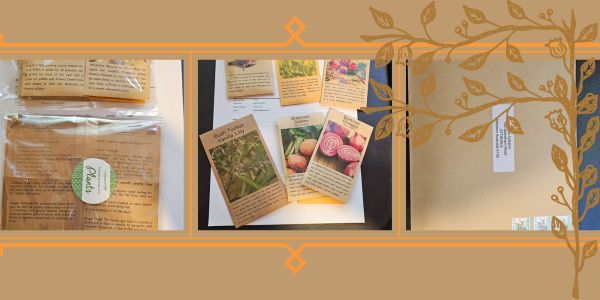
Not only are our seeds packed in recycled paper envelopes, we keep the theme going when we post out website orders. To protect your seeds from moisture and the letter box munchers (snails), we use a very special plastic free material made from plants. They are then put into recycled mailing envelopes. Green all the way 💚🌿
Delivery Guarantee
We take great care to make sure your seeds arrive safely. If your order is lost or damaged in transit, we’ll happily send a replacement. Unfortunately, we can’t replace or refund orders that arrive later than the estimated delivery date, as delays can sometimes occur that are outside our control.
Please note that all dispatch and delivery times listed are estimates only. While we do our best to post promptly, delivery timeframes can vary due to postal service delays, weather events, or other unforeseen circumstances. We’re unable to take responsibility for any loss, damage, or cost that results from a late delivery.
An order is not considered missing until at least 20 business days have passed from the postage date. You’ll receive an email once your seeds have been posted, letting you know they’re on their way. If you don’t see it in your main inbox, please check your Spam or Promotions folders as sometimes our emails like to hide there.
See all our verified customer reviews on our official CusRev profile.