



Native Blue Ginger
$6.59
Alpinia Caerulea
- Seed Count 10
- Bush Tucker
- Perennial
In stock
Description
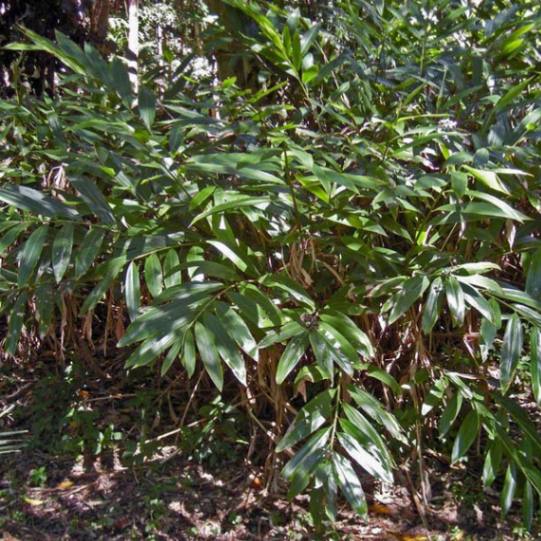
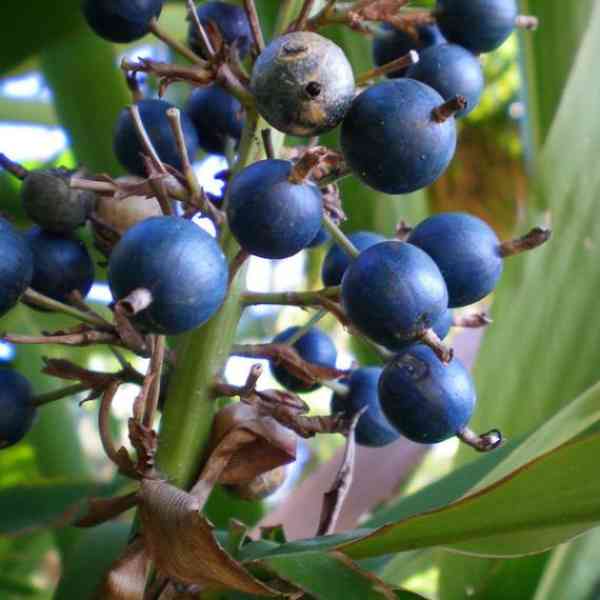
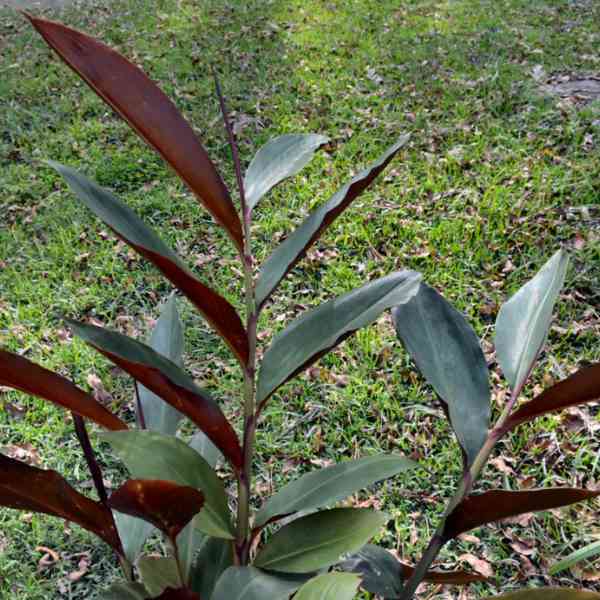
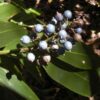
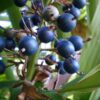
There’s something quietly magnificent about Native Blue Ginger—something in the way its lush, broad leaves fan out, how the bright blue berries pop against the greenery, or maybe it’s just how well it pulls its weight in both the garden and the kitchen. It belongs to the Zingiberaceae family—the same one that gives us culinary gems like ginger, turmeric, galangal, and cardamom. It shares that same spicy-sweet lineage and offers its own subtle bush tucker flavour: a mild, tangy zing, not unlike a cross between green ginger and lemon myrtle.
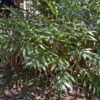
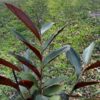
This is a perennial clumping shrub that forms a dense, leafy base up to two metres tall and around one metre wide when mature. It makes a lovely focal point when used as a feature plant, especially in shaded parts of the garden where not many other edibles will thrive. Whether you’ve got a patch under trees, along the southern side of a fence, or a slightly damp, sheltered corner that’s begging for some attention—this is the plant for the job. It works beautifully as a backdrop for flowering natives, as a soft screen around patios or pool areas, or just as a way to fill those long, awkward gaps where nothing else seems to fit.
In the kitchen, this is a true bush tucker plant, used for its edible roots, shoots, and berries. The young rhizome tips are subtly aromatic, gently warming without overwhelming and can be used fresh or lightly cooked to add an earthy zing to stir-fries, curries, or herbal teas. The fruit, while not everyone’s cup of tea straight off the plant, brings a unique tartness and striking colour when used as a garnish or steeped for a native-style cordial. Even the leafy shoots have their place in the pantry being mild, green, and fresh, with a hint of pepper and citrus when young.
For many gardeners, it’s the visual impact and the low maintenance nature of the plant that seals the deal. Once established, it’s a tough, adaptable plant that doesn’t ask for much. While it naturally prefers a bit of shade and moisture, it’s surprisingly hardy and will tolerate part sun and less-than-ideal conditions, so long as it’s not exposed to harsh, drying winds or extreme cold. It doesn’t like frost so if you’re gardening in a cooler zone, you’ll want to look at creating a microclimate or choosing a more protected spot, perhaps under the canopy of a taller shrub or tree, or even close to a warm wall.
Another charm of this plant is how well it lends itself to pot culture. Pop it in a large container, give it a semi-shaded position, and you’ve got yourself a lovely indoor feature with edible benefits. The foliage stays lush and healthy with the right care, and while flowering or fruiting may not happen indoors, the rhizomes will keep quietly growing under the surface. It’s a beautiful addition to a balcony, verandah, or even indoors near a sunny window—especially if you like the idea of having fresh native flavour close to the kitchen..
One of the loveliest things about Native Blue Ginger is that it offers a multi-sensory experience in the garden. It’s not just the look of the foliage, or the electric blue of the berries, it’s the way the plant softens a space. It rustles gently in the breeze. It casts a soft shadow that cools the soil below. It attracts native birds, especially fruit-eaters, and small beneficial insects. In this way, it supports a thriving garden ecosystem without demanding the spotlight.
| Method: Start in trays | Soil Temp: 20°C - 24°C |
| Cool Mountain: Sep - Dec | Position: Filtered Light |
| Arid: Aug - Oct | Spacing: 1 m apart |
| Temperate: Sep - Nov | Planting Depth: 2mm |
| Sub Tropical: Sep - Nov | Harvest: 365 days |
| Tropical: Dec - May | Plant Height: 2 m |
🌱 Native Ginger Grow Guide
✨ Overview
Native to the rainforests of eastern Australia, native ginger is a hardy clumping perennial that thrives in part-shade with consistent moisture. It’s known for its lush green foliage and edible blue fruits (fleshy with small seeds inside) and young shoots that can be eaten raw or cooked.
🥄 Sowing Native Ginger from Seed
Growing native ginger from seed is a slow journey, as the seeds take their time germinating, anywhere from 1 to 6 months, depending on conditions. But don’t let that put you off! Once established, the plants are low-maintenance and long-lived.
🌿 Seed Prep
- Harvesting: If collecting your own seed, wait until the blue fruits are fully ripe. Inside are small black seeds.
- Cleaning: Remove the fleshy pulp completely as it contains germination inhibitors. Rinse thoroughly.
- Scarification (Optional): Some gardeners gently nick the seed coat or soak seeds in warm water for 12–24 hours to speed up germination.
🪴 Sowing in Trays (Recommended)
Native ginger grows best when started in controlled conditions.
- Timing: Best sown in spring to early summer when soil temperatures rise.
- Trays & Mix: Use a deep seed tray or forestry tubes filled with a free-draining native seed-raising mix (low in phosphorus).
- Depth: Sow seeds around 1 cm deep.
- Moisture: Mist gently and keep consistently moist but not soggy.
- Light & Warmth: Place in a warm, shaded spot, ideally around 25°C. A heat mat can help, especially in cooler regions.
- Patience: Germination can take several months, so don’t toss the tray too soon!
💡 Tip: Use a fine layer of washed coarse sand over the mix to help prevent damping off and fungal issues.
🌿 Sowing Direct (Not Ideal)
Sowing direct into the garden isn’t usually recommended because of the long germination time and risk of seed loss to pests or fungi. However, if you do try:
- Choose a well-drained, shady area that mimics rainforest conditions.
- Prepare the soil with plenty of organic matter.
- Mulch lightly to retain moisture and mimic natural leaf litter.
Expect lower germination rates compared to tray sowing.
🌼 Transplanting & Growing On
Once your seedlings have emerged and are sturdy enough to handle (usually with 3–4 true leaves), transplant them carefully.
- Timing: Transplant in late summer or early autumn when conditions are warm and moist.
- Spacing: Allow 50–100 cm between plants as they’ll eventually form a dense clump.
- Position: Part-shade is ideal such as under a tree canopy, along a shaded path, or in a food forest setup.
- Soil: Rich, well-drained soil with lots of organic matter.
- Water: Keep consistently moist, especially during dry periods.
💚 Once settled, native ginger becomes quite tough. It’s frost-tender but tolerates light frosts once mature.
🌸 Companion Planting with Native Ginger
Native ginger slots beautifully into a subtropical or native edible garden. Its lush habit helps create a humid microclimate and supports layered planting.
🤝 Good Companions:
- Finger Lime – Both enjoy a semi-shaded, moist spot and thrive with organic mulch.
- Midyim Berry (Austromyrtus dulcis) – Compact and sweet, perfect at the ginger’s base.
- Warrigal Greens (Tetragonia) – A ground cover that thrives in the same conditions.
- Lemon Myrtle – Adds scent and structure; plant nearby to attract beneficial insects.
- Tree Ferns & Shade-loving Natives – To create a rainforest vibe and shelter.
🌿 Avoid Planting With:
- Plants that need dry or alkaline soils.
- Fast-spreading ground covers that could crowd seedlings during their slow early stages.
🧺 Seed Saving Guide
Saving seed from native ginger is possible, but it’s a longer-term investment since the plant may take a couple of years to fruit.
🫐 Harvesting Fruit:
- Wait until the blue berries are fully ripe (usually in late summer to early autumn).
- Pick gently and process immediately to avoid moulding.
🔬 Extracting Seeds:
- Split the berries open and scoop out the seeds.
- Remove all the pulp, a sieve and running water help.
- Dry seeds on paper towel in a shaded, well-ventilated area for about a week.
💡 Tip: Clean seeds thoroughly as any leftover fruit can inhibit germination or attract mould.
📦 Storage:
- Once fully dry, store seeds in a paper envelope inside an airtight container in the fridge.
- Label with species name and date.
- Seeds remain viable for 12–18 months with proper storage, though fresher is better.
🌿 Extra Tips for Growing Success
- Mulch well with leaf litter or sugarcane mulch to mimic forest floor conditions.
- Feed lightly with a native-safe seaweed tonic or low-phosphorus organic liquid feed every few months.
- Watch for slugs and snails on young seedlings—protect with barriers or traps.
🌞 Final Thoughts
Growing native ginger from seed might take a while, but it’s well worth the wait. Once established, you’ll have a beautiful and functional plant that offers food, habitat, and a lush, tropical feel to your garden.
So if you’ve got a shady corner and a bit of patience, go ahead and give it a go. That slow-sprouting tray of seeds on your bench? It’s the beginning of something special.
2 reviews for Native Blue Ginger
| 5 star | 100% | |
| 4 star | 0% | |
| 3 star | 0% | |
| 2 star | 0% | |
| 1 star | 0% |
Postage Charge
Orders under $35 attract a $4.95 shipping charge. Orders $35 and above have free shipping.
Order Times
Seed orders are normally dispatched within three business days. You will receive an email when seeds are mailed out.
Postage Days
Seeds are mailed out Tuesday to Friday at 1pm. Except for the Friday of long weekends.
Postage Times
WA 2-3 Days: SA,NT 3-5 Days: NSW, ACT, QLD, VIC: 5-7 Days
Carrier
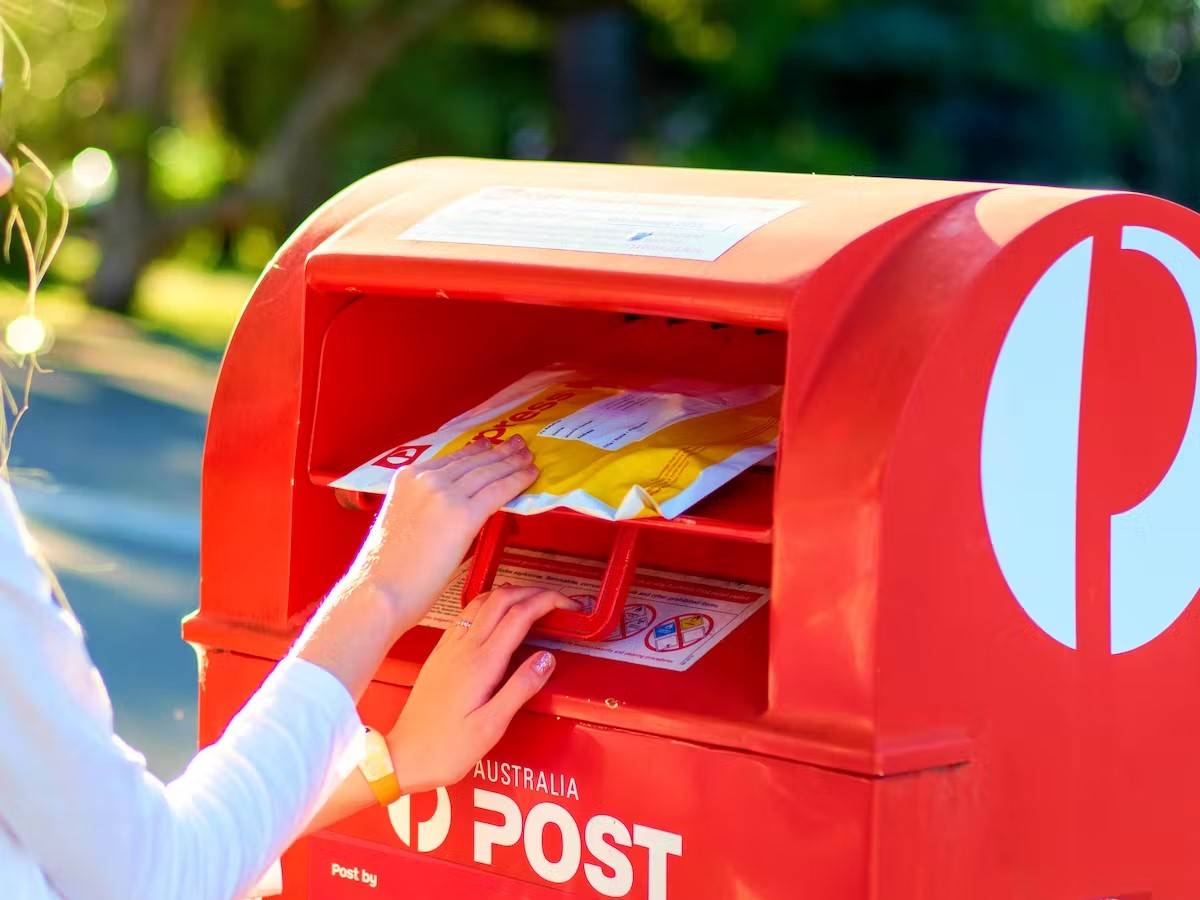
We use Australia Post Letter Postage for the majority of orders
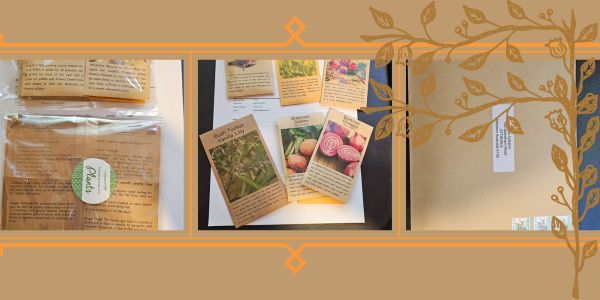
Not only are our seeds packed in recycled paper envelopes, we keep the theme going when we post out website orders. To protect your seeds from moisture and the letter box munchers (snails), we use a very special plastic free material made from plants. They are then put into recycled mailing envelopes. Green all the way 💚🌿
Delivery Guarantee
We take great care to make sure your seeds arrive safely. If your order is lost or damaged in transit, we’ll happily send a replacement. Unfortunately, we can’t replace or refund orders that arrive later than the estimated delivery date, as delays can sometimes occur that are outside our control.
Please note that all dispatch and delivery times listed are estimates only. While we do our best to post promptly, delivery timeframes can vary due to postal service delays, weather events, or other unforeseen circumstances. We’re unable to take responsibility for any loss, damage, or cost that results from a late delivery.
An order is not considered missing until at least 20 business days have passed from the postage date. You’ll receive an email once your seeds have been posted, letting you know they’re on their way. If you don’t see it in your main inbox, please check your Spam or Promotions folders as sometimes our emails like to hide there.

See all our verified customer reviews on our official CusRev profile.
See all our verified customer reviews on our official CusRev profile.