

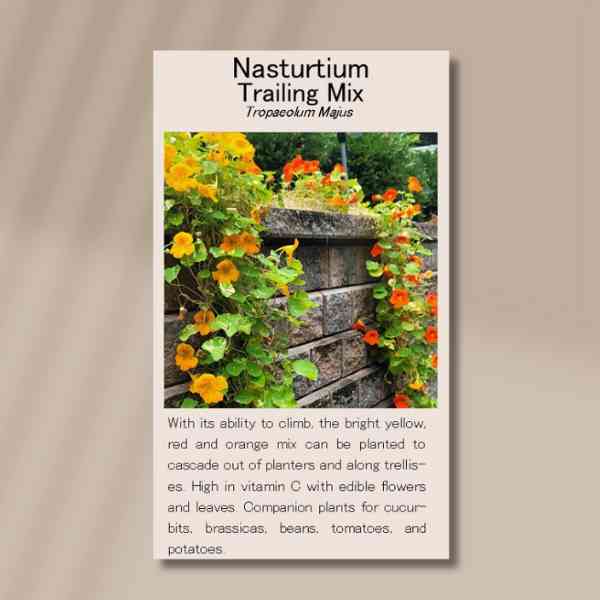






Nasturtium Trailing Mix
$4.95
Tropaeolum Majus
- Seed Count 15
- Edible Ornamental
- Annual
- Height 2 m
In stock
Description
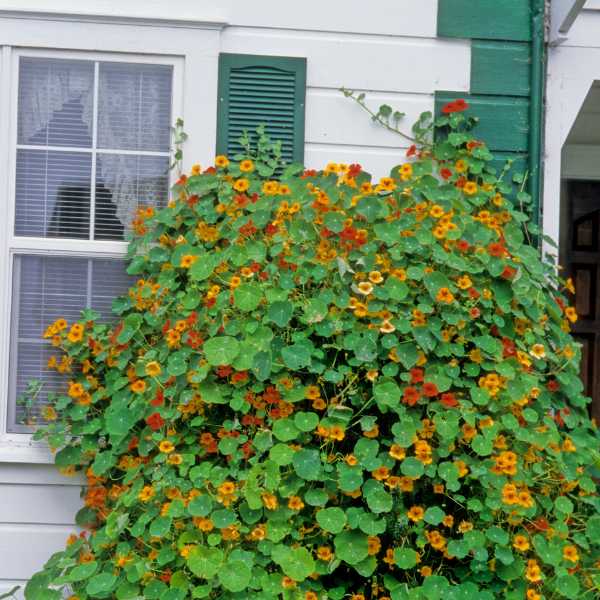
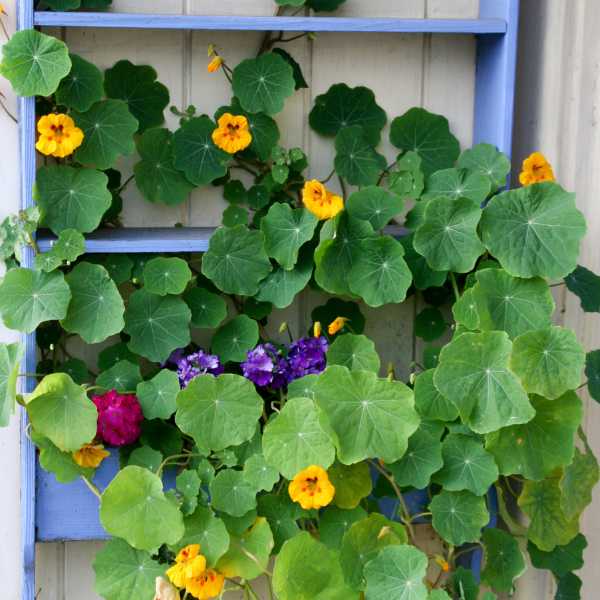
There are some plants that just seem to have it all: colour, usefulness, charm, and a knack for thriving without fuss. Nasturtium Trailing Mix is one of those rare garden treasures that asks for very little and gives back in abundance. With a climbing and cascading habit, it tumbles beautifully from pots and hanging baskets, trails over garden walls, and will happily scramble up a trellis or weave its way through other plants in a bed. The effect is both abundant and natural, like a cheerful waterfall of colour. The flowers come in a lively blend of bright yellow, rich red, and glowing orange, all bold, sun-kissed shades that catch the eye and lift the spirit.
But nasturtiums are not just about looks. They are one of those clever plants that quietly do a whole lot of work behind the scenes. A well-known companion plant, nasturtiums earn their place in the garden by helping to keep pests at bay. They are particularly good partners for cucurbits like zucchini, pumpkins, and cucumbers, as well as brassicas, beans, tomatoes, and potatoes.
Their peppery-scented leaves and blooms can deter pests such as aphids, whitefly, and even cabbage moth, making them an old-fashioned but effective form of natural pest management. In a mixed vegetable patch, nasturtiums are like the helpful neighbour who is always on hand to lend a hand. At the same time, nasturtiums are wonderful for attracting pollinators. Their nectar-rich blooms are loved by bees, hoverflies, and other beneficial insects.
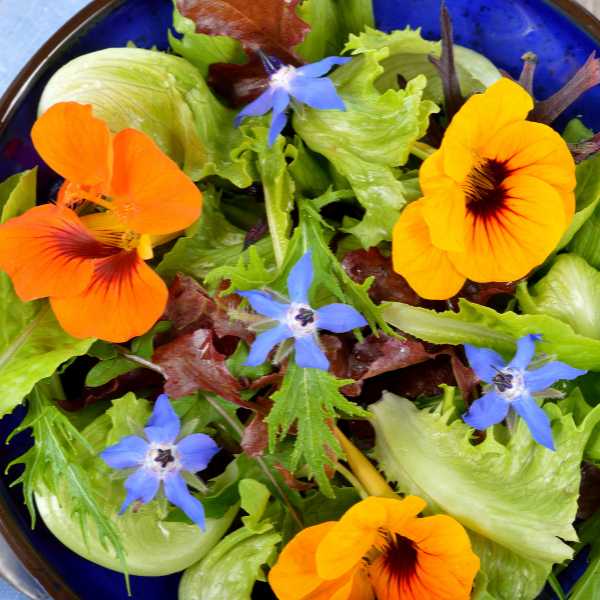
And then, of course, there’s the edible side to nasturtiums. Few flowers are as generous in this way. Both the leaves and flowers can be eaten, bringing a peppery, mustard-like taste to the table. The flavour is distinctive: fresh, lively, and just a little bit fiery, which makes it excellent for livening up a salad or garnishing a dish. The flowers add a splash of colour on the plate as well as in the garden, while the leaves work much like rocket or mustard greens. High in vitamin C, they bring a nutritional boost too. Gardeners who grow nasturtiums often say the pleasure of picking a handful of blooms for dinner guests never gets old. It’s one of those small but memorable ways to connect the garden and the kitchen.
If you ever find yourself with an abundance of nasturtium leaves – and chances are you will, given their vigorous growth – they can be used in creative ways beyond salads. A favourite trick is to make nasturtium pesto. Simply swap out the traditional basil for a good handful of fresh nasturtium leaves and you’ll end up with a bright, peppery version of this Italian classic. The result is excellent stirred through pasta, spread on crusty bread, or spooned over roasted vegetables. The flowers themselves can also be stuffed with soft cheese or used to top open sandwiches. It’s hard to think of another plant that can play such a versatile role in the kitchen, all while demanding so little in return.
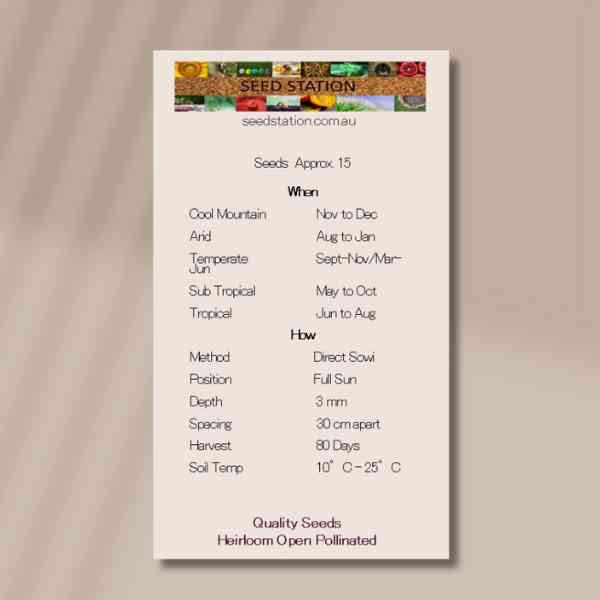
| Method: Sow direct or seedlings | Soil Temp: 10°C - 25°C |
| Cool Mountain: Nov - Dec | Position: Part sun |
| Arid: Aug - Jan | Row Spacing: 30 cm |
| Temperate: Sep-Nov, Mar-Jun | Planting Depth: 3 mm |
| Sub Tropical: May - Oct | Harvest: 80 Days |
| Tropical: Jun - Aug | Plant Height: Trailing 2 m |
Nasturtiums are one of those plants that tick all the boxes: easy to grow, edible, beautiful, and incredibly useful in the garden. Whether you’re after a splash of colour, a living mulch, or a handy companion plant, nasturtiums are up for the task. Their cheerful blooms and lush foliage make them a favourite with beginners and seasoned gardeners alike — and they practically thrive on neglect!
🌱 Sowing: Trays vs. Direct in the Garden
Nasturtiums are delightfully unfussy, and they tend to prefer direct sowing right where they’re going to grow. That said, there’s room for both approaches depending on your goals and climate.
✍️ Direct Sowing (Recommended)
In most parts of Australia, nasturtiums can be sown directly into the garden once the risk of frost has passed — typically late winter to mid-spring in temperate zones, and autumn or early spring in subtropical areas. In frost-free areas, they’ll even grow year-round!
- Simply plant seeds about 2cm deep, spaced 20–30cm apart.
- Choose a well-drained, sunny spot.
- Water in well and wait — germination usually takes 7–14 days.
🌿 Tip: They’ll grow faster and flower more prolifically in poorer soils — too much nitrogen and you’ll get leaves galore but few blooms.
✍️ Sowing in Trays
While they don’t love root disturbance, nasturtiums can still be started in trays if you want a head start.
- Use biodegradable pots to avoid transplant shock.
- Sow one seed per cell/pot, water gently, and keep in a sunny spot.
- Transplant after 3–4 weeks, once they have at least two true leaves and the weather is settled.
🌼 I often sow a few in trays for spot-filling later, especially if I’m mixing them through veggie beds or containers.
🔥 Is Seed Pre-treatment Needed?
Yes — but it’s quick and easy.
- Nasturtium seeds have a hard outer coat, so soaking them overnight in warm water helps speed up germination.
- Alternatively, you can nick the seed coat gently with a nail file to help water get in.
🪴 Soil and Position
Nasturtiums thrive in well-draining soil, and they’re happy in conditions that might leave fussier plants sulking.
- Soil: Light, poor to moderately fertile soil. Avoid rich compost when planting — it encourages leafy growth over flowers.
- Sun: Full sun is best, but they’ll tolerate partial shade, especially in hot regions.
- pH: Neutral to slightly acidic (around 6.0–7.5).
They’re very forgiving but don’t like waterlogged spots. If you’re planting in heavy clay, add some sand and compost to lighten the soil.
🌿 Care and Maintenance
Nasturtiums are the set-and-forget kind of plant, but a little love goes a long way:
- Watering: Water regularly until established. After that, they’re pretty drought-tolerant but do best with consistent moisture.
- Mulch: A light mulch helps retain moisture and keeps weeds down.
- Feeding: None required — feeding encourages too much leafy growth.
- Support: Trailing types can sprawl beautifully across beds or climb trellises with a little guidance. Compact types need no support.
🌼 Companion Planting Guide
Nasturtiums aren’t just pretty — they’re pest magnets in the best possible way. They draw in aphids, whiteflies, and cabbage moths away from your prized veggies. Plus, they attract beneficial insects like hoverflies and bees.
🌿 Great Companions:
- Brassicas (cabbage, broccoli, kale): Trap crop for aphids and cabbage white butterfly.
- Tomatoes: Attract pollinators and deter whiteflies.
- Beans and Peas: Help suppress weeds and attract pollinators.
- Zucchini and Cucumbers: Deter squash bugs and encourage beneficial insects.
✨ A ring of nasturtiums around your veg patch can work like a soft security fence — pretty but purposeful.
✂️ Harvesting
All parts of nasturtiums (except the roots) are edible and worth harvesting:
- Leaves: Young and tender for a peppery salad kick.
- Flowers: Beautiful and mild — perfect for garnishing dishes or floating in drinks.
- Seeds: Green seeds can be pickled as a ‘poor man’s caper’.
Harvest flowers and leaves regularly to encourage more growth. If you’re collecting seeds for eating or saving, let a few pods mature and dry on the plant.
🐛 Common Issues and Fixes
| Issue | Symptoms | Fixes |
|---|---|---|
| Aphids | Clusters on new growth, sticky residue | Hose off, encourage ladybirds, or use homemade soap spray |
| Cabbage white butterfly | Green caterpillars eating leaves | Hand-pick or use butterfly netting if planted near brassicas |
| Powdery mildew | White powder on leaves in humid weather | Improve airflow, water at soil level, remove affected leaves |
| Leggy growth, few flowers | Tall plants with few blooms | Cut back and reduce nitrogen-rich feed; plant in poorer soil |
| Root rot | Wilting despite moist soil | Improve drainage; avoid overwatering |
🧡 These plants are tough — most issues are cosmetic and won’t affect their overall charm or usefulness.
🌸 Seed Saving Guide
Saving nasturtium seeds is easy and rewarding — perfect for kids or beginner gardeners too!
- Let a few flowers form seed pods. These look like little green pebbles after the flower fades.
- Allow the pods to dry on the plant until they turn brown and drop to the ground.
- Collect seeds from the soil or snap them off by hand.
- Dry completely in a well-ventilated area for about a week.
- Store in a paper envelope in a cool, dry spot. Label with variety and date.
Seeds stay viable for up to 5 years if kept cool and dry!
🌻 Final Thoughts
In my own garden, nasturtiums weave their way through pathways, veggie beds, and pots — adding not just colour, but character. They remind me that gardening doesn’t have to be complicated to be beautiful or productive.
Whether you’re after colour, pollinators, edible garnishes, or a handy ally against pests, nasturtiums deliver in spades. They’re the kind of plant that rewards neglect but thrives with attention — perfect for busy gardeners, curious kids, or anyone who wants to get more out of their growing space.
So go on — tuck a few seeds in wherever there’s a gap. You’ll be surprised how much joy they bring.
1 review for Nasturtium Trailing Mix
| 5 star | 100% | |
| 4 star | 0% | |
| 3 star | 0% | |
| 2 star | 0% | |
| 1 star | 0% |

Postage Charge
Orders under $35 attract a $4.95 shipping charge. Orders $35 and above have free shipping.
Order Times
Seed orders are normally dispatched within three business days. You will receive an email when seeds are mailed out.
Postage Days
Seeds are mailed out Tuesday to Friday at 1pm. Except for the Friday of long weekends.
Postage Times
WA 2-3 Days: SA,NT 3-5 Days: NSW, ACT, QLD, VIC: 5-7 Days
Carrier
We use Australia Post Letter Postage for the majority of orders
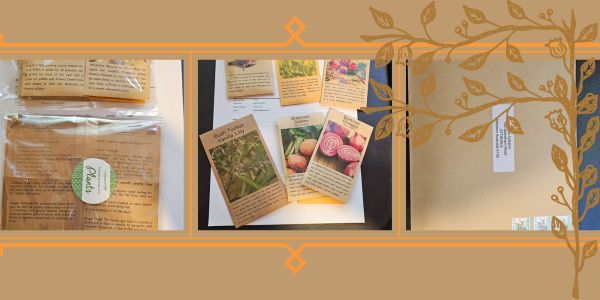
Not only are our seeds packed in recycled paper envelopes, we keep the theme going when we post out website orders. To protect your seeds from moisture and the letter box munchers (snails), we use a very special plastic free material made from plants. They are then put into recycled mailing envelopes. Green all the way 💚🌿
Delivery Guarantee
We take great care to make sure your seeds arrive safely. If your order is lost or damaged in transit, we’ll happily send a replacement. Unfortunately, we can’t replace or refund orders that arrive later than the estimated delivery date, as delays can sometimes occur that are outside our control.
Please note that all dispatch and delivery times listed are estimates only. While we do our best to post promptly, delivery timeframes can vary due to postal service delays, weather events, or other unforeseen circumstances. We’re unable to take responsibility for any loss, damage, or cost that results from a late delivery.
An order is not considered missing until at least 20 business days have passed from the postage date. You’ll receive an email once your seeds have been posted, letting you know they’re on their way. If you don’t see it in your main inbox, please check your Spam or Promotions folders as sometimes our emails like to hide there.
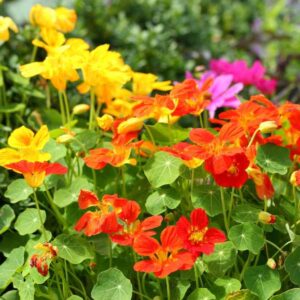
I planted these weeks ago in the garden and they are growing beautifully.
See all our verified customer reviews on our official CusRev profile.