

Mugwort
$4.95
Artemisia Vulgaris
- Seed Count 1000
- Medicinal And Culinary
- Perennial
In stock
Description
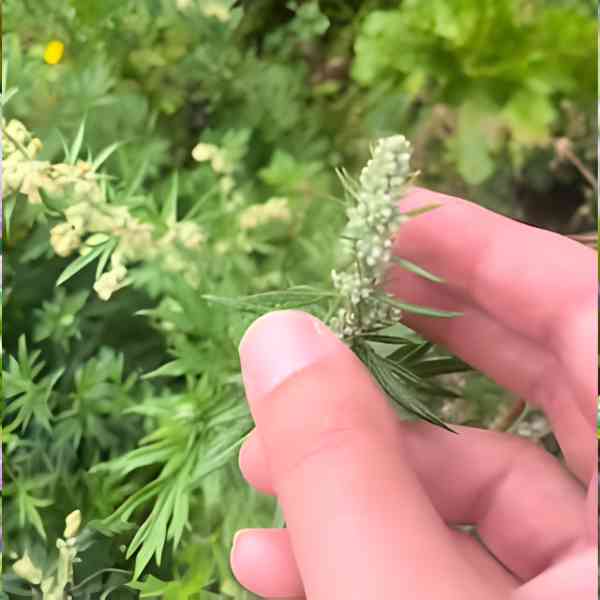
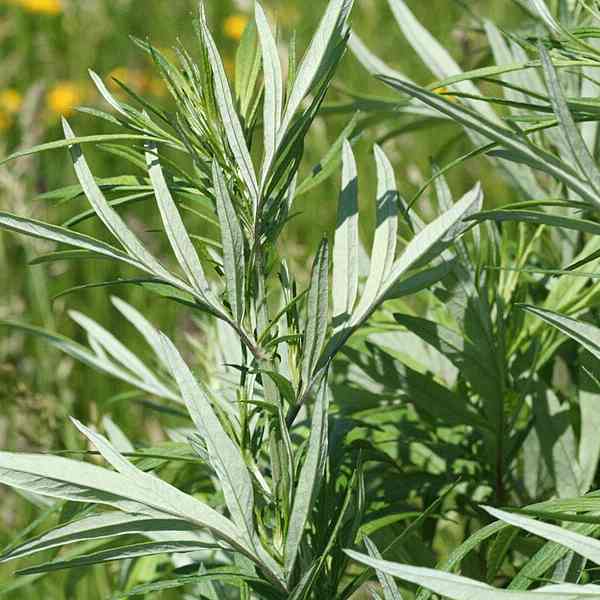
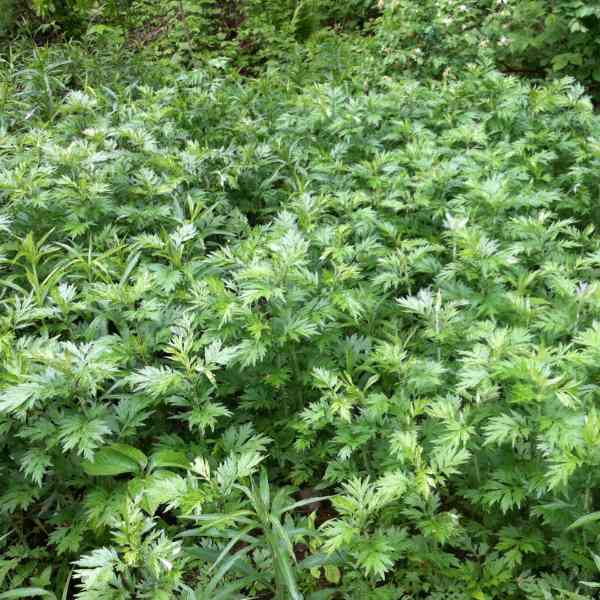
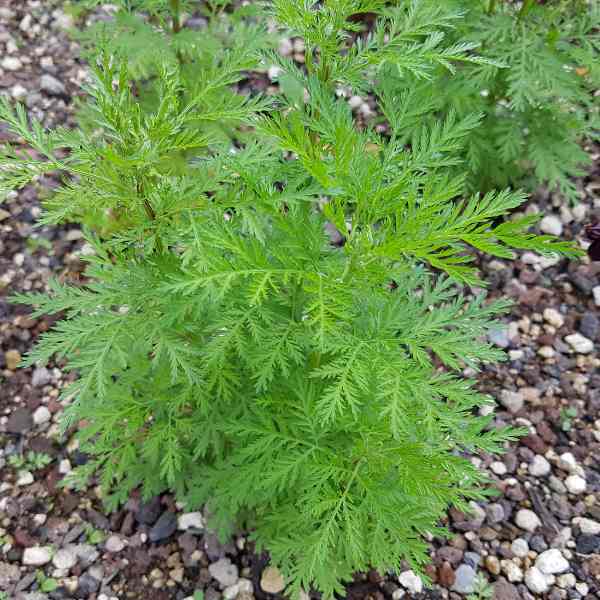
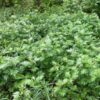
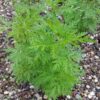
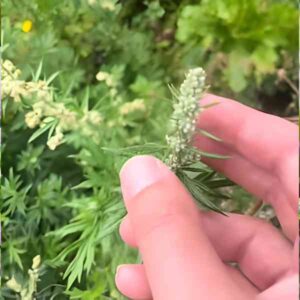
Mugwort is a tall, herbaceous perennial with a woody root system, long lived and deeply anchored, both literally and culturally. In the garden The foliage is one of its most distinctive features. The leaves are deeply lobed and smooth to the touch on the upper surface, with a dark green tint. Turn a leaf over and the underside is covered with a dense, silvery, cottony down. The erect stems are sturdy and often carry a red to purplish tinge, especially as the season progresses, giving the whole plant a slightly wild, untamed appearance. Mugwort is adaptable to most soils and conditions, which has helped it follow people across continents and generations.
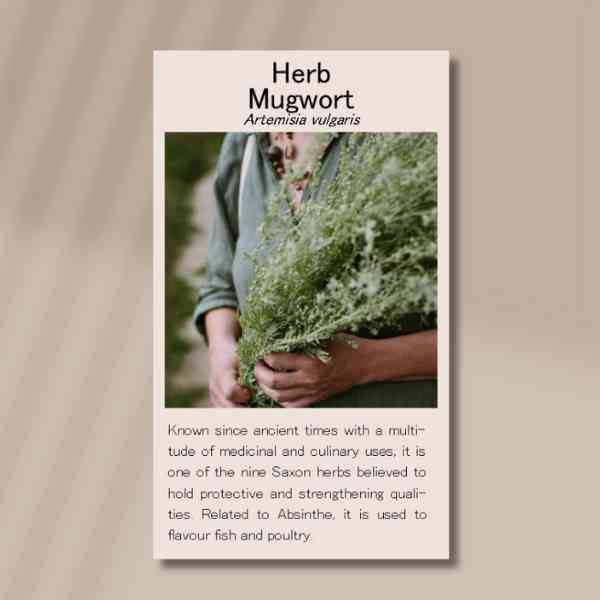
Mugwort has been known and used since ancient times, long before modern distinctions between culinary, medicinal, and ritual plants were drawn. It was part of daily life rather than a specialty item. In Anglo Saxon tradition it is listed as one of the nine sacred or magical herbs, believed to hold protective and strengthening qualities. These plants were not seen as superstition alone but as practical allies in a world where people relied on the land for health, food, and survival.
Its aroma is mellow and sage like, earthy and slightly sweet, with a depth that becomes more pronounced when the leaves are dried. Alongside this aroma comes a strong bittering quality. Mugwort was often a brewer’s herb of choice. It contributed bitterness, aroma, and character to early beers, as well as helping preserve them.
In the kitchen, Mugwort has been used with a light but confident hand. It is traditionally used with fish and poultry, where its aromatic bitterness helps cut through richness and add complexity. In European cooking it was often used to season fatty meats, particularly goose and duck, where bitterness and aroma were seen as essential counterpoints. In East Asian cuisines, Mugwort also appears in both savoury and sweet preparations, highlighting its versatility and broad cultural reach.
Medicinally, Mugwort has a long history as a folk remedy and like many traditional herbs, its use was based on observation, experience, and oral tradition passed down through generations. In folk medicine, Mugwort was often valued for its warming qualities and its perceived ability to support the body through cycles and transitions. While modern herbal practice approaches these traditions with care and respect, Mugwort’s reputation as a supportive herb remains strong in cultural memory.
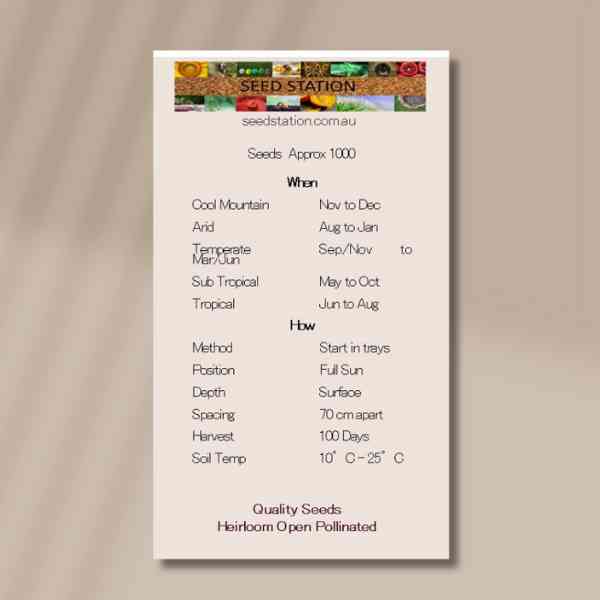
| Method:Sow direct or seedlings | Soil Temp:10°C - 25°C |
| Cool Mountain: Nov - Dec | Position: Part Shade |
| Temperate: Sep/Nov, Mar/Jun | Planting Depth: Surface |
| Sub Tropical: May - Oct | Row Spacing: 70 cm |
| Arid: Aug - Jan | Harvest: 100 Days |
| Tropical: Jun - Aug | Plant Height: 1.5 m |
🧺 Sowing: Trays vs. Direct
Starting in trays is the recommended method for mugwort in most Australian climates. Mugwort seeds are tiny and require light to germinate, so surface sowing is essential. Starting indoors or under cover helps control temperature, moisture, and protects the delicate seedlings from being lost in the patch.
Sowing Direct: Possible, but only in late spring or early summer once soil temperatures are reliably warm (18–22°C). You’ll need a fine, well-prepared seedbed, and may find germination patchy.
✍️ Tray Sowing Steps:
- Fill trays or punnets with seed-raising mix.
- Moisten the surface with a spray bottle.
- Scatter seeds thinly on the surface—do not cover with soil.
- Mist again gently to settle seeds.
- Cover with a humidity dome or plastic (optional) and place in a warm, bright position.
- Germination takes 10–21 days.
Transplant when seedlings have at least two sets of true leaves—space them out well, as they grow vigorously.
🌾 Is a Seed Pre-Treatment Required?
Mugwort seeds do not require pre-treatment to germinate, but stratification (refrigerating seeds for 2–3 weeks before sowing) may improve germination rates, especially if your seed stock is older or you’re sowing in warmer regions.
For best results:
- Chill seeds in a paper towel inside a sealed bag in the fridge for 2–3 weeks.
- Then sow as described above.
🌿 Soil & Position
Mugwort is undemanding but prefers:
- Soil: Free-draining, loamy to sandy soils. Poorer soils are fine, but enrich with compost if very depleted.
- pH: Neutral to slightly alkaline (6.5–7.5).
- Position: Full sun to part shade.
It doesn’t like wet feet, so avoid heavy clay unless well-drained. Once established, mugwort is quite drought-tolerant and suited to Australia’s dry spells.
🌞 Care & Maintenance
Mugwort is one of those “plant it and mostly forget it” perennials. That said, a bit of attention helps it thrive:
- Watering: Water regularly until established. Once settled, mugwort only needs water during prolonged dry periods.
- Feeding: Not necessary, but a spring side-dressing of compost or worm castings can support lush growth.
- Pruning: Cut back hard in late autumn or winter to keep it tidy and encourage fresh spring growth.
- Containment: Mugwort can spread via underground rhizomes. Consider growing in large pots or using root barriers in the ground.
🌼 Companion Planting Guide
Mugwort has natural insect-repelling qualities thanks to its aromatic oils. However, it also produces allelopathic chemicals—this means it can inhibit the growth of nearby plants, especially vegetables.
🌿 Best as a:
- Border or perimeter plant to deter pests.
- Pollinator attractor when in flower.
- Medicinal garden feature for dedicated herb beds.
❌ Avoid planting near:
- Brassicas (cabbage family)
- Legumes (beans, peas)
- Root vegetables (like carrots or beetroot)
Use it as a natural buffer or to break up perennial herb zones, rather than tucking it into intensive veg beds.
✂️ Harvesting Mugwort
Harvesting is straightforward, and there are a few ways to go about it depending on your goal:
- Young shoots and leaves: Best harvested in late spring through early summer before flowering. These are ideal for teas, smudging, or tinctures.
- Flowering tops: Harvest in mid to late summer. Flowers are small and inconspicuous, but this is when aromatic oils peak.
- Whole stems: Can be cut and hung to dry.
Drying: Hang bundles upside down in a dark, well-ventilated area until crispy. Then store in jars or bags out of direct light.
🐛 Common Issues and Fixes
| Issue | Symptoms | Fix |
|---|---|---|
| Overwatering | Yellowing leaves, limp growth | Improve drainage; cut back on watering. |
| Root rot | Foul smell, plant collapse | Remove affected plants; replant in better-drained soil. |
| Sprawling growth | Tall, floppy stems | Prune back mid-season to encourage bushier growth. |
| Invasive rhizomes | Spreading beyond intended area | Use root barriers or grow in large pots. |
| Aphids or spider mites | Curling leaves, sticky residue | Hose off, or spray with insecticidal soap or diluted neem oil. |
🌾 Seed Saving Guide
Mugwort flowers are small and wind-pollinated. Seed production can be inconsistent in very humid or wet summers, but in drier regions, you’ll likely get viable seed.
How to Save Mugwort Seeds:
- Allow plants to flower and fade on the stalk.
- Once seed heads turn dry and brown, clip them into a paper bag.
- Hang bag in a warm, dry place for a week to ensure full drying.
- Shake seeds loose from heads.
- Winnow off chaff by gently blowing or using a fine sieve.
Storage: Keep seeds in a cool, dark, dry spot. Label with the year—seeds stay viable for about 2–3 years.
🌸 Final Thoughts
Mugwort might not be a mainstream herb, but it certainly earns its place in a diverse garden. It brings beauty, height, scent, and tradition—and it’s tough as nails once established. While it does need a little thought when it comes to placement, the payoff is a perennial patch of resilience and calm.
Whether you’re growing for herbal uses, aesthetics, or pollinator support, mugwort adds a wonderfully wild edge to your garden. Start it from seed, give it a sunny home, and let it work its quiet magic.
4 reviews for Mugwort
| 5 star | 100% | |
| 4 star | 0% | |
| 3 star | 0% | |
| 2 star | 0% | |
| 1 star | 0% |

Postage Charge
Orders under $35 attract a $4.95 shipping charge. Orders $35 and above have free shipping.
Order Times
Seed orders are normally dispatched within three business days. You will receive an email when seeds are mailed out.
Postage Days
Seeds are mailed out Tuesday to Friday at 1pm. Except for the Friday of long weekends.
Postage Times
WA 2-3 Days: SA,NT 3-5 Days: NSW, ACT, QLD, VIC: 5-7 Days
Carrier
We use Australia Post Letter Postage for the majority of orders
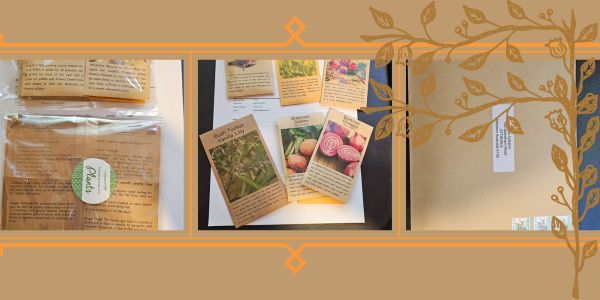
Not only are our seeds packed in recycled paper envelopes, we keep the theme going when we post out website orders. To protect your seeds from moisture and the letter box munchers (snails), we use a very special plastic free material made from plants. They are then put into recycled mailing envelopes. Green all the way 💚🌿
Delivery Guarantee
We take great care to make sure your seeds arrive safely. If your order is lost or damaged in transit, we’ll happily send a replacement. Unfortunately, we can’t replace or refund orders that arrive later than the estimated delivery date, as delays can sometimes occur that are outside our control.
Please note that all dispatch and delivery times listed are estimates only. While we do our best to post promptly, delivery timeframes can vary due to postal service delays, weather events, or other unforeseen circumstances. We’re unable to take responsibility for any loss, damage, or cost that results from a late delivery.
An order is not considered missing until at least 20 business days have passed from the postage date. You’ll receive an email once your seeds have been posted, letting you know they’re on their way. If you don’t see it in your main inbox, please check your Spam or Promotions folders as sometimes our emails like to hide there.
See all our verified customer reviews on our official CusRev profile.
See all our verified customer reviews on our official CusRev profile.
See all our verified customer reviews on our official CusRev profile.
See all our verified customer reviews on our official CusRev profile.