






Mizuna Ruby Streaks
$4.95
Brassica Japonica
- Seed Count 750
- Frilled Purple Leaves
- Annual
In stock
Description
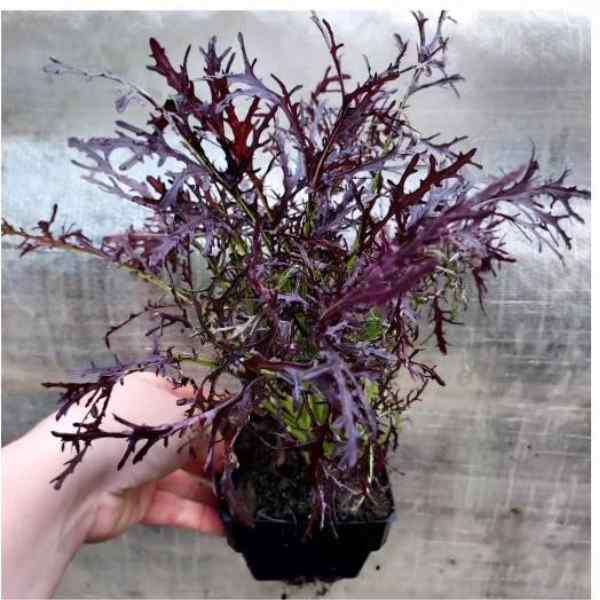
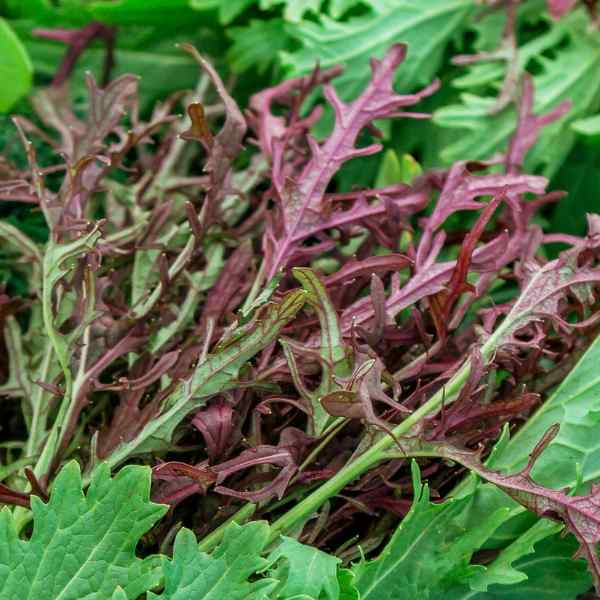
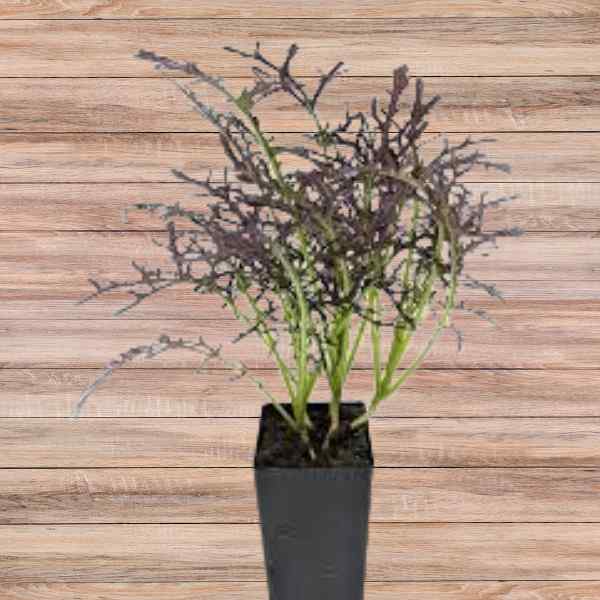
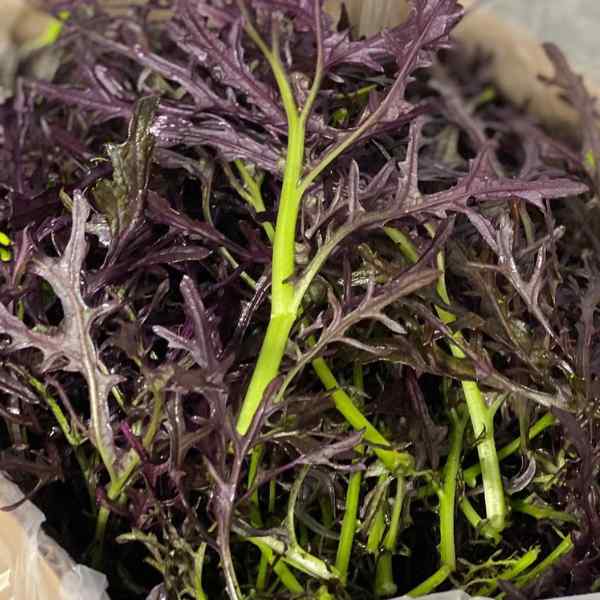
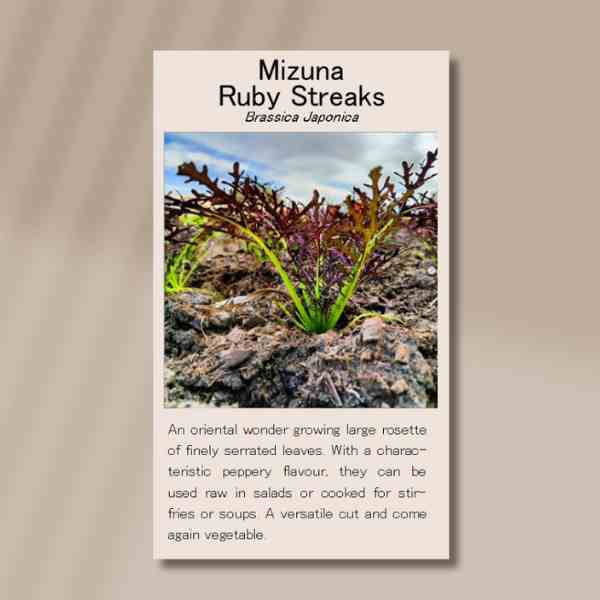
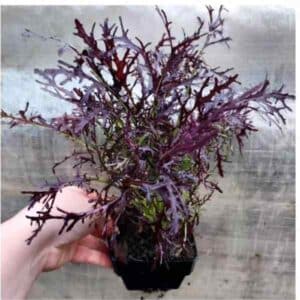
Mizuna Ruby Streaks has made its way from traditional Asian gardens into kitchens and salad bowls across the world carving out its place as a reliable, handsome, and flavour-packed leafy vegetable. It grows into a large rosette with finely serrated leaves that reminds many gardeners of rocket, though with a bit more flourish. It’s deep ruby and purple tones sweep through the frilled edges, blending with touches of bright green.
Mizuna Ruby Streaks has a taste that is fresh and lively without being too intense. It sits comfortably in that peppery flavour family, offering a subtle bite similar to mustard or rocket, but it doesn’t overwhelm the palate. This balance makes it an excellent addition to mixed salads, where it can contribute spice and brightness without stealing the whole show. Young leaves are tender, mild, and delicate, while mature leaves carry more of that peppery punch.
It is a fast grower with an upright habit, putting on growth quickly and generously. Its reputation as a “cut and come again” vegetable is well deserved. You can harvest individual leaves as you need them, snipping them fresh for dinner, or you can cut the whole rosette at once if you want a larger bundle.
It has the rare quality of being both cold hardy and slow to bolt in summer. That combination alone makes it stand out in the world of leafy greens. Many salad greens either wilt in the heat or sulk in the cold, but Ruby Streaks bridges the gap. In cooler weather, especially in autumn and winter, it holds up beautifully, delivering crisp leaves when other greens may have faded. This resilience is one reason it has become a favourite among home gardeners who like to keep their beds productive all year round.
It is worth mentioning too that Mizuna Ruby Streaks brings nutritional value to the plate. Like many leafy greens in the mustard family, it is rich in vitamins and minerals that support a healthy diet. Its peppery bite hints at compounds known for their beneficial properties, while the vibrant colour of the leaves points to antioxidant content. In short, it is not just attractive and tasty, but nourishing as well.
| Method: Sow direct | Soil Temp: 10°C - 35°C |
| Cool Mountain: Jan - Dec | Position: Full sun |
| Arid: Aug - Apr | Row Spacing 50 cm |
| Temperate: Jan - Dec | Planting Depth: 3 mm |
| Sub Tropical: Jan - December | Harvest: 65 Days |
| Tropical: Jan - Nov | Plant Height: 35 cm |
🌾 Sowing: In Trays vs. Direct
One of the first decisions you’ll make is whether to start mizuna in trays or sow it directly into the soil. Both methods work well, but they suit slightly different gardeners and conditions.
- Sowing in trays:
This gives you more control over germination. You can keep trays in a protected spot away from pests like slugs, and once seedlings are sturdy, transplant them into the garden. Trays are especially useful in cooler months or when you want to get a jump on the season. Seedlings usually transplant easily without much check to growth. - Direct sowing:
Mizuna is a fast germinator and doesn’t mind being direct sown. Scatter seed in rows or patches, thin later, and you’ll have baby greens within weeks. Direct sowing is ideal if you want a continual supply, as you can succession sow every few weeks.
Both ways work; it really comes down to whether you’d prefer neat rows and transplants or the ease of sprinkling seed straight into the ground.
🌿 Seed Pre-treatment
Mizuna seed does not require any pre-treatment. It’s a straightforward brassica—just sow and grow. A light covering of soil or fine compost is all that’s needed for good germination.
🌍 Soil and Position
Mizuna is a fairly forgiving crop, but like all greens, it shines when the soil is rich and friable.
- Soil: Aim for a loamy soil that holds moisture without becoming waterlogged. Incorporate compost or well-rotted manure before planting for strong growth. A neutral to slightly alkaline pH (6.5–7.5) is ideal.
- Position: Plant mizuna in full sun through winter and early spring. In the hotter months, it benefits from light shade to prevent stress and bolting. A spot that gets morning sun and afternoon shade works beautifully in warmer regions.
🌱 Care and Maintenance
Mizuna is quick-growing and doesn’t demand much, but a little care makes all the difference:
- Watering: Keep the soil consistently moist. Dry spells lead to bitterness and bolting. A layer of mulch helps conserve moisture.
- Feeding: A balanced, organic fertiliser or liquid seaweed feed every few weeks keeps leaves lush and tender.
- Weeding: Mizuna grows fast enough to shade weeds, but hand-weed when young to prevent competition.
- Succession planting: Sow new patches every 3–4 weeks for a steady harvest.
🌸 Companion Planting Guide
Mizuna plays nicely with many plants in the garden.
- Good companions:
- Carrots, beetroot, onions, and garlic (help deter pests).
- Lettuce and spinach (similar watering needs).
- Dill, coriander, and chamomile (encourage beneficial insects).
- Avoid planting with:
- Other brassicas (like cabbage, broccoli, kale) in the same spot season after season, as they share pests and diseases. Rotate beds to keep soil healthy.
🌾 Harvesting
Mizuna is generous in the way it grows.
- Baby leaves: Ready in as little as 3 weeks. Snip them with scissors and they’ll regrow for multiple cuts.
- Mature plants: Allow 6–8 weeks. Cut the whole rosette at the base or pick outer leaves as needed. Regular harvesting encourages fresh growth.
The flavour is mild with a peppery kick, so it works beautifully in salads, stir-fries, soups, or as a garnish.
🐛 Common Issues and Fixes
Here’s a simple table to keep on hand when problems arise:
| Problem | Likely Cause | Fix |
|---|---|---|
| Holes in leaves | Caterpillars or slugs/snails | Handpick, use beer traps, or cover plants with insect netting. |
| Plants bolting early | Heat stress or irregular watering | Provide shade in hot weather, keep soil consistently moist. |
| Yellowing leaves | Nutrient deficiency | Apply liquid fertiliser or add compost around plants. |
| Poor germination | Soil too dry or too hot | Keep seedbed moist, sow during cooler parts of the year. |
| Flea beetle damage | Tiny holes in leaves | Use row covers, encourage beneficial predators, keep soil damp. |
🌻 Seed Saving Guide
Mizuna is a brassica, so saving seed requires a little planning to prevent cross-pollination.
- Isolation: Mizuna will cross with other brassicas (like rocket, turnip, or mustard). If you want pure seed, grow only mizuna in the brassica family when saving seed, or separate crops by distance (at least 500m ideally).
- Allow to flower: Leave a few of your strongest plants in the ground. They’ll send up tall flower stalks with small yellow blooms that attract pollinators.
- Seed set: After flowering, slender pods form and gradually dry on the plant. Wait until pods turn pale brown.
- Harvesting seed: Snip off whole stems before pods split, then dry in a paper bag or on a cloth in a sheltered, airy spot.
- Cleaning: Once dry, gently crush pods to release the seed. Winnow or blow away the chaff.
- Storage: Store seed in a cool, dry place in labelled envelopes or jars. Properly stored, mizuna seed remains viable for 4–5 years.
🌟 Final Thoughts
Mizuna is one of those crops that rewards every gardener, beginner or seasoned, with quick results and delicious, versatile leaves. Its ability to grow in a wide range of conditions, bounce back after cutting, and add both flavour and beauty to the garden makes it a standout. Whether you’re sowing in trays to nurse along neat seedlings or scattering seed directly for a quick patch of greens, mizuna is easy-going and generous. With a little care, you’ll enjoy tender leaves in salads, robust greens in stir-fries, and, if you let a few plants flower, a fresh seed supply for years to come.

Postage Charge
Orders under $35 attract a $4.95 shipping charge. Orders $35 and above have free shipping.
Order Times
Seed orders are normally dispatched within three business days. You will receive an email when seeds are mailed out.
Postage Days
Seeds are mailed out Tuesday to Friday at 1pm. Except for the Friday of long weekends.
Postage Times
WA 2-3 Days: SA,NT 3-5 Days: NSW, ACT, QLD, VIC: 5-7 Days
Carrier
We use Australia Post Letter Postage for the majority of orders
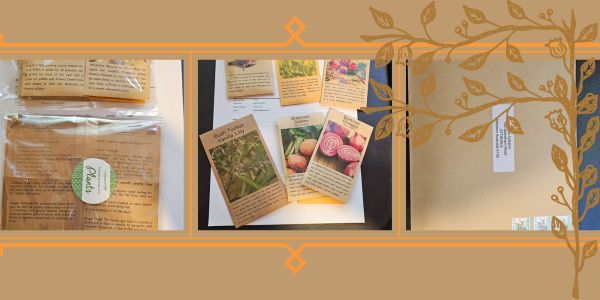
Not only are our seeds packed in recycled paper envelopes, we keep the theme going when we post out website orders. To protect your seeds from moisture and the letter box munchers (snails), we use a very special plastic free material made from plants. They are then put into recycled mailing envelopes. Green all the way 💚🌿
Delivery Guarantee
We take great care to make sure your seeds arrive safely. If your order is lost or damaged in transit, we’ll happily send a replacement. Unfortunately, we can’t replace or refund orders that arrive later than the estimated delivery date, as delays can sometimes occur that are outside our control.
Please note that all dispatch and delivery times listed are estimates only. While we do our best to post promptly, delivery timeframes can vary due to postal service delays, weather events, or other unforeseen circumstances. We’re unable to take responsibility for any loss, damage, or cost that results from a late delivery.
An order is not considered missing until at least 20 business days have passed from the postage date. You’ll receive an email once your seeds have been posted, letting you know they’re on their way. If you don’t see it in your main inbox, please check your Spam or Promotions folders as sometimes our emails like to hide there.
Reviews
There are no reviews yet