


Love Lies Bleeding
$4.95
Amaranthus Caudatus
- Seed Coun1500
- Spectacular Flowers & Edible Leaves
- Annual
In stock
Description
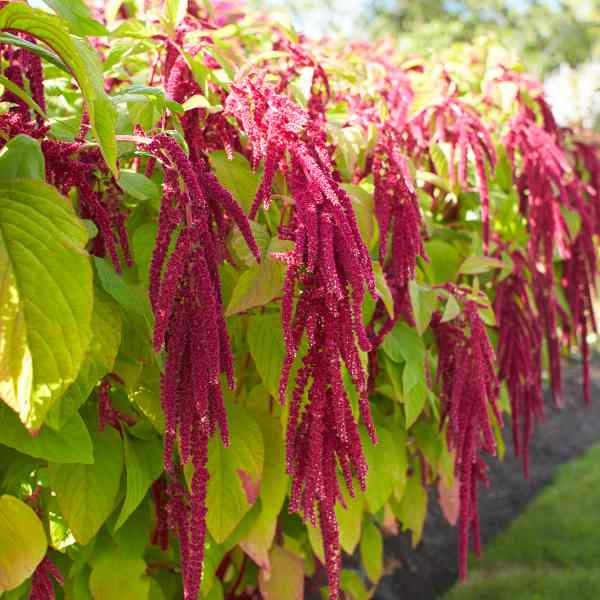
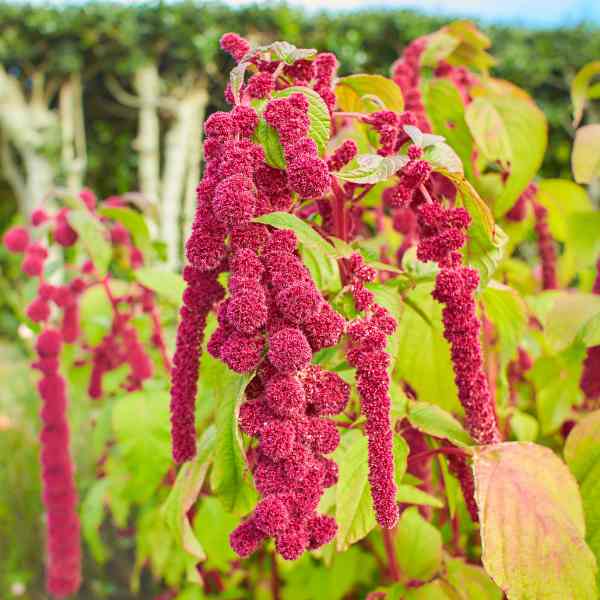
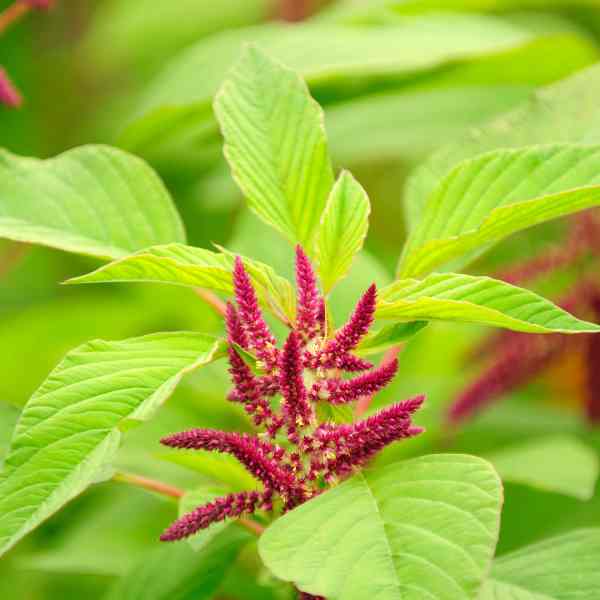
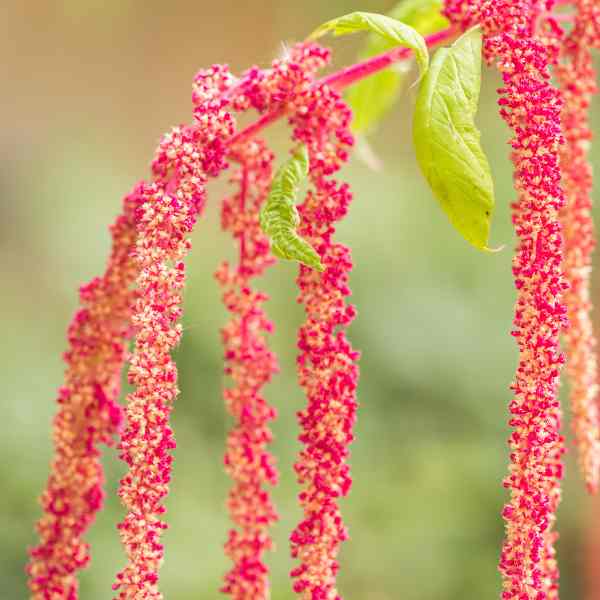
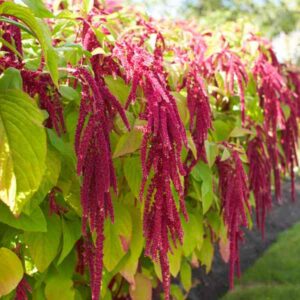
Love Lies Bleeding is a spectacular bushy annual with large, almost tropical leaves, over and through which the familiar tassels cascade to the ground. Each of these fascinating crimson or purple tassels is a colony of tightly packed, tiny flowers and lasts for many weeks on the plant.
The botanical name of Love-Lies-Bleeding derives from Greek and means ‘unfading flower’. This is an accurate description as the flowers are very long lasting cut flowers and they can be easily dried to extend the amount of time that you get to enjoy them. This ever-popular annual is perhaps more versatile than you might imagine – good in both the border and as a pot-plant.
While Love-Lies-Bleeding is usually grown for its ornamental value, it is also an edible plant. The leaves of the plant can be eaten when they are young and tender, and are similar in taste to spinach. To prepare the leaves, lightly boil them and add a knob of butter for flavor. The seeds of the plant are also edible and can be used in a variety of dishes. They can be cooked like rice or quinoa, or ground into flour for baking.
| Method: Sow direct | Soil Temp: 18°C - 30°C |
| Cool Mountain: Sep - Nov | Position: Full sun |
| Arid: Aug - Apr | Row Spacing: 50cm apart |
| Temperate: Sep - Mar | Planting Depth: 3mm |
| Sub Tropical: Aug - Apr | Harvest: 110 Days |
| Tropical: Apr - Aug | Plant Height: 2 m |
🌱 Sowing: In Trays vs. Direct in the Ground
🌿 Starting in Trays
For an early start or if you’re dealing with cooler spring soil, starting in trays is a smart move.
- Use seed-raising mix in shallow trays.
- Sow thinly, covering with just a sprinkle of mix or vermiculite—light aids germination, so don’t bury them deep.
- Keep moist and warm (around 20–25°C soil temperature). Germination is fast—5–10 days.
Tray-sown seedlings transplant easily. Just be gentle with the roots, as amaranth doesn’t love root disturbance once it gets bigger.
🌿 Direct Sowing
In warm climates or later in the season, you can sow directly.
- Rake your bed smooth, water well, and scatter seeds thinly.
- Firm down gently—don’t bury them deeply.
- Thin out once seedlings are 5–10 cm tall, spacing to about 30 cm apart for leaf harvest, or 45–60 cm for flowering types.
💧 Pre-treatment Required?
None needed—amaranth germinates readily without pre-soaking or scarification. Just sow and keep consistently moist during germination.
🌞 Soil & Position
Amaranth thrives in full sun, loving long, hot days. The ideal soil is:
- Well-drained, even slightly sandy
- Rich in organic matter, but not overly nitrogen-heavy (too much and you’ll get lush leaves but fewer flowers)
- pH range of 6.0–7.5
Add compost or aged manure before planting. It’s a good idea to mulch around plants once they’re up and growing, to retain moisture and suppress weeds.
🌿 Care & Maintenance
Amaranth is drought-tolerant once established, but performs better with consistent moisture—especially if you’re harvesting tender leaves. Here’s what to keep in mind:
- Watering: Deeply 1–2 times a week; don’t let it dry out when young.
- Feeding: A liquid feed every fortnight helps with leaf production. Seaweed or compost tea works beautifully.
- Support: Tall flowering varieties may need staking in windy spots.
- Weeding: Keep the area weed-free early on to avoid competition.
Keep harvesting the leaves regularly and deadhead flowers if you don’t want it going to seed too early.
🌸 Companion Planting Guide
Amaranth is a great neighbour in the garden:
| Companion | Benefits |
|---|---|
| Corn | Amaranth provides groundcover and corn offers shade in extreme heat. |
| Tomatoes | Helps with soil coverage and pest confusion. |
| Basil | Attracts pollinators and repels aphids. |
| Nasturtiums | Acts as a trap crop for pests like aphids and flea beetles. |
| Beans | Fix nitrogen and support leafy growth. |
Avoid planting with spinach or beetroot—they’re from the same family and may attract the same pests.
✂️ Harvesting
You can start harvesting baby leaves as soon as the plant is around 20 cm tall—just a few from each plant to keep it growing.
- Leaf Harvest: Pinch out the top leaves regularly for the most tender growth.
- Flower Harvest: Tall, plumy flower spikes are ready for fresh arrangements or drying once fully formed—usually 8–12 weeks from sowing, depending on the variety.
If growing for seed, let the flowers mature and dry on the plant.
🐛 Common Issues & Fixes
Here’s a quick troubleshooting table for common problems:
| Issue | Symptoms | Fix |
|---|---|---|
| Aphids | Sticky leaves, curling tips | Spray with soapy water, encourage ladybirds |
| Flea beetles | Tiny holes in leaves | Use floating row covers early on |
| Downy mildew | Yellow patches under leaves | Improve air circulation, avoid overhead watering |
| Root rot | Wilting despite moist soil | Ensure soil is well-drained, avoid waterlogging |
| Bolting (early flowering) | Rapid tall growth | Stress response—ensure even watering and don’t overfeed |
🌾 Seed Saving Guide
Saving amaranth seed is easy and satisfying—just be sure you’re growing an open-pollinated or heirloom variety.
- Let flower heads fully dry on the plant. They’ll turn brown and feel crisp to the touch.
- Cut and dry further in a warm, dry place on paper or mesh.
- Rub the seed heads gently to release tiny seeds.
- Winnow to remove chaff (a small fan or breeze helps separate the seed).
- Store in a labelled paper envelope in a cool, dry spot. Viable for 3–5 years when kept dry.
Amaranth is wind and insect-pollinated, so if you’re growing multiple varieties, give them at least 500 m spacing to reduce cross-pollination.
🌼 Final Thoughts
Amaranth really earns its place in any Australian garden—especially if you love colour and kitchen productivity. It grows quickly, handles heat like a champion, and rewards you with striking flower spikes, nutritious greens, and even edible seeds if you let them mature.
Whether you’re tucking some in as a leafy green for summer stir-fries, or growing the bold flowering types as a backyard showstopper, amaranth is both forgiving and generous.
So go ahead—scatter a few seeds, and let this ancient plant bring a splash of drama and utility to your garden beds.

Postage Charge
Orders under $35 attract a $4.95 shipping charge. Orders $35 and above have free shipping.
Order Times
Seed orders are normally dispatched within three business days. You will receive an email when seeds are mailed out.
Postage Days
Seeds are mailed out Tuesday to Friday at 1pm. Except for the Friday of long weekends.
Postage Times
WA 2-3 Days: SA,NT 3-5 Days: NSW, ACT, QLD, VIC: 5-7 Days
Carrier
We use Australia Post Letter Postage for the majority of orders
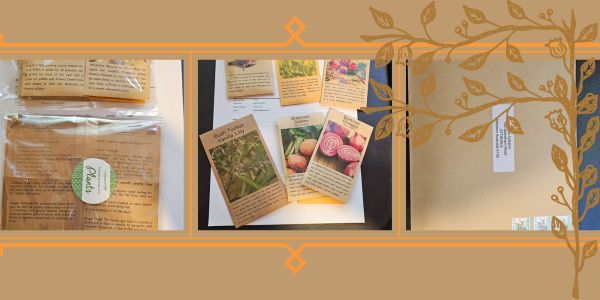
Not only are our seeds packed in recycled paper envelopes, we keep the theme going when we post out website orders. To protect your seeds from moisture and the letter box munchers (snails), we use a very special plastic free material made from plants. They are then put into recycled mailing envelopes. Green all the way 💚🌿
Delivery Guarantee
We take great care to make sure your seeds arrive safely. If your order is lost or damaged in transit, we’ll happily send a replacement. Unfortunately, we can’t replace or refund orders that arrive later than the estimated delivery date, as delays can sometimes occur that are outside our control.
Please note that all dispatch and delivery times listed are estimates only. While we do our best to post promptly, delivery timeframes can vary due to postal service delays, weather events, or other unforeseen circumstances. We’re unable to take responsibility for any loss, damage, or cost that results from a late delivery.
An order is not considered missing until at least 20 business days have passed from the postage date. You’ll receive an email once your seeds have been posted, letting you know they’re on their way. If you don’t see it in your main inbox, please check your Spam or Promotions folders as sometimes our emails like to hide there.
Reviews
There are no reviews yet