

Kangaroo Paw Manglesii
$6.59
Anigozanthos Manglesii
- 150 seeds
- Floral Emblem of WA
- Perennial
In stock
Description
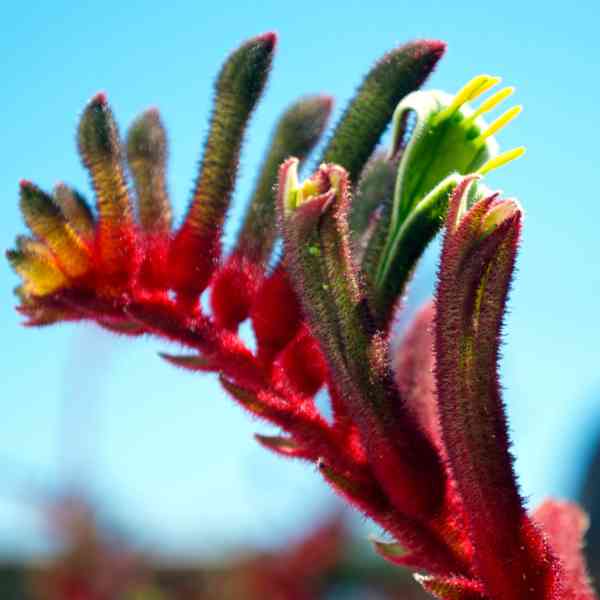
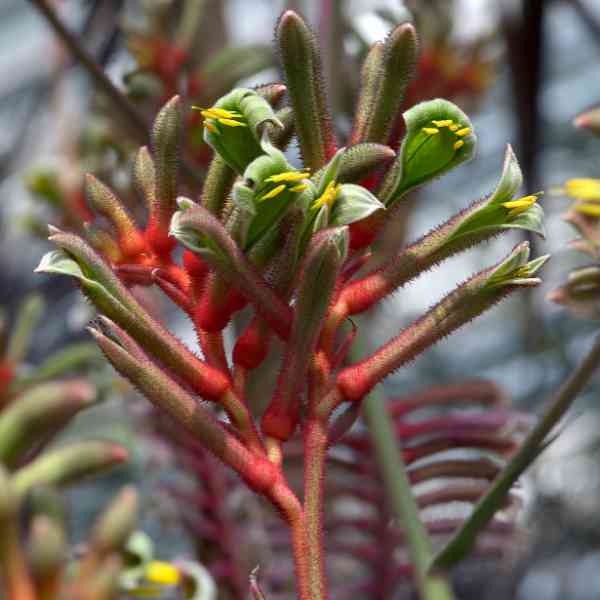
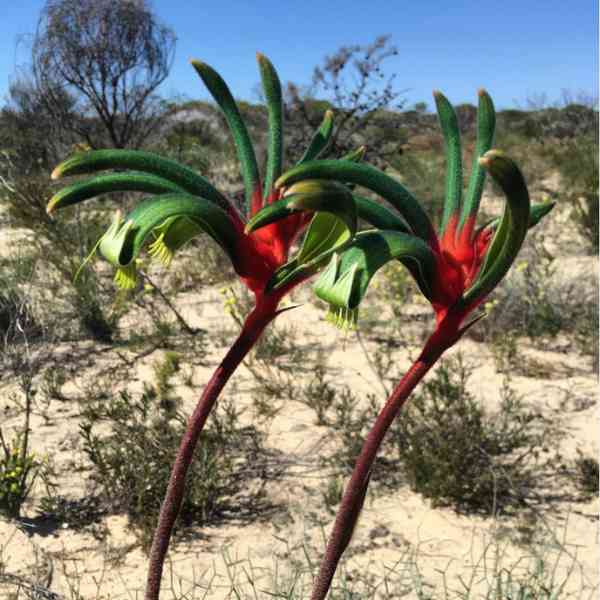
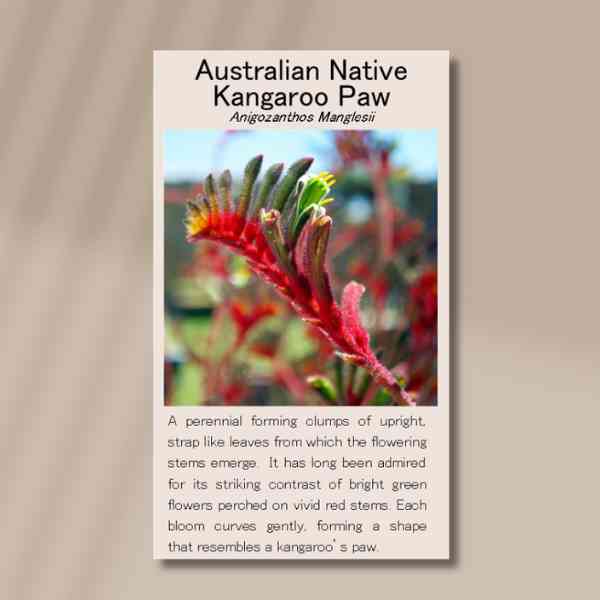
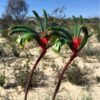
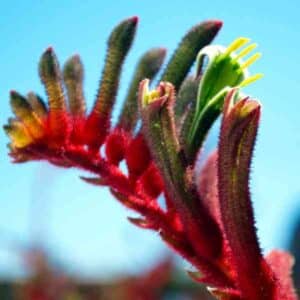
The Kangaroo Paw Manglesii is a species that feels uniquely Australian in every sense. Bold, vibrant and just a little bit wild, it captures the colour and character of the landscape it comes from. Native to the south west of Western Australia, it has long been admired for its striking contrast of bright green flowers perched on vivid red stems. Each bloom curves gently, forming a shape that really does resemble a kangaroo’s paw.
Flowering begins in late winter and continues right through spring and into summer. At a time of year when many gardens are still waking up, The Kangaroo Paw is already in full colour. Those tall stems rise above the strappy foliage, often reaching close to a metre in height, creating a strong vertical accent. In a mixed planting, they stand proudly above lower growing companions, bringing both height and movement.
The colour combination is what truly sets this species apart. The intense red stems are bold and clean, not muddy or dull. The green flowers sit at the top like bright crowns. Together they create a vibrant contrast that feels fresh and energetic. It is a pairing that works beautifully in both naturalistic plantings and more structured garden designs.
As a perennial, Anigozanthos Manglesii forms clumps of upright, strap like leaves from which the flowering stems emerge. In ideal conditions it will persist for several years, building into a generous display. That said, it can be somewhat short lived in periods of high rainfall or humidity. In its native habitat, it is accustomed to sandy, free draining soils and a climate with dry summers. When grown in areas that experience heavier rainfall or higher humidity, its lifespan can be reduced.
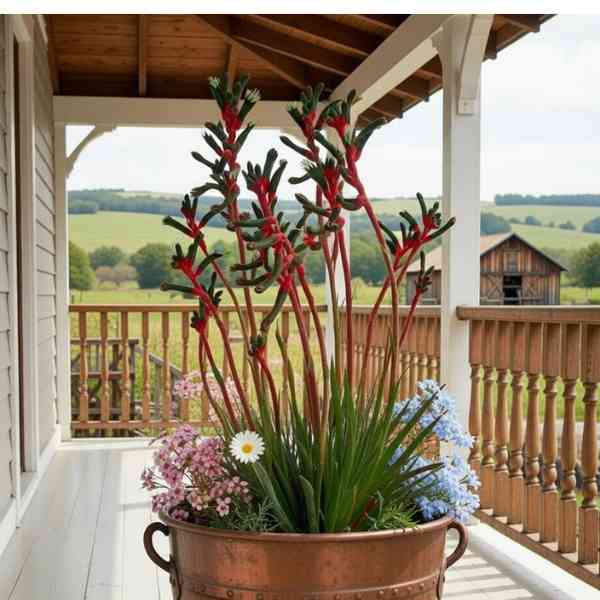
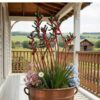
This is where thoughtful placement makes all the difference. Raised beds and large pots offer the drainage and airflow that this species appreciates, helping to extend its growing life. In large containers, it performs exceptionally well. The upright stems and vivid colouring make it a standout feature plant for patios, courtyards and entryways. Even a single well grown clump can create a strong focal point.
Beyond the garden, Kangaroo Paws have long been valued as a cut flower. The stems are sturdy and long, and the flowers hold their colour beautifully. Arranged in a vase, they bring that same bold Western Australian spirit indoors. Florists prize them for their texture and unique form, which pairs well with both native foliage and more traditional blooms.
There is also a cultural significance to this species. As the floral emblem of Western Australia, it appears in artwork, logos and community celebrations. It is a plant that represents place, resilience and natural beauty. For many people, it is a symbol of home. Growing it from seed adds another layer of connection.
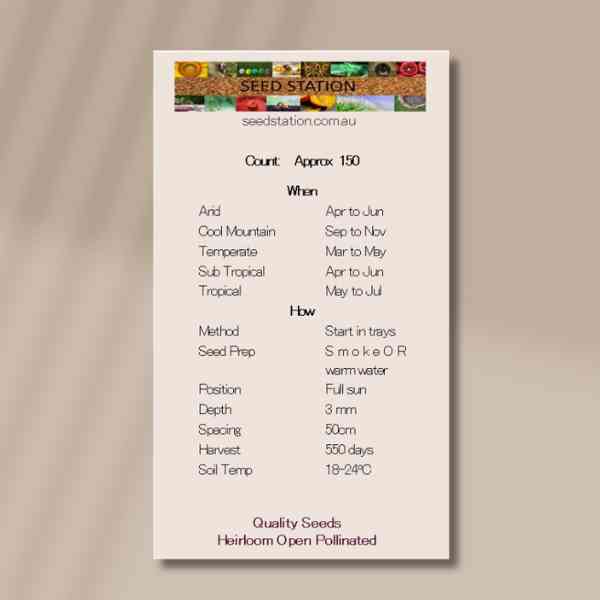
| Method: Sow direct | Soil Temp: 18°C - 24°C |
| Cool Mountain: Sep - Nov | Position: Full sun |
| Arid: Apr - Jul | Spacing: 50cm apart |
| Temperate: Mar - May | Planting Depth: 3mm |
| Sub Tropical: Apr - Jun | Harvest: 550 days |
| Tropical: May - Jul | Plant Height: 1 m |
🌱 Starting from Seed: Trays vs Direct Sowing
Kangaroo paw manglesii grows naturally in sandy, well drained soils and germinates after seasonal rains. In the garden, you can either raise seedlings in trays or sow directly where they are to grow.
Sowing in Trays
Starting in trays gives you greater control, especially if you are working in heavier soils or unpredictable weather.
Use a native seed raising mix that is free draining and low in phosphorus. Good drainage is essential. Fill trays or small pots, firm lightly, and place the seeds on the surface. Cover lightly with a fine layer of mix or coarse sand, about 3 to 5 mm deep.
Water gently and keep the mix just moist, not wet. Position trays in a bright spot with filtered light. Germination usually occurs within 3 to 6 weeks, though it can be a little slower in cooler conditions.
Once seedlings develop a few true leaves and a small but established root system, transplant carefully into their final position. Try not to disturb the roots too much.
Direct Sowing
Direct sowing works well in sandy, well prepared soil, especially in autumn when natural conditions suit germination.
Prepare the soil by loosening it and removing weeds. Scatter the seed, lightly rake over and water in. Keep the area moist until germination occurs. Direct sown plants often establish strong root systems because they are not disturbed.
In most parts of southern Australia, autumn to early winter is the ideal sowing window. In warmer regions, sowing during the cooler months is safest.
🌾 Is Seed Pre Treatment Required?
Fresh seed of Anigozanthos manglesii generally does not require complex pre treatment. However, germination can be improved with a few simple techniques:
- Soaking seed in warm water for 24 hours before sowing can help soften the seed coat.
- Some growers use smoke water or smoke treated vermiculite, as many Australian natives respond well to smoke compounds that mimic bushfire conditions.
While not strictly necessary, these steps can improve germination rates and evenness, particularly with older seed.
☀️ Soil and Position
This is where many gardeners either succeed beautifully or struggle.
Kangaroo paw demands:
- Excellent drainage
- Low phosphorus soil
- Full sun for best flowering
If you garden on sandy soil, you are already halfway there. If your soil is clay based or holds water, consider raised beds or mounding to improve drainage. Wet feet are the fastest way to lose these plants.
Full sun encourages strong stems and vibrant flower colour. In part shade, plants may grow but flowering can be reduced and stems may become floppy.
Avoid rich manures or high phosphorus fertilisers. If feeding is needed, use a native specific fertiliser that is low in phosphorus.
💧 Care and Maintenance
Once established, kangaroo paw manglesii is relatively low maintenance.
Watering
During establishment, water regularly but allow the soil surface to dry slightly between watering. Once mature, plants tolerate dry spells well. Overwatering is far more harmful than underwatering.
Mulching
Apply a light layer of coarse mulch to suppress weeds and moderate soil temperature. Keep mulch clear of the crown to prevent rot.
Pruning
After flowering, cut spent flower stems down to the base. This encourages fresh growth and keeps the plant tidy. Remove any dead or yellowing leaves as needed.
Longevity
In the garden, Anigozanthos manglesii is often treated as a short lived perennial. It may flower strongly for a few seasons before declining. Allowing some plants to set seed ensures natural regeneration.
🌿 Companion Planting Guide
Kangaroo paw pairs beautifully with other Australian natives that enjoy similar conditions. Think dry, sunny, well drained.
Good companions include:
- Grevillea varieties for contrasting foliage and nectar rich flowers
- Eremophila species for additional colour in dry conditions
- Scaevola as a low growing groundcover
- Native grasses such as Themeda triandra for texture and movement
- Chrysocephalum apiculatum for golden flower contrast
These plants share similar water and soil preferences, reducing the risk of overwatering. They also create a habitat friendly garden that attracts birds and pollinators.
Avoid pairing with thirsty annuals or heavy feeding vegetables, as their needs are quite different.
✂️ Harvesting Flowers
Kangaroo paw manglesii makes a stunning cut flower.
Harvest stems when the first few flowers on the spike have opened. Use clean secateurs and cut early in the morning when stems are fully hydrated. Place immediately into clean water.
Regular cutting can actually encourage further flowering, as it prevents the plant from diverting energy into seed production too early.
⚠️ Common Issues and Fixes
| Problem | Likely Cause | Solution |
|---|---|---|
| Yellowing leaves | Poor drainage or overwatering | Improve drainage, reduce watering, consider raised beds |
| Blackened crown | Fungal rot from wet soil | Remove affected plant, improve airflow and drainage |
| Weak or floppy stems | Insufficient sun | Move to a sunnier position |
| Poor flowering | Too much shade or high phosphorus fertiliser | Increase sun exposure, switch to native fertiliser |
| Aphids on flower stems | Soft new growth attracting pests | Hose off with water or use insecticidal soap |
Most issues trace back to one core factor: drainage. If you get the soil right, half the battle is won.
🌾 Seed Saving Guide
Saving your own kangaroo paw seed is straightforward and deeply satisfying.
- Allow flowers to mature fully on the plant. Do not cut all stems if you want seed.
- As flowers fade, seed pods will develop along the stem.
- Leave pods to dry naturally on the plant. They will turn brown and dry when mature.
- On a dry day, cut the entire stem and place it upside down in a paper bag.
- Allow it to dry further indoors for a week or two.
- Shake gently to release seed.
Clean away chaff and store seed in a labelled paper envelope or airtight container in a cool, dry place. Properly stored seed can remain viable for several years.
If you allow some seed to fall naturally in the garden, you may notice volunteer seedlings the following season. This mimics its natural life cycle in Western Australia.
🌼 Final Thoughts
Growing Anigozanthos manglesii from seed is one of those projects that connects you directly to the Australian landscape. There is something special about watching that first fuzzy red and green claw emerge, knowing you started it from a tiny seed.
If you focus on drainage, full sun, and restraint with watering, you are well on your way. Do not be discouraged if your first attempt is not perfect. Native plants often teach us to adjust our habits, especially if we are used to pampering vegetables and cottage flowers.
In my experience, once you understand that kangaroo paw prefers lean conditions and good airflow, it becomes much easier to grow. Give it the conditions it loves, and it will reward you with one of the most striking floral displays in the Australian garden.
And truly, there is nothing quite like seeing those bright paws glowing in the sunlight, knowing you grew them yourself. 🌺

Postage Charge
Orders under $35 attract a $4.95 shipping charge. Orders $35 and above have free shipping.
Order Times
Seed orders are normally dispatched within three business days. You will receive an email when seeds are mailed out.
Postage Days
Seeds are mailed out Tuesday to Friday at 1pm. Except for the Friday of long weekends.
Postage Times
WA 2-3 Days: SA,NT 3-5 Days: NSW, ACT, QLD, VIC: 5-7 Days
Carrier
We use Australia Post Letter Postage for the majority of orders
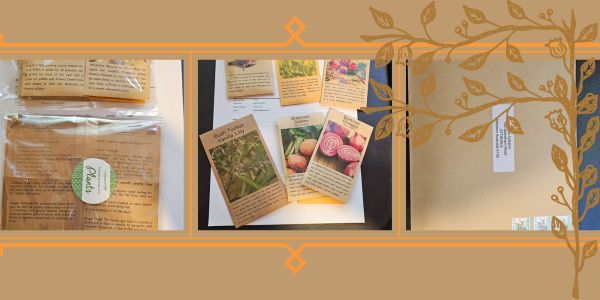
Not only are our seeds packed in recycled paper envelopes, we keep the theme going when we post out website orders. To protect your seeds from moisture and the letter box munchers (snails), we use a very special plastic free material made from plants. They are then put into recycled mailing envelopes. Green all the way 💚🌿
Delivery Guarantee
We take great care to make sure your seeds arrive safely. If your order is lost or damaged in transit, we’ll happily send a replacement. Unfortunately, we can’t replace or refund orders that arrive later than the estimated delivery date, as delays can sometimes occur that are outside our control.
Please note that all dispatch and delivery times listed are estimates only. While we do our best to post promptly, delivery timeframes can vary due to postal service delays, weather events, or other unforeseen circumstances. We’re unable to take responsibility for any loss, damage, or cost that results from a late delivery.
An order is not considered missing until at least 20 business days have passed from the postage date. You’ll receive an email once your seeds have been posted, letting you know they’re on their way. If you don’t see it in your main inbox, please check your Spam or Promotions folders as sometimes our emails like to hide there.
Reviews
There are no reviews yet