
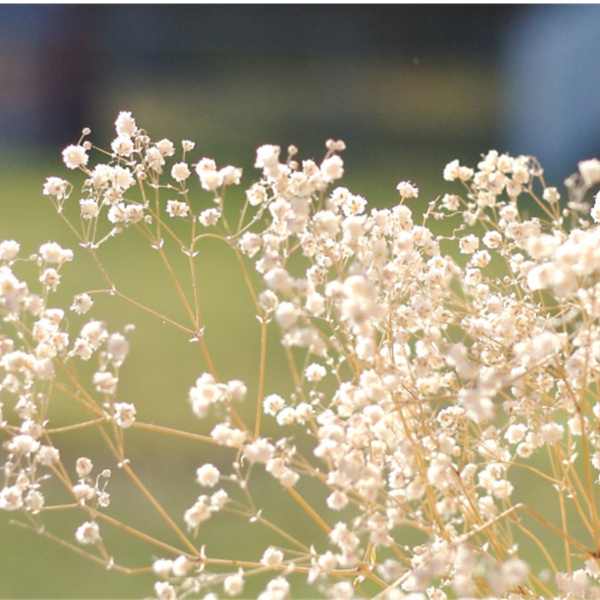


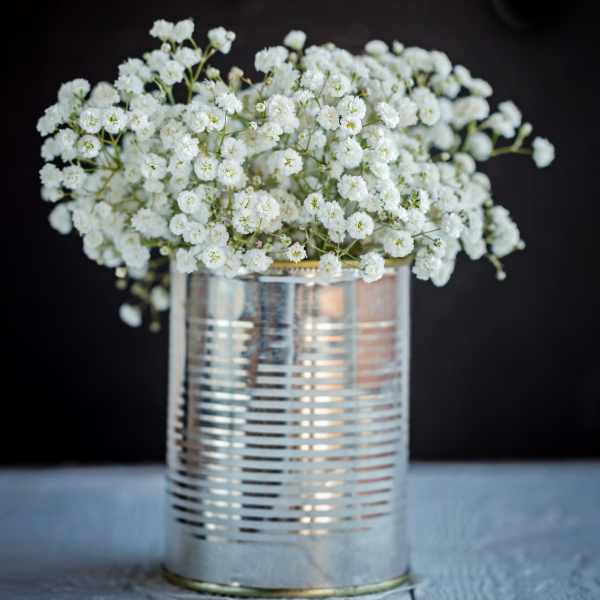








Gypsophila Snowflake
$4.95
Gypsophilia Paniculata
- Seed Count 350
- Gorgeous Cut Flower
- Perennial
- Height 90 cm
In stock
Description
Gypsophila Snowflake, better known to many as Baby’s Breath, is a visual multitasker. In the garden, it forms decorative mounds of feathery blue-green foliage, reaching up to 90cm in height and spreading 60cm wide. But it’s the flowers that steal the show. From late spring through summer, the plant becomes dotted with countless tiny, pure white blooms that linger, creating a long-lasting display that seems to hover above the foliage like a delicate veil.
Pair it with bold, vivid blooms such as roses or dahlias and watch how it softens their intensity, and planted en masse, it transforms into a sea of white suiting cottage gardens, modern landscapes, and everything in between.
Once established, it’s remarkably resilient, tolerating both drought and poor soils and its compact, self-supporting habit means minimal fuss with no staking or constant pruning. It simply does its job, year after year, with a solid reliability.
And then there’s its secondary life as a cut flower. Gypsophila’s tiny blooms are the florists’ secret weapon, adding volume, texture, and a touch of romance to bouquets. The stems dry beautifully, too, retaining their shape and colour long after summer fades. For anyone who loves bringing the garden indoors, this plant is ideal.
| Method: Sow direct or seedlings | Soil Temp: 10°C - 25°C |
| Cool Mountain: Nov - Dec | Position: Full sun |
| Arid: Aug - Jan | Row Spacing: 25 cm apart |
| Temperate: Sep-Nov, Mar-Jun | Planting Depth: 3 mm |
| Sub Tropical: May - Oct | Harvest: 80 days |
| Tropical: Jun - Aug | Plant Height: 90cm |
🏡 Sowing: In Trays vs. Direct in Ground
| Method | Pros | Cons | Tips |
|---|---|---|---|
| In Trays | Greater control over temperature, moisture, and pests; easier transplanting for uniform rows. | Transplant shock possible if root disturbance occurs. | Use biodegradable pots or transplant at seedling stage before roots get tangled. |
| Direct Sowing | Less effort, no transplanting needed. Ideal for mass plantings. | Seeds are tiny and can be displaced easily. Germination might be patchy. | Best for warmer zones with consistent weather; thin seedlings once sprouted. |
🌞 Soil & Position
- Sun: Full sun is essential—at least 6 hours a day.
- Soil:
- Light, well-draining soil is a must.
- Slightly alkaline soils (pH 7.0–7.5) are ideal.
- Add lime to acidic soils before planting.
- Drainage: Avoid heavy clay. Raised beds or sandy loam work best.
🌼 In my own garden, Gypsophila thrives along gravel paths and raised edges—it loves that free-draining setup.
🪴 Care & Maintenance
- Watering: Water gently during germination, then reduce once established. Overwatering is a common issue—this is a drought-tolerant plant once settled.
- Feeding: Not heavy feeders. A light feed of seaweed or compost tea at transplanting is plenty.
- Support: Taller varieties may need staking if grown in windy spots.
Pinching Tip:
You can pinch young seedlings to encourage bushier growth and more flower stems—perfect for cut flower production.
🌸 Companion Planting Guide
| Companion | Benefit |
|---|---|
| Roses | Gypsophila complements rose beds, offering a visual softness and attracting beneficial insects. |
| Lavender | Similar sun and soil needs; good for attracting pollinators. |
| Cosmos, Nigella, Larkspur | All enjoy similar conditions; good for cottage garden style. |
| Avoid planting near | Heavy feeders or sprawling, vigorous growers that may crowd or overshadow Gypsophila. |
✂️ Harvesting for Cut Flowers or Dried Use
- Best Time to Harvest:
When 1/3 to 1/2 of the flowers on each stem are open. - Method:
Cut stems in the early morning. Use clean snips and place directly into water. - Drying:
Hang small bunches upside down in a dark, dry, well-ventilated space. It holds shape and colour beautifully for months.
🐛 Common Issues & Fixes
| Problem | Symptom | Fix |
|---|---|---|
| Poor Germination | Sparse or no seedlings emerge | Don’t sow too deep—Gypsophila seeds need light to germinate. Keep moist but not wet. |
| Damping Off | Seedlings collapse and rot at soil level | Improve air flow, avoid overwatering. Sterilise trays before sowing. |
| Yellowing Leaves | Often from waterlogging or acidic soil | Check drainage. Add lime if soil is too acidic. |
| Aphids | Clusters on buds and stems | Spray off with water or apply insecticidal soap. Introduce ladybugs. |
| Flopping Plants | Weak stems collapse | Stake taller varieties, avoid over-fertilising. Plant in full sun. |
🌾 Seed Saving Guide
Saving Gypsophila seed is quite straightforward—and very rewarding.
- Let it Bloom & Fade:
Leave some stems on the plant to go to seed. The flowers will dry and produce small brown seed pods. - Harvesting:
Once the pods are dry and papery, snip off the whole stem and collect into a paper bag. - Drying:
Let the pods dry another week or two in a cool, dry spot. - Processing:
Gently crush the pods over a fine sieve to separate the seeds. They’re tiny, so take your time. - Storage:
Store in a labelled envelope in a cool, dark place. Seeds are viable for 2–3 years.
One of my favourite seed-saving tips is to do this on a breezy day—but stay in a protected spot or you’ll lose half your seeds to the wind!
🌿 Final Thoughts
Gypsophila may seem delicate, but don’t be fooled—it’s hardy, drought-tolerant, and quite forgiving once established. Whether you’re filling borders, boosting your cut flower patch, or drying your own homegrown bunches for gifts and crafts, this airy beauty earns its keep.
💡 Beginner Tip:
Start with tray sowing to boost success, then move to direct sowing once you’re familiar with its needs.
💬 My take? An afternoon spent sowing Gypsophila is a quiet investment in future bouquets—and joy. Once you see those first white or blush-pink blooms, you’ll be hooked!
2 reviews for Gypsophila Snowflake
| 5 star | 100% | |
| 4 star | 0% | |
| 3 star | 0% | |
| 2 star | 0% | |
| 1 star | 0% |

Postage Charge
Orders under $35 attract a $4.95 shipping charge. Orders $35 and above have free shipping.
Order Times
Seed orders are normally dispatched within three business days. You will receive an email when seeds are mailed out.
Postage Days
Seeds are mailed out Tuesday to Friday at 1pm. Except for the Friday of long weekends.
Postage Times
WA 2-3 Days: SA,NT 3-5 Days: NSW, ACT, QLD, VIC: 5-7 Days
Carrier
We use Australia Post Letter Postage for the majority of orders
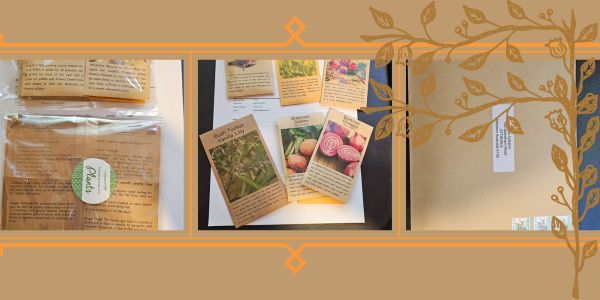
Not only are our seeds packed in recycled paper envelopes, we keep the theme going when we post out website orders. To protect your seeds from moisture and the letter box munchers (snails), we use a very special plastic free material made from plants. They are then put into recycled mailing envelopes. Green all the way 💚🌿
Delivery Guarantee
We take great care to make sure your seeds arrive safely. If your order is lost or damaged in transit, we’ll happily send a replacement. Unfortunately, we can’t replace or refund orders that arrive later than the estimated delivery date, as delays can sometimes occur that are outside our control.
Please note that all dispatch and delivery times listed are estimates only. While we do our best to post promptly, delivery timeframes can vary due to postal service delays, weather events, or other unforeseen circumstances. We’re unable to take responsibility for any loss, damage, or cost that results from a late delivery.
An order is not considered missing until at least 20 business days have passed from the postage date. You’ll receive an email once your seeds have been posted, letting you know they’re on their way. If you don’t see it in your main inbox, please check your Spam or Promotions folders as sometimes our emails like to hide there.

See all our verified customer reviews on our official CusRev profile.
Well packaged. Can’t wait to plant them.
See all our verified customer reviews on our official CusRev profile.