



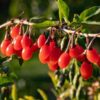
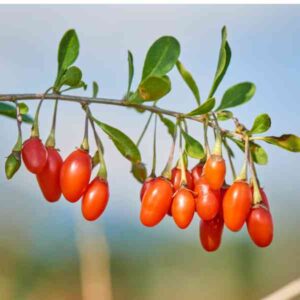
Goji Berry
$6.59
Lycium Barbarum
- Seed Count 160
- Sour Cherry Flavour
- Perennial to 150 cm
In stock
Description
The Goji Berry, a plant steeped in centuries of tradition, has journeyed from the rugged valleys of the Himalayas to find a welcoming home in Australian gardens. This resilient shrub thrives in our diverse climates, from the dry heat of the Outback to the temperate coasts.
Prized as a nutritional powerhouse, goji berries have long been celebrated in herbal medicine and cuisine. Their berries pack a punch of antioxidants, vitamins A and C, and essential amino acids, making them a worthy addition to morning smoothies, teas, or simply enjoyed dried as a snack.
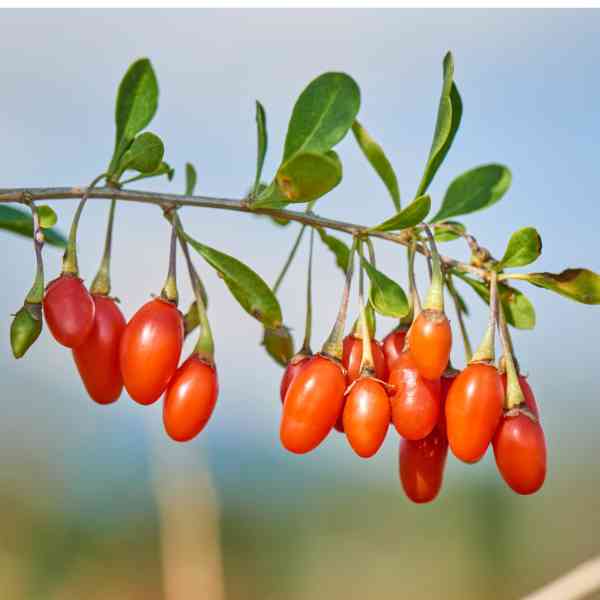
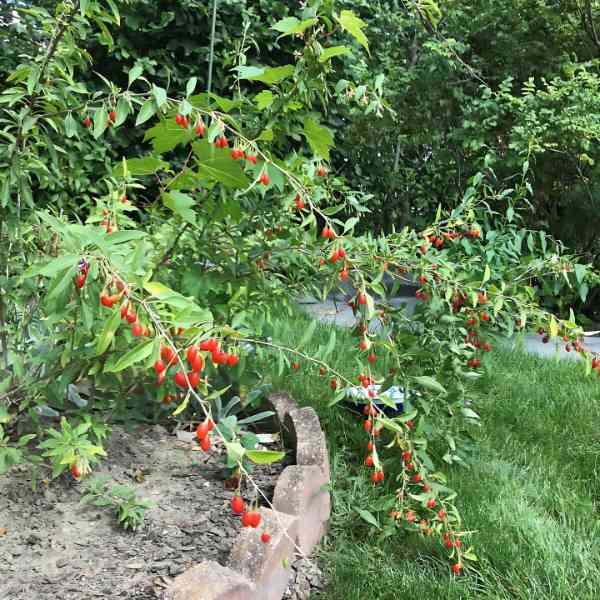
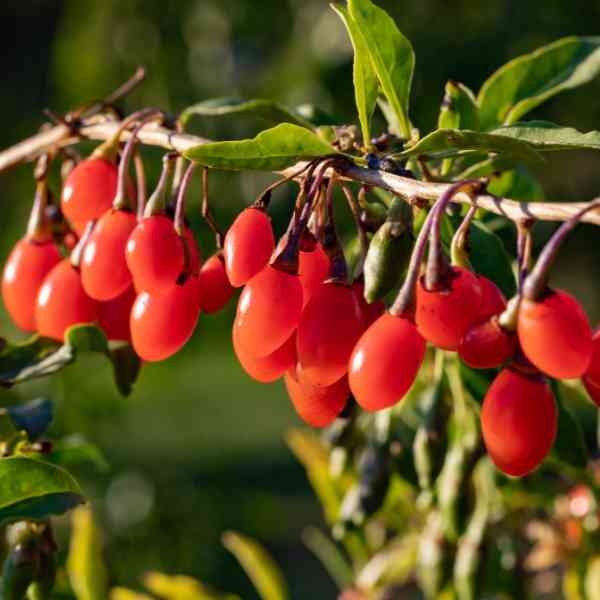
Beyond it’s health credentials, the plant is a visual delight. Mature shrubs develop graceful, arching stems adorned with delicate purple blossoms in spring, followed by clusters of berries that ripen to a jewel-like brilliance by late summer.
Once established, goji berries exhibit remarkable drought tolerance, shrugging off the harsh sun and poor soils that challenge lesser plants. They’re unfussy about soil type, thriving in everything from sandy substrates to heavier loams, provided drainage is adequate. Their perennial nature means a single planting yields harvests for years, requiring little beyond occasional pruning to maintain shape.
They attract pollinators with their blooms, support garden biodiversity, and serve as a low-maintenance hedge or ornamental feature.
When it comes to growing goji berries from seed, starting in seedling trays is the tried-and-true method. It gives you much more control—especially over moisture, temperature, and protection from pests during that delicate germination phase.
Sowing in trays lets you mimic the kind of consistency these seeds would experience in nature (like they’d get sitting under the soil through a warm spring). You can use a lightweight seed-raising mix, just cover the seeds lightly—about 2–3 mm deep—and keep them moist but not soggy. Warmth helps, so a sunny windowsill or a greenhouse bench will speed things up. Germination takes a few weeks, so patience is key!
Direct sowing, while tempting for convenience, isn’t ideal. The seeds are small and easily lost, and young seedlings are vulnerable to drying out, being dug up by curious birds, or nibbled by slugs. That said, in frost-free zones with long summers, you can get away with it—just sow shallowly, water regularly, and mulch lightly to hold in moisture.
👉 Seed Pretreatment?
Yes, give seeds a gentle overnight soak in warm water before sowing to help soften their hard outer shell. This gives them a head start and boosts germination rates.
☀️ Soil & Position
Goji berries prefer well-draining soil and lots of sunlight—at least 6–8 hours of direct sun per day. Think Mediterranean conditions: sunny, dry, and warm. They’ll tolerate poor soil, but they’ll thrive with a loamy base and a bit of added compost. Avoid heavy clay or boggy spots, as they hate having “wet feet.”
If your garden gets chilly in winter, pick a sheltered spot away from frost pockets. In warmer climates (subtropical to temperate), they’ll thrive outdoors year-round.
Soil pH: Slightly acidic to neutral (6.5–7.5)
Top tip: Raised beds or large pots (45L+) are also a great option, especially if your soil is less than ideal.
🌿 Care & Maintenance
Once established, goji berries are pretty low-fuss. Here’s how to keep them happy:
- Watering: Regular while young, then reduce. Mature plants are drought-tolerant but fruit best with consistent moisture during flowering and fruiting.
- Feeding: In spring, give a dose of a balanced organic fertiliser or seaweed tonic. Avoid high-nitrogen feeds—these boost leafy growth but reduce fruit.
- Pruning: In late winter, prune back to encourage bushy growth and better airflow. You can shape it into a small shrub or let it sprawl.
- Support: Canes or a trellis help keep the plant upright, especially if it’s heavy with fruit.
🌼 Companion Planting Guide
Goji berries don’t need many companions, but these can help build a biodiverse patch:
| Companion | Benefit |
|---|---|
| Basil | Attracts pollinators, repels aphids |
| Garlic or chives | Deters pests, improves overall health |
| Calendula | Attracts beneficial insects |
| Nasturtiums | Trap crop for aphids |
| Chamomile | Improves plant flavour and vigour |
Avoid planting near potatoes or tomatoes, as these are in the same Solanaceae family and can spread diseases like blight.
🍓 Harvesting
You’ll need some patience—goji berries grown from seed can take 2–3 years to fruit, but once they do, they’re prolific.
- When to harvest: Late summer through autumn.
- How to tell: Berries turn bright orange-red and come away easily from the stem. They taste sweet with a hint of tartness when ripe.
- Harvest tip: Pick regularly to encourage more flowering and fruiting.
Berries can be eaten fresh, dried for teas and snacks, or frozen. Drying deepens their flavour and extends their shelf life.
🛠️ Common Issues & Fixes
| Problem | Symptom | Fix |
|---|---|---|
| Powdery mildew | White powder on leaves | Improve airflow, avoid overhead watering, apply milk spray or neem |
| Aphids | Clusters of small bugs on new growth | Hose off, or spray with neem oil or insecticidal soap |
| Leaf spot / blight | Brown or black leaf patches | Remove affected leaves, improve drainage, use a copper fungicide |
| Yellowing leaves | Nutrient deficiency or waterlogging | Check drainage, apply balanced organic fertiliser |
| Poor fruit set | Lots of flowers, few berries | Boost pollinator activity, avoid high-nitrogen fertilisers |
🌾 Seed Saving Guide
Saving goji berry seeds is easy and a lovely way to share with friends or expand your patch.
Step-by-step:
- Pick fully ripe berries—bright red and slightly soft.
- Mash the berries gently in a bowl of water to separate seeds from pulp.
- The viable seeds sink, and pulp and floating debris can be poured off.
- Rinse seeds thoroughly and dry on a paper towel in a warm, shaded spot.
- Once completely dry, store in a labelled envelope or jar in a cool, dry place.
🌿 Stored well, goji seeds can remain viable for 2–3 years.
💬 Final Thoughts
Growing goji berries from seed might be a slow burn, but it’s a deeply rewarding one. These tough, adaptable shrubs bring beauty to your garden and a bounty of nutrient-rich fruit—plus they’re wonderfully resilient once established. They’re ideal for gardeners in temperate, subtropical, and even inland areas with some protection.
Whether you’re tucking a few seeds into trays by the kitchen window or setting up a sunny patch in your garden, give them time, and they’ll reward you with years of harvest. Just like any good gardening project—it’s all about planting with patience, nurturing along the way, and enjoying the journey.
Happy growing! 🌿🌞
1 review for Goji Berry
| 5 star | 0% | |
| 4 star | 100% | |
| 3 star | 0% | |
| 2 star | 0% | |
| 1 star | 0% |

Postage Charge
Orders under $35 attract a $4.95 shipping charge. Orders $35 and above have free shipping.
Order Times
Seed orders are normally dispatched within three business days. You will receive an email when seeds are mailed out.
Postage Days
Seeds are mailed out Tuesday to Friday at 1pm. Except for the Friday of long weekends.
Postage Times
WA 2-3 Days: SA,NT 3-5 Days: NSW, ACT, QLD, VIC: 5-7 Days
Carrier
We use Australia Post Letter Postage for the majority of orders
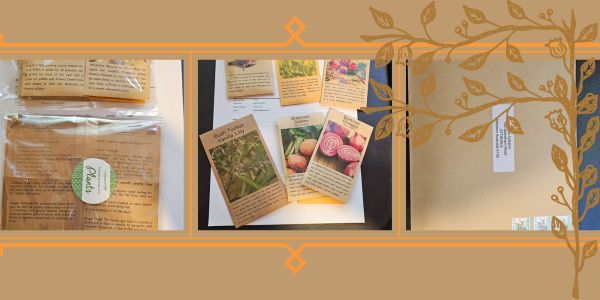
Not only are our seeds packed in recycled paper envelopes, we keep the theme going when we post out website orders. To protect your seeds from moisture and the letter box munchers (snails), we use a very special plastic free material made from plants. They are then put into recycled mailing envelopes. Green all the way 💚🌿
Delivery Guarantee
We take great care to make sure your seeds arrive safely. If your order is lost or damaged in transit, we’ll happily send a replacement. Unfortunately, we can’t replace or refund orders that arrive later than the estimated delivery date, as delays can sometimes occur that are outside our control.
Please note that all dispatch and delivery times listed are estimates only. While we do our best to post promptly, delivery timeframes can vary due to postal service delays, weather events, or other unforeseen circumstances. We’re unable to take responsibility for any loss, damage, or cost that results from a late delivery.
An order is not considered missing until at least 20 business days have passed from the postage date. You’ll receive an email once your seeds have been posted, letting you know they’re on their way. If you don’t see it in your main inbox, please check your Spam or Promotions folders as sometimes our emails like to hide there.
See all our verified customer reviews on our official CusRev profile.