


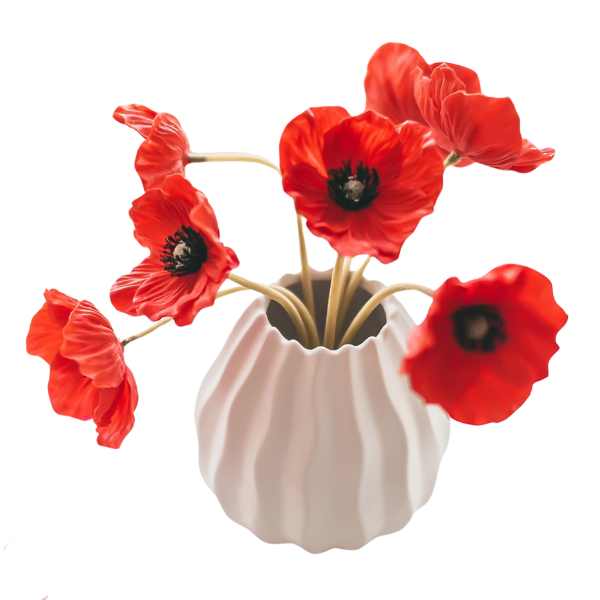





Poppy Flanders
$4.95
Papaver Rhoeas
- Seed Count 3500
- Prolific Self Sower
- Annual
- Height 60 cm
In stock
Description
Poppy Flanders is known for its striking red petals that sway gracefully in the breeze adding a vibrant colour to your garden or landscape. Its delicate, tissue-paper petals radiate around a jet-black center, creating a striking contrast that commands attention without demanding fuss. The flowers perch atop slender, hairy stems with fern-like foliage that forms a subdued green carpet beneath.
This is a plant that thrives on neglect, adapting effortlessly to poor soils, full sun, and the kind of dry conditions that would wilt more finicky species. Its seeds, tiny and unassuming, have evolved to persist in the soil for years, waiting for the right moment to germinate. They bloom in late spring, their fleeting flowers lasting mere days before yielding to ornamental seed pods that add textural interest to gardens and dried arrangements alike.
Ecologically, the Poppy Flanders is a quiet ally. Its open-faced blooms attract pollinators whilst its seeds provide sustenance for small birds. It never dominates a space; instead, it mingles companionably with other flowers or cottage-garden favorites, its vivid hue punctuating meadows, borders, or even cracks in pathways with a splash of spontaneous colour.
Flanders poppies thrive in a range of settings, from casual cottage gardens to more structured arrangements. They provide a delightful contrast to lush greens and other floral colors. The blooms make an excellent option for filling out garden beds and borders and their airy and ethereal presence can soften hard lines in a garden design, creating an inviting atmosphere that draws the eye and engages those who pass by.
| Method: Sow direct or seedlings | Soil Temp: 10°C - 25°C |
| Cool Mountain: Nov - Dec | Position: Full Sun |
| Arid: Aug - Jan | Row Spacing: 30 cm |
| Temperate: Sep-Nov, Mar-Jun | Planting Depth: 3 mm |
| Sub Tropical: May - Oct | Harvest: 140 Days |
| Tropical: Jun - Aug | Plant Height: 60cm |
Poppies hold a special kind of magic in the garden. Whether it’s the iconic red Flanders poppy, the fluttering petals of Iceland poppies, or the lush, romantic blooms of peony-flowered types, poppies bring softness, colour, and charm to beds and borders. The best part? They’re easy to grow from seed once you get the hang of their preferences. Here’s how to sow, grow, and enjoy poppies across Australian climates.
🌱 Sowing Poppies: Trays vs. Direct
Direct Sowing (Best Method)
Poppies strongly prefer to be sown directly where they are to grow. They have long, delicate taproots that dislike being disturbed, and transplanting can often set them back or kill young seedlings altogether.
How to Sow Directly:
- Choose a well-prepared patch with loose, weed-free soil.
- Scatter seeds very thinly over the soil surface.
- Do not cover—poppy seeds need light to germinate.
- Firm the soil lightly with a hand or board.
- Water with a fine mist spray to settle seeds without displacing them.
- Keep the soil consistently moist until germination (10–14 days, longer in cool temps).
Sowing in Trays (Only If Necessary):
If you’re determined to start early or have very persistent pests, you can start poppies in deep seedling trays or biodegradable pots (like coir pellets). This helps avoid root disturbance during transplanting.
- Use a free-draining seed mix.
- Thin to one seedling per cell to avoid competition.
- Transplant carefully while small, before roots anchor deeply.
- Harden off by placing trays outside during the day for a week before planting out.
🌞 Soil and Position
Poppies thrive in full sun—at least 6 hours a day of direct light. Shade or overly rich conditions can lead to leggy growth and fewer flowers.
Soil Preferences:
- Light, free-draining soils are ideal (sandy loam is best).
- They dislike wet feet—avoid heavy clay or poorly drained sites.
- Add a little compost or aged manure when preparing soil, but don’t overdo it—too much fertility means more leaves than blooms.
- Soil pH should be neutral to slightly alkaline (pH 6.5–7.5).
🌿 Care and Maintenance
Poppies are relatively low-maintenance once established, but a few small habits will keep them looking their best:
- Watering: Water gently until established. Once growing strongly, they’re drought-tolerant but will flower more with occasional deep waterings.
- Feeding: A light feed with liquid seaweed or flower-promoting fertiliser (low in nitrogen) once buds appear can extend flowering.
- Deadheading: Snip off spent flowers to encourage more blooms (unless you’re saving seed!).
- Staking: Taller varieties, especially peony poppies, may need light support in windy areas.
- Weeding: Keep beds tidy to reduce competition, especially in the seedling stage.
🌼 Companion Planting with Poppies
Poppies aren’t just pretty—they play a supportive role in the garden too.
Good Companions:
- Edible flowers like calendula and cornflower—create a blooming patch of pollinator-attracting power.
- Lettuce & spinach—early sowings work well alongside poppies as they like similar conditions.
- Cabbage family (brassicas)—poppies may help confuse cabbage moths with their mixed scents and foliage.
Avoid Pairing With:
- Tall or aggressive plants that might shade them out.
- Heavy feeders like corn or zucchini—they’ll hog nutrients.
✂️ Harvesting
For Cut Flowers:
- Harvest poppies just as the buds start to open—the petals will unfurl in the vase.
- Sear the cut stem ends in boiling water or with a flame for 10–15 seconds to seal and extend vase life.
- Use promptly—cut poppies are short-lived but spectacular.
For Seeds:
- Allow some seed pods to fully ripen and dry on the plant.
- You’ll hear the seed rattle inside when they’re ready.
🐛 Common Issues & Fixes
Here’s a quick guide to some of the most common challenges:
| Problem | Symptoms | Fix |
|---|---|---|
| Poor germination | No sprouts after 2–3 weeks | Seeds sown too deep, too dry, or too hot—resow with surface scatter |
| Damping off | Seedlings collapse and rot | Improve airflow, water in mornings, use sterile seed mix |
| Aphids | Sticky leaves, curled buds | Spray with soapy water or encourage ladybirds |
| Powdery mildew | White film on leaves in late season | Improve air circulation, water at roots, remove affected foliage |
| Leggy growth | Tall, floppy plants with few blooms | Not enough sun—replant in brighter position |
| Yellowing leaves | Nutrient imbalance or water stress | Check drainage, avoid overfeeding nitrogen |
🌾 Seed Saving Guide
Saving poppy seed is a simple and rewarding task, perfect for sharing or reseeding your own patch next year.
How To:
- Choose healthy plants and let them flower and form pods undisturbed.
- Once pods turn brown and start to rattle, cut the stems and place them upside down in a paper bag or bowl.
- Let them dry for another week or so in a warm, dry place.
- Shake the pods to release the tiny black or grey seeds.
- Label and store in a cool, dry, dark place—airtight containers or envelopes are best.
📝 Tip: Poppies can self-seed if left alone—expect gentle surprises next season if you let some pods drop.
🌸 Final Thoughts
Poppies bring a natural grace to the garden—soft, fluttery petals, easygoing habits, and the kind of old-world charm that stops people in their tracks. Once you’ve grown them from seed, it’s hard to imagine a season without them. Whether you sow en masse for a wildflower effect or tuck them into borders for a pop of colour, they offer incredible value for effort.
Remember, the key to success is sowing in the right season, in the right place, and letting them do what they do best: bloom with abandon. Let a few go to seed, save them, share them, and enjoy their return—because a garden with poppies is a garden that tells a story.
2 reviews for Poppy Flanders
| 5 star | 100% | |
| 4 star | 0% | |
| 3 star | 0% | |
| 2 star | 0% | |
| 1 star | 0% |
Postage Charge
Orders under $35 attract a $4.95 shipping charge. Orders $35 and above have free shipping.
Order Times
Seed orders are normally dispatched within three business days. You will receive an email when seeds are mailed out.
Postage Days
Seeds are mailed out Tuesday to Friday at 1pm. Except for the Friday of long weekends.
Postage Times
WA 2-3 Days: SA,NT 3-5 Days: NSW, ACT, QLD, VIC: 5-7 Days
Carrier
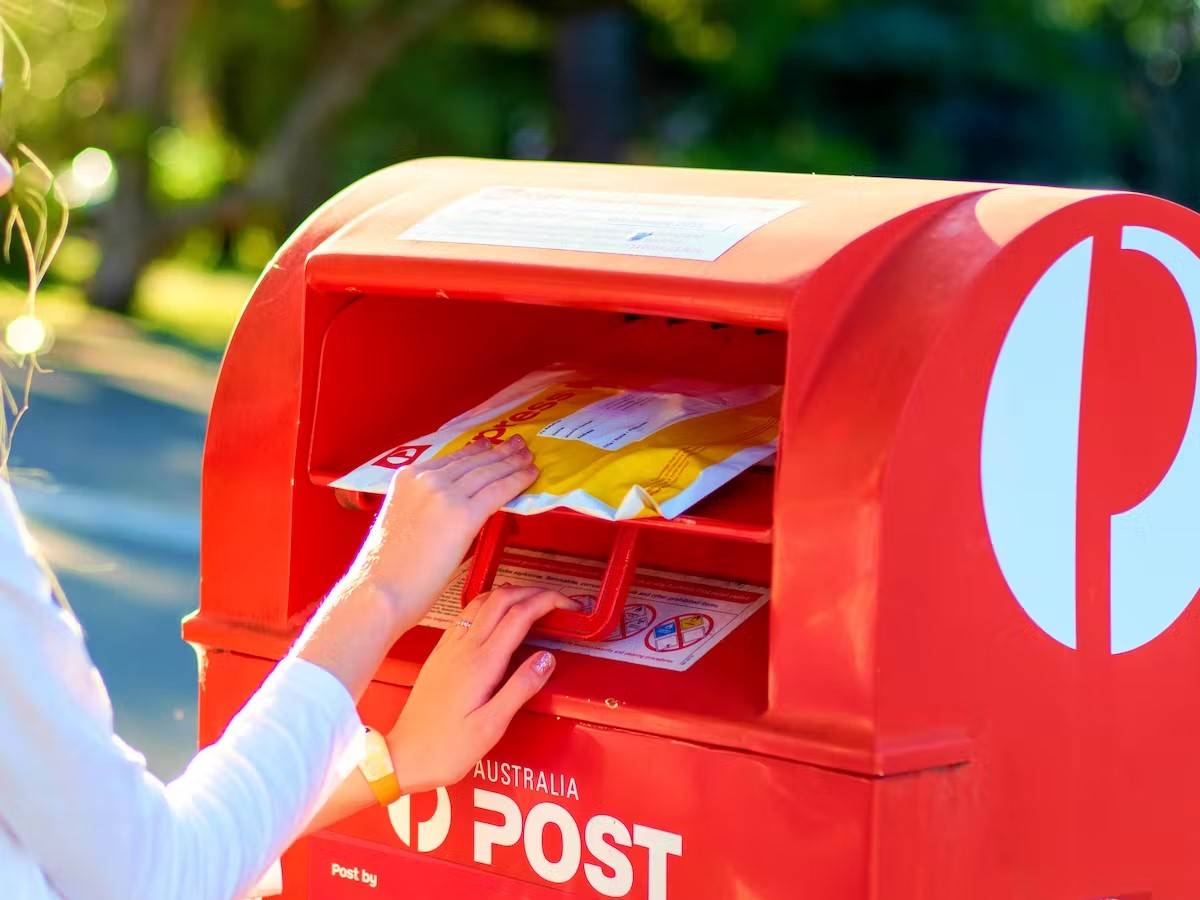
We use Australia Post Letter Postage for the majority of orders
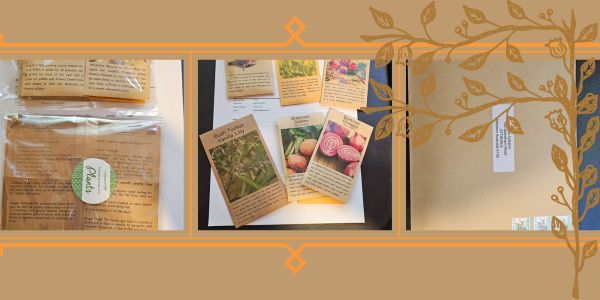
Not only are our seeds packed in recycled paper envelopes, we keep the theme going when we post out website orders. To protect your seeds from moisture and the letter box munchers (snails), we use a very special plastic free material made from plants. They are then put into recycled mailing envelopes. Green all the way 💚🌿
Delivery Guarantee
We take great care to make sure your seeds arrive safely. If your order is lost or damaged in transit, we’ll happily send a replacement. Unfortunately, we can’t replace or refund orders that arrive later than the estimated delivery date, as delays can sometimes occur that are outside our control.
Please note that all dispatch and delivery times listed are estimates only. While we do our best to post promptly, delivery timeframes can vary due to postal service delays, weather events, or other unforeseen circumstances. We’re unable to take responsibility for any loss, damage, or cost that results from a late delivery.
An order is not considered missing until at least 20 business days have passed from the postage date. You’ll receive an email once your seeds have been posted, letting you know they’re on their way. If you don’t see it in your main inbox, please check your Spam or Promotions folders as sometimes our emails like to hide there.

See all our verified customer reviews on our official CusRev profile.
See all our verified customer reviews on our official CusRev profile.