

Fennel Florence
$4.95
Foeniculum Vulgare Dulce
- Seed count 100
- Sweet aniseed/celery flavour
- Perennial
Out of stock
Email when stock available
Description
Fennel Florence is prized for its crisp, anise-scented bulb, a versatile addition to the kitchen that’s as rewarding to grow as it is to eat. For gardeners seeking a dual-purpose crop with character, these seeds offer a gateway to a plant that’s both ornamental and edible.
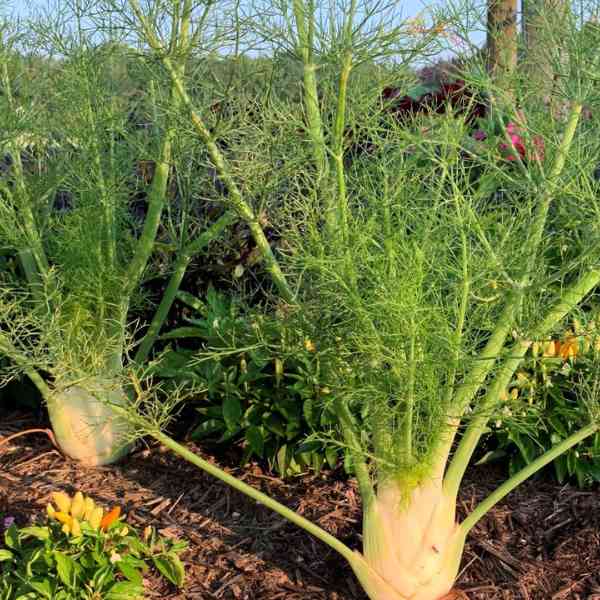
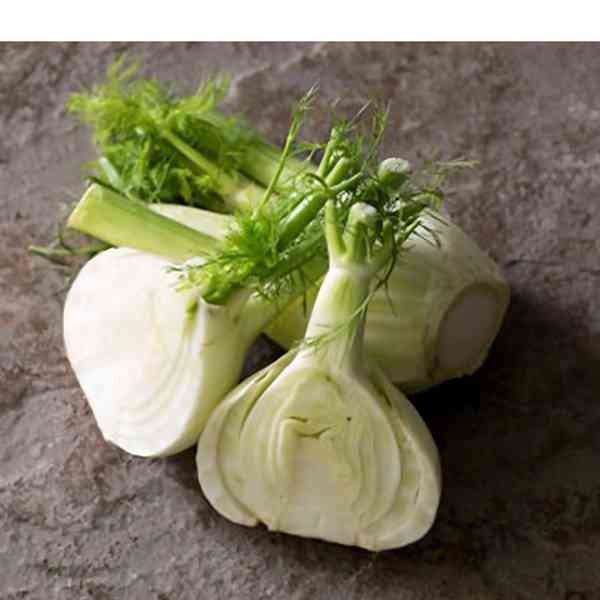
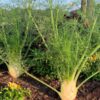
The plant itself a study in elegance. Its feathery, blue-green fronds form a lacy canopy above the swollen, ivory-hued bulb that emerges at the base. While the bulb is the star, crunchy when raw, mellow and sweet when roasted, the fronds and pollen-rich yellow flowers are bonus features. Toss the fronds into salads for a herbal lift, or harvest the flowers to dry as a gourmet spice. Even the seeds, if left to mature, can be collected for culinary use or future sowing.
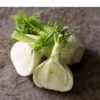
In the kitchen, Fennel Florence’s adaptability shines. Thinly sliced, it adds a refreshing bite to slaws and citrus salads. Slow-roasted, it caramelises into a tender, aromatic side dish that pairs beautifully with fish, poultry, or roasted vegetables. Its subtle liquorice flavour appeals to even those wary of bold anise notes. Stored whole in the fridge, the bulbs keep for weeks, making them a handy staple.
| Method: Sow direct | Soil Temp: 10°C - 25°C |
| Cool Mountain: Nov - Feb | Position: Full sun |
| Arid: Mar - Jul | Row Spacing: 15cm apart |
| Temperate: Feb - May | Planting Depth: 3mm |
| Sub Tropical: Mar - May | Harvest: 90 days |
| Tropical: Apr - Jul | Plant Height: 1.5m |
🌱 Sowing: In Trays vs Direct
🌱 Sowing Fennel in Trays vs Direct – What You Need to Know
Fennel has a bit of a reputation for being sensitive when it comes to transplanting. That’s because it grows a strong central taproot, which likes to head straight down into undisturbed soil. When that root is disrupted during transplanting, the plant can become stressed—and stress often leads to bolting (when it goes to flower too early) or poor bulb formation.
But that doesn’t mean tray sowing is completely off the table. It just needs to be handled with a bit of care and good timing.
🌿 Direct Sowing (Best for Bulb Production)
If your goal is to grow big, sweet bulbs of Florence fennel, direct sowing is your best bet. Here’s why:
- No transplant shock – The taproot can grow straight down without disturbance.
- Stronger plants – Seedlings that establish in place tend to be hardier and better adapted to their conditions.
- Less chance of bolting – A fennel plant that’s never been stressed is less likely to rush into flowering.
How to Direct Sow:
- Sow seeds 5–10mm deep into well-prepared, friable soil.
- Space seeds 15–20cm apart, or thin to this spacing once germinated.
- Keep soil consistently moist during germination and early growth.
- Best sown in cooler months (autumn to early spring in most parts of Australia) to avoid heat-triggered bolting.
🌞 Pro Tip: Mark the row and mulch lightly to keep moisture in while the seeds germinate. Fennel takes about 7–14 days to germinate, depending on soil temperature.
🌿 Sowing in Trays (Only If You Must)
While direct is best, there are situations where starting in trays can be useful—especially if:
- You want more control over early growth.
- Your garden bed isn’t ready yet.
- You’re trying to protect young seedlings from pests like slugs or earwigs.
- You’re sowing in early spring when the soil is still cold.
But there are risks to watch for.
Challenges of Tray Sowing:
- Root disturbance – Even a small disruption can throw fennel off.
- Transplant shock – If seedlings are left too long in trays, their taproots can twist or become stunted.
- Higher bolting risk – Plants under stress (from transplanting or root disturbance) are more likely to flower early instead of forming bulbs.
How to Sow in Trays Successfully:
- Use deep individual cells or tubes (not open trays) to allow for straight taproot development.
- Transplant early—as soon as the first true leaves appear and before the roots hit the bottom.
- Harden off seedlings before transplanting by slowly introducing them to outdoor conditions over a few days.
- Water well before and after transplanting, and disturb the root ball as little as possible.
🪴 Extra Tip: Don’t let your fennel seedlings sit in trays too long. The bigger they get, the more they’ll resent being moved.
🧑🌾 Summary – Which Should You Choose?
| Method | Best For | Key Considerations |
|---|---|---|
| Direct Sowing | Bulb formation, low-stress growing | Needs prepared beds and careful watering early on |
| Tray Sowing | Short-term protection from pests, staggered sowing | Must transplant early and carefully to avoid root disturbance and bolting |
🌧️ Seed Pretreatment?
No special pretreatment is needed for fennel seed. It germinates well on its own. Just sow into moist soil or seed-raising mix, cover lightly (around 5mm), and keep consistently damp—not soggy—until germination.
🌞 Soil & Position
Fennel thrives in full sun—at least 6 hours a day. The bulbs swell best in loose, fertile, well-draining soil, ideally rich in organic matter. It doesn’t mind sandy loam, and it’s happy in neutral to slightly alkaline pH (around 6.5–7.5).
Before sowing, work through some aged compost or well-rotted manure. Avoid overly rich nitrogen feeds once the plant is up and growing, though—too much can encourage leaves at the expense of bulbs.
🏡 Top Tip:
Avoid planting fennel near dill or coriander if you’re saving seed. They’re closely related and can cross-pollinate, which can mess with flavour and plant performance down the track.
🌱 Care & Maintenance
Fennel is fairly fuss-free once it gets going. Here’s how to keep it happy:
- Watering: Keep soil evenly moist, especially during bulb formation. Drought stress can lead to bitterness or early bolting.
- Feeding: Side-dress with compost or liquid seaweed once the plants are about 15cm tall. No heavy feeding is needed.
- Mulching: A layer of straw or sugarcane mulch helps regulate soil moisture and keeps weeds down.
- Hilling up: As bulbs start to form, gently pull a little soil up around them. This helps keep them pale, sweet, and tender.
🌼 Companion Planting Guide
Fennel can be a bit of a loner in the garden. It releases allelopathic compounds—fancy term for chemicals that inhibit the growth of nearby plants. So it’s not the most sociable veggie!
Good Neighbours:
- Nasturtiums – Help deter pests and look lovely nearby.
- Calendula – Doesn’t mind fennel’s strong personality and brings in pollinators.
Keep Away From:
- Tomatoes
- Beans
- Coriander
- Dill (for seed-saving reasons)
It’s best to give fennel its own patch or border bed, and let it do its thing without too much company.
✂️ Harvesting
You can start snipping the fronds early on for salads and garnish—but don’t go too hard if you’re growing for the bulb.
Bulb Harvest:
- Ready in 12–14 weeks, depending on conditions.
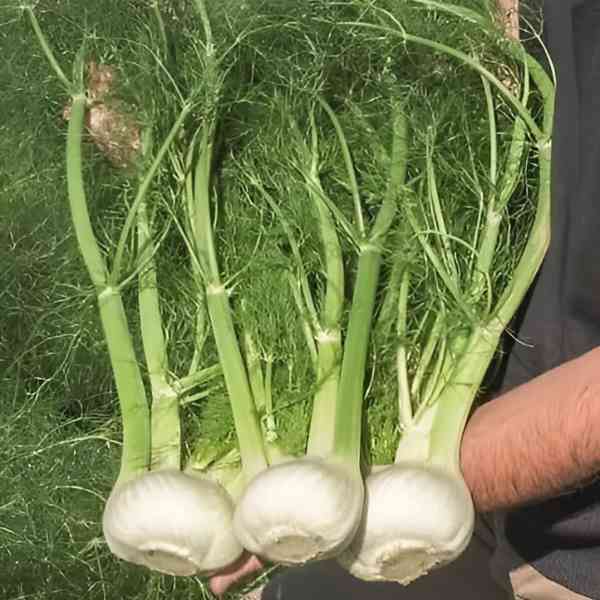
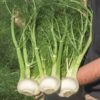
- Harvest when the bulb is about 7–10cm wide, firm, and plump.
- Use a sharp knife to cut the plant just above the soil line.
If left too long or exposed to stress, fennel will bolt, sending up a flower stalk and turning woody. Once it bolts, the bulb’s texture and flavour deteriorate quickly—so stay alert!
🐛 Common Issues & Fixes
| Problem | Symptoms | Fix |
|---|---|---|
| Bolting | Tall central stalk forming early | Sow at the right time (avoid heat stress); keep soil evenly moist |
| Poor bulb formation | Lots of foliage, no swelling | Needs more sun or less nitrogen; thin seedlings for space |
| Slugs/snails | Young plants eaten overnight | Use beer traps, crushed eggshells, or barriers |
| Aphids | Clusters on stems or leaves | Blast with water or use insecticidal soap; encourage ladybirds |
| Rust or fungal leaf spots | Discoloured patches on foliage | Improve airflow, avoid overhead watering, remove affected leaves |
🌾 Seed Saving Guide
Saving seed from fennel is very rewarding, but you’ll need to let a few plants bolt and go to flower. Be patient—this can take several months.
How to Save Fennel Seed:
- Choose open-pollinated plants (like heirlooms) for true-to-type seed.
- Let the flowers fully form and go to seed—they’ll turn brown and dry on the plant.
- Harvest the seed heads when they’re dry but before they shatter.
- Hang upside-down in paper bags in a warm, airy spot.
- Once fully dry, rub seeds off the umbels and store in an airtight container.
- Label with variety and date—fennel seed stays viable for about 3 years.
Cross-pollination with other Foeniculum species (or dill) is common, so isolate flowering fennel by at least 1km if purity is important.
🌻 Final Thoughts
Fennel is one of those crops that rewards the observant gardener. It asks for a little space, a touch of patience, and a steady hand when it comes to water and temperature. But the payoff is wonderful: crisp, aniseed bulbs that elevate any dish, fluffy fronds for garnish, and seeds for tea or baking.
Whether you’re growing it as a vegie, a pollinator-friendly bloomer, or for seed-saving satisfaction, fennel earns its keep in the garden—and gives you plenty to harvest, share, and savour.
So if you haven’t grown it yet, this season might be just the time to try. Just sow direct, give it sunshine, and let it flourish. 💚
1 review for Fennel Florence
| 5 star | 100% | |
| 4 star | 0% | |
| 3 star | 0% | |
| 2 star | 0% | |
| 1 star | 0% |
Postage Charge
Orders under $35 attract a $4.95 shipping charge. Orders $35 and above have free shipping.
Order Times
Seed orders are normally dispatched within three business days. You will receive an email when seeds are mailed out.
Postage Days
Seeds are mailed out Tuesday to Friday at 1pm. Except for the Friday of long weekends.
Postage Times
WA 2-3 Days: SA,NT 3-5 Days: NSW, ACT, QLD, VIC: 5-7 Days
Carrier
We use Australia Post Letter Postage for the majority of orders
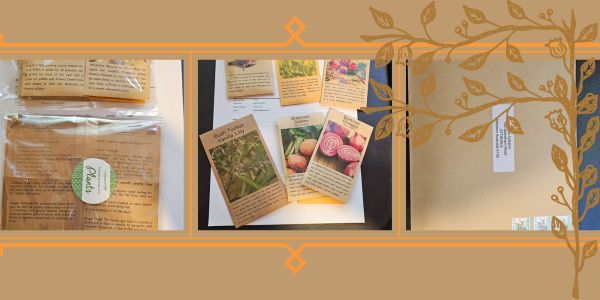
Not only are our seeds packed in recycled paper envelopes, we keep the theme going when we post out website orders. To protect your seeds from moisture and the letter box munchers (snails), we use a very special plastic free material made from plants. They are then put into recycled mailing envelopes. Green all the way 💚🌿
Delivery Guarantee
We take great care to make sure your seeds arrive safely. If your order is lost or damaged in transit, we’ll happily send a replacement. Unfortunately, we can’t replace or refund orders that arrive later than the estimated delivery date, as delays can sometimes occur that are outside our control.
Please note that all dispatch and delivery times listed are estimates only. While we do our best to post promptly, delivery timeframes can vary due to postal service delays, weather events, or other unforeseen circumstances. We’re unable to take responsibility for any loss, damage, or cost that results from a late delivery.
An order is not considered missing until at least 20 business days have passed from the postage date. You’ll receive an email once your seeds have been posted, letting you know they’re on their way. If you don’t see it in your main inbox, please check your Spam or Promotions folders as sometimes our emails like to hide there.
See all our verified customer reviews on our official CusRev profile.