
Dill
$4.95
Anethum Graveolens
- Seed Count 1500
- Culinary Treasure
- Annual
Only 12 left in stock
Description
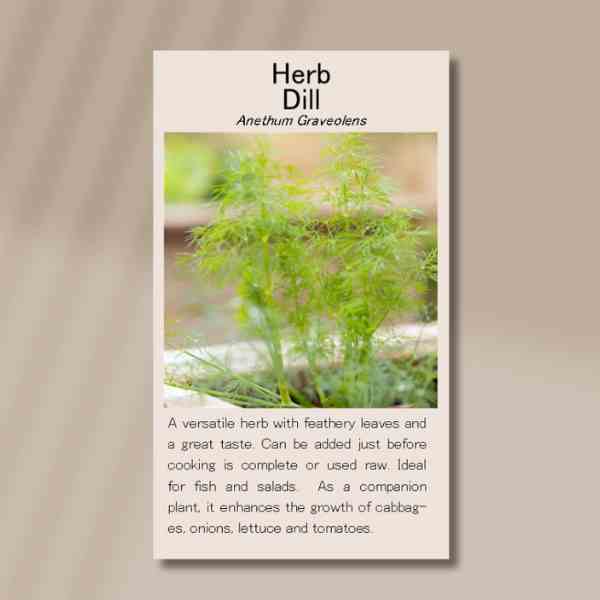
If ever the term “best if home-grown” were to apply to an item in the kitchen, dill would be it! It’s one of those flavours that’s hard to replicate with dried or store-bought versions as fresh dill from your own garden has a fragrance and taste that’s just on another level.
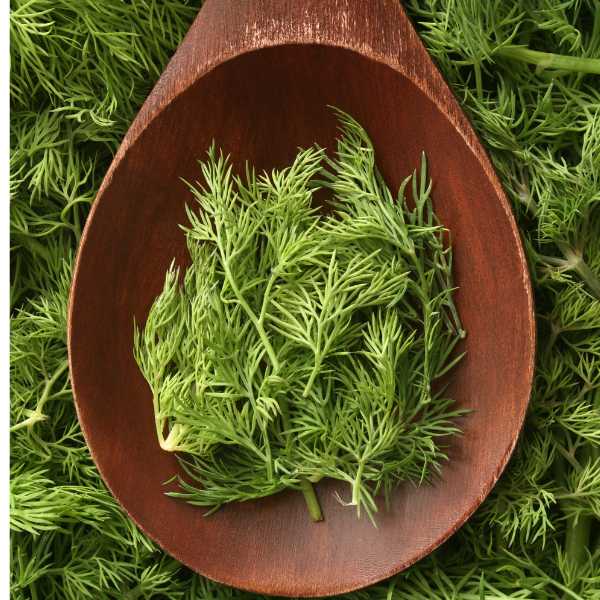
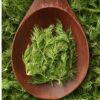
Sweet and aromatic, the flavour is intermediate between anise and caraway. The seeds impart a sharp flavour, are used as a spice, while the fernlike herb leaves, especially when fresh, have a sweeter fragrance. It enhances the flavours of a dish as well as compliments other herbs when combined. It is exceptional with vegetables, fish and mustard based dressings or sauces, lamb, potato and peas.
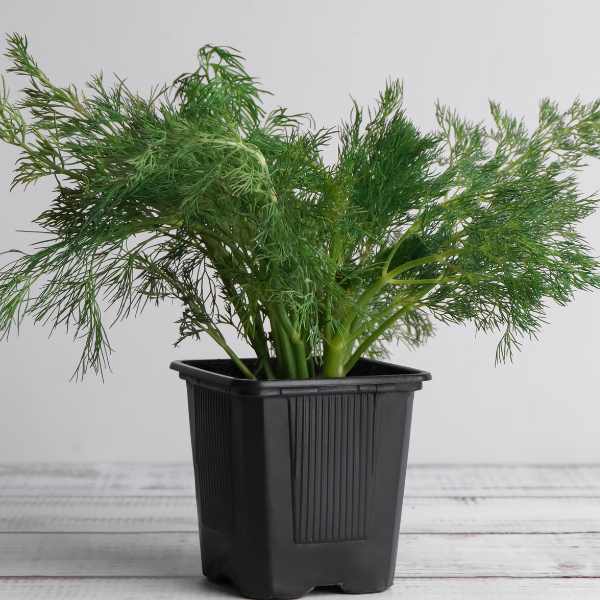
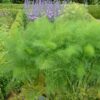
Dill is easy to germinate and cultivate and therefore is suited to novice gardeners as well as seasoned green thumbs. It is a very attractive plant, whether container grown or in a garden bed. It sports large seed heads and dark blue-green foliage. It thrives just as happily in a large pot as it does in open ground. Tuck a pot near the kitchen door or on a sunny balcony and you’ll have fresh fronds within reach whenever a dish calls for that unique dill flavour.
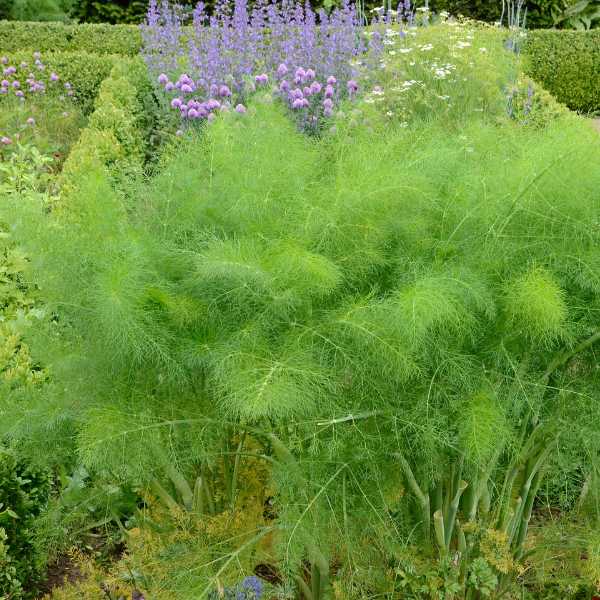
Dill’s easygoing nature makes it a fantastic companion in the veggie patch. It’s a classic “plant and forget” type of herb—happy to grow quietly alongside other crops, asking very little, and often giving a lot. The foliage is lovely to look at, and the tall, airy habit means it doesn’t crowd out its neighbours. If you’re growing crops like tomatoes, capsicums, cucumbers or brassicas, a clump of dill nearby can help keep aphids and caterpillars in check.
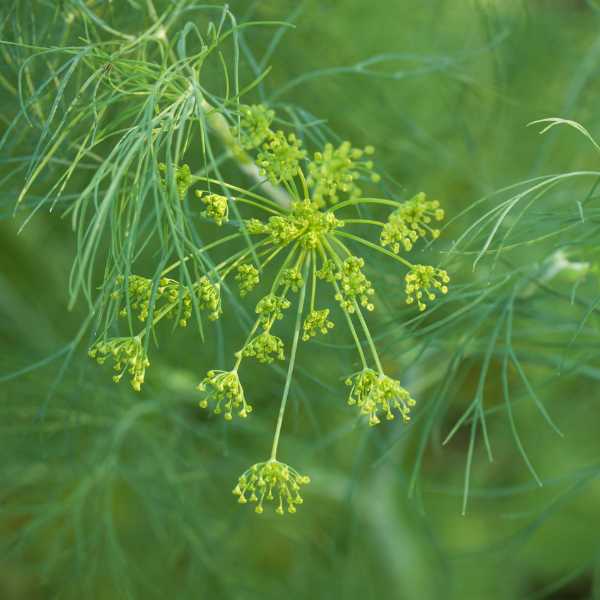
When in flower, dill forms wide, lacy seed heads which are a magnet for beneficial insects. Lacewings, ladybirds, parasitic wasps and hoverflies all love dill, making it a welcome addition to any garden that’s aiming for balance and natural pest control. And when it does go to seed, you’ve got another crop to harvest. Those pretty umbels dry easily and can be collected for next season’s sowing or for the kitchen pantry.
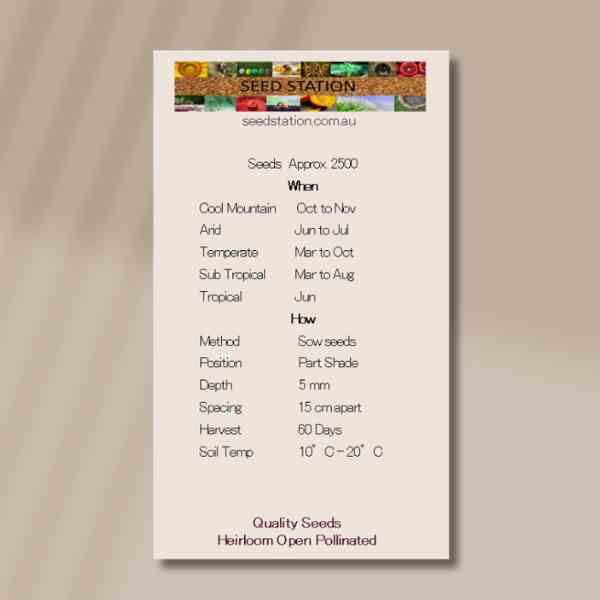
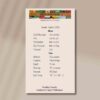
| Method: Sow direct | Soil Temp: 10°C - 20°C |
| Cool Mountain: Oct - Nov | Position: Part Shade |
| Arid: Jun - Jul | Row Spacing: 15 cm |
| Temperate: Mar - Oct | Planting Depth: 3 mm |
| Sub Tropical: Mar - Aug | Harvest: 60 Days |
| Tropical: Jun | Plant Height: 1 m |
🌿 Growing Dill from Seed
Dill is one of those herbs that quietly wins hearts—its delicate fronds, bright aniseed flavour, and versatility in the kitchen make it a rewarding crop for any garden. Whether you’re growing it for pickles, salads, or to attract beneficial insects, starting dill from seed is a breeze once you know its preferences.
Let’s walk through it all—from sowing to seed saving—so you can grow a healthy, bountiful crop of dill in your Australian garden.
🌱 Sowing Dill: In Trays vs. Direct in the Garden
Dill has a taproot, which makes it a little fussy about being transplanted. So while you can sow it in trays, direct sowing is usually best if you want happy, productive plants.
🌼 Direct Sowing (Preferred)
- When: Early spring through early autumn in most climates. In warmer northern areas, it can be grown year-round.
- How: Sow seeds directly 3mm deep, spaced about 15-20cm apart. Thin seedlings to allow airflow and avoid crowding.
- Tips: Keep the soil moist during germination (7–21 days). Sow successively every 3–4 weeks for a steady supply.
🌱 Sowing in Trays (If Needed)
- Why: If you’re growing in containers or need a head start.
- How: Use deep seedling trays or biodegradable pots. Transplant gently when seedlings are small (under 5cm tall) to reduce root disturbance.
🌟 Gardener’s Tip: If you must transplant, water well before and after moving, and avoid disturbing the root ball too much.
🌞 Soil and Position
Dill isn’t too fussy, but it does best when its few basic needs are met.
🌿 Soil
- Type: Loose, well-drained soil rich in organic matter.
- pH: Slightly acidic to neutral (6.0–7.0).
- Prep: Mix compost or well-rotted manure through the topsoil before sowing.
☀️ Position
- Sunlight: Full sun (at least 6 hours/day).
- Wind: Dill can grow tall and wispy—plant it in a sheltered spot or near a support structure.
- Containers: Grows well in large pots if watered regularly and given enough sun.
🌟 Gardener’s Tip: Dill’s fine roots don’t like soggy feet, so avoid heavy clay or boggy areas.
🧑🌾 Care and Maintenance
Dill is generally low-maintenance once it’s settled in, but a little care goes a long way.
💧 Watering
- Water regularly during dry periods, especially in containers.
- Avoid overwatering—dill prefers a light hand.
🌿 Feeding
- Light feeders—just add compost at planting.
- If you’re harvesting heavily, a light liquid feed mid-season can help.
✂️ Pinching and Pruning
- Pinch back the main stems early to encourage bushier growth.
- Let some plants flower if you’re after seeds or want to feed beneficial insects.
🌟 Gardener’s Tip: Deadhead flowers if you want more leaf growth and less self-seeding.
🌻 Companion Planting Guide
Dill is a team player in the garden, with strong benefits for pest management and pollinator attraction.
🌼 Good Companions
- Brassicas (like cabbage, kale, and broccoli): Dill repels cabbage moths and aphids.
- Cucumbers: Naturally complementary in the garden and kitchen.
- Lettuce: The light dill canopy can offer dappled shade as it grows.
- Onions and garlic: A great team for pest control.
🌿 Plants to Avoid
- Carrots: Competes with them as they’re in the same family.
- Tomatoes: Young dill can help repel pests, but mature dill may inhibit tomato growth—remove before flowering.
🌟 Gardener’s Tip: Let a few dill plants flower near your veggie patch—they attract lacewings, ladybirds, and hoverflies, all hungry for aphids!
✂️ Harvesting Dill
Harvesting dill is one of the best parts—it grows quickly, and the more you cut, the more it gives.
🍃 For Leaves
- Begin harvesting leaves once plants are 20cm tall.
- Snip off outer fronds with clean scissors, ideally in the morning for best flavour.
- Use fresh or dry for storage (hang small bunches upside down in a well-ventilated area).
🌼 For Flowers
- Harvest the flower umbels just before full bloom for floral arrangements or culinary use (especially pickling).
🌾 For Seeds
- Wait until the seed heads turn brown and begin to dry on the plant.
- Snip off entire heads into a paper bag and let them dry fully indoors.
🌟 Gardener’s Tip: Dill leaves and seeds have slightly different flavours—leaves are grassy and fresh, while seeds are warm and slightly bitter.
🐛 Common Issues and Fixes
Dill is generally pest-resistant, but here are a few hiccups you might come across:
| Problem | Symptoms | Fix |
|---|---|---|
| Aphids | Clusters on stems and buds | Blast off with water, encourage beneficial insects |
| Powdery mildew | White, dusty coating on leaves | Space out plants for airflow, avoid overhead watering |
| Bolting too early | Premature flowering in hot weather | Sow in cooler months or partial shade in summer |
| Leggy growth | Plants stretch and flop over | Ensure full sun, pinch early to promote bushiness |
🌟 Gardener’s Tip: Don’t worry too much if some plants bolt—just let them flower and go to seed. Pollinators will thank you!
🌾 Seed Saving Guide
Saving dill seed is simple and rewarding—and once you do it once, you’ll probably never need to buy seeds again.
✨ When to Collect
- Wait for the seed heads to dry on the plant—brown and papery, but not brittle.
- Seeds should be fully formed and easy to shake off when rubbed.
✂️ How to Collect
- Cut entire seed heads and place them in a paper bag or bowl.
- Leave in a dry, airy spot to cure for 1–2 weeks.
- Shake or rub to release seeds, then winnow (blow away) the chaff.
🏺 Storage
- Store in a cool, dry place in an airtight container or paper envelope.
- Label with date—dill seeds are viable for 3–5 years if kept well.
🌟 Gardener’s Tip: Choose the best, most vigorous plants to save seed from, and you’ll gradually develop a dill that thrives in your own garden’s microclimate.
🌼 Final Thoughts
Dill is the kind of herb that quietly fills many roles in a garden—it’s flavourful, fragrant, beautiful, and beneficial. Whether you’re dotting it among veg for pest control, tucking it into pots on the balcony, or letting it tower with its lacy blooms in a cottage-style border, it’s one of those plants that gives more than it takes.
Start with just a patch this season—you might find yourself saving seed and growing it year after year. And if it self-seeds and pops up in random places? That’s okay—it’s all part of the learning, and dill doesn’t mind a bit of spontaneity in your garden.
2 reviews for Dill
| 5 star | 50% | |
| 4 star | 50% | |
| 3 star | 0% | |
| 2 star | 0% | |
| 1 star | 0% |
Postage Charge
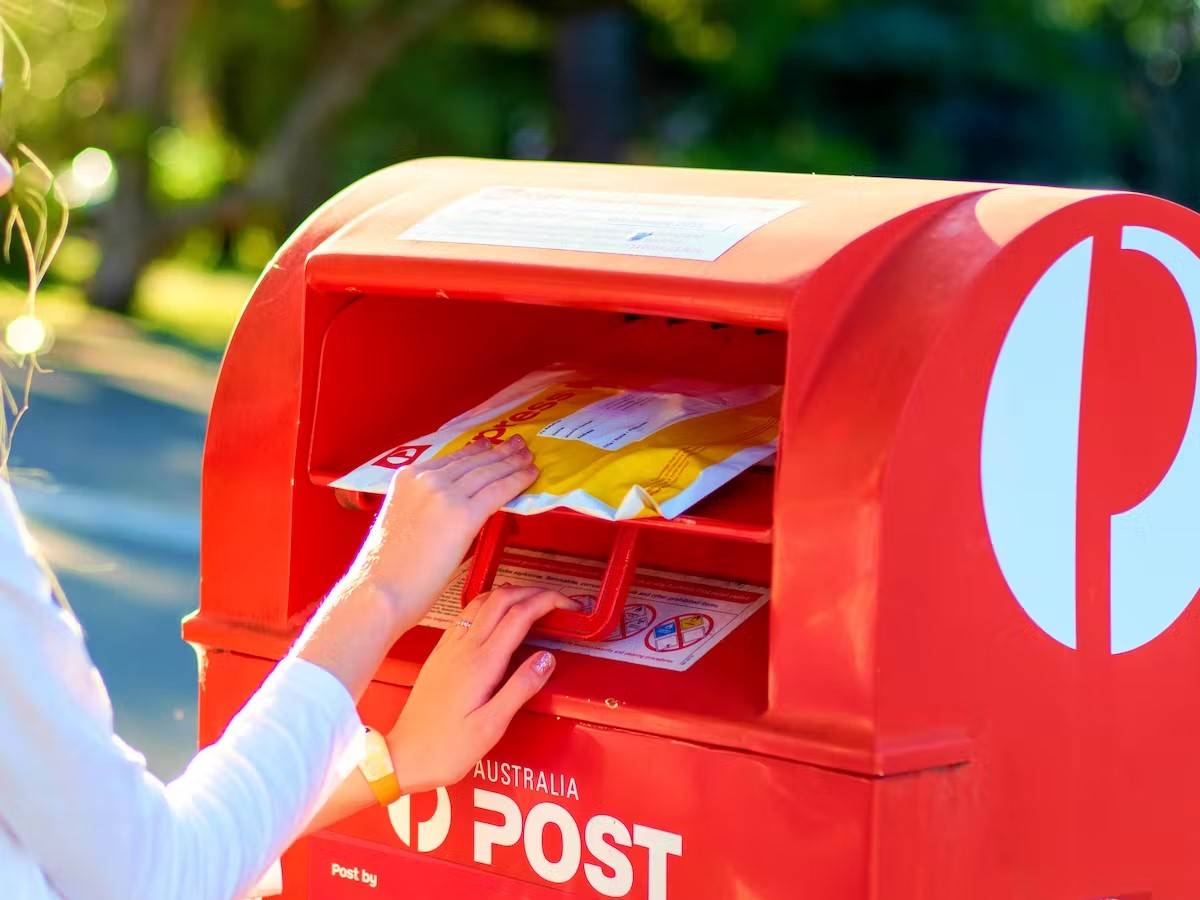
Orders under $35 attract a $4.95 shipping charge. Orders $35 and above have free shipping.
Order Times
Seed orders are normally dispatched within three business days. You will receive an email when seeds are mailed out.
Postage Days
Seeds are mailed out Tuesday to Friday at 1pm. Except for the Friday of long weekends.
Postage Times
WA 2-3 Days: SA,NT 3-5 Days: NSW, ACT, QLD, VIC: 5-7 Days
Carrier
We use Australia Post Letter Postage for the majority of orders
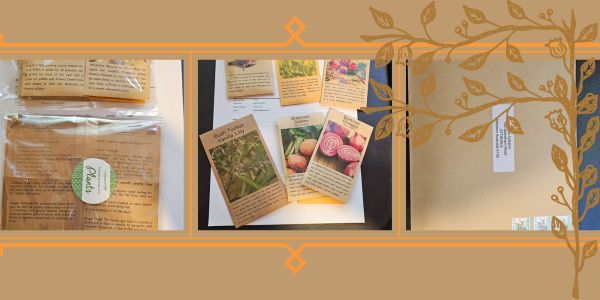
Not only are our seeds packed in recycled paper envelopes, we keep the theme going when we post out website orders. To protect your seeds from moisture and the letter box munchers (snails), we use a very special plastic free material made from plants. They are then put into recycled mailing envelopes. Green all the way 💚🌿
Delivery Guarantee
We take great care to make sure your seeds arrive safely. If your order is lost or damaged in transit, we’ll happily send a replacement. Unfortunately, we can’t replace or refund orders that arrive later than the estimated delivery date, as delays can sometimes occur that are outside our control.
Please note that all dispatch and delivery times listed are estimates only. While we do our best to post promptly, delivery timeframes can vary due to postal service delays, weather events, or other unforeseen circumstances. We’re unable to take responsibility for any loss, damage, or cost that results from a late delivery.
An order is not considered missing until at least 20 business days have passed from the postage date. You’ll receive an email once your seeds have been posted, letting you know they’re on their way. If you don’t see it in your main inbox, please check your Spam or Promotions folders as sometimes our emails like to hide there.
See all our verified customer reviews on our official CusRev profile.
See all our verified customer reviews on our official CusRev profile.