





Coral Vine
$6.59
Kennedia Coccinea
- Seed Count 8
- Ground Cover Or Climber
- Perennial
In stock
Description
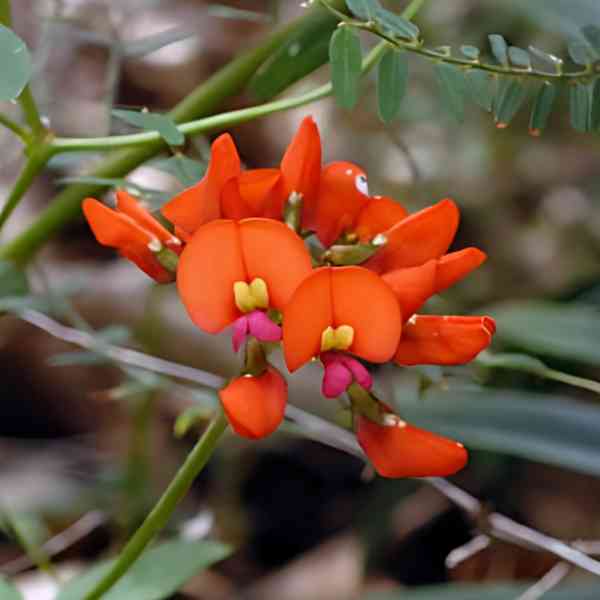
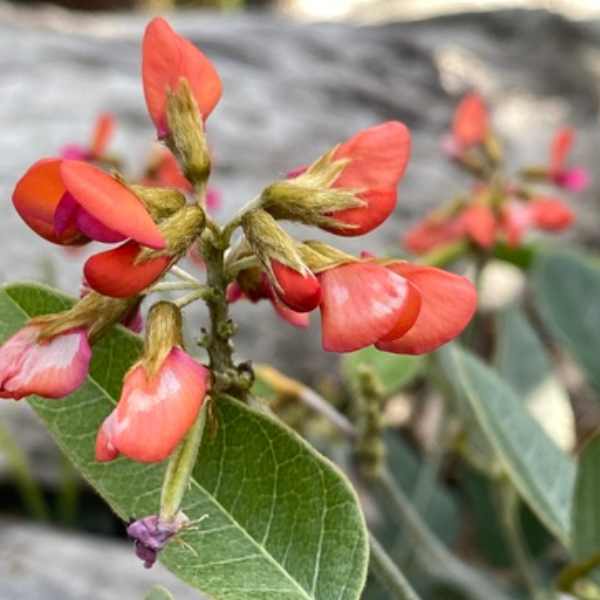
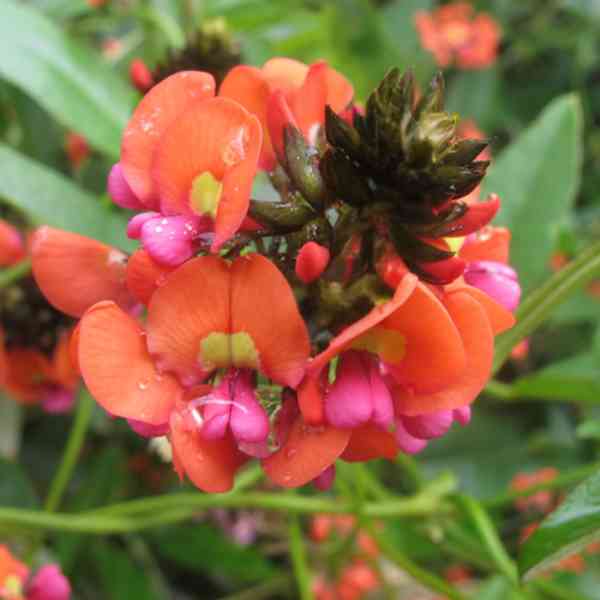
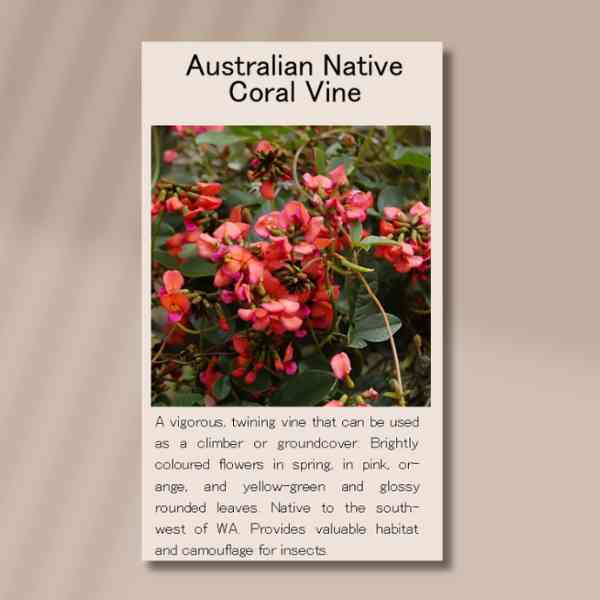
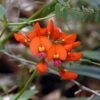
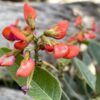
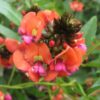
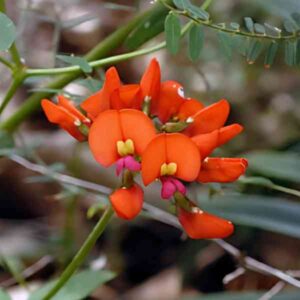
Coral Vine is native to the south-west of Western Australia, an area known for its incredible biodiversity and hardy, sun-loving plants. Over time it has evolved to thrive in our soils, cope with our climate shifts, and support local pollinators. In spring it bursts forth with masses of coral pink, burnt orange, and deep red pea-shaped flowers on upright stems. These blossoms gather densely, fanning out into vibrant clusters that contrast beautifully with the soft, lush green foliage. It’s this striking combination that gives Coral Vine its ornamental punch. From a distance, it looks like a red waterfall flowing through the greenery and up close, each flower is a little work of art.
It’s also one of those rare plants that can do double or triple duty in the garden, depending on how you choose to grow it. Supported by a trellis, obelisk, or wire frame, this vine climbs up to 2 metres, winding its way upward on fine, twining stems. These stems often carry a subtle rust colour, giving an extra layer of warmth and visual interest. It’s not a bulky or heavy climber, which makes it perfect for smaller vertical spaces where you still want a bit of drama without the overgrowth.
But what’s especially versatile about Coral Vine is its willingness to behave beautifully as a ground cover. With a natural spread of around 4 x 4 metres, it will trail across garden beds, banks, retaining walls or open spaces, helping to soften edges and hold soil. In fact, it’s often recommended for erosion control and is ideal for sloped gardens or areas where rainfall might wash away topsoil.
And then there are containers. It’s fabulous in a pot. Think large, deep tubs or hanging baskets, where it can spill and cascade in a curtain of green and red. Perfect for patios, balconies, or that sunny courtyard wall that needs a little lift.
Coral Vine feels at home in a wide range of garden styles. It pairs beautifully with cottage-style beds where you want soft drapes of colour, but it’s equally stunning in native landscapes, bush-style gardens, and even minimalist designs where its form and contrast can really shine.
Use this hardy, water-wise plant as a screening plant to create separation or privacy, or tuck it into a feature pot for a container display with wow factor. It works especially well when given space to drape or climb showing off its natural movement and habit.
Beyond the visual impact, Coral Vine also plays a quiet but important role in the local ecosystem. Those cheerful spring flowers are a magnet for native bees, butterflies, and other beneficial insects. In a garden where biodiversity is front of mind, Coral Vine can help bridge the gap between ornamental and ecological.
And as a native, it integrates seamlessly with other indigenous plants, forming part of a habitat corridor or creating a safe and beautiful haven for visiting creatures. Even if you’re gardening in an urban area, growing species like Kennedia coccinea helps provide important stepping stones for local fauna.
| Method: Start in trays | Soil Temp: 18°C - 25°C |
| Cool Mountain: Sep - Nov | Position: Full sun |
| Arid: Aug - Oct / Mar - May | Row Spacing: 50cm apart |
| Temperate: Aug - Nov | Planting Depth: 5mm |
| Sub Tropical: Aug - Oct / Mar - May | Harvest: 360 days |
| Tropical: Apr - Aug | Plant Height: 40 cm as ground cover |
🌱 Sowing from Trays vs. Direct in the Ground
When it comes to sowing coral vine, both methods can work well—but each has its strengths.
Sowing in trays is a great option if:
- You want to keep an eye on germination.
- You’re sowing during a cooler time of year.
- You’re growing in areas with heavy rainfall or unpredictable weather.
Using small pots or seedling trays means you can control soil temperature, moisture, and protect seedlings from slugs or birds. Once seedlings develop a few sets of true leaves, they transplant quite happily.
Direct sowing works well if:
- You’re planting in spring or early summer in a warm climate.
- You’ve got sandy or well-draining soils and good sun exposure.
- You want them to naturalise or sprawl in a larger area.
If sowing direct, be sure to keep an eye on moisture—especially during the first 2–3 weeks. A light mulch can help retain moisture and discourage weeds.
🔥 Seed Pre-Treatment: Yes, Please
Coral Vine seeds have a hard outer coating—a classic trait of many Australian legumes. To encourage germination, it’s best to scarify the seeds.
Here’s how:
- Nick the seed coat with a sharp knife or rub lightly with sandpaper until you see the lighter inside.
- Soak the seeds in warm water (not boiling!) for 6–12 hours. Swollen seeds are ready to sow.
This breaks dormancy and dramatically improves your germination rate.
🏡 Soil and Position
Coral Vine is native to Western Australia’s sandy coastal soils, so it’s naturally suited to free-draining soils, poor in nutrients, and full sun.
🌿 Soil: Sandy to loamy soils, neutral to slightly acidic pH. Heavy clay soils should be broken up with compost, sand, and gypsum to improve drainage.
🌞 Position: Choose a spot in full sun to light shade. It’ll tolerate some afternoon shade, but blooms best in sun.
🌬️ Wind protection: While the vine is quite tough, young plants will appreciate shelter from harsh, drying winds.
🧹 Care and Maintenance
Coral Vine is a pretty low-fuss plant once established, but a little care will help it thrive:
- Watering: Keep moist during germination and seedling stage. Once established, it’s drought-tolerant but will flower better with the occasional deep water.
- Mulching: A light layer of native mulch will conserve moisture and suppress weeds, but don’t pile it up against the stem.
- Feeding: As a nitrogen-fixing legume, it doesn’t need heavy feeding. A light application of native plant fertiliser in early spring can support blooming.
- Pruning: Trim back lightly after flowering to encourage bushier growth and stop it from getting too leggy.
- Training: Coral vine will scramble and climb if given a trellis, fence, or nearby shrub. Otherwise, it’ll sprawl beautifully as ground cover.
🌼 Companion Planting Guide
Coral Vine’s spreading nature makes it a lovely companion for other native species or pollinator-attracting plants.
Good companions include:
- Kangaroo Paw – contrasting shape and colour
- Dianella – adds grassy texture
- Grevillea groundcovers – for layered, native beds
- Yarrow or Salvias – for colour and pollinators
- Banksia or Melaleuca – provides structure behind vine
Avoid planting with delicate or small herbs—it can overrun less vigorous growers.
✂️ Harvesting (if applicable)
While we don’t typically harvest coral vine the way we would edibles, you can snip the flowers for native floral arrangements. They don’t last long in a vase, but they’re lovely for short-term displays.
🐛 Common Issues & Fixes
| Issue | Symptoms | Fix |
|---|---|---|
| Poor germination | No sprouting after 3+ weeks | Ensure seeds are scarified and soaked before sowing |
| Damping off | Seedlings rot at soil line | Improve air circulation, reduce watering, use sterile seed-raising mix |
| Aphids or sap-suckers | Sticky leaves, distorted tips | Spray with soapy water or neem oil early in the morning |
| Overgrowth or legginess | Vine smothers nearby plants | Prune regularly, install supports, companion with robust plants |
| Yellowing leaves | Often in waterlogged soils | Improve drainage, reduce watering |
🌾 Seed Saving Guide
Saving seed from Coral Vine is a rewarding way to share this beauty and preserve local genetics.
Here’s how:
🌸 Wait for Pods
After flowering, let the plant form seed pods—flat, pea-like and slightly hairy. They’ll begin green and gradually dry to brown.
✂️ Harvest Time
When pods are completely dry and brittle, snip them off the vine. If they rattle, they’re ready.
🧼 Cleaning
Open pods by hand and shake out the seeds. Discard any soft or discoloured ones.
🌬️ Drying
Spread seeds out on paper towel or a mesh screen in a dry, airy place for 3–5 days to remove any residual moisture.
🏷️ Storing
Store in a labelled paper envelope or glass jar with silica gel. Keep in a cool, dry place out of direct sunlight. Seeds can remain viable for up to 5 years if stored well.
🌿 Final Thoughts
Growing it from seed might take a little more prep—but it’s all part of the joy, and once it’s up and running, it practically looks after itself. Whether you’re creating a habitat garden, softening a fence line, or just adding some spring zing to your patch, Coral Vine is a quiet achiever that keeps on giving.
Happy growing! And remember—don’t be discouraged if germination is slow at first. Those hard-coated seeds are just waiting for the right moment. 🌱
1 review for Coral Vine
| 5 star | 100% | |
| 4 star | 0% | |
| 3 star | 0% | |
| 2 star | 0% | |
| 1 star | 0% |

Postage Charge
Orders under $35 attract a $4.95 shipping charge. Orders $35 and above have free shipping.
Order Times
Seed orders are normally dispatched within three business days. You will receive an email when seeds are mailed out.
Postage Days
Seeds are mailed out Tuesday to Friday at 1pm. Except for the Friday of long weekends.
Postage Times
WA 2-3 Days: SA,NT 3-5 Days: NSW, ACT, QLD, VIC: 5-7 Days
Carrier
We use Australia Post Letter Postage for the majority of orders
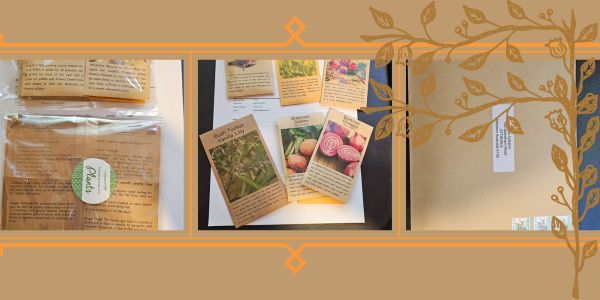
Not only are our seeds packed in recycled paper envelopes, we keep the theme going when we post out website orders. To protect your seeds from moisture and the letter box munchers (snails), we use a very special plastic free material made from plants. They are then put into recycled mailing envelopes. Green all the way 💚🌿
Delivery Guarantee
We take great care to make sure your seeds arrive safely. If your order is lost or damaged in transit, we’ll happily send a replacement. Unfortunately, we can’t replace or refund orders that arrive later than the estimated delivery date, as delays can sometimes occur that are outside our control.
Please note that all dispatch and delivery times listed are estimates only. While we do our best to post promptly, delivery timeframes can vary due to postal service delays, weather events, or other unforeseen circumstances. We’re unable to take responsibility for any loss, damage, or cost that results from a late delivery.
An order is not considered missing until at least 20 business days have passed from the postage date. You’ll receive an email once your seeds have been posted, letting you know they’re on their way. If you don’t see it in your main inbox, please check your Spam or Promotions folders as sometimes our emails like to hide there.
See all our verified customer reviews on our official CusRev profile.