




Cauliflower Snowball
$4.95
Brassica Oleracea Botrytis
- Seed Count 100
- Good For Warm Climates
- Annual
In stock
Description
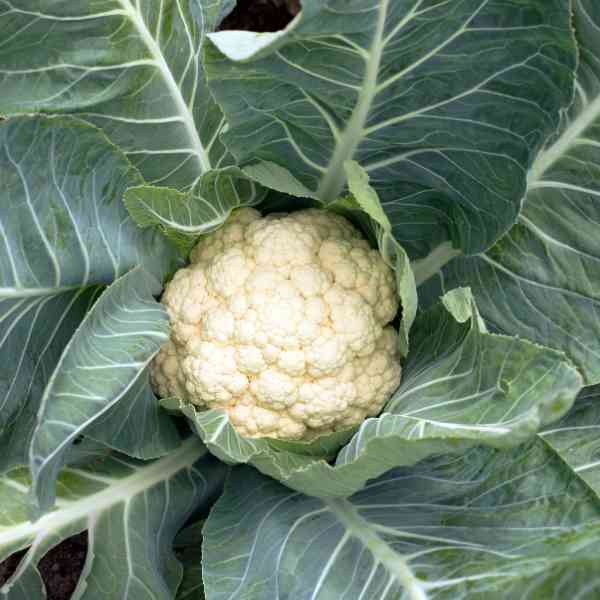
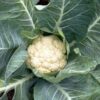
Cauliflower Snowball is a superb heritage variety that’s been around since the 1890s, and is one of those dependable old sorts that is vigorous, uniform, and generous with its harvest. The plants are compact yet sturdy, producing pure white, snowball-sized heads. These heads can be harvested young at around 5 cm across for tender baby-sized portions, or left to mature to a full 15 cm without losing their dense, fine texture.
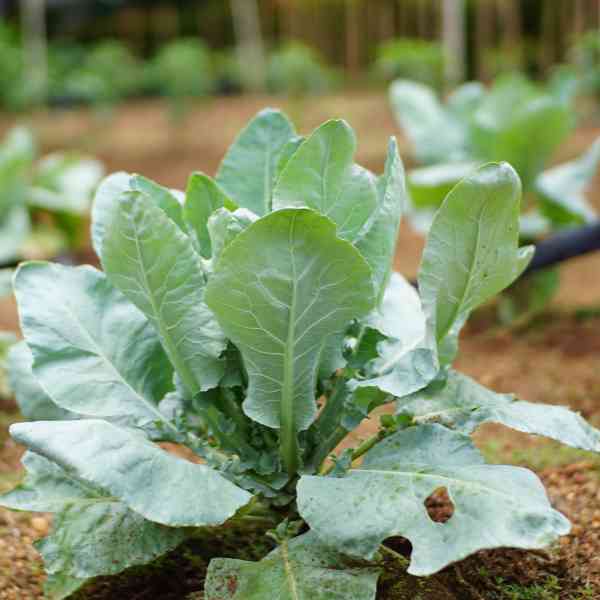
Snowball’s dwarf and compact growth habit makes it perfect for smaller plots or tighter planting spaces, which is particularly handy if you’re working in raised beds or want to stagger your harvests for a steady supply. Despite their modest size, the plants are remarkably vigorous.
Though it’s often described as an early cauliflower, Snowball is far more versatile than that label suggests. It behaves more like an all-season type, similar in nature to the well-known ‘All Year Round’ variety. This means you can plan for successional production, sowing and harvesting in waves to enjoy a continual supply of cauliflowers through much of the year. From seed to harvest, it’s usually around 65 to 70 days, which makes it a fairly quick maturing variety, yet still one that rewards patience with full, even heads that hold well in the garden.
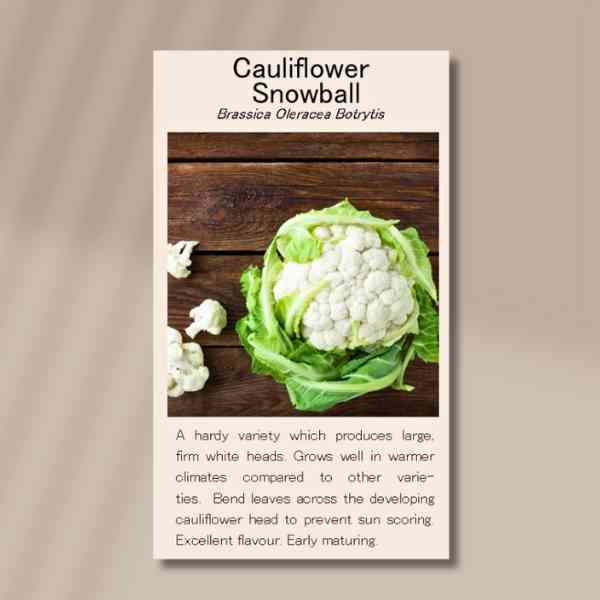
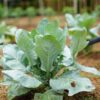
The leaf coverage of Snowball is excellent, helping shield the developing heads from harsh light. In warmer parts of Australia where the sun can be quite intense, gardeners often bend a few of the outer leaves over the curds as an extra measure. This old trick helps prevent sun scoring and keeps the heads beautifully white right through to harvest.
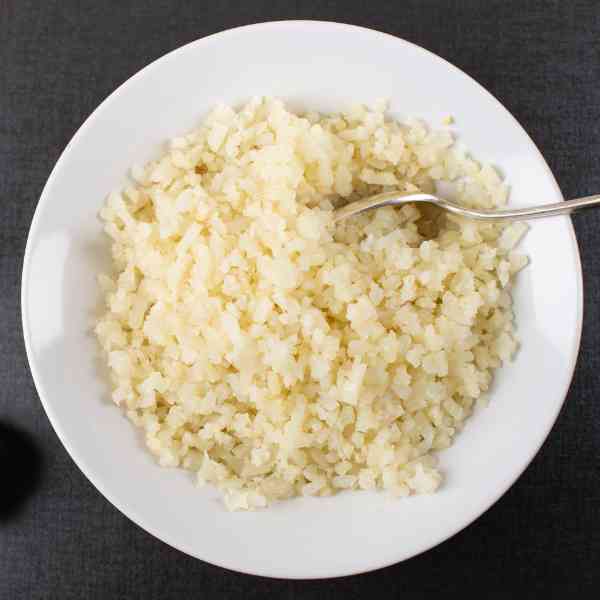
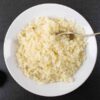
When it comes to flavour, Cauliflower Snowball is mild, creamy, and versatile. It has a gentle sweetness when eaten raw, making it lovely for salads, snacks, or as part of a fresh garden platter. It also cooks beautifully. Whether you prefer to steam it until just tender, roast it with a drizzle of olive oil until golden, or stir-fry it with spices and greens, it holds its shape and takes on flavours gracefully. Its mild nature makes it a friendly ingredient that works just as well in classic cauliflower cheese as it does in soups or modern plant-based dishes.
Snowball is also an excellent keeper and it grows in warmer climates compared to many other traditional cauliflowers. While some varieties sulk or bolt in the heat, Snowball has shown itself to be surprisingly adaptable. It remains productive and consistent where others might struggle, making it a valuable choice for gardeners across much of Australia, especially those in regions with milder winters and shorter cool seasons.
| Method: Sow direct | Soil Temp: 10°C - 30°C |
| Cool Mountain: Jul - May | Position: Full sun |
| Temperate: Feb - Jun | Planting Depth: 5 mm |
| Sub Tropical: Mar - Jun | Harvest: 80 Days |
| Arid: Feb - Jun | Row Spacing: 60cm apart |
| Tropical: Apr - Jul | Plant Height: 30 cm |
🌱 Sowing Cauliflower: Seed Starting in Detail
Seed Trays
Starting in seed trays is often the easiest way to get cauliflower off to a healthy start. Fill your trays with a quality seed-raising mix that drains well but also holds moisture. Cauliflower seeds are tiny, so you only need to sow them about 1 cm deep. Plant one or two seeds per cell—this way, you can thin to the strongest seedling later.
Keep the soil lightly moist, not soggy, and place the trays in a warm spot. Ideal germination temperatures are around 18–22°C. In most parts of Australia, indoor windowsills, heated propagators, or shaded verandahs work well. Seedlings usually appear in 7–10 days, and you’ll notice tiny green leaves unfurling—the first signs that your careful attention is paying off.
Once the seedlings develop 4–6 true leaves, they’re ready for transplanting. Harden them off for a week first: gradually introduce them to outdoor conditions, starting with a few hours of morning sun and sheltered conditions, increasing daily. This reduces transplant shock and helps them establish faster in the garden.
Direct Seeding
Direct seeding into the garden is straightforward and can save a step, but it does leave young plants exposed to the elements. Sow seeds about 1 cm deep in prepared soil, spacing them roughly 30 cm apart in rows that are 40 cm apart. Once seedlings have developed a few leaves, thin them to 40–50 cm apart. This ensures each plant has enough room to grow, prevents overcrowding, and reduces disease risk.
Direct seeding works best when soil temperatures are warm enough to encourage quick germination. In cooler areas, starting in trays and transplanting is often a safer bet to avoid slow germination or loss to pests.
Seed Pre-Treatment
Most cauliflower seeds don’t require pre-treatment; simply sow them directly. However, if your soil is cool or you want to speed up germination, soaking seeds in warm water for 4–6 hours can help soften the seed coat and encourage faster sprouting. Avoid leaving them too long, as seeds can rot if over-soaked.
🌿 Soil & Position
Cauliflower thrives in rich, fertile soil. Choose a sunny spot that receives at least 6 hours of light per day. The soil should be deep and well-draining, enriched with compost or well-rotted manure. A slightly acidic to neutral soil pH of 6.5–7.0 is ideal. Before planting, work the soil thoroughly to remove stones and improve structure. Spacing is important—allow 40–50 cm between plants to give them plenty of room for their heads to develop and air to circulate.
🌾 Care & Maintenance
Cauliflower plants need consistent care. Keep the soil evenly moist, especially during dry spells. Mulching with organic material such as sugarcane mulch or straw helps retain moisture, suppress weeds, and keep roots cool. Feed plants with a balanced fertilizer every 2–3 weeks. Once the curds begin forming, switch to a fertilizer higher in potassium and calcium to support healthy head development and prevent discolouration.
To maintain bright white curds, fold the outer leaves over the head as it grows. This process, called blanching, shields the curd from sunlight and prevents yellowing.
🌼 Companion Planting
Cauliflower enjoys being near certain plants that boost growth or deter pests. Good companions include onions, dill, chamomile, and celery. These can improve flavour, attract beneficial insects, and keep pests at bay. Avoid planting cauliflower near other brassicas like cabbage, broccoli, or kale to reduce competition and minimize shared pests and diseases.
🌾 Harvesting
Cauliflowers are typically ready to harvest 12–14 weeks after transplanting or direct sowing. The heads should be firm, compact, and around 20 cm across. Cut with a sharp knife, leaving a few protective leaves attached. Regularly check your plants so you can harvest at peak firmness before the curds start loosening.
🐛 Common Issues & Fixes
| Issue | Cause | Solution |
|---|---|---|
| Buttoning | Stress from cold, heat, or irregular watering | Keep watering consistent, avoid overcrowding, and protect seedlings during extreme weather |
| Leggy Seedlings | Insufficient light or overcrowding | Start seeds in a bright spot, use grow lights if necessary, and thin seedlings |
| Curd Discolouration | Nutrient imbalance or too much sun | Fertilise appropriately and use blanching to protect curds |
| Pest Infestation | Aphids, caterpillars, whiteflies | Use organic pesticides or introduce beneficial insects like ladybugs |
🌾 Seed Saving Guide
Saving your own cauliflower seeds is easy with a bit of planning.
- Select Healthy Plants – Choose the strongest, healthiest plants with fully developed heads.
- Allow to Flower – Let the selected plants bolt and flower. Cauliflower is biennial, so you may need to overwinter the plant or store it until the next season.
- Harvest Seeds – Once flowers produce seed pods and they dry on the plant, collect them.
- Dry and Store – Ensure seeds are fully dry before storing in an airtight container in a cool, dry spot.
- Label Clearly – Note the variety and year to keep your seed collection organised.
🌻 Final Thoughts
Growing cauliflower from seed in Australia can be both rewarding and fun. The key is starting your seeds well—whether in trays or direct in the garden—providing rich soil, adequate sunlight, and consistent care. Keep an eye out for pests, maintain moisture, and don’t be afraid to experiment with companion planting. With patience and attention, you’ll enjoy a bountiful harvest of crisp, homegrown cauliflower that’s worth every minute of care.
1 review for Cauliflower Snowball
| 5 star | 100% | |
| 4 star | 0% | |
| 3 star | 0% | |
| 2 star | 0% | |
| 1 star | 0% |

Postage Charge
Orders under $35 attract a $4.95 shipping charge. Orders $35 and above have free shipping.
Order Times
Seed orders are normally dispatched within three business days. You will receive an email when seeds are mailed out.
Postage Days
Seeds are mailed out Tuesday to Friday at 1pm. Except for the Friday of long weekends.
Postage Times
WA 2-3 Days: SA,NT 3-5 Days: NSW, ACT, QLD, VIC: 5-7 Days
Carrier
We use Australia Post Letter Postage for the majority of orders
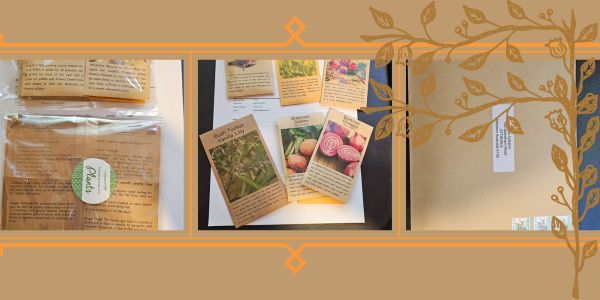
Not only are our seeds packed in recycled paper envelopes, we keep the theme going when we post out website orders. To protect your seeds from moisture and the letter box munchers (snails), we use a very special plastic free material made from plants. They are then put into recycled mailing envelopes. Green all the way 💚🌿
Delivery Guarantee
We take great care to make sure your seeds arrive safely. If your order is lost or damaged in transit, we’ll happily send a replacement. Unfortunately, we can’t replace or refund orders that arrive later than the estimated delivery date, as delays can sometimes occur that are outside our control.
Please note that all dispatch and delivery times listed are estimates only. While we do our best to post promptly, delivery timeframes can vary due to postal service delays, weather events, or other unforeseen circumstances. We’re unable to take responsibility for any loss, damage, or cost that results from a late delivery.
An order is not considered missing until at least 20 business days have passed from the postage date. You’ll receive an email once your seeds have been posted, letting you know they’re on their way. If you don’t see it in your main inbox, please check your Spam or Promotions folders as sometimes our emails like to hide there.
See all our verified customer reviews on our official CusRev profile.