
Carob
$6.59
Ceratonia Siliqua
- Seed Count 20
- Attractive Evergreen Tree
- 100 Year Life Span
In stock
Description
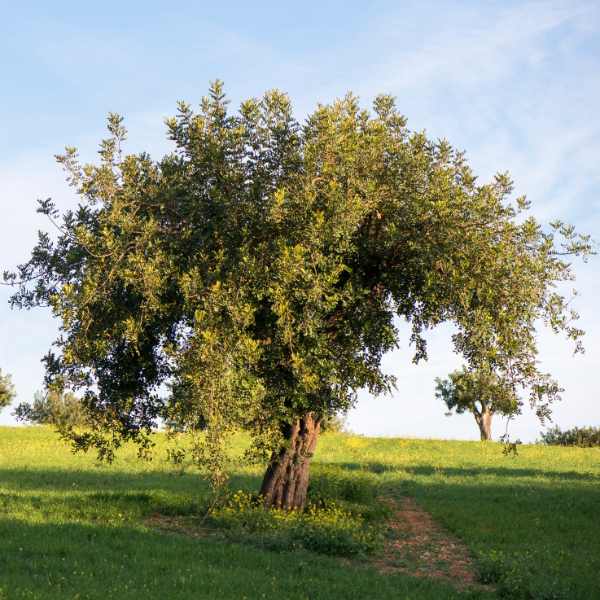
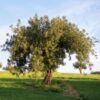
An evergreen tree that grows to a height of 10 m, best grown in temperate regions of Australia. An attractive tree with dense foliage, shiny, green, rounded leaves and the new growth is bronze coloured. They are often used as street trees and are good in an orchard situation. They are a tough drought-tolerant shade tree that also makes an ideal windbreak in our dry climate.
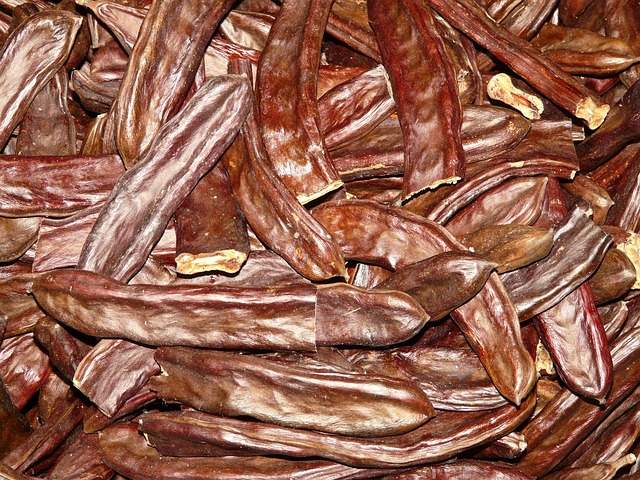
The pods can be eaten fresh or roasted and ground into powder. One of the world’s best natural sweeteners, the leathery pods are commonly used as a substitute for cocoa and have been cultivated throughout the Mediterranean as a staple food source for thousands of years. They are also a useful fodder feed.
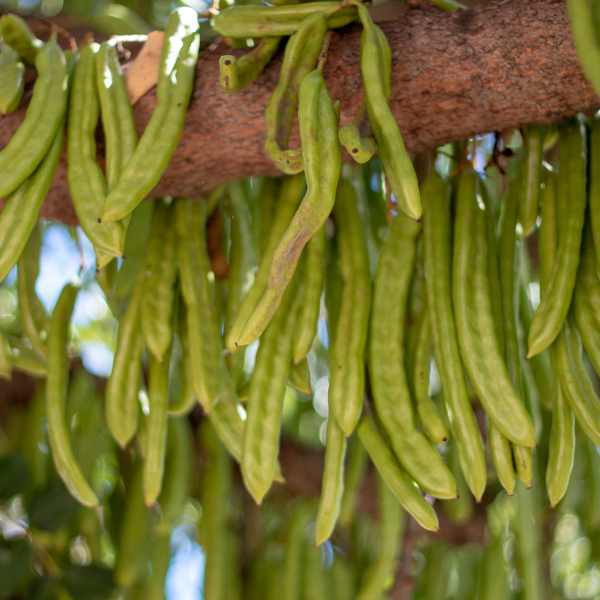
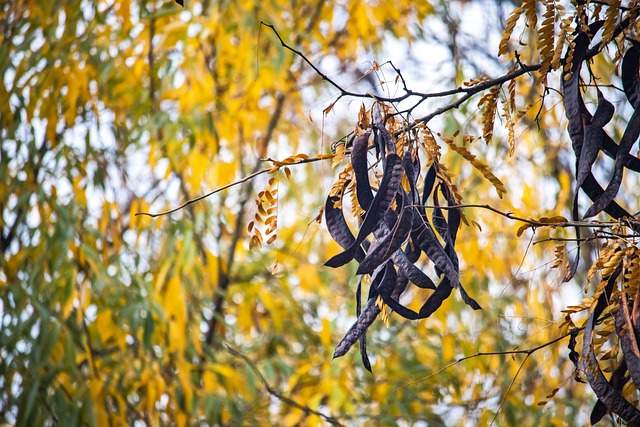
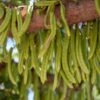
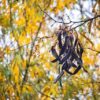
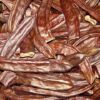
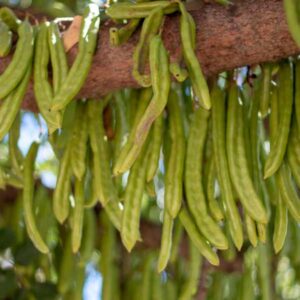
The emerging pod is pale green and turns a dark brown when mature. It is a flattened pod, 13 – 30 cm in length and about 2.5 cm wide, containing a sweet, chocolate tasting pulp and several bean-like seeds. The sugar content of the pods can be as high as 50%. A healthy alternative for caffeine and chocolate addicts, they are high in antioxidants and vitamin E and help to improve digestive health and lower cholesterol.
🌱 Sowing Carob: In Trays vs. Direct Sowing
🪴 Sowing in Trays (Recommended)
Starting carob seeds in trays gives you better control over early growth, which is especially useful given their tough seed coat and slow germination. Trays protect young seedlings from pests, harsh sun, and inconsistent moisture.
Steps:
- Pre-treatment is essential – carob seeds have a very hard coat. To break dormancy, scarify them (nick with a file or sandpaper) and soak in hot water (not boiling) for 12–24 hours. Seeds that swell are ready to sow.
- Use deep seed-raising trays or forestry tubes—they develop long taproots.
- Sow about 2 cm deep into a free-draining seed-raising mix.
- Keep trays warm and moist, ideally around 20–25°C.
- Germination can take 2–6 weeks—patience is key.
Once seedlings are about 10–15 cm tall and have a good root system, pot them on or plant out carefully.
🌿 Direct Sowing
Direct sowing can work in warmer climates with low frost risk, though it’s a bit trickier due to that tough seed coat and the need for consistent conditions.
- Follow the same scarification and soaking process.
- Choose a sunny, sheltered location with well-draining soil.
- Sow seeds directly into prepared ground in early spring.
- Mulch lightly to retain moisture but avoid rot.
- Protect from ants, birds, and drying winds while germinating.
Because of their slow start and long taproot, direct-sown carobs don’t like being disturbed later—so only choose this method where you know the tree can stay.
🌞 Soil & Position
Carob trees are champions of poor soils—but they’ll reward you even more if you give them a good start.
- Position: Full sun—at least 6–8 hours daily.
- Soil: Free-draining soil is essential. Sandy loams are ideal. They tolerate limestone, salt, and even rocky soils but will struggle in soggy ground.
- pH: Slightly alkaline to neutral (6.5–8).
- Climate: Best suited to Mediterranean-style climates—hot, dry summers and mild, wet winters. They dislike heavy frosts but will tolerate occasional light ones once established.
A warm, north-facing slope with shelter from strong winds is ideal. They’re slow growers, so site them where they can stay put and won’t be shaded out.
🛠️ Care & Maintenance
Carob is low-maintenance once established, but it does appreciate some early support:
- Watering: Regular moisture during the first two years helps strong root development. Once established, water only during extended drought.
- Mulching: Apply mulch around the base to retain soil moisture and suppress weeds, but keep it clear of the trunk.
- Fertiliser: Not usually needed, but an annual light feed of organic compost or a slow-release native fertiliser in spring can help younger trees.
- Pruning: Shape in the first few years to encourage a strong, single trunk if desired. Otherwise, minimal pruning is needed—just remove dead or crossing branches.
Note: Carobs are dioecious, meaning you need both male and female trees to produce pods—unless you get a hermaphrodite cultivar. If growing from seed, plant several to increase your chances of getting both sexes.
🌼 Companion Planting
Carob isn’t fussy, but it’s not a fast grower—so its companions should work around its slow, deep taproot rather than compete with it.
Good Companions:
- Lupins, clover, and other legumes – help build soil nitrogen, especially useful early on.
- Mediterranean herbs – like rosemary, lavender, and oregano—share water-wise needs.
- Alyssum and yarrow – attract beneficial insects.
- Olive trees – thrive in similar conditions and have complementary root systems.
Avoid planting directly under the tree once it starts spreading, as its roots don’t like disturbance and it can become quite dense with age.
✂️ Harvesting
Carob trees take a while to get going—they may not fruit for 6–7 years from seed, but they’re long-lived and can produce for 100+ years!
When to Harvest:
- Pods mature in late summer to early autumn, turning dark brown and firm.
- Twist gently to harvest. If they resist, they’re not quite ready.
- They should be dry and brittle when mature—snap one open to check for dryness.
Carob pods can be stored in a cool, dry place for months. To use them, they’re often ground into powder, chopped for baking, or simply enjoyed as-is.
🐛 Common Issues & Fixes
| Issue | Symptoms | Fix |
|---|---|---|
| Slow germination | No growth after several weeks | Scarify seeds properly and ensure water is warm for soaking |
| Root rot | Yellowing leaves, soft roots | Ensure well-draining soil; avoid overwatering |
| Leaf tip burn | Browning edges | Salt buildup—flush soil or check water quality |
| Aphids or scale insects | Sticky leaves, stunted growth | Hose off or use neem oil spray |
| No pods after flowering | Only male trees present | Grow multiple trees to ensure cross-pollination |
| Frost damage (young trees) | Wilted or blackened young growth | Protect with frost cloth or plant in sheltered microclimates |
🌰 Seed Saving Guide
If you’re lucky enough to get pods, you can save the seeds easily for future plantings or sharing.
- Harvest mature pods in late summer or early autumn when dark brown and fully dry.
- Crack pods open using a hammer or mallet.
- Remove seeds—they’re hard, glossy brown, and resemble polished beans.
- Allow seeds to air-dry for a few days.
- Store in a cool, dry, and dark place in an airtight container. Label with the date.
Carob seeds stay viable for many years thanks to their hard coating—just remember that scarification is always needed before sowing.
🌟 Final Thoughts
Growing carob from seed in Australia is a long-term investment—but one that pays off beautifully for the patient gardener. Whether you’re creating a dryland food forest, adding to a permaculture design, or just love the idea of growing your own chocolate-like treat, carob is a rugged and rewarding addition.
Give your seeds the time and care they need in the early stages, and your efforts will be repaid with a tough, self-sufficient tree that thrives on neglect and delivers a unique, nutritious harvest.
And remember—every carob tree started as a tiny, slow seed. 🌱
3 reviews for Carob
| 5 star | 66% | |
| 4 star | 0% | |
| 3 star | 33% | |
| 2 star | 0% | |
| 1 star | 0% |

Postage Charge
Orders under $35 attract a $4.95 shipping charge. Orders $35 and above have free shipping.
Order Times
Seed orders are normally dispatched within three business days. You will receive an email when seeds are mailed out.
Postage Days
Seeds are mailed out Tuesday to Friday at 1pm. Except for the Friday of long weekends.
Postage Times
WA 2-3 Days: SA,NT 3-5 Days: NSW, ACT, QLD, VIC: 5-7 Days
Carrier
We use Australia Post Letter Postage for the majority of orders
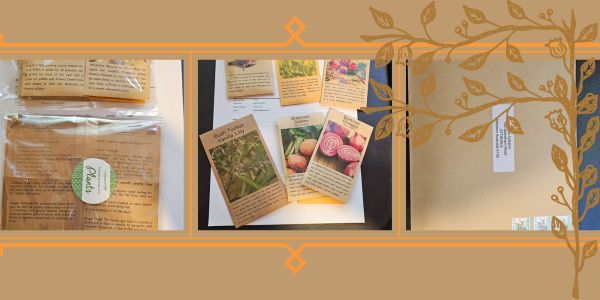
Not only are our seeds packed in recycled paper envelopes, we keep the theme going when we post out website orders. To protect your seeds from moisture and the letter box munchers (snails), we use a very special plastic free material made from plants. They are then put into recycled mailing envelopes. Green all the way 💚🌿
Delivery Guarantee
We take great care to make sure your seeds arrive safely. If your order is lost or damaged in transit, we’ll happily send a replacement. Unfortunately, we can’t replace or refund orders that arrive later than the estimated delivery date, as delays can sometimes occur that are outside our control.
Please note that all dispatch and delivery times listed are estimates only. While we do our best to post promptly, delivery timeframes can vary due to postal service delays, weather events, or other unforeseen circumstances. We’re unable to take responsibility for any loss, damage, or cost that results from a late delivery.
An order is not considered missing until at least 20 business days have passed from the postage date. You’ll receive an email once your seeds have been posted, letting you know they’re on their way. If you don’t see it in your main inbox, please check your Spam or Promotions folders as sometimes our emails like to hide there.
See all our verified customer reviews on our official CusRev profile.
See all our verified customer reviews on our official CusRev profile.
I have not planted this yet.
See all our verified customer reviews on our official CusRev profile.