







Carnation Enfante de Nice Mix
$4.95
Dianthus Caryophyllus
- Seed Count 100
- Perennial
- Eye Popping Blooms
- Height 50 cm
In stock
Description
Carnation Enfante de Nice is an old European strain, developed with an emphasis on fragrance, form and cutting quality at a time when flowers were expected to do more than simply look pretty in a border. These carnations were bred to be noticed, admired, and gathered by hand, filling rooms with scent rather than just colour.
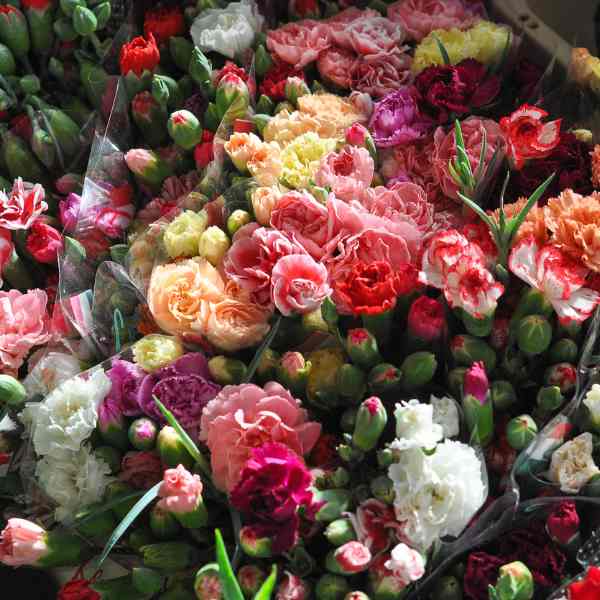
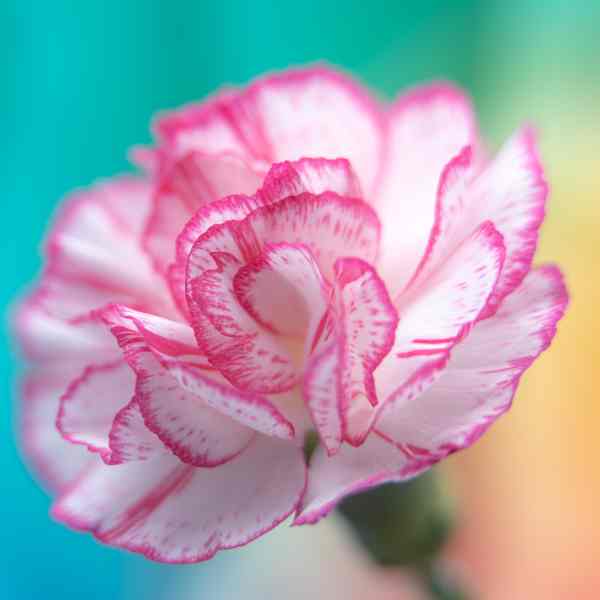
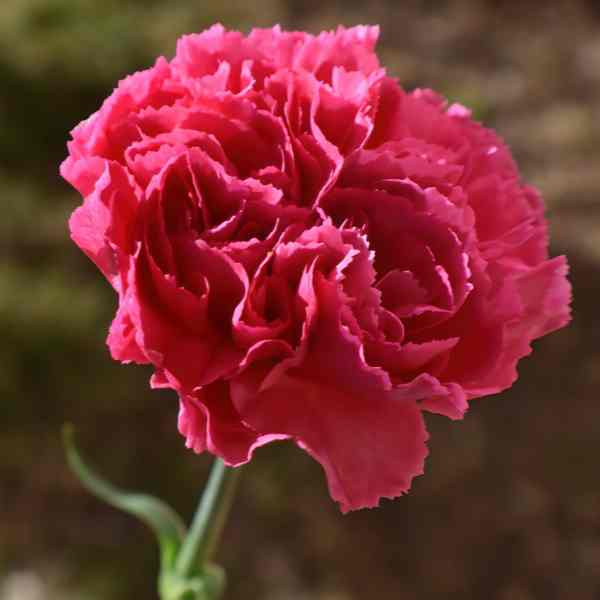
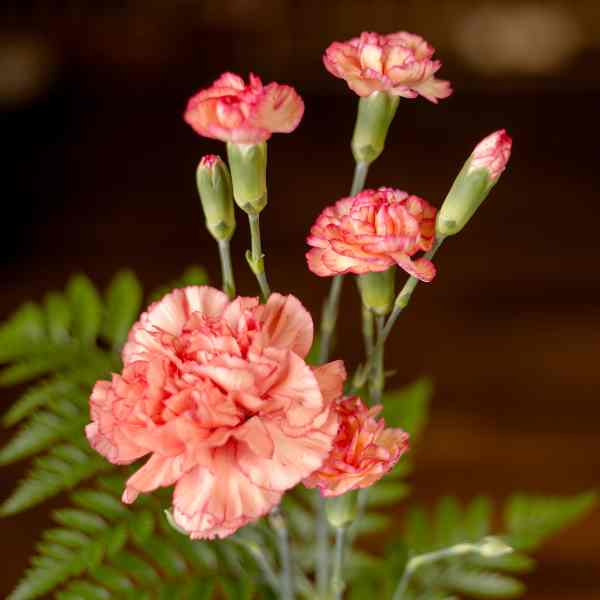
What immediately sets it apart is the richness and diversity of its flowers. The blooms are highly scented, with a classic clove-like fragrance that modern hybrids often lack.. The ruffled petals are produced in a lively mix of scarlet, soft pink, warm salmon and clean white, with many flowers carrying delicate stripes or picotee edging that gives each bloom its own personality. No two plants are exactly alike, and that variation is very much part of the charm.
The plants grow into neat, compact clumps, typically reaching around 50 cm in height. Their slender, blue-green foliage provides an understated backdrop to the vivid flowers, allowing the blooms to take centre stage without looking heavy or crowded. This restrained growth habit gives the plants a tidy, composed look that suits everything from cottage-style plantings to more formal garden layouts. Even when not in flower, the foliage remains attractive and well-mannered, contributing to the overall appeal of the plant.
One of the key reasons Enfante de Nice has remained popular for so long is its generous flowering nature and the flowers are held on sturdy stems, making them particularly well suited to cutting. Once brought indoors, Enfante de Nice carnations are long-lasting, often holding their form and fragrance for up to two weeks in a vase.
Beyond their visual appeal, Carnation Enfante de Nice Mix also offers quieter benefits that are just as important. The nectar-rich blooms are attractive to a range of pollinators, including bees and butterflies. When in flower, the plants often hum with gentle activity, a small but meaningful contribution to the health of local ecosystems.
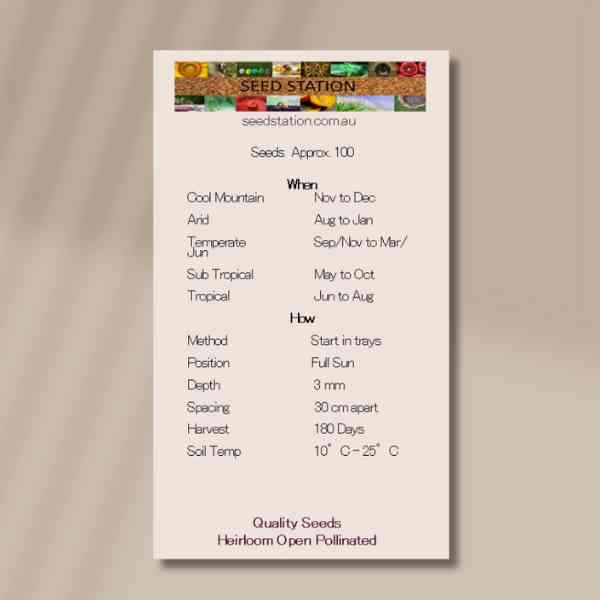
| Method: Start in trays | Soil Temp: 10°C - 25°C |
| Cool Mountain: Nov - Dec | Position: Part sun |
| Arid: Aug - Jan | Row Spacing: 30cm apart |
| Temperate: Sep-Nov, Mar-Jun | Planting Depth: 3 mm |
| Sub Tropical: May - Oct | Harvest: 180 Days |
| Tropical: Jun - Aug | Plant Height: 50cm |
Sowing in Trays
Raising carnation seed in trays is the most reliable method, especially in warm or unpredictable climates.
Sow seeds in late winter to early spring in most parts of Australia. Use a fine, free draining seed raising mix and lightly firm it down. Sow the seed on the surface and cover with a very thin layer of mix or vermiculite. Carnation seed needs light to germinate, so avoid burying it too deeply.
Water gently and keep trays in a bright position out of direct midday sun. Ideal germination temperature sits between 15 and 20°C. Seeds usually germinate within 10 to 20 days.
Once seedlings have two to three true leaves, pot them up or harden them off gradually before planting into the garden.
Direct Sowing
Direct sowing is possible but less dependable.
Sow in spring once the soil has warmed and frost risk has passed. Prepare a fine seed bed, remove weeds, and sow seed thinly on the surface. Cover very lightly and keep evenly moist. Seedlings grown this way often struggle with competition from weeds and inconsistent moisture, which is why tray sowing is generally preferred.
🌼 Seed Pre Treatment
No seed pre treatment is required.
Carnation seed does not need soaking, stratification, or scarification. Fresh seed with steady moisture and mild temperatures is all that is needed for good germination.
🌿 Soil and Position
Carnations thrive in the right spot.
Choose a position with full sun to light afternoon shade. At least six hours of sun per day is ideal. Good air circulation is important to help prevent fungal issues.
Soil should be free draining and slightly alkaline to neutral. Heavy clay soils need improvement with compost and grit or coarse sand. Raised beds work very well for carnations, especially in areas with wet winters.
Avoid rich, heavily fertilised soil. Too much nitrogen encourages soft growth at the expense of flowers.
💧 Care and Maintenance
Carnations are not demanding, but they do appreciate consistency.
Water deeply but infrequently once established. Allow the soil to dry slightly between watering. Overwatering is a common cause of problems.
Mulch lightly to suppress weeds, keeping mulch away from the crown of the plant. Feed sparingly with a balanced liquid fertiliser or compost tea every four to six weeks during active growth.
Pinch young plants when they are about 10 to 15 cm tall to encourage bushier growth and more flowering stems. Remove spent flowers regularly to keep plants blooming.
Tall plants may need staking to support their long stems, especially in windy areas.
🌸 Companion Planting Guide
Carnations benefit from neighbours that enjoy similar conditions and help with pest control.
Good companions include lavender, rosemary, thyme, salvia, alyssum, and calendula. These plants attract beneficial insects and do not compete aggressively for nutrients.
Avoid planting carnations near heavy feeders like corn or brassicas, as they prefer leaner soil and less competition.
✂️ Harvesting Carnations
Harvesting correctly encourages more blooms.
Cut flowers early in the morning when buds are just starting to open and show colour. Use clean, sharp snips and cut stems just above a leaf node. Regular harvesting keeps plants productive and improves stem length.
Condition stems immediately in cool water and remove any leaves that would sit below the waterline.
🐛 Common Issues and Fixes
| Problem | Likely Cause | Fix |
|---|---|---|
| Yellowing leaves | Poor drainage or overwatering | Improve drainage and reduce watering |
| Few flowers | Too much nitrogen or insufficient sun | Reduce feeding and move to a sunnier spot |
| Powdery mildew | Poor air flow or humid conditions | Space plants well and avoid overhead watering |
| Aphids | Soft new growth | Hose off, use insecticidal soap, or encourage beneficial insects |
| Plants flopping | Lack of support or leggy growth | Stake plants and pinch early growth |
🌾 Seed Saving Guide
Saving carnation seed is rewarding and helps preserve this heirloom variety.
Allow selected flowers to remain on the plant until they fade and dry naturally. Over several weeks, the flower head will turn brown and papery. Once fully dry, cut the head and bring it indoors.
Gently break open the dried flower head over a clean tray or paper. Inside you will find small, dark seeds. Remove chaff and allow seeds to air dry for another week in a warm, dry place out of direct sun.
Store seeds in a labelled paper envelope or glass jar in a cool, dry location. Properly stored seed remains viable for three to five years.
Be aware that carnations can cross with other Dianthus varieties. For true to type seed, grow only one variety or separate varieties by distance.
🌸 Final Thoughts
Carnation ‘Enfant de Nice’ is not a fast flower, but it is a deeply satisfying one. Growing it from seed invites patience and care, and in return you get fragrant blooms with a sense of history and charm that modern hybrids rarely match.
Take your time, give them sun and good drainage, and you will be rewarded with elegant stems perfect for the vase and a garden filled with old fashioned perfume. And once you start saving your own seed, these carnations truly become part of your garden story.
🌱 Sowing: In Trays vs. Direct in the Ground
In trays (recommended)
In most Australian climates, starting carnations in seed trays gives you the best control over germination and early growth. This is especially important because carnation seeds are small and delicate, and young seedlings are sensitive to overly wet or dry conditions.
- When to start trays:
- Cool & temperate zones: Late winter to early spring (August–September)
- Subtropical & arid zones: Late autumn to early winter (April–June)
- Tropical zones: Avoid the wet season—sow in the dry, around May–July
- Method:
Fill trays with a fine, free-draining seed-raising mix. Sprinkle seeds sparingly on the surface and lightly press them into the soil—do not cover, as they need light to germinate. Mist gently and keep moist but not soggy. - Germination:
Seeds sprout in 7–14 days when kept between 16–21°C.
Direct sowing
Direct sowing carnations is less common and best suited for mild climates or where you have free-draining soil and can keep a close eye on moisture. Even so, germination can be patchy, and young seedlings can struggle with competition or pests.
If you do try direct sowing, wait until the soil has warmed in early spring, rake to create a fine tilth, and sow very shallowly, keeping the area moist and weed-free until seedlings establish.
🌿 Seed Pre-treatment
No pre-treatment is required for carnation seeds. They’re ready to sow as-is. Just be gentle with them—small seeds can be lost easily if you’re heavy-handed.
🌞 Soil and Position
Carnations thrive in sunny, well-drained spots with neutral to slightly alkaline soil. They dislike heavy, waterlogged soils, which can quickly lead to root rot.
- Soil prep tip: Add lime if your soil is acidic (many Australian soils are). A handful per square metre dug through a few weeks ahead of planting will help sweeten the soil.
- Position: Choose a spot with 6+ hours of sunlight. Morning sun with good airflow is ideal.
In trays or garden beds, make sure drainage is excellent. You can even raise your garden beds slightly or use gravel beneath the soil to prevent waterlogging.
🌼 Care and Maintenance
Once your seedlings are about 5–7cm tall and have a few true leaves, it’s time to harden them off before transplanting. Do this over 7–10 days by placing them outside in a sheltered spot for increasing amounts of time.
Spacing
Space plants about 25–30cm apart. This gives them room to bush out and encourages better air circulation—important for preventing fungal issues.
Ongoing care:
- Watering: Moderate. Water deeply but infrequently—let the top layer of soil dry between watering. Overwatering is a common problem!
- Feeding: Monthly with a balanced organic liquid fertiliser (like seaweed or fish emulsion). For extra blooms, a light feed with potash during budding helps.
- Deadheading: Remove spent flowers regularly to encourage continuous blooming.
- Support: Tall varieties may need light staking or a flower support ring.
🌼 Companion Planting
Carnations mix well with other sun-lovers and don’t have many issues with neighbours, but there are a few companions worth mentioning:
| Good Companions | Benefits |
|---|---|
| Lavender | Also loves full sun and dry feet—adds scent and attracts bees |
| Snapdragons | Similar care needs and visually stunning together |
| Yarrow | Attracts beneficial insects and fills space nicely |
| Parsley | Deters pests like aphids, and can share a sunny bed |
Avoid planting with heavy feeders or sprawling crops that may crowd them—like pumpkins or zucchinis.
✂️ Harvesting
Carnations are long-stemmed and excellent as cut flowers—one of the longest lasting in the vase!
- When to pick: Just as the bud begins to crack open and show colour. Too early and they may not open; too late and they won’t last.
- How to pick: Use clean snips and cut just above a node. This encourages branching and more flowers.
Picked this way, carnations can last 10–14 days in the vase with clean water and a trim every few days.
🐛 Common Issues & Fixes
Here’s a quick table of common problems and what to do:
| Problem | Symptoms | Fix/Prevention |
|---|---|---|
| Damping off | Seedlings wilt and die suddenly | Use sterile seed mix, avoid overwatering |
| Aphids | Clusters on new growth, curling leaves | Spray with insecticidal soap or blast with water |
| Rust | Orange or brown fungal spots on leaves | Remove affected leaves, avoid overhead watering |
| Root rot | Yellowing, limp plants; rotting smell | Improve drainage, don’t overwater |
| Poor flowering | Lots of foliage, few blooms | Too much nitrogen—switch to a bloom fertiliser |
🌾 Seed Saving Guide
Carnations are open-pollinated, and if you’ve grown just one variety, saving seed is easy and rewarding.
- Allow a few flowers to go to seed—they’ll dry on the stem and form small, papery pods.
- Wait until the pod turns brown and brittle, then snip and place it in a paper bag.
- Gently shake or open pods—seeds are tiny and dark. Dry them further for a week in a cool, dry place.
- Store in an airtight container in a dark, dry spot. Label with the variety and date. Viability is best in the first 1–2 years.
Note: If you’ve grown multiple types close together, cross-pollination can occur, so your seedlings may not grow true to type.
🌸 Final Thoughts
Growing carnations from seed takes a little more patience than buying potted colour—but oh, the payoff! Once established, they reward you with season after season of ruffled blooms, spicy fragrance, and graceful presence in the garden or vase. Whether you’re tucking them into a cutting patch, pairing them with herbs and other flowers, or dotting them through a perennial border, carnations earn their keep.
And as always—don’t worry if things don’t go perfectly the first time. That’s okay—it’s all part of the learning. Each attempt teaches us more about our climate, our soil, and what thrives in our patch.
So go on—start a tray or two. Your future self (and your flower vases) will thank you 🌸

Postage Charge
Orders under $35 attract a $4.95 shipping charge. Orders $35 and above have free shipping.
Order Times
Seed orders are normally dispatched within three business days. You will receive an email when seeds are mailed out.
Postage Days
Seeds are mailed out Tuesday to Friday at 1pm. Except for the Friday of long weekends.
Postage Times
WA 2-3 Days: SA,NT 3-5 Days: NSW, ACT, QLD, VIC: 5-7 Days
Carrier
We use Australia Post Letter Postage for the majority of orders
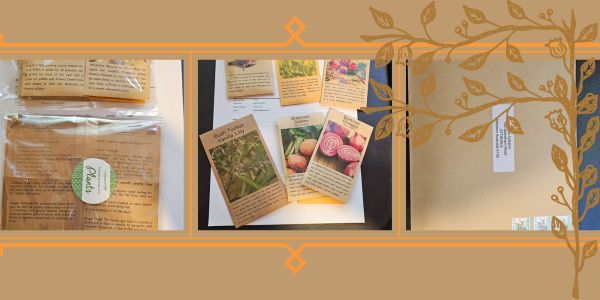
Not only are our seeds packed in recycled paper envelopes, we keep the theme going when we post out website orders. To protect your seeds from moisture and the letter box munchers (snails), we use a very special plastic free material made from plants. They are then put into recycled mailing envelopes. Green all the way 💚🌿
Delivery Guarantee
We take great care to make sure your seeds arrive safely. If your order is lost or damaged in transit, we’ll happily send a replacement. Unfortunately, we can’t replace or refund orders that arrive later than the estimated delivery date, as delays can sometimes occur that are outside our control.
Please note that all dispatch and delivery times listed are estimates only. While we do our best to post promptly, delivery timeframes can vary due to postal service delays, weather events, or other unforeseen circumstances. We’re unable to take responsibility for any loss, damage, or cost that results from a late delivery.
An order is not considered missing until at least 20 business days have passed from the postage date. You’ll receive an email once your seeds have been posted, letting you know they’re on their way. If you don’t see it in your main inbox, please check your Spam or Promotions folders as sometimes our emails like to hide there.

Reviews
There are no reviews yet