






Cape Gooseberry
$4.95
Physalis Peruviana
- Seed count 250
- Eat Fresh Or As Preserves
- Perennial
In stock
Description
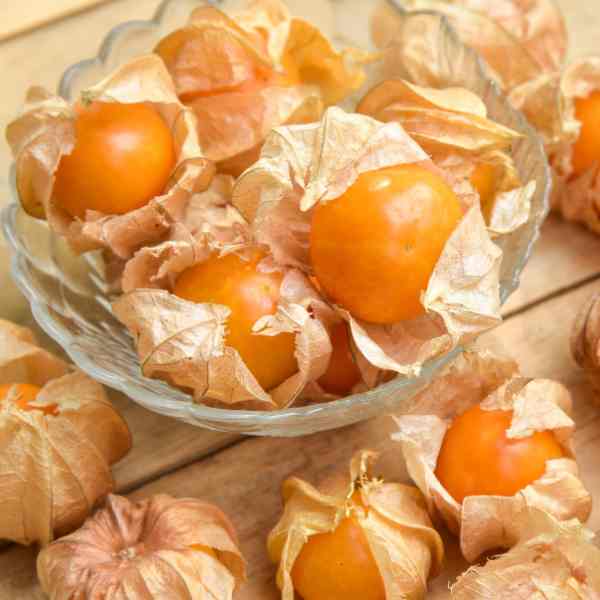
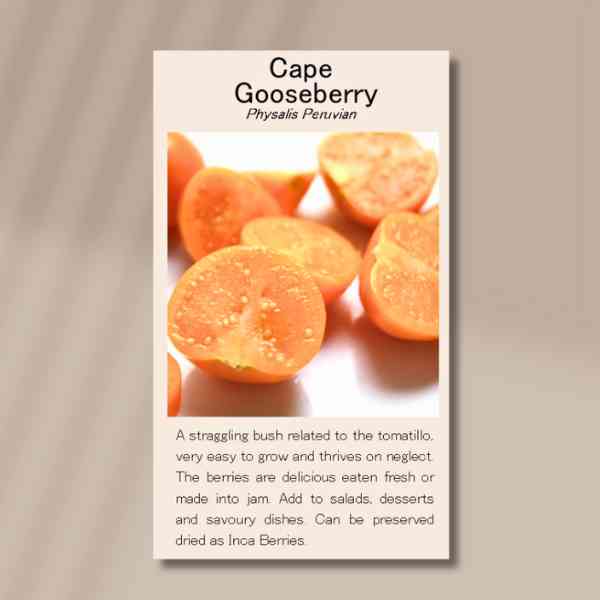
The Cape Gooseberry is a straggly, slightly wild-looking perennial with golden, lantern-like fruits tucked neatly inside their papery husks, glowing like treasure among the green leaves.
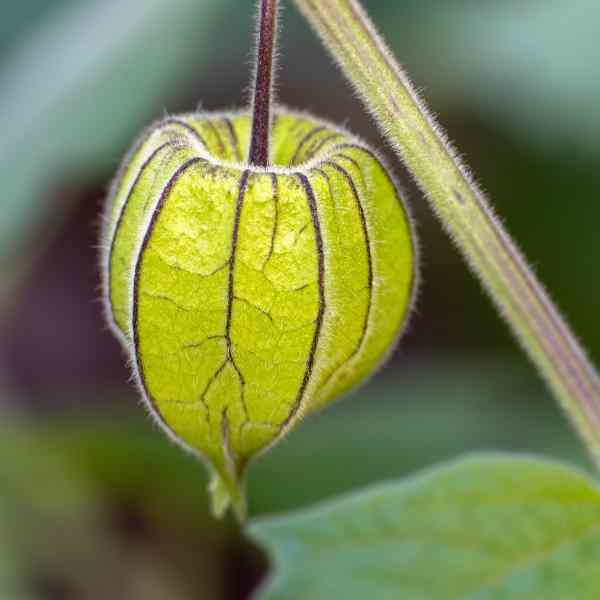
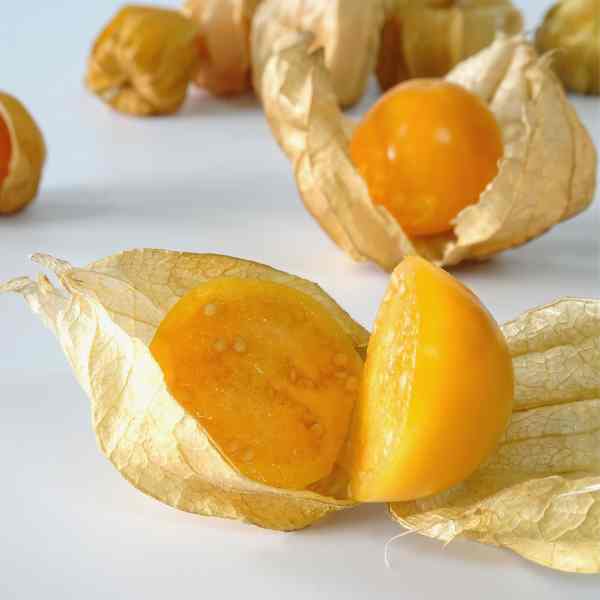
This easy-going perennial is closely related to the tomatillo, as well as the ground cherry and husk tomato, all members of the Physalis genus. Like its relatives, the Cape Gooseberry produces fruit wrapped in a delicate, parchment-like shell that naturally protects it from pests and weather. Inside, you’ll find berries roughly the size of a cherry tomato, bursting with a rich golden-orange colour and a sweet, aromatic flavour that hints at tropical fruit with a touch of tartness.
It thrives on neglect—really, it does. Give it some sunlight, reasonable soil, and space to sprawl, and it will reward you season after season. The Cape Gooseberry is self-pollinating, much like a tomato, so even a single plant will set fruit. Left to its own devices, it will sometimes pop up in unexpected corners of the garden, spread by birds who love the fruits as much as we do. It’s not invasive in most regions of Australia, but it does have a way of making itself at home wherever it’s happy.
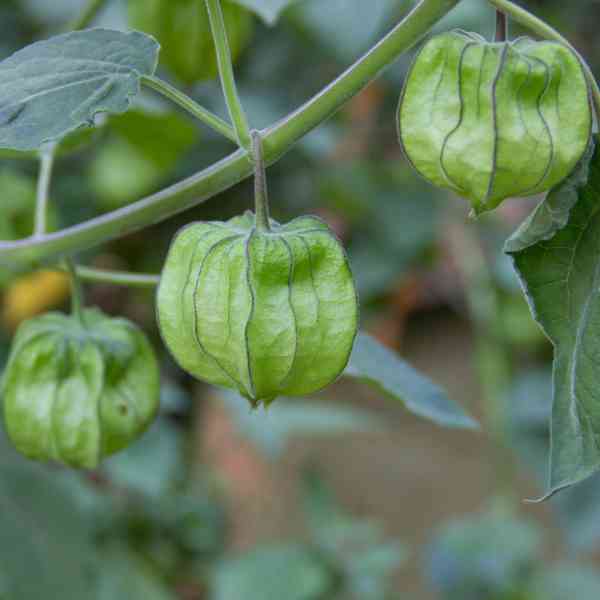
When grown well, the plant forms a sprawling bush up to a metre or so high, with branches that arch and wander. It’s not the most elegant shrub, but that’s part of its charm—it’s rustic and productive, more interested in fruiting than posing for a photo.
The taste of Cape Gooseberry is sweet, tart, and a little tangy, with a flavour somewhere between pineapple, tomato, and mango. That balance of sugar and acidity makes it incredibly versatile in the kitchen. You can eat them fresh, straight from the husk, or scatter them through a fruit salad for a splash of colour and zing. They shine in desserts, especially tarts, crumbles, and pavlovas, where their brightness cuts through rich cream or meringue.
For those who like a bit of kitchen experimentation, Cape Gooseberries are wonderful for making jam or chutney. Their natural pectin means the jam sets beautifully, and the flavour intensifies with cooking. When stewed with apples or rhubarb, the combination is delightful. On the savoury side, the fruit pairs surprisingly well with meat and seafood dishes. Try adding them to a glaze for roast pork, or toss a few through a salsa for grilled fish.
And then there’s the dried version, often sold as ‘Inca Berries.’ Drying concentrates their sweetness, turning them into chewy little nuggets with a tangy bite—something like a cross between a raisin and a cranberry. In this form, they make an excellent addition to muesli, porridge, or trail mix, giving a natural boost of flavour and nutrients. Once you start snacking on them, it’s hard to stop.
| Method: Sow direct | Soil Temp: 10°C - 25°C |
| Cool Mountain: Sep - Nov | Position: Full sun |
| Arid: Aug - Sep | Row Spacing: 150 cm apart |
| Temperate: Aug - Sep | Planting Depth: 3mm |
| Sub Tropical: Jul - Mar | Harvest: 100 days |
| Tropical: Mar - Aug | Plant Height: 1 m |
🌱 Sowing Cape Gooseberry Seeds — Trays vs. Direct Sowing
When it comes to starting Cape Gooseberries, you can choose between sowing in trays or directly into the garden bed. Both methods work well, but each has its own advantages.
Sowing in trays gives you more control over germination. Seeds are small and delicate, and in cooler or inconsistent climates, a warm, sheltered start indoors makes all the difference. Use a fine seed-raising mix and press the seeds lightly into the surface—don’t bury them deeply, as light helps them germinate. Keep the mix moist (but not soggy) and warm, ideally between 20–25°C. Germination can take 2–4 weeks, sometimes a bit longer if the weather is cool. Once seedlings are 5–7 cm tall and have several true leaves, they can be transplanted into the garden or pots.
If you live in a warmer part of Australia, such as Queensland, northern NSW, or WA, you can sow directly after the last frost. Simply scatter the seeds on prepared soil and lightly rake them in. Keep the area moist until seedlings appear. The only caution with direct sowing is that young seedlings can be easily lost to slugs, snails, or heavy rain, so keep an eye out in those early weeks.
💧 Seed Pre-Treatment — Is It Needed?
Cape Gooseberry seeds are quick to wake up and do not require pre-treatment. However, a simple overnight soak in lukewarm water can speed up germination by softening the seed coat slightly. It’s not essential, but it can be handy if you’re sowing in cooler weather or using older seed.
🌞 Soil and Position
Cape Gooseberries thrive in well-drained, moderately fertile soil with a slightly sandy texture. Heavy clay can cause root problems, especially in wet periods, so if your soil tends to hold water, it’s best to build a raised bed or add compost and coarse sand to improve drainage.
Choose a sunny spot—full sun is ideal, but they’ll tolerate light shade. They like warmth but can still grow in cooler regions provided they’re sheltered from frost. In very hot climates, a bit of afternoon shade helps protect the foliage and fruit husks from scorching.
A pH between 5.5 and 7.0 is perfect. Before planting, dig in some compost or aged manure, but avoid excessive nitrogen—it’ll make the plant leafy with fewer fruits.
🌿 Care and Maintenance
Cape Gooseberries are one of those wonderful plants that thrive on a bit of neglect. Once established, they’re hardy, drought-tolerant, and rarely fussy. But like all plants, a little care brings the best results.
- Watering: Keep the soil evenly moist during early growth and fruiting. Once mature, they can tolerate dry spells, though consistent watering encourages steady fruit set.
- Mulching: Add a thick layer of straw or sugarcane mulch to help retain moisture and reduce weeds.
- Feeding: Every month or two, apply a light dose of seaweed or fish emulsion. Too much fertiliser will reduce fruiting.
- Pruning: Trim back straggly stems to encourage branching and better airflow. Pruning after fruiting helps keep the bush compact.
- Support: Though often grown as a sprawling bush, staking or light trellising helps keep fruit clean and off the soil.
🌼 Companion Planting Guide
Cape Gooseberries fit beautifully into a mixed garden. They have a mild repellant effect on some pests and sit well alongside other fruiting plants.
| Good Companions | Why It Works |
|---|---|
| Basil | Deters whitefly and adds aromatic protection. |
| Marigolds | Repel nematodes and attract beneficial insects. |
| Chives | Improve pest resistance and attract pollinators. |
| Lettuce | Provides ground cover that retains soil moisture. |
| Tomatoes & Capsicum | Share similar growing needs; easy to care for together. |
Avoid planting near potatoes or other nightshades if you’ve had pest or disease issues, as they share similar vulnerabilities.
🍒 Harvesting
Cape Gooseberries usually start fruiting about 12–16 weeks after transplanting. You’ll know they’re ready when the papery husks turn from green to beige or light brown and begin to dry. Inside, the fruit turns a rich golden colour.
Allow the husks to dry on the plant if possible—fruits will naturally fall to the ground when fully ripe. You can collect them daily and store them in their husks at room temperature for several weeks.
A fully grown plant can produce hundreds of fruits over the season, continuing until the first frost. In frost-free areas, they may fruit year-round.
🐛 Common Issues and Fixes
| Problem | Cause | Solution |
|---|---|---|
| Yellowing leaves | Overwatering or poor drainage | Reduce watering, improve soil drainage |
| No fruiting | Too much nitrogen or lack of pollination | Reduce feeding, encourage bees with companion flowers |
| Fruit drop | Temperature stress or inconsistent watering | Keep soil evenly moist, mulch well |
| Aphids / Whitefly | Common sap-suckers | Spray with neem oil or hose off regularly |
| Leaf holes | Caterpillars or beetles | Handpick pests or use organic insect spray |
| Powdery mildew | Poor airflow / high humidity | Prune back, space plants well, apply sulphur spray |
🌾 Seed Saving Guide
Saving Cape Gooseberry seeds is as easy as it gets. Once you’ve grown a few plants, you’ll never need to buy seed again.
- Choose your best fruit: Pick fully ripe, golden-yellow berries from strong, healthy plants.
- Extract seeds: Split the fruit and scoop out the seeds into a small bowl.
- Ferment (optional): For cleaner seeds, let them sit in water for 2–3 days to ferment. This helps remove the jelly coating that can inhibit germination. Stir daily.
- Rinse and dry: After fermentation, rinse thoroughly in a fine sieve, then spread the seeds on a paper towel or plate to dry completely for about a week.
- Store: Once dry, store in a labelled paper envelope or glass jar. Keep them in a cool, dry place. Seeds can remain viable for up to 5 years.
🌻 Final Thoughts
There’s something deeply satisfying about growing Cape Gooseberries. They’re generous plants—easy to raise, resilient, and full of sweet, tangy flavour. Whether you’re tucking a few in a sunny corner or giving them a whole bed, they’ll reward you with armfuls of fruit wrapped in their pretty paper lanterns.
If you’re new to growing from seed, Cape Gooseberry is the perfect confidence booster. It forgives the occasional lapse in watering, bounces back from pruning, and thrives in most Aussie gardens. Once you’ve tasted that golden fruit straight from the husk, warm from the sun, you’ll wonder why you didn’t start growing them sooner. 🌞
5 reviews for Cape Gooseberry
| 5 star | 80% | |
| 4 star | 0% | |
| 3 star | 20% | |
| 2 star | 0% | |
| 1 star | 0% |

Postage Charge
Orders under $35 attract a $4.95 shipping charge. Orders $35 and above have free shipping.
Order Times
Seed orders are normally dispatched within three business days. You will receive an email when seeds are mailed out.
Postage Days
Seeds are mailed out Tuesday to Friday at 1pm. Except for the Friday of long weekends.
Postage Times
WA 2-3 Days: SA,NT 3-5 Days: NSW, ACT, QLD, VIC: 5-7 Days
Carrier
We use Australia Post Letter Postage for the majority of orders
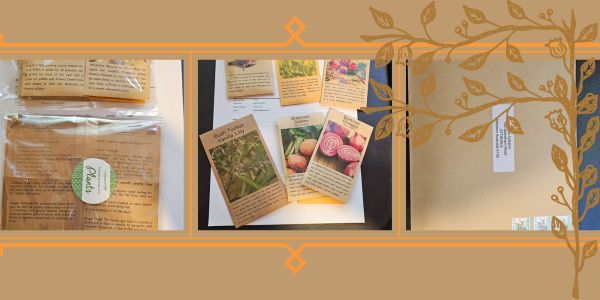
Not only are our seeds packed in recycled paper envelopes, we keep the theme going when we post out website orders. To protect your seeds from moisture and the letter box munchers (snails), we use a very special plastic free material made from plants. They are then put into recycled mailing envelopes. Green all the way 💚🌿
Delivery Guarantee
We take great care to make sure your seeds arrive safely. If your order is lost or damaged in transit, we’ll happily send a replacement. Unfortunately, we can’t replace or refund orders that arrive later than the estimated delivery date, as delays can sometimes occur that are outside our control.
Please note that all dispatch and delivery times listed are estimates only. While we do our best to post promptly, delivery timeframes can vary due to postal service delays, weather events, or other unforeseen circumstances. We’re unable to take responsibility for any loss, damage, or cost that results from a late delivery.
An order is not considered missing until at least 20 business days have passed from the postage date. You’ll receive an email once your seeds have been posted, letting you know they’re on their way. If you don’t see it in your main inbox, please check your Spam or Promotions folders as sometimes our emails like to hide there.

See all our verified customer reviews on our official CusRev profile.
See all our verified customer reviews on our official CusRev profile.
It’s hard to rate when haven’t planted the seeds yet.. looking forward to though.
See all our verified customer reviews on our official CusRev profile.
one of my fav little berries
See all our verified customer reviews on our official CusRev profile.
See all our verified customer reviews on our official CusRev profile.