

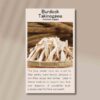

Burdock Takinogawa
$4.95
Arctium Lappa
- Seed Count 25
- Culinary & Medicinal
- Biennial
In stock
Description
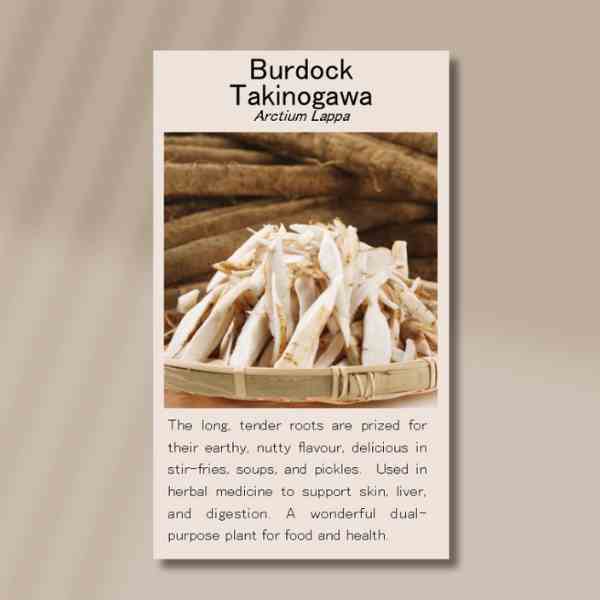
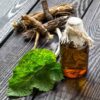
Burdock has been grown and appreciated for centuries across Europe and Asia, but the Japanese strain known as Burdock Takinogawa is a cut above. Developed for consistent root shape, tender texture, and mild flavour, it’s become a favourite in kitchens and herbal gardens alike.
It grows beautifully in our climate, especially if you’ve got some deep, loose soil to work with. But even in raised beds or containers, this root crop can reward the patient grower with rich, nutritious, and surprisingly versatile roots. It’s a plant for those who love growing with purpose whether that’s food, medicine, or both.
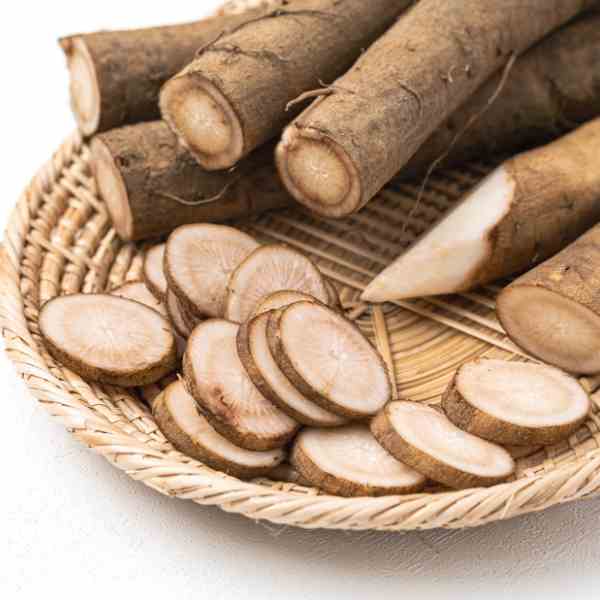
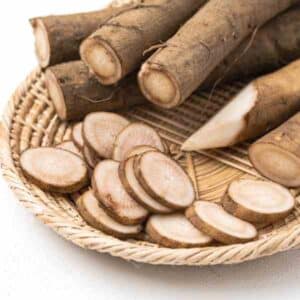
The roots are long and slender, sometimes reaching up to 90cm in loose soil, with a creamy brown skin and crisp, white flesh. When freshly harvested, they carry a mild, earthy aroma that hints at the deep mineral content stored within. Flavour-wise, you get a balance of nutty sweetness with just a whisper of bitterness.
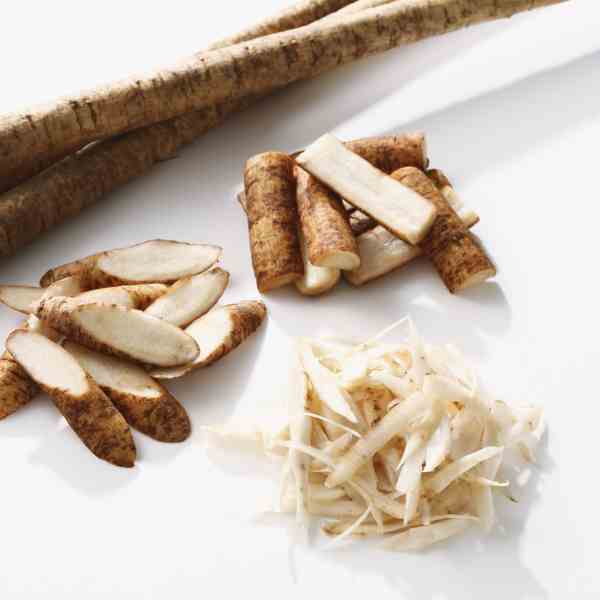
It’s popular pickled, either in sweet vinegar or salty brine. Once pickled, burdock root develops an almost artichoke-like character, that is incredibly moreish. In broths and stews, the root adds a rich undertone that grounds and deepens the overall flavour. It’s lovely paired with mushrooms, miso, daikon, seaweed, or beef. The young leaves can also be used like spinach.
You can even dry and grind the root into powder for a shelf-stable pantry staple that can be stirred into soups, smoothies, or baking. The powdered root is especially handy for those who want to access its nutritional and medicinal qualities outside the harvest season.
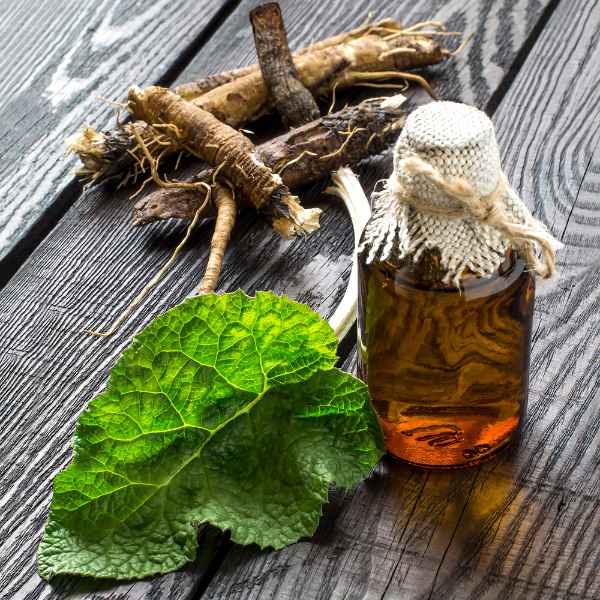
While the culinary world celebrates Burdock Takinogawa for its flavour and texture, herbalists have long admired burdock for its wellness potential. If you’re into herbal skincare or DIY salves, burdock can also be infused into oils or decocted into washes for topical use.
The root is also rich in inulin, a type of prebiotic fibre that feeds the beneficial bacteria in the gut. Inulin not only aids digestion but also supports immune health and may help regulate blood sugar levels.
As a tea herb, dried burdock root has an earthy, roasted flavour not unlike dandelion or chicory root. You can brew it solo or combine it with other classic allies like nettle, cleavers, or licorice root.
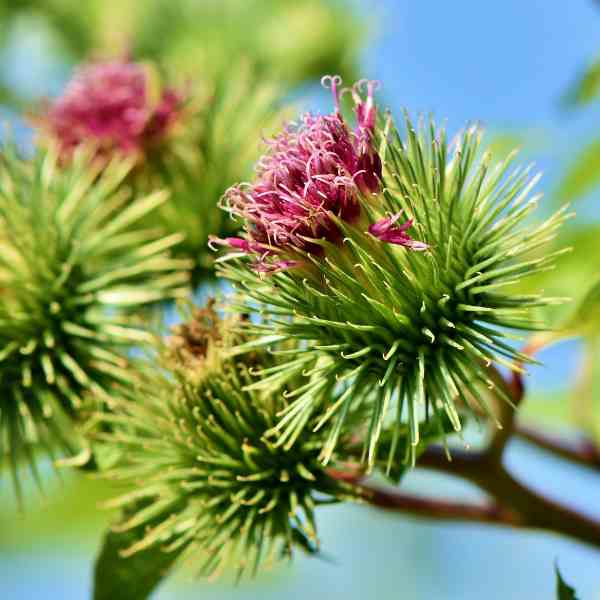
Burdock Takinogawa may be grown mainly for its root, but it has above-ground charm, too. In its second year, the plant sends up tall, striking flower stalks with velvety purple-pink blooms surrounded by prickly green bracts.
| Method: Direct Sow | Soil Temp: 10°C - 20°C |
|---|---|
| Cool Mountain: Sep - Feb | Position: Full sun |
| Temperate: Sep - Apr | Planting Depth: 10mm |
| Sub Tropical: Aug - May | Row Spacing: 10 cm |
| Arid: Aug - May | Harvest: 120 Days |
| Tropical: Apr - Jul | Plant Height: 2 m |
🌱 Sowing: In Trays vs Direct
When it comes to growing burdock, direct sowing is strongly recommended. This is one crop that doesn’t like its roots disturbed. Because we’re aiming for long, straight taproots—up to 90cm in loose soils—any transplanting can lead to forking or stunted growth.
Direct Sowing (Recommended):
- Sow seeds directly into prepared garden beds in early spring (temperate zones) or late winter (warmer climates like subtropical QLD).
- In cooler areas, sow after the danger of frost has passed.
- Space seeds 15–20 cm apart, in rows 45–60 cm apart.
- Sow 1–2 cm deep. Keep moist but not soggy until germination, which takes 7–14 days.
Sowing in Trays (Not Ideal):
- If absolutely necessary (e.g., poor germination conditions), sow in deep biodegradable pots that can be planted out intact. Even so, expect lower-quality roots.
🧼 Seed Pre-Treatment
No special pre-treatment is required for burdock seeds, though a short soak (4–6 hours) in water before planting can speed up germination slightly. Just don’t soak too long—overly wet seeds can rot.
🌞 Soil and Position
Soil:
Burdock needs deep, loose, well-drained soil to grow those signature long roots. Clay or compacted soils can cause misshapen roots or limit length. To prepare:
- Work compost and aged manure into the top 30–40 cm.
- Avoid high-nitrogen fertilisers, which cause too much leafy growth at the expense of roots.
- A neutral to slightly acidic pH (6.0–7.0) is ideal.
Position:
Full sun is best, though it will tolerate light shade. Ensure the garden bed is weed-free, as burdock seedlings don’t compete well early on.
🪴 Care and Maintenance
Once the seedlings are established, burdock is surprisingly low-maintenance.
- Watering: Regular, deep watering is essential—especially through spring and early summer. Keep the soil moist but not soggy to avoid root rot.
- Mulching: Apply straw or lucerne mulch to conserve moisture and suppress weeds.
- Thinning: Thin to one strong seedling per 15–20 cm once they’re a few inches tall.
- Feeding: A monthly application of liquid seaweed or compost tea will encourage steady root development without overfeeding the foliage.
- Weeding: Hand-weed regularly. Burdock doesn’t like competition, especially when young.
🌸 Companion Planting Guide
Burdock grows best with companions that enjoy similar soil and light conditions. Because it’s a deep-rooter, it can help break up compacted soil, making it a good partner in a rotation.
Good Companions:
- Lettuce – quick-growing and shallow-rooted; tucks in well between rows
- Radishes – help mark the burdock rows and mature sooner
- Beans – fix nitrogen and won’t compete for root space
Avoid Planting With:
- Potatoes – competition for underground space
- Fennel – generally unfriendly in the veggie patch
- Carrots/parsnips – also root crops, likely to compete and crowd
🧺 Harvesting
‘Takinogawa’ burdock is usually ready to harvest 90–120 days after sowing, depending on conditions. You can harvest earlier for smaller, more tender roots, or leave them longer (up to 150 days) for larger, more robust flavour.
- Use a garden fork or deep trowel to loosen the soil. Dig carefully—roots are long and brittle.
- Best harvested in cooler weather, as flavour improves after a light frost.
- If left too long in warm weather, roots can become woody.
For herbal use, roots are often harvested at the end of the first year, before flowering stems emerge in the second year.
🐛 Common Issues and Fixes
| Issue | Symptoms | Fix |
|---|---|---|
| Poor germination | Patchy seedlings | Sow fresh seed, keep soil moist and not waterlogged |
| Forked or stubby roots | Misshapen roots | Soil too heavy; direct sow only; avoid transplanting |
| Yellowing leaves | Nutrient deficiency or waterlogging | Check drainage; add compost or trace minerals if needed |
| Aphids | Curling or sticky leaves | Spray with neem oil or hose off; encourage beneficial insects |
| Root rot | Sudden wilting, mushy roots | Improve drainage; avoid overwatering |
| Burdock becoming invasive | Plants self-seed and spread | Harvest before flowering; don’t let seeds drop |
🌼 Seed Saving Guide
Burdock is a biennial, meaning it sets seed in its second year after a cold period (vernalisation). If you’re growing for seed:
- Leave selected healthy plants unharvested.
- In the second year, they’ll send up tall flowering stalks (up to 1.5–2m).
- Flowers are purple-pink and thistle-like, eventually forming burred seed heads.
- Wait until the seed heads are dry and brown on the plant. Wear gloves! The burrs are clingy.
- Collect seed heads into a paper bag.
- Dry fully indoors. Then rub the heads gently to release seeds.
- Store in an airtight container in a cool, dry place. Label with variety and year.
Burdock can cross with other Arctium species, so if you’re saving seed, make sure only ‘Takinogawa’ is flowering in the area.
🌻 Final Thoughts
Burdock ‘Takinogawa’ is a beautiful crop for gardeners who enjoy something a little different. Its earthy, sweet roots are a favourite in Japanese and Korean cuisine, and its deep-reaching nature makes it a natural soil breaker in the patch.
Growing it from seed does require some planning—especially around bed preparation and timing—but it’s a deeply satisfying crop that rewards you with both food and medicine. If you’ve never tried it before, give it a go this season. There’s nothing quite like pulling a long, knobbly root from your own soil, knowing you grew it from scratch.
Happy growing! 🌿
2 reviews for Burdock Takinogawa
| 5 star | 100% | |
| 4 star | 0% | |
| 3 star | 0% | |
| 2 star | 0% | |
| 1 star | 0% |

Postage Charge
Orders under $35 attract a $4.95 shipping charge. Orders $35 and above have free shipping.
Order Times
Seed orders are normally dispatched within three business days. You will receive an email when seeds are mailed out.
Postage Days
Seeds are mailed out Tuesday to Friday at 1pm. Except for the Friday of long weekends.
Postage Times
WA 2-3 Days: SA,NT 3-5 Days: NSW, ACT, QLD, VIC: 5-7 Days
Carrier
We use Australia Post Letter Postage for the majority of orders
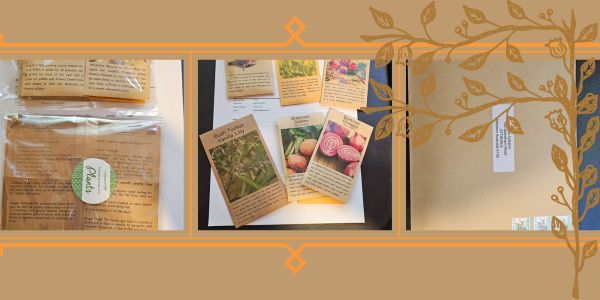
Not only are our seeds packed in recycled paper envelopes, we keep the theme going when we post out website orders. To protect your seeds from moisture and the letter box munchers (snails), we use a very special plastic free material made from plants. They are then put into recycled mailing envelopes. Green all the way 💚🌿
Delivery Guarantee
We take great care to make sure your seeds arrive safely. If your order is lost or damaged in transit, we’ll happily send a replacement. Unfortunately, we can’t replace or refund orders that arrive later than the estimated delivery date, as delays can sometimes occur that are outside our control.
Please note that all dispatch and delivery times listed are estimates only. While we do our best to post promptly, delivery timeframes can vary due to postal service delays, weather events, or other unforeseen circumstances. We’re unable to take responsibility for any loss, damage, or cost that results from a late delivery.
An order is not considered missing until at least 20 business days have passed from the postage date. You’ll receive an email once your seeds have been posted, letting you know they’re on their way. If you don’t see it in your main inbox, please check your Spam or Promotions folders as sometimes our emails like to hide there.
See all our verified customer reviews on our official CusRev profile.
See all our verified customer reviews on our official CusRev profile.