






Blood Root
$6.59
Haemodorum Spicatum
- 30 seeds
- Bush Tucker and Natural Dye
- Perennial
In stock
Description
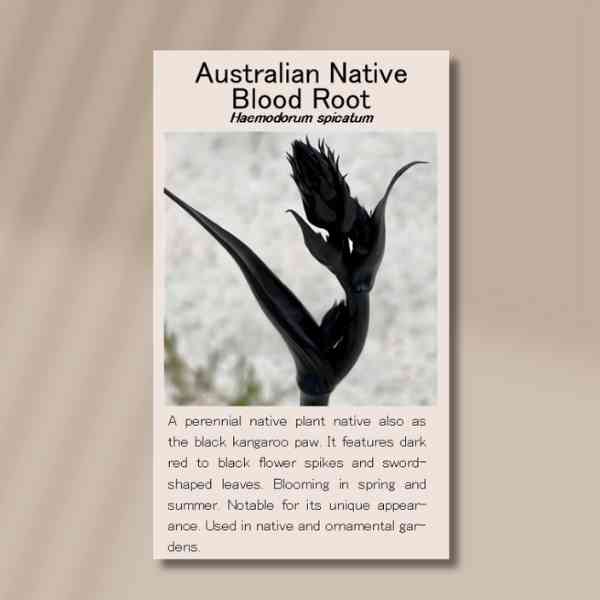
There are some plants that stop you in your tracks the first time you see them, and Blood Root, is one of them. Also known as black kangaroo paw, this striking Australian native carries a depth of colour and history that feels ancient and grounded in our landscape.
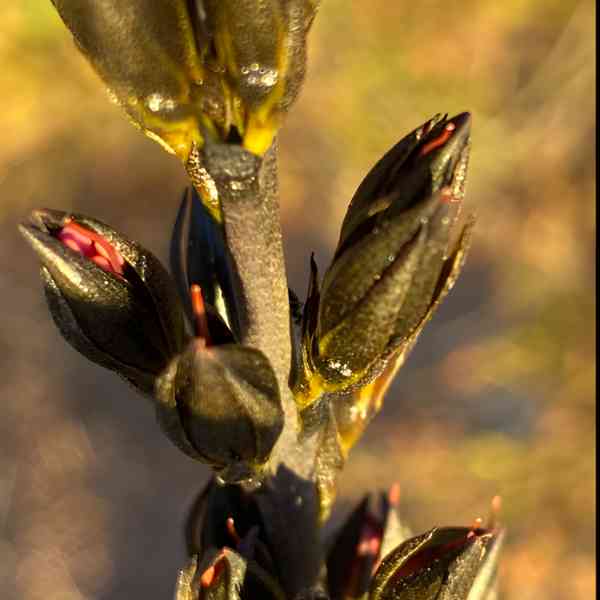
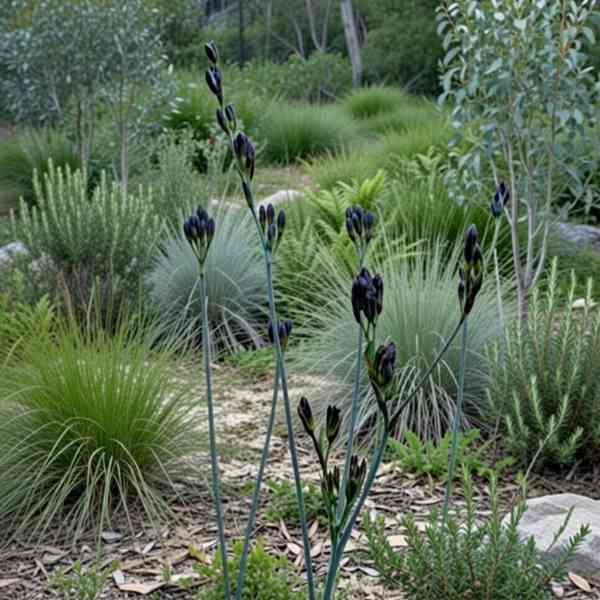
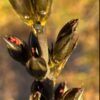
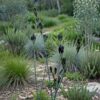
At first glance, it is the flower spikes that draw the eye. Rising above the foliage in spring and summer, they appear in shades of deep red through to near black. The colour is rich and dramatic, yet it sits beautifully within the muted tones of the Australian bush.
The foliage is equally appealing with sword shaped leaves forming a clump at the base, arching gently and creating a strong architectural shape. The leaves are typically green to grey green, offering a clean contrast to the dark flower stems. Even when not in flower, the plant maintains a tidy, sculptural form that suits native plantings and ornamental gardens alike.
In the wild, Haemodorum spicatum is found across parts of southern Australia, particularly in Western Australia. It thrives in full sun and well drained soils, often in sandy or rocky environments where many other plants struggle.
As a perennial, bloodroot returns year after year flowering through spring and summer just as many other natives are also coming into their own. The deep, almost smoky red of the flower spikes pairs beautifully with silver foliage, grasses and other Australian wildflowers.
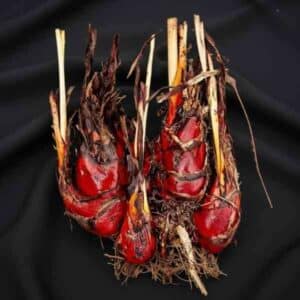
The common name bloodroot comes from the colour found within the plant’s underground parts. The roots and tubers contain strong pigments that have long been recognised and used. For Indigenous Australians, Haemodorum spicatum was more than just a visual feature of the landscape. It held practical value as both a food source and a source of natural dye.
The nickname black kangaroo paw reflects its resemblance at a distance to the more widely known kangaroo paws, though it belongs to a different genus. The dark flower spikes rising above strap like foliage can create a similar silhouette. However, Haemodorum spicatum has its own distinct character. The flowers are smaller and arranged along the spike, creating a fine textured effect rather than the fuzzy paw shape many gardeners are familiar with.
One of the reasons this plant is so valued in native and ornamental gardens is its ability to create contrast. In a palette dominated by greens, greys and soft pastels, those dark spikes provide depth. They anchor lighter plantings and draw the eye across a bed. Used thoughtfully, they can create rhythm through repetition, especially when planted in small groups.
| Method: Sow direct | Soil Temp: 15°C - 00°C |
| Cool Mountain: Mar - May | Position: Full sun |
| Arid: Apr - Jun | Row Spacing: 30cm apart |
| Temperate: Mar - May | Planting Depth: 5mm |
| Sub Tropical: Apr - May | Harvest: 700 days |
| Tropical: May - Jun | Plant Height: 90cm |
Let’s walk through it step by step.
🌱 Growing From Seed in Australia
Growing Blood Root from seed takes patience, but it is deeply rewarding. Germination is not instant and growth is steady rather than fast, so think of it as a long term garden investment.
The key to growing it well is understanding its rhythm. This is a winter growing, summer dormant plant. Once that clicks, everything else becomes much easier.
Fresh seed always gives the best results.
🌾 Seed Pre Treatment
The good news is that no complicated pre treatment is required.
However, a few simple steps improve germination:
- Use fresh seed where possible
- Soak seeds in room temperature water for 12 to 24 hours before sowing
- Sow in autumn to align with its natural cycle
In the wild, seed falls at the end of spring and waits through summer before germinating when cooler, wetter conditions arrive. Sowing in autumn mimics that seasonal trigger.
🪴 Sowing in Trays Versus Direct Sowing
You can grow Haemodorum spicatum either way, but each method has its place.
Sowing in Trays
This is the more controlled and reliable method.
Use a deep seed tray or tube stock trays because this plant forms a corm and benefits from depth. Fill with a very free draining native seed raising mix, ideally sandy with low phosphorus.
Sow seeds about 5 mm deep and lightly cover. Water gently and place in a bright position with cool seasonal temperatures. Germination can take several weeks and sometimes longer, so do not give up too early.
The advantage of trays is protection from heavy rain, pests and accidental disturbance. Once seedlings have formed small corms and are sturdy, they can be transplanted carefully into their final position.
Direct Sowing
Direct sowing works well in suitable climates, especially in temperate or Mediterranean style regions with winter rainfall.
Prepare a well drained sandy area, remove weeds and lightly rake the surface. Sow seed shallowly and water in gently.
The benefit here is no transplant shock. The downside is slower visible progress and higher risk of loss from insects or soil disturbance.
If you are new to growing native perennials from seed, I would suggest starting in trays. It gives you more control and confidence.
🌞 Soil and Position
This plant is very clear about what it likes.
Soil:
- Sandy or sandy loam
- Excellent drainage
- Low fertility
- Low phosphorus
Heavy clay or rich composted beds are not suitable. In fact, too much fertility can harm native plants adapted to lean soils.
If your soil is heavy, create a raised mound or improve drainage with coarse sand and gravel. Think natural bushland rather than vegetable patch.
Position:
- Full sun is best
- Light afternoon shade is tolerated in hotter regions
More sun generally equals stronger flowering.
💧 Care and Maintenance
Once established, Haemodorum spicatum is surprisingly resilient.
During its active growing season in autumn, winter and spring:
- Water moderately if rainfall is low
- Avoid overwatering
- Do not fertilise with high phosphorus products
In summer, the plant naturally dies back and becomes dormant. This is completely normal.
During dormancy:
- Reduce watering significantly
- Keep soil on the dry side
- Do not disturb the corm
Many beginners think the plant has died when foliage disappears. It has not. It is simply resting.
🌸 Companion Planting Guide
Haemodorum spicatum pairs beautifully with other low nutrient loving Australian natives that share a winter growth pattern.
Good companions include:
- Anigozanthos such as Anigozanthos
- Patersonia species
- Lomandra varieties
- Grevillea groundcovers such as Grevillea
These plants appreciate similar soil conditions and drainage.
Avoid planting near heavy feeders like vegetables or in areas where high phosphorus fertilisers are regularly used. Native roots are sensitive to excess nutrients.
In natural style gardens, grouping several Haemodorum together creates a stronger visual impact than planting one on its own.
✂️ Harvesting and Uses
Haemodorum spicatum is primarily an ornamental plant, valued for its dramatic flower spikes.
You can harvest flower stems for arrangements when:
- Buds are just beginning to open
- Stems are firm and well coloured
Use sharp secateurs and cut low on the stem. Always leave plenty of foliage to support the corm’s energy storage.
The flowers add a bold native touch to both fresh and dried arrangements.
🐛 Common Issues and Fixes
Here is a simple troubleshooting guide.
| Issue | Likely Cause | Solution |
|---|---|---|
| Seeds not germinating | Sown at wrong time of year | Sow in autumn when temperatures cool |
| Seedlings collapsing | Overwatering or poor drainage | Improve drainage and reduce watering |
| Yellowing leaves | Excess nutrients | Avoid fertiliser, especially high phosphorus |
| Corm rot | Wet soil during summer dormancy | Keep soil dry in summer |
| Poor flowering | Too much shade | Move to a sunnier position |
Most problems come back to one thing. Drainage and seasonality. Get those right and this plant is relatively trouble free.
🌾 Detailed Seed Saving Guide
Saving seed from Haemodorum spicatum is straightforward if you are patient.
After flowering in late winter to spring, the plant will form seed capsules. Allow these to mature fully on the plant.
Steps for seed saving:
- Wait until capsules dry and begin to split naturally
- Collect them before heavy wind or rain disperses the seed
- Open capsules gently and remove seeds
- Allow seeds to air dry in a shaded, well ventilated area for a week
- Store in a paper envelope in a cool, dry place
Label clearly with the plant name and collection date.
Seed remains viable for several years if stored correctly, but fresher seed usually germinates more reliably.
If you grow more than one Haemodorum species nearby, natural cross pollination may occur, so saved seed may not be identical to the parent plant.
🌼 Final Thoughts
Growing Haemodorum spicatum from seed is not about quick results. It is about working with the seasons and trusting the plant’s natural rhythm.
Once established, it rewards you with one of the most dramatic native flower spikes you can grow in a low nutrient garden. It suits native borders, coastal gardens and naturalistic plantings beautifully.
If you are willing to slow down and let it settle in, this plant will quietly become one of the most striking features in your winter and spring garden. Sometimes the boldest flowers come from the toughest conditions, and that is certainly true here.

Postage Charge
Orders under $35 attract a $4.95 shipping charge. Orders $35 and above have free shipping.
Order Times
Seed orders are normally dispatched within three business days. You will receive an email when seeds are mailed out.
Postage Days
Seeds are mailed out Tuesday to Friday at 1pm. Except for the Friday of long weekends.
Postage Times
WA 2-3 Days: SA,NT 3-5 Days: NSW, ACT, QLD, VIC: 5-7 Days
Carrier
We use Australia Post Letter Postage for the majority of orders
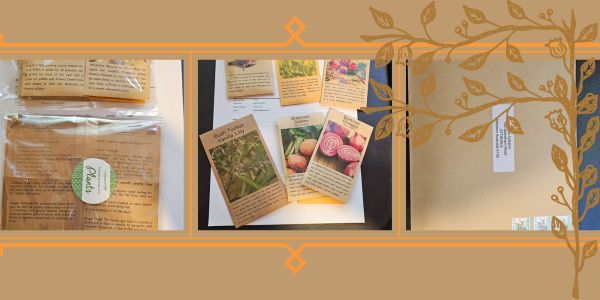
Not only are our seeds packed in recycled paper envelopes, we keep the theme going when we post out website orders. To protect your seeds from moisture and the letter box munchers (snails), we use a very special plastic free material made from plants. They are then put into recycled mailing envelopes. Green all the way 💚🌿
Delivery Guarantee
We take great care to make sure your seeds arrive safely. If your order is lost or damaged in transit, we’ll happily send a replacement. Unfortunately, we can’t replace or refund orders that arrive later than the estimated delivery date, as delays can sometimes occur that are outside our control.
Please note that all dispatch and delivery times listed are estimates only. While we do our best to post promptly, delivery timeframes can vary due to postal service delays, weather events, or other unforeseen circumstances. We’re unable to take responsibility for any loss, damage, or cost that results from a late delivery.
An order is not considered missing until at least 20 business days have passed from the postage date. You’ll receive an email once your seeds have been posted, letting you know they’re on their way. If you don’t see it in your main inbox, please check your Spam or Promotions folders as sometimes our emails like to hide there.
Reviews
There are no reviews yet