




Beetroot Detroit
$4.95
Beta Vulgaris
- Seed Count 100
- Tasty And Sweet
- Annual
In stock
Description
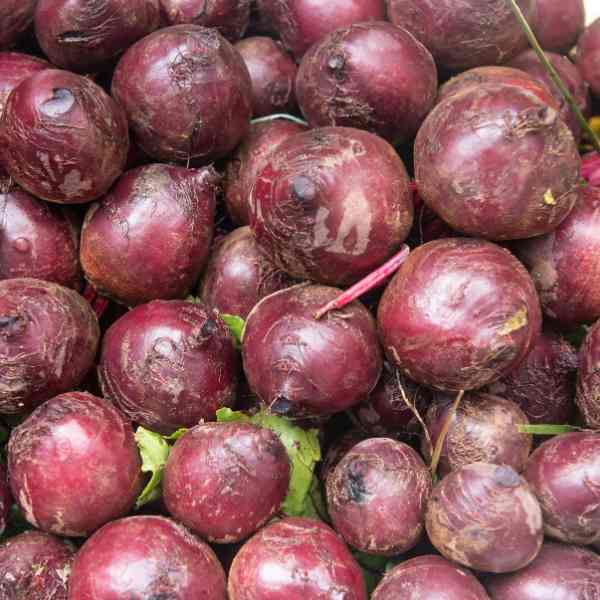
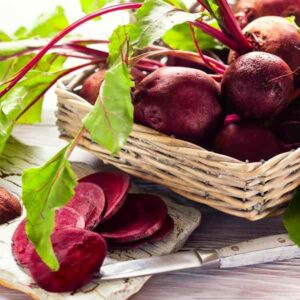
Beetroot Detroit has earned its place as one of the most popular and versatile beetroot varieties grown across the world, and with good reason. This is the classic round-shaped beet that so many gardeners, both commercial and home-based, have relied on for generations. If you want a beet that covers all the bases of flavour, yield, appearance, and usefulness then you would be hard pressed to go past the Detroit. It is often described as a true “all-purpose” beetroot and has a place in every patch, whether it’s a large market garden or a few containers on a sunny balcony.
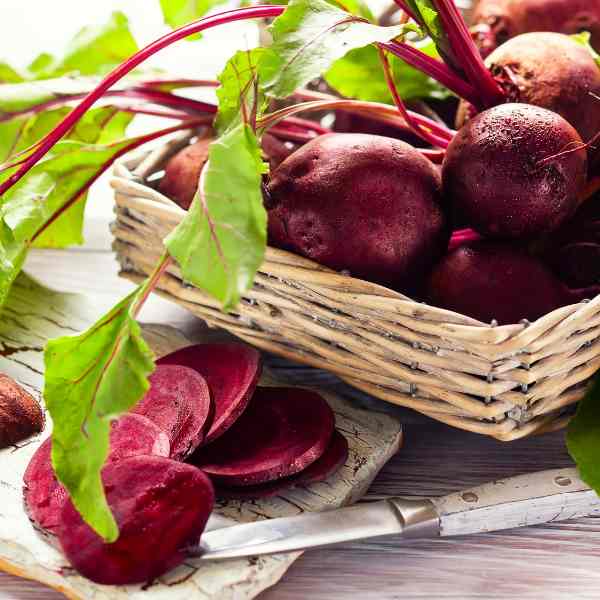
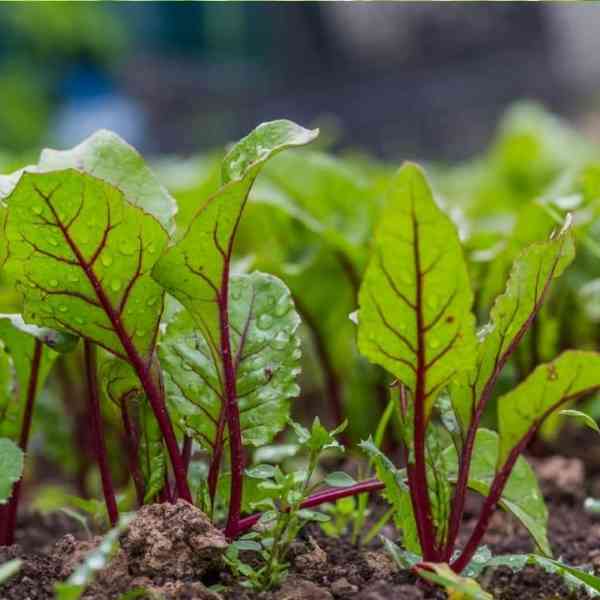
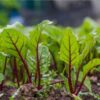
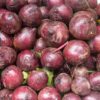
You can pull them up as young baby beets for tenderness and mild flavour, or let them grow on to full size and enjoy that deep, sweet taste they are known for. The flesh inside is a strong, dark red that stays consistent when cooked or pickled. The tops grow lush and green, with those attractive red veins running through them, and they make an excellent substitute for spinach or silverbeet.
It works well as both an early and a main crop, giving flexibility in how you plan your garden. You can sow a row early in the season and enjoy those tender baby beets, then put in another sowing for larger roots to store or pickle later on. On top of that, Beetroot Detroit has the bonus of being resistant to downy mildew, which makes it a sturdier option when compared with some more delicate varieties. That resilience gives you a little extra peace of mind, especially in unpredictable weather or when conditions are less than perfect.
Another quality that endears the Detroit beet to gardeners is how unfussy it is about soil. While it certainly thrives in good, well-drained ground with plenty of sun, it is remarkably tolerant of a wide range of soils. This makes it an excellent choice if you’re working with less-than-ideal conditions, or if you’re growing in containers. Many urban gardeners find this variety especially useful for pots and tubs on a patio, where space is limited but the desire for homegrown produce is strong.
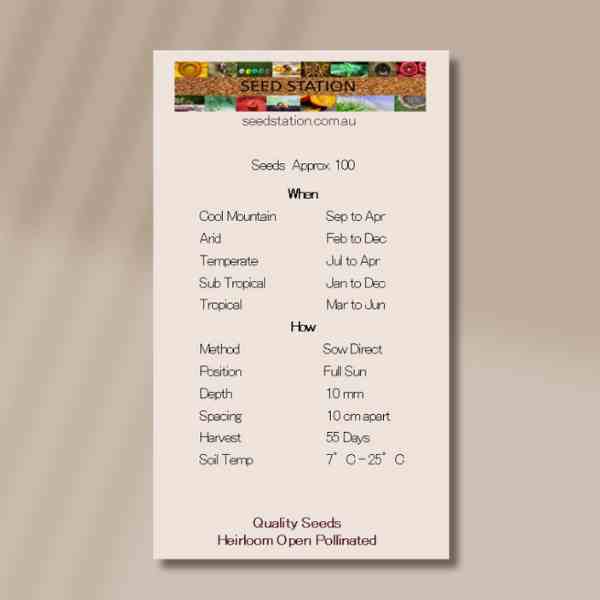
| Method: Sow direct | Soil Temp: 7°C - 25°C |
| Cool Mountain: Sep - Apr | Position: Full sun |
| Arid: Feb - Dec | Harvest: 55 Days |
| Temperate: Jul - Apr | Row Spacing: 10cm |
| Sub Tropical: Jan - Dec | Planting Depth: 10 mm |
| Tropical: Mar - Jun | Plant Height: 13cm |
🌱 Beetroot Grow Guide
From seed to table—and back to seed again.
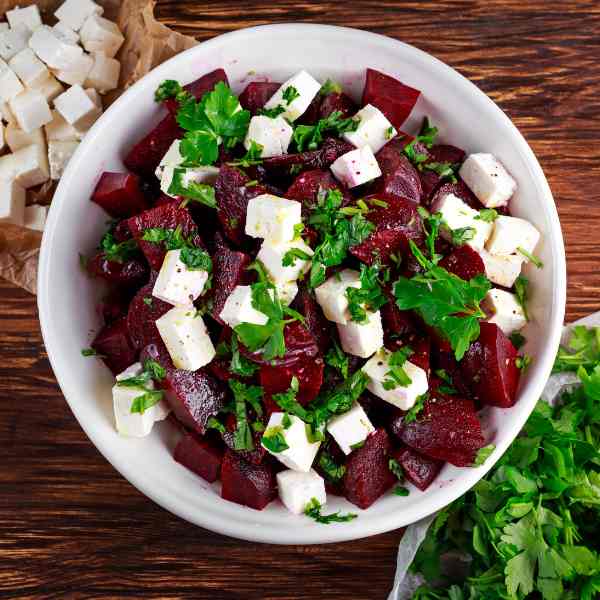
Beetroot (Beta vulgaris) is one of those satisfying crops that doesn’t ask for much but gives plenty. Whether you love it roasted, pickled, grated raw into salads, or even juiced, it’s a versatile veggie that deserves a spot in every home garden.
This guide walks you through how to sow beetroot from seed, the differences between tray-sown and direct-sown methods, smart companion planting ideas, and how to save seeds so you can keep growing your favourites year after year.
🗓️ When to Sow in Australia
Beetroot prefers cooler temperatures for germination and root development, but it doesn’t mind a bit of heat once it’s established. You can grow it in most parts of Australia nearly year-round.
- Temperate & Mediterranean zones (e.g. Sydney, Perth, Adelaide): July to April
- Cool zones (e.g. Tasmania, Canberra, Blue Mountains): September to April
- Arid Zones (e.g. Alice Springs, Mildura): February to December
- Subtropical Zones (e.g. Brisbane, Geraldton): Jan to December
- Tropical zones (e.g. Cairns, Darwin): April to August (during the dry/cool season)
🏡 Growing From Seed: Trays vs Direct Sowing
🪴 Sowing in Trays
Pros:
- Better control over moisture and temperature during germination
- Less risk of seed loss from slugs or heavy rain
- Easier to keep track of varieties
How-To:
- Use punnets or seedling trays with good drainage.
- Fill with seed-raising mix.
- Sow each seed cluster (they’re actually a dried fruit containing 2–5 seeds!) about 1–2 cm deep.
- Keep moist but not soggy.
- Germination usually takes 5–10 days.
- Harden off seedlings before transplanting when they have 2–4 true leaves (about 3–4 weeks old).
Tips:
- Thin to the strongest seedling before transplanting.
- Beets don’t love root disturbance, so be gentle.
🌱 Direct Sowing
Pros:
- Less transplant shock
- Faster growing once established
- Less time spent potting up or pricking out
How-To:
- Sow direct into well-prepared, friable soil rich in organic matter.
- Space seeds (clusters) 10 cm apart in rows 25–30 cm apart.
- Sow about 1–2 cm deep.
- Water gently but thoroughly.
- Once seedlings emerge, thin to 1 strong seedling per cluster.
Tips:
- Soak seeds in water overnight to soften the seed coat and improve germination.
- Keep soil moist until well established.
🌟 Which to choose?
If you’re sowing early in the season when soils are cool, trays give you a head start. But once the weather warms up, direct sowing is easier and often more successful.
🌿 Soil Preparation & Care
Beets like loose, well-drained soil with plenty of organic matter, but not too rich in nitrogen (or you’ll grow big leaves and small roots).
- pH: 6.0–7.5
- Don’t add fresh manure just before sowing, compost is better.
- Remove stones and clumps as the roots need room to grow smoothly.
🌧️ Watering:
Consistent moisture is key as dry spells can cause woody roots, while overwatering can cause splitting.
🧪 Fertilising:
A light application of seaweed tonic or balanced organic fertiliser every few weeks helps support steady growth.
🌼 Companion Planting for Beetroot
Beetroot plays well with many garden friends, and a few foes to avoid too.
✅ Good Companions:
- Onions, garlic & leeks: Help deter pests
- Lettuce & leafy greens: Shallow roots don’t compete much
- Cabbage family (broccoli, kale): Grow well alongside beets
- Herbs like dill & mint: Attract beneficial insects
🚫 Avoid Planting With:
- Runner beans or climbing beans: They can stunt beetroot growth
- Field mustard or brassicas: May host similar pests
🌼 Bonus tip: Beet leaves are edible too—use young leaves in salads and larger ones steamed or sautéed. Don’t waste a thing!
✂️ Thinning & Harvesting
Beetroot seeds often produce multiple seedlings per cluster. Once they’re a few centimetres tall, thin them to the strongest one every 10 cm. Don’t toss the thinnings—they’re tasty in salads!
⏳ Time to Harvest:
- Baby beets: 6 – 8 weeks
- Full size: 10 – 12 weeks
Harvest when roots are about the size of a golf ball to a tennis ball as older roots can get tough.
🧺 Saving Beetroot Seed
Saving beetroot seed is a bit more involved than with quick crops like lettuce or tomatoes, but it’s deeply rewarding.
❗Important:
Beetroot is biennial, meaning it produces seed in its second year. In frost-free areas, you can leave them in the ground. In cooler regions, lift and store them over winter.
🔁 How-To Save Seed:
1. Choose your best plants.
Look for healthy, true-to-type beets with good colour, shape, and no signs of disease. You’ll need at least 6 – 20 plants to ensure good genetic diversity.
2. Overwinter your plants.
- In warmer areas: Leave them in the ground.
- In cold zones: Dig up roots, cut back leaves to 5 cm, and store in sand or sawdust in a cool, dry spot. Replant in early spring.
3. Let them bolt.
In spring, beets will send up tall, branching flower stalks with small green flowers.
4. Pollination & Isolation
Beetroot is wind-pollinated and will cross with:
- Other beetroot varieties
- Silverbeet
- Sugar beet
- Swiss chard
To save pure beetroot seed, isolate different varieties by at least 1 – 2 km, or bag seed heads and hand-pollinate if growing more than one Beta vulgaris type.
5. Harvesting Seed
- Wait for the flower stalks to dry and turn brown.
- Shake or rub dry seed heads to release seeds (they’ll look like small knobbly clusters).
- Clean off chaff and store in a cool, dry, dark place.
- Label well! Seeds can remain viable for 4–5 years if stored correctly.
💡 Extra Tips & Troubleshooting
Common Pests & Problems:
- Leaf miners: Pick off affected leaves, encourage beneficial insects
- Aphids: Hose off or spray with neem oil
- Boron deficiency (causes black spots in roots): Treat with seaweed-based liquid fertiliser

Postage Charge
Orders under $35 attract a $4.95 shipping charge. Orders $35 and above have free shipping.
Order Times
Seed orders are normally dispatched within three business days. You will receive an email when seeds are mailed out.
Postage Days
Seeds are mailed out Tuesday to Friday at 1pm. Except for the Friday of long weekends.
Postage Times
WA 2-3 Days: SA,NT 3-5 Days: NSW, ACT, QLD, VIC: 5-7 Days
Carrier
We use Australia Post Letter Postage for the majority of orders
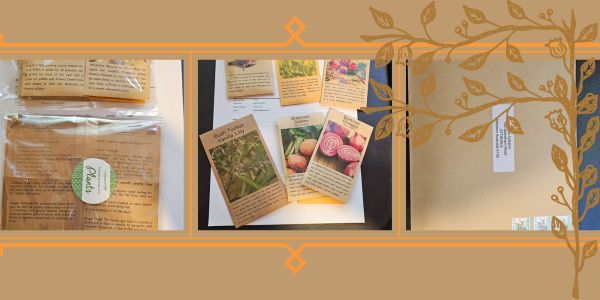
Not only are our seeds packed in recycled paper envelopes, we keep the theme going when we post out website orders. To protect your seeds from moisture and the letter box munchers (snails), we use a very special plastic free material made from plants. They are then put into recycled mailing envelopes. Green all the way 💚🌿
Delivery Guarantee
We take great care to make sure your seeds arrive safely. If your order is lost or damaged in transit, we’ll happily send a replacement. Unfortunately, we can’t replace or refund orders that arrive later than the estimated delivery date, as delays can sometimes occur that are outside our control.
Please note that all dispatch and delivery times listed are estimates only. While we do our best to post promptly, delivery timeframes can vary due to postal service delays, weather events, or other unforeseen circumstances. We’re unable to take responsibility for any loss, damage, or cost that results from a late delivery.
An order is not considered missing until at least 20 business days have passed from the postage date. You’ll receive an email once your seeds have been posted, letting you know they’re on their way. If you don’t see it in your main inbox, please check your Spam or Promotions folders as sometimes our emails like to hide there.
Reviews
There are no reviews yet