Indeterminate V’s Determinate Tomatoes
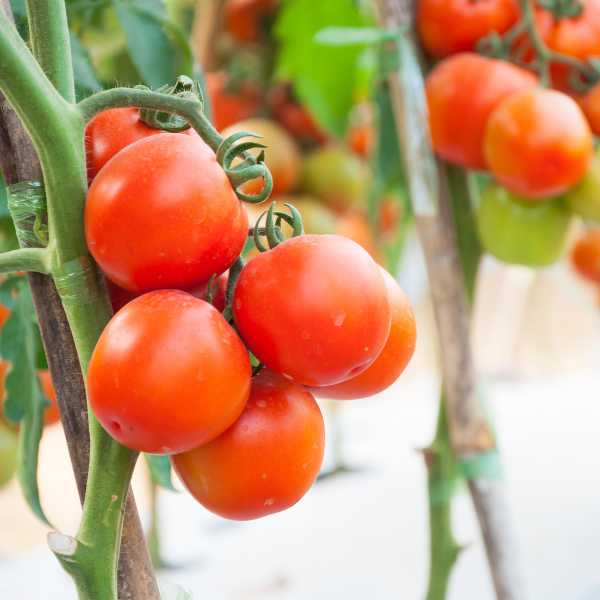
There are two main growth types of tomato plants to grow: determinate and indeterminate 🍅. The type you choose will shape how you grow them, how much care they need, and how you harvest. Having this knowledge can be the difference between producing a good crop and a truly great one.
The Two Growth Types 🌿
Determinate tomatoes are also called bush types. They are smaller, compact plants that usually grow to about 1 metre tall. They produce all their fruit in one big burst, which makes them ideal for preserving or bottling.
Indeterminate tomatoes are the vining, climbing types. They keep growing taller and taller, often 2 to 3 metres high, and they keep producing fruit steadily over the season until frost or disease stops them.
Both are useful in the garden, but the best choice depends on your space, climate and what you want from your tomatoes.
How to Tell Which Type You Have 🍅
🌱 From seed: check the seed packet.
🪴 From a garden centre: read the plant tags.
🌼 Already growing a plant: look at the tips of the vines.
- If flowers or flower buds are on the ends of the vines, the plant is determinate.
- If the ends of the vines keep producing leaves and the flowers are along the sides of the stems, it is indeterminate.
Care for Determinate Types 🌞
Determinate cultivars are sometimes called bush tomatoes, and their shape is down to genetics. They carry a self-pruning gene that stops the shoots from growing once flowers appear.
When the growing tips form flowers, foliage growth stops, and the plant puts its energy into setting fruit. Because of this, the plants stay short and compact, usually about a metre tall.
🌱 Support: They benefit from cages or small stakes to hold the heavy crop.
🌱 Harvest: All fruit ripens within a few weeks.
🌱 Replanting: Once they finish fruiting, the plant’s life cycle is over.
A good strategy is to stagger your sowings about a month apart. That way, you don’t get all your tomatoes at once, and you can enjoy a steady supply for longer. Still, be prepared for a glut when they ripen, which is perfect for sauces, chutneys, and drying.
Care for Indeterminate Types 🌿
Indeterminate tomatoes are also known as vine, pole, or climbing tomatoes. They keep growing and producing until something stops them, usually frost. In warmer or protected spots, they can even keep growing through more than one season.
Unlike determinates, their tips don’t stop. They keep sending out new leaves while producing flower clusters along the sides of their stems. This growth habit gives you a long, steady harvest instead of a single flush.
🌱 Growth: Often 2 to 3 metres high.
🌱 Support: Needs strong trellises, tall stakes, or strings to climb.
🌱 Pruning: Suckers should be removed to help airflow and direct energy into fruit.
🌱 Harvest: Smaller amounts at a time but stretched over many months.
Indeterminate types aren’t the best choice for containers because they get too top-heavy and require more water and nutrients. They shine in vertical gardening, where they can be trained upward and pruned to one or two main stems. Good pruning reduces disease, especially in humid climates, and improves the quality of the fruit.
For gardeners with long summers, indeterminates can be incredibly rewarding, giving you fresh tomatoes every week right up to the end of the season.
Pros and Cons at a Glance 🍅
Determinate Tomatoes
✅ Best for containers and small spaces
✅ Harvests all at once, perfect for preserving
✅ Compact and tidy, easier to manage
✅ Less risk of late-season disease
❌ Limited harvest window
❌ Can be overwhelming if too many ripen at once
❌ Lower yield per plant overall
Indeterminate Tomatoes
✅ Longer harvest season
✅ Bigger total yield per plant
✅ Can manage fruit size with pruning
✅ Great for fresh eating all season
❌ Needs regular pruning and training
❌ More care to manage pests and disease
❌ Difficult to grow in containers
❌ Requires steady feeding and watering
Final Thoughts 🌞
When choosing tomatoes, there is no single best type. Determinate tomatoes are fantastic if you want a short, tidy plant with one big crop for bottling or preserving. Indeterminate tomatoes are unbeatable if you prefer a steady stream of fresh fruit across the whole season. Many gardeners grow both, combining the strengths of each.
Think about your space, your climate, and how you like to use your tomatoes in the kitchen. Once you match the type to your garden, you’ll be set up for a tomato harvest that is not just good, but truly abundant.