How To Grow Sweet Peas
🌸 Growing Sweet Peas in Australia: A Gardener’s Guide to Winter Colour and Fragrance 🌿
There is something about sweet peas that feels timeless. The scent alone can stop you in your tracks. One breath and you are standing in a cottage garden somewhere far away from the rush of daily life.
Sweet peas, known botanically as Lathyrus odoratus, have earned their place in gardens for centuries. They are grown for their richly coloured blooms, long elegant stems, and that unmistakable perfume that drifts through the air on cool mornings.
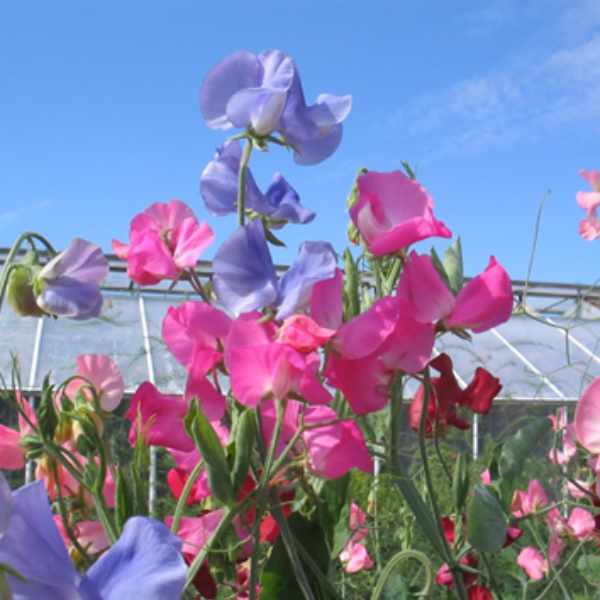
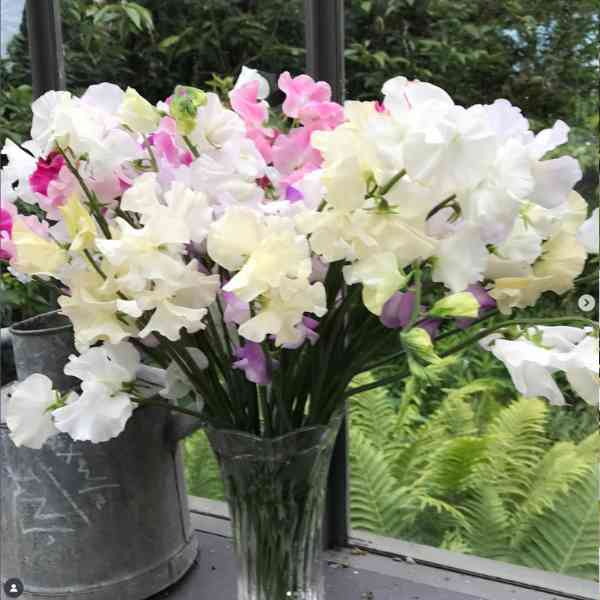
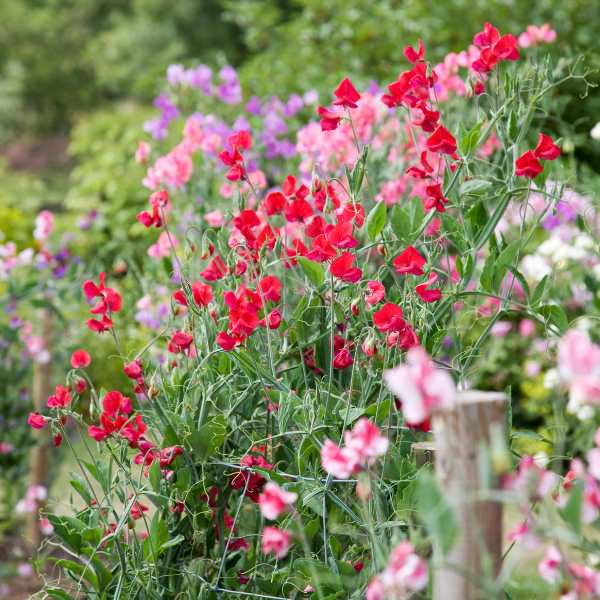
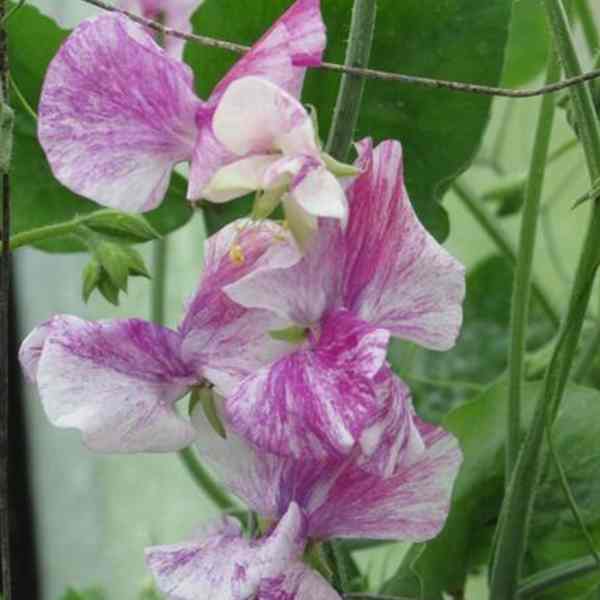
For Australian gardeners, sweet peas are one of the true joys of the cooler seasons. While summer flowers fade and the vegetable patch slows down, these winter flowering annuals step forward and put on a show. Fences soften. Trellises come alive. Bare corners fill with purple, pink, crimson, apricot, and snowy white blooms.
Whether you are gardening in frosty Tasmania, coastal Sydney, inland Victoria, or subtropical Brisbane, you can grow sweet peas successfully. You just need to work with your climate, not against it.
Let’s walk through it together, step by step. 🌿
🌼 Why Grow Sweet Peas?
If you are wondering whether they are worth the space, let me reassure you. They absolutely are.
Sweet peas offer three things few flowers can match:
- Fragrance
- Abundant blooms
- Excellent cut flowers
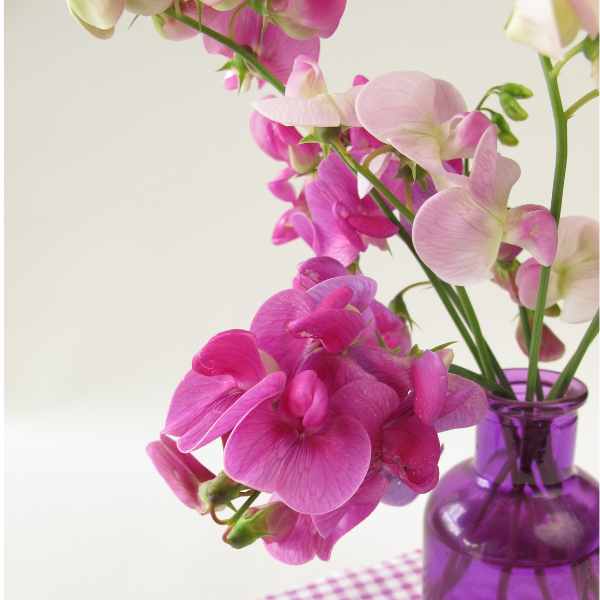
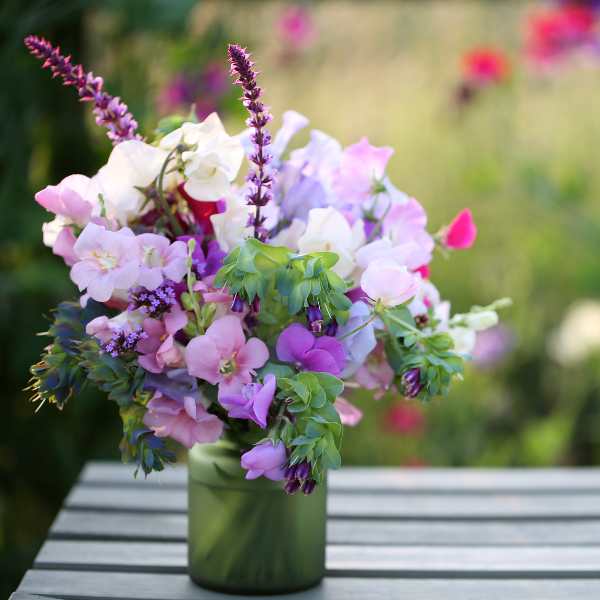
The perfume is soft but powerful. One small posy can scent an entire room. Place a bunch on your kitchen bench and you will understand why generations of gardeners refuse to go without them.
They also produce generously. The more you pick, the more they flower. That means armfuls for the house, gifts for neighbours, and still plenty left climbing through the garden.
And despite their delicate look, sweet peas are surprisingly tough once established. They ask for sun, decent drainage, and a bit of structure to climb. Give them that, and they reward you for months.
They also attract pollinators. Bees in particular love them, bringing life into the winter garden when little else is in bloom.
For anyone wanting reliable winter colour in Australia, sweet peas are hard to beat.
🌏 Growing Sweet Peas in Australia: Climate Matters
Australia is not one climate. It is many. That is why timing is everything.
Traditionally, sweet peas are sown on St. Patrick’s Day, March 17. That works beautifully in cool climates. But in Australia, we adjust to suit local conditions.
Here is how to think about it: sweet peas love cool soil and cool air. They dislike heat.
🌿 Cooler Regions
Tasmania, southern Victoria, cooler parts of Southern NSW
Best sowing time: Feb to April or Sep to Nov
In these areas, autumn and spring brings reliable cooling. Seeds germinate well, plants establish before winter, and flowering begins in late winter to early spring.
🌿 Temperate Zones
Perth, Adelaide, Sydney
Best sowing time: April to Sep
Autumn heatwaves can linger. If you sow too early and soil temperatures are still high, seeds may rot instead of sprouting. Waiting until the soil consistently cools below 20°C makes all the difference.
🌿 Subtropical Areas
Brisbane, Northern NSW
Best sowing time: Late April to Jul
In warmer regions, patience is key. If soil temperatures sit above 25°C, germination drops sharply.
A simple soil thermometer is worth its weight in gold. Check the soil temperature at seed depth in the morning. If it is too warm, wait a little longer.
Some gardeners pop their seeds in the fridge for a week before sowing. This can help mimic winter conditions and improve germination in warmer climates.
That small adjustment often makes the difference between patchy results and a strong, even row of seedlings.
☀️ Choosing the Right Position
Sweet peas love sunshine. In most parts of Australia, they need at least six hours of direct sun daily.
But here is where local knowledge comes in.
In Perth or Brisbane, harsh afternoon sun can scorch tender foliage in late spring. In these areas, morning sun with light afternoon shade is ideal.
In cooler climates like Melbourne or Hobart, full sun all day is perfectly fine and often preferred.
🌱 Drainage Is Non Negotiable
If there is one thing sweet peas will not tolerate, it is wet feet.
Heavy clay soil that holds water will quickly cause seedlings to collapse. Roots need air as much as moisture.
If your soil is clay based, do not worry. You can improve it:
- Raise beds 15 to 20 cm above ground level
- Incorporate gypsum to help break up clay structure
- Add compost and organic matter to improve texture
- Avoid planting in low spots where water collects
Even a simple raised row can dramatically improve results.
🪴 Preparing the Soil Properly
Sweet peas prefer slightly alkaline soil, ideally around pH 7.0 to 7.5.
If your soil is acidic, applying dolomite lime a few weeks before planting can help bring it into balance. Always water it in well and give it time to adjust.
🌿 Organic Matter
Work in composted cow manure or well aged compost. Avoid fresh manure, which can burn roots and cause excessive leafy growth.
Worm castings are also excellent. They improve soil structure and gently feed plants without overwhelming them.
🌸 Fertilising for Flowers, Not Leaves
This is important. Sweet peas are legumes. They fix some nitrogen from the atmosphere. Too much nitrogen leads to lush leaves and very few flowers.
Avoid heavy nitrogen fertilisers. Skip strong chicken manure at planting time.
Instead, focus on:
- Potash
- Wood ash in small amounts
- Balanced, low nitrogen fertilisers
Strong stems and abundant blooms come from potassium rich soil, not nitrogen heavy feeding.
Getting this balance right early sets you up for months of colour.
🌱 Planting Sweet Pea Seeds
Now comes the exciting part.
Sweet pea seeds have a tough outer coating. Helping them along can speed up germination.
🌼 Step 1: Seed Preparation
Soak seeds in warm water for around four hours before planting. This softens the coat and allows moisture to penetrate.
Some gardeners gently nick the seed coat with a nail file. This can help, but it is optional.
🌼 Step 2: Sowing
- Dig a trench about 3 cm deep
- Space seeds 5 to 7 cm apart
- Cover gently and firm lightly
Do not overwater. Keep soil moist but never soggy. Overwatering is the fastest way to lose seeds to rot.
🌼 Step 3: Protect Young Seedlings
New shoots are irresistible to:
- Slugs
- Snails
- Birds
- Mice
Crushed eggshells, iron based snail pellets, or light netting can protect seedlings in those early weeks. Once plants reach about 10 cm tall, they are far more resilient.
🌿 Support Structures: Keep It Practical
Most sweet pea varieties are climbers. Once they reach 10 to 15 cm tall, they start reaching for support.
You do not need expensive structures.
Simple options work beautifully:
- Bamboo stakes tied into a teepee
- Pruned branches arranged in a row
- Wire mesh attached to a fence
- Garden trellis panels
Sweet peas climb using delicate tendrils that wrap around supports. Gently guide them at first if needed. After that, they take over.
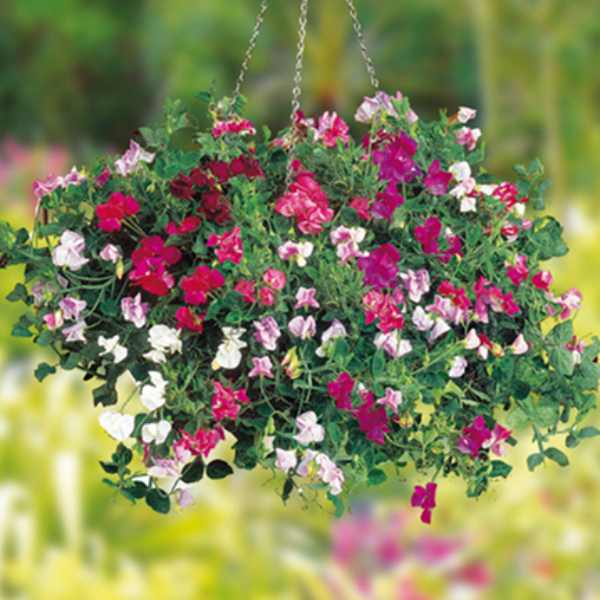
If you are growing dwarf varieties such as Knee High types, these can be grown in pots or hanging baskets without support. They are perfect for small spaces or balconies.
💧 Ongoing Care Through Winter
Once established, sweet peas are not demanding. But a few simple habits will improve performance dramatically.
🌿 Watering
Water at the base of the plant, not over the foliage.
Keep soil consistently moist, especially once buds begin forming. Dry spells can cause buds to drop.
In drier climates, mulching helps retain moisture and regulate soil temperature.
🌾 Mulching
Apply a 5 cm layer of:
- Sugar cane mulch
- Pea straw
- Lucerne
Mulch keeps roots cool, reduces weeds, and improves soil over time.
🌸 Feeding
Every four weeks, apply:
- Liquid seaweed solution
- A potassium rich fertiliser
Avoid high nitrogen feeds during flowering.
🐛 Common Pests and Problems
Even experienced gardeners face issues now and then. That is completely normal.
🌿 Aphids
Clusters of tiny insects on soft growth.
Solution:
- Spray off with a strong jet of water
- Use diluted soapy water if needed
🌿 Powdery Mildew
White powdery coating on leaves in late spring.
Prevention:
- Good airflow
- Avoid overhead watering
Treatment:
Milk spray solution can help slow spread.
🌿 Rodents and Birds
Protect seedlings early. After establishment, damage usually decreases.
Companion planting with garlic or marigolds may help deter pests naturally.
✂️ Harvesting Sweet Peas for the Vase
This is the reward.
Pick flowers in the morning when blooms are just opening. Half open flowers last longest in water.
Strip lower leaves from stems.
Some gardeners briefly dip cut stem ends in boiling water for a few seconds before placing them in fresh water. This can extend vase life.
Keep picking regularly. The more you harvest, the more the plant produces.
If you stop picking, the plant shifts energy into seed production and flowering slows.
🌰 Saving Sweet Pea Seeds
If you grow heirloom varieties, saving seed is deeply satisfying.
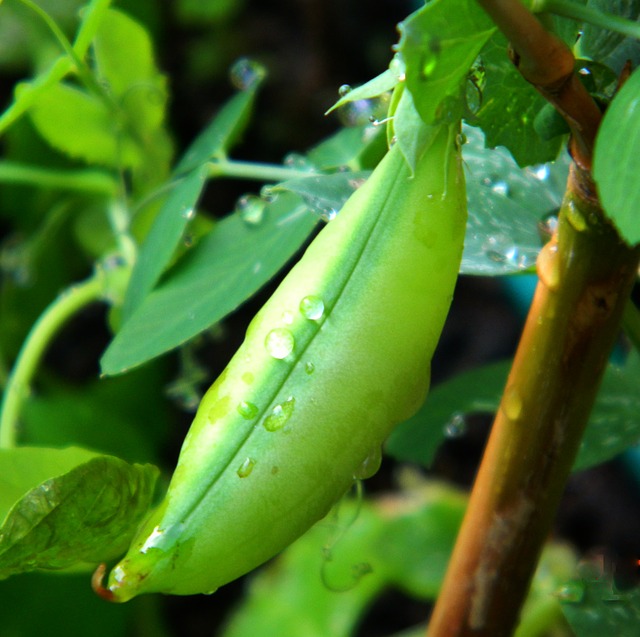
Toward late spring, allow a few pods to mature on the vine. They will swell, dry, and turn brown.
Harvest pods before they split open.
Dry indoors for a couple of weeks. Shell seeds and store in a labelled paper envelope in a cool, dry place.
Label with variety and year. You will thank yourself later.
Saved seeds often grow true to type, especially with heirloom varieties.
🌿 Crop Rotation and Soil Health
Do not plant sweet peas in the same spot year after year. Rotating crops helps prevent soil borne diseases and keeps your garden healthier long term.
Follow sweet peas with leafy greens or root vegetables. Give the soil time to rebalance.
Healthy soil means stronger plants next season.
🌸 Final Thoughts from the Garden
Growing sweet peas is not complicated. It is about timing, drainage, and steady care.
Start with cool soil. Prepare your bed properly. Support them early. Pick generously.
There will be seasons when they perform spectacularly and seasons when they are a little slower. That is gardening. Each year teaches you something new.
But when winter sunlight hits those climbing stems and the air carries that sweet fragrance across your yard, you will know it was worth it.
Plant them once and they tend to become part of your seasonal rhythm. A tradition.
And truly, there are few better sights than a fence covered in flowering sweet peas while the rest of the garden rests. 🌸
Happy growing. May your winter garden be colourful, fragrant, and full of life. 🌿