Luffa or Loofah: A Natural Sponge From the Garden
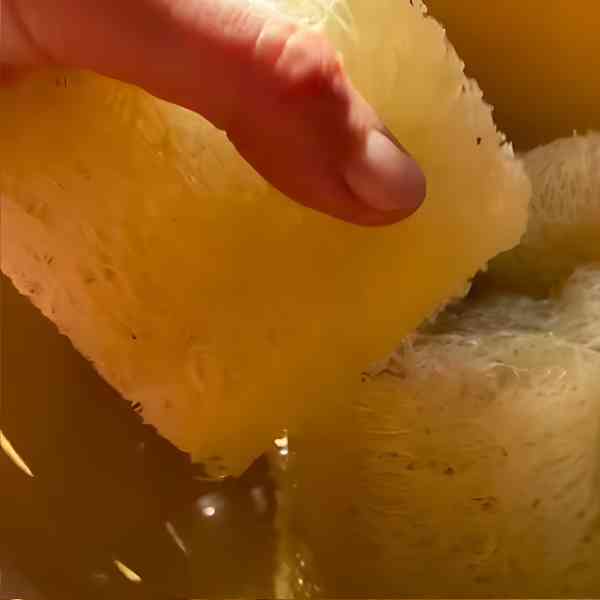
Luffa, also known as loofah, is best known not as a vegetable but as a natural, long lasting sponge. While it begins life as a green gourd on a vine, its real value is revealed when it is allowed to fully mature and dry, transforming into a fibrous cleaning and exfoliating tool that has been used for generations.
Thought to have originated in India, luffa has a long history across Asia and Africa, where it has been valued not only as a food plant but as a practical household resource. Long before plastic sponges existed, luffa filled kitchens, washrooms, and bathing areas, offering a durable and reusable solution made entirely from plant fibres.
Botanically, luffa belongs to the cucumber family. It grows in the same way as cucumbers and squash, producing long vines, large leaves, and bright yellow flowers. What makes it different is what happens at the end of its life cycle. Instead of being harvested and eaten, the fruit is left to dry, allowing the internal fibres to strengthen into the familiar loofah sponge.
For gardeners and households looking to reduce plastic use and return to natural materials, luffa is a powerful and satisfying option. It is simple, effective, and quietly impressive in how useful it becomes. For a full guide in growing luffa’s check out the grow guide in the product description.
🧽 From Gourd to Sponge
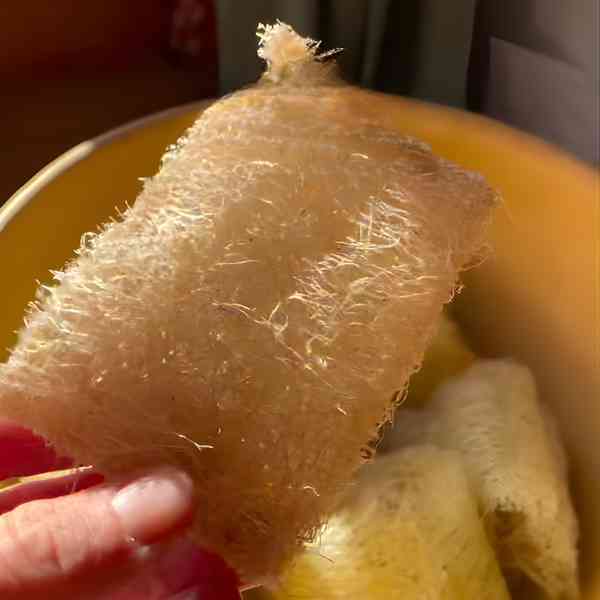
The transformation of a luffa gourd into a sponge is completely natural. As the fruit matures, the soft flesh inside begins to dry away. At the same time, a dense network of fibres strengthens and expands. These fibres are what eventually become the sponge.
When fully mature, the gourd turns yellow or brown and feels very light for its size. Tapping it often produces a hollow sound. Inside, the structure is no longer soft or watery. It is firm, springy, and surprisingly strong.
This fibrous network is what makes luffa such an effective sponge. It is tough enough to scrub, flexible enough to squeeze, and open enough to rinse clean and dry quickly. Unlike synthetic sponges, it does not trap moisture in the same way, which helps reduce odours and breakdown over time.
✂️ Harvesting Luffa for Sponge Use
Timing is important when harvesting luffa for sponge making. The gourd should be picked once it has begun to change colour and feels noticeably lighter in weight. At this stage, most of the moisture has evaporated and the fibres are fully formed.
If picked too early, the fibres may still be soft and break apart. If left too long, especially in humid conditions, the gourd can become mouldy. A good balance is when the skin starts to yellow and the gourd feels almost hollow when handled.
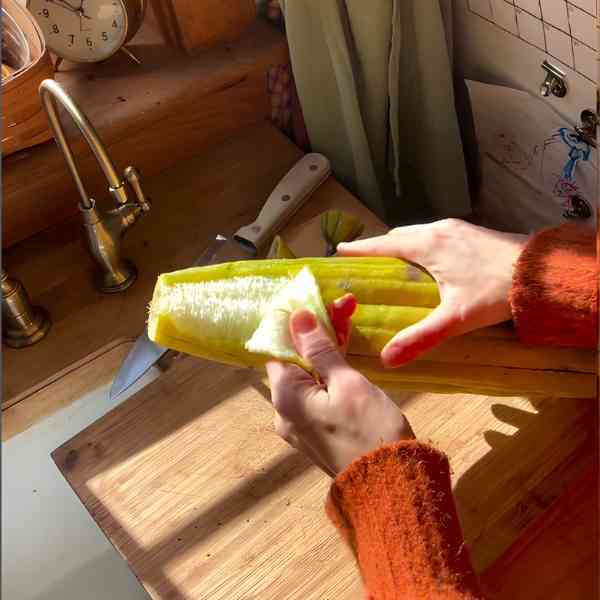
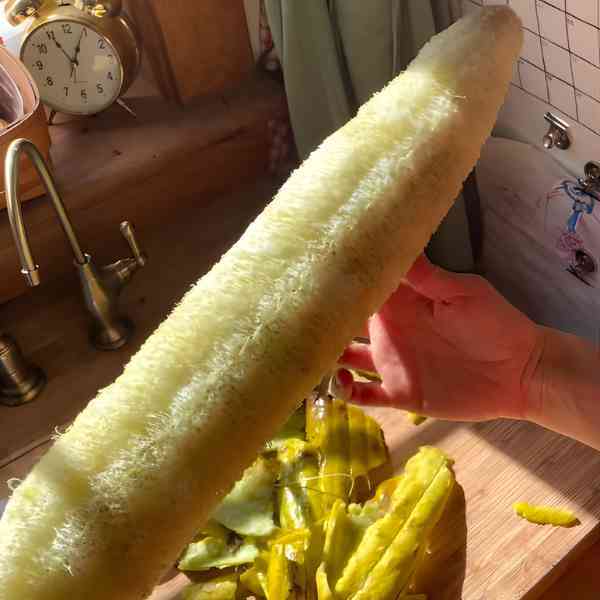
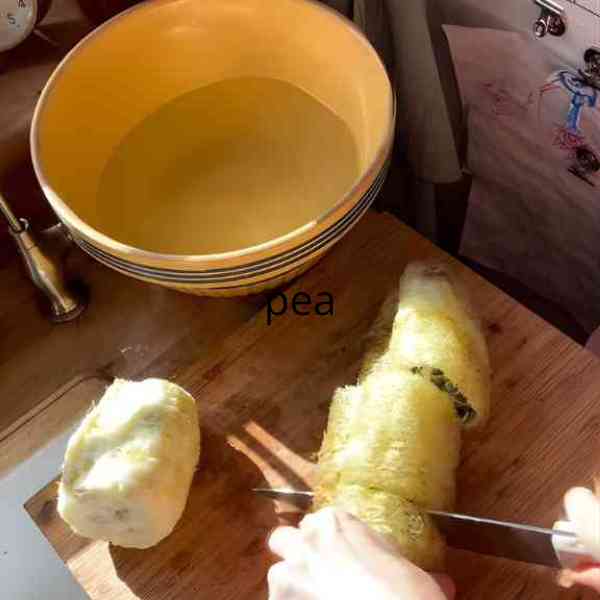
After harvesting, the outer skin is removed. This is usually easy once the gourd has dried slightly. The skin may peel away in strips, revealing the pale sponge inside.
🚿 Cleaning and Preparing the Sponge
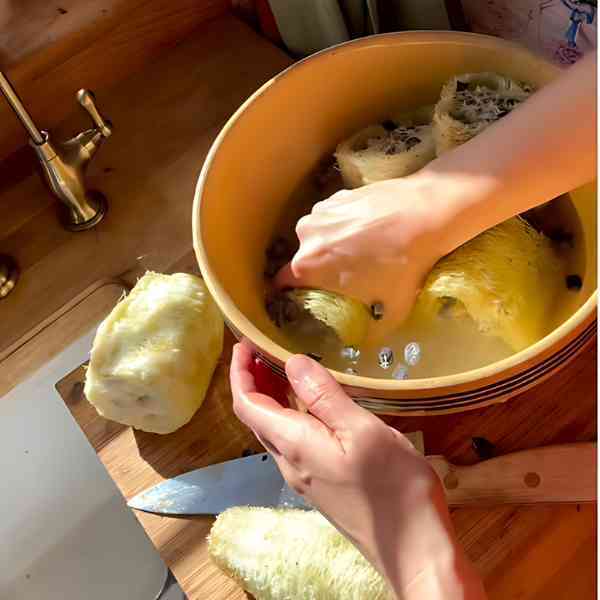
Once the sponge is exposed, it needs to be cleaned. Inside the gourd will still be dried flesh and seeds, which need to be removed.
Squeeze the sponge firmly, working from the centre toward the ends. This pushes out the remaining pulp and seeds. Rinsing under running water helps flush out debris and leaves the fibres clean.
If the sponge has dark patches or uneven colouring, a short soak of around five minutes in warm water with a splash of vinegar can be used to lighten it. This step is optional but helps produce a cleaner looking sponge and ensures it is hygienic.
Drying is essential. Sponges can be hung outdoors in dry weather, where airflow and sunlight will finish the process naturally. They can also be dried in an oven set to around 150°F or 65°F checking regularly to avoid scorching. Once completely dry, the sponge will feel firm, light, and ready to use.
Sponges can be left whole or cut into sections depending on how they will be used. Many people like to thread a piece of hemp or cotton rope through one end so the sponge can be hung up to dry between uses.
🛁 Using Luffa as a Bath and Shower Sponge
One of the most common uses for luffa is as a body sponge. When dry, it feels firm and rough, but once soaked in water it softens considerably while still retaining enough texture to exfoliate.
Used gently, luffa helps remove dead skin cells and encourages circulation. It is especially popular for use on rough areas such as elbows, heels, and knees. Over time, many people find that regular use leaves skin smoother and less dry.
Because luffa dries quickly when hung up properly, it tends to stay fresher than many synthetic sponges. Rinsing thoroughly after use and allowing it to dry fully helps extend its life.
🍽️ Using Luffa in the Kitchen
In the kitchen, luffa makes an excellent dish sponge. Its firm fibres are effective at removing food residue without scratching most surfaces. It works well on plates, bowls, and cutlery, as well as on pots and pans.
Because luffa is plant based, it does not shed microplastics into wastewater. This makes it a more environmentally friendly choice for everyday cleaning.
Luffa sponges can also be used for cleaning vegetables, scrubbing sinks, or wiping down benchtops. When they start to soften too much or wear down, they can be composted and replaced.
You can also cut the through one section and sow them flat which works well in the kitchen.
🧼 Household and Outdoor Cleaning Uses
Beyond the kitchen and bathroom, luffa is useful throughout the home. It can be used to clean tiles, basins, windows, and outdoor furniture. In the laundry, it works well for scrubbing stains from fabric before washing.
Outdoors, luffa sponges are handy for washing cars, garden tools, and pots. They are tough enough to remove dirt while still being gentle on surfaces.
With basic care, a single luffa sponge can last for years. When it needs refreshing, a short soak of around five minutes in warm water with a splash of vinegar.
♻️ A Plastic Free Alternative
One of the strongest arguments for using luffa is its role in reducing plastic waste. Most conventional sponges are made from synthetic materials that eventually break down into microplastics. Luffa, by contrast, is completely biodegradable.
When a luffa sponge reaches the end of its useful life, it can be added to the compost, where it will break down naturally and return to the soil. This makes it part of a simple and satisfying closed loop.
For households trying to make small, manageable changes toward sustainability, swapping plastic sponges for luffa is an easy place to start.
🎁 Luffa as a Practical and Thoughtful Gift
A single plant can produce many sponges, often more than one household needs. This abundance makes luffa ideal for sharing.
Luffa sponges make thoughtful gifts, especially when paired with handmade soap or included in a low waste gift pack. They are practical, long lasting, and often spark curiosity and conversation.
They also carry a story. Knowing that a sponge was grown, dried, and prepared by hand adds meaning to an otherwise ordinary household item.
🌼 Final Thoughts
Luffa earns its place as one of the most practical plants you can grow. Its value lies not in novelty, but in everyday usefulness. From the shower to the kitchen sink, it replaces disposable, plastic based products with something simple, natural, and effective.
Using luffa as a sponge reconnects daily routines with the garden. It reminds us that useful materials do not need to be manufactured or complicated. Sometimes they just need time to grow and dry.
For anyone interested in reducing waste, embracing natural materials, or making better use of what the garden can offer, luffa is well worth getting to know. Once you start using your own homegrown sponges, it is hard to go back.