There’s something special about walking through a flower garden and realising how much of it you can eat. Edible flowers are one of those quiet treasures that bridge the gap between beauty and practicality, turning an ordinary garden into something extraordinary. When you grow edible flowers, you’re growing more than colour, you are also growing flavour, fragrance, and joy.
More gardeners and cooks are discovering the charm of edible blooms. From the vibrant Cornflower to the fragrant Lavender, they bring both beauty and purpose to every corner of the garden. When you sow these flower seeds at home, you begin a journey that connects garden and plate in the most delightful way.
What was once just a bright bed of blooms becomes a living pantry, full of petals ready to decorate, flavour, and surprise. Whether you’re tucking them into a salad, freezing them in ice cubes, or scattering them over a cake, they bring a playful creativity to cooking. And the best part is how easy they are to grow. Once you know how to grow edible flowers, they reward you season after season, elevating your dishes to Master Chef heights.
The list of best edible flowers to grow is long, but each one offers something unique. In my own garden, and in the range I offer here in Australia, you’ll find quite a few favourites that have earned their place: Cornflower, Calendula, Bergamot, Dianthus, Lavender, Nigella, Heartsease, Pink Billy Buttons, Nasturtiums and Globe Amaranth. Each brings a little something special: a different texture, a hint of flavour, a splash of personality.
They invite bees and butterflies, encourage beneficial insects, and often help companion plants grow stronger. The colour and scent attract pollinators, and the result is a livelier, more balanced garden. Beyond their practical value, they’re simply beautiful to live with. 🌸
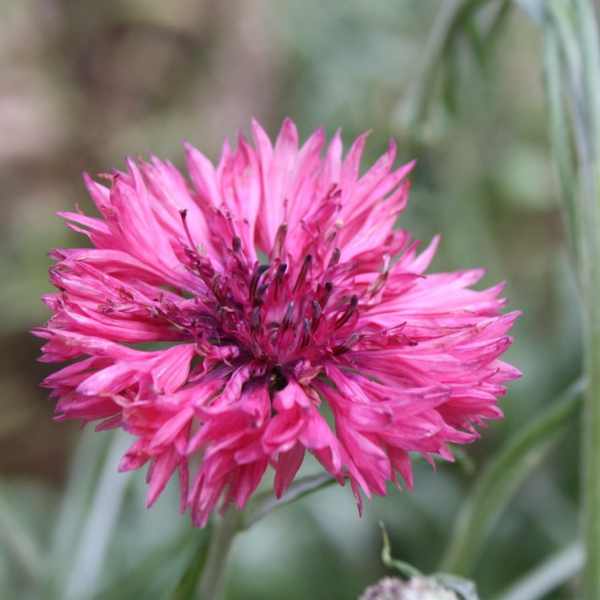
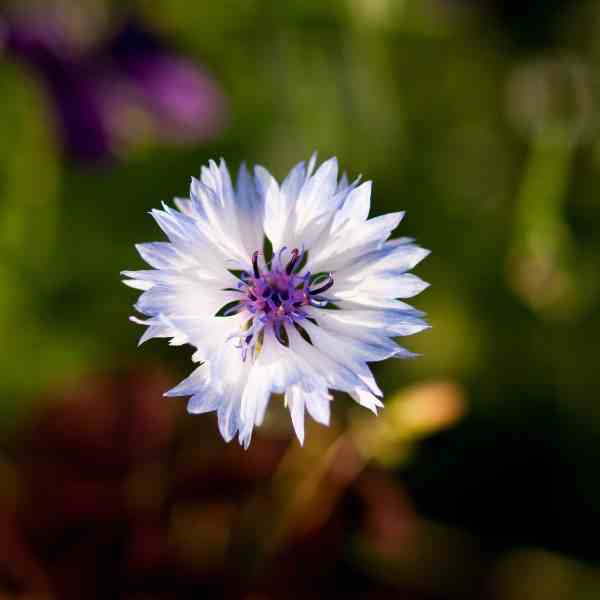
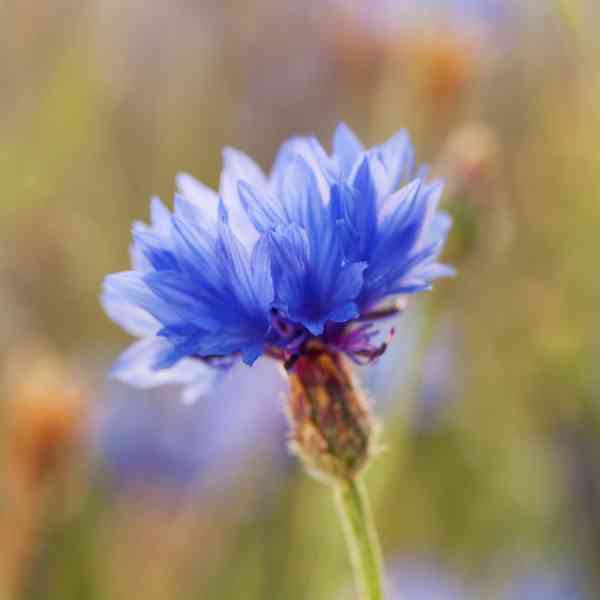
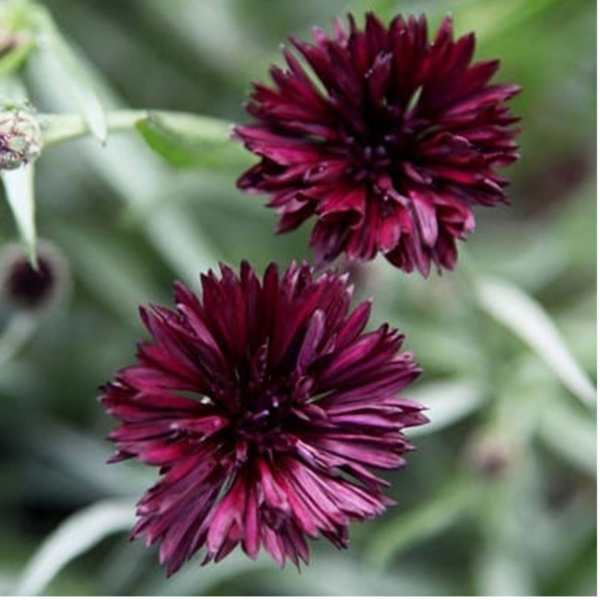
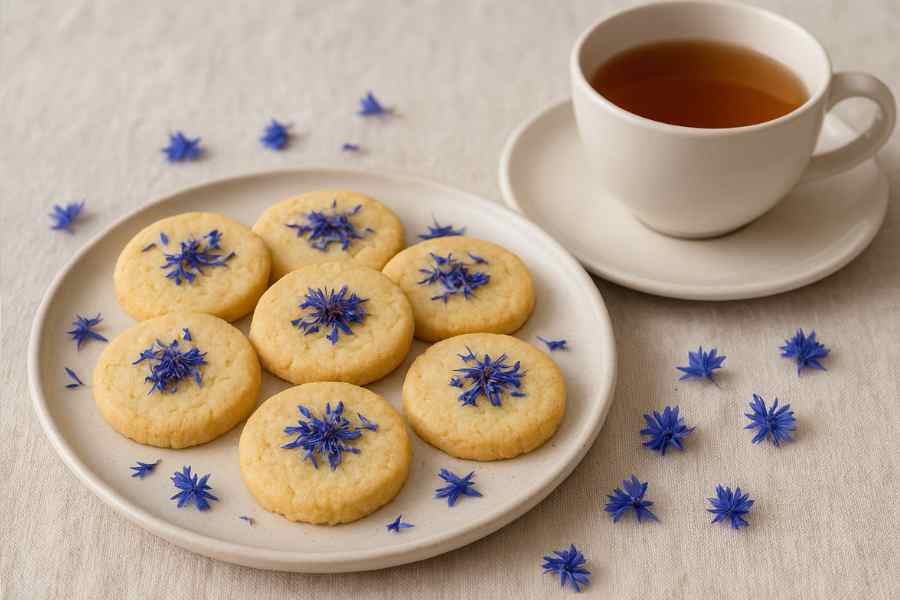
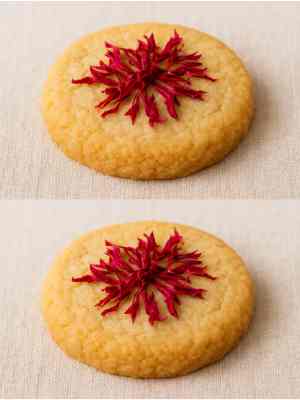
Cornflowers are one of the easiest edible flowers to grow in Australia and come in shades of blue, white, red and black. They taste mild and slightly spicy, and look wonderful sprinkled over salads, cakes, or even cheese boards. Bees adore them, so while you pick a handful for the kitchen, you’ll likely have company buzzing around. Cornflowers are generous and the more you harvest, the more they bloom.
Cornflower & Lemon Shortbread Biscuits
A sweet, buttery biscuit with a gentle floral note. Just perfect for afternoon tea or garden gatherings.
🌼 Ingredients
- 1 cup (225 g) unsalted butter, softened
- ½ cup (110 g) caster sugar
- 2 cups (300 g) plain flour
- Zest of 1 lemon
- 1 tablespoon dried cornflower petals (plus extra for topping)
- Pinch of salt
🌿 Serving Tip: These biscuits look beautiful on a plate with a few scattered petals. They pair wonderfully with earl grey tea, lemon cordial, or herbal teas like chamomile or mint.
🪻 Method
- Preheat your oven to 160°C (fan-forced) and line a baking tray with baking paper.
- Cream the butter and sugar together until pale and fluffy.
- Stir in the lemon zest and (if using) the vanilla extract.
- Gently mix in the flour, salt, and cornflower petals until it comes together as a soft dough.
- Roll out the dough between two sheets of baking paper to about 1 cm thick.
- Cut into shapes — rounds or simple rectangles work beautifully.
- Place on the tray and sprinkle a few extra cornflower petals on top for colour.
- Bake for 12–15 minutes until just turning golden at the edges.
- Cool on a rack before storing in an airtight container.
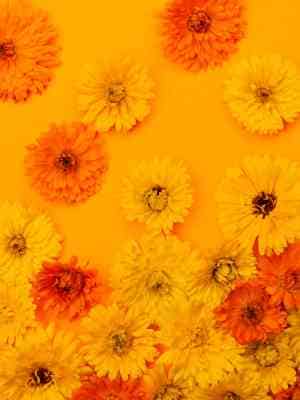
Next comes Calendula, often called pot marigold. These sunshine-bright flowers are among the most cheerful blooms you can grow. Their petals carry a mild peppery flavour, a little like saffron, and can be used to brighten soups, rice dishes, and salads.
Beyond its golden glow, this humble flower is packed with natural healing power and has been used for centuries in herbal medicine. The petals are rich in flavonoids and triterpenoids, plant compounds that give calendula its remarkable anti-inflammatory, antimicrobial, and skin-healing abilities.
When the blooms are steeped into oil or made into a balm, they become a gentle but effective treatment for cuts, scrapes, burns, insect bites, and dry or irritated skin. Many gardeners make their own calendula salve for first-aid use, and it’s often a favourite remedy for eczema, rashes, or chapped hands. The soothing nature of calendula works by encouraging the skin to repair itself, while calming redness and discomfort at the same time.
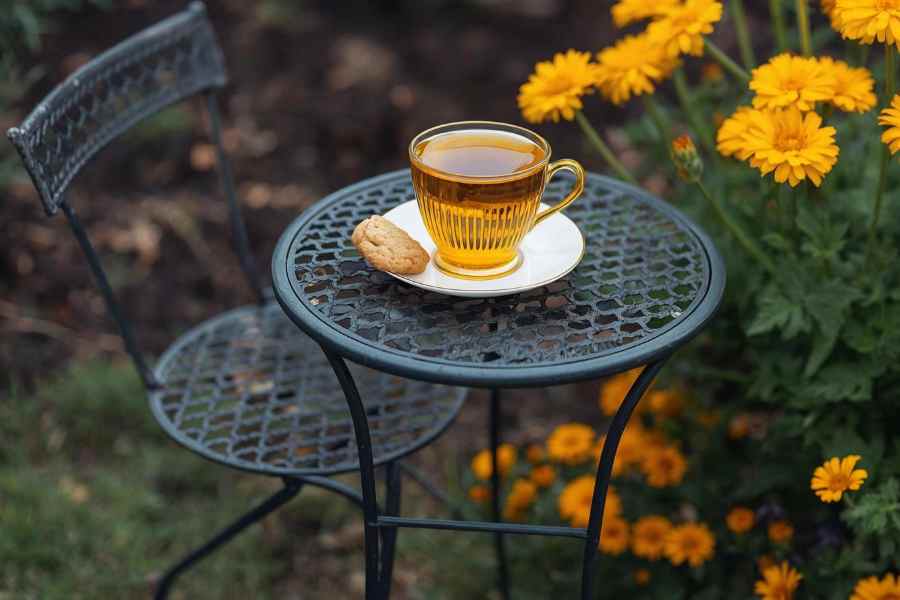
Taken internally, calendula tea offers another layer of benefit. It has a mild, earthy taste and works to soothe the lining of the stomach and intestines, making it a gentle friend for indigestion, gastritis, or mild ulcers. Because it’s so mild, it’s often used in herbal blends designed to restore balance after illness or stress.
Calendula is also recognised as a lymphatic tonic, meaning it helps the body clear out waste through the lymph system and supports the immune response. In springtime detox teas or recovery tonics, a few dried petals can make a real difference to how refreshed and renewed you feel. 🌸
Though calendula is considered very safe, it’s still wise to use it mindfully. Those who are allergic to daisies or other Asteraceae family plants should patch-test first, and pregnant women are generally advised to avoid taking it internally.
Topically, however, it’s one of the most soothing and reliable herbal ingredients you can use. What makes calendula so special isn’t just its versatility, but its gentleness. It heals without harshness, supports without overpowering, and reminds us that nature often works best in quiet, consistent ways.
Whether you’re sipping its tea, massaging in a homemade oil, or just admiring its sunshine-yellow blooms in the garden, calendula offers comfort and care in every petal.
The scent of Bergamot, sometimes called Bee Balm, fills the air with a gentle citrusy spice that’s impossible to forget. This flower is a magnet for bees and butterflies, making it one of the best edible flowers for pollinator gardens. The petals and leaves are edible and deliciously fragrant. You can steep them into tea, stir them into syrups, or use them to flavour vinegar and honey. The taste is a blend of citrus and spice, perfectly at home in desserts and drinks. Growing bergamot is like planting happiness and the bees will thank you for it. 🐝
🌿 Wild Bergamot–Infused Honey
You’ll need:
- 1 cup raw honey (local, if you can get it)
- 2 tablespoons dried wild bergamot petals and leaves (or about ¼ cup fresh making sure they’re clean and fully dry on the surface)
- A small sterilised jar with a tight lid
🫖 Method
- Prepare your bergamot:
If you’re using fresh leaves and petals, let them air-dry for a few hours first because you don’t want moisture in your honey, as it can cause it to ferment. If they’re already dried, you’re good to go. - Warm the honey gently:
Place your jar of honey in a bowl of warm water (not boiling, around 40–45°C is perfect) to loosen it slightly. You’re just warming it enough to help the flavours infuse, not to destroy the raw enzymes. - Combine:
Add your wild bergamot to the honey and stir gently with a clean spoon until the herbs are evenly mixed through. - Infuse:
Seal the jar and place it in a warm spot out of direct sunlight (a kitchen shelf is ideal). Let it sit for 1 to 2 weeks, giving it a gentle stir every few days to keep the herbs moving through the honey. - Strain and store:
When you’re happy with the flavour (taste-test a little!), warm the jar again just enough to make the honey flow, then strain out the plant material through a fine mesh or cheesecloth. Pour the infused honey into a clean jar and store in a cool, dry place.
🌸 To use:
- Stir into herbal teas or drizzle over toast, yoghurt, or porridge.
- Brush over roast carrots or sweet potatoes for a floral twist.
- Try a spoon in hot water with lemon when you’re feeling a bit under the weather as wild bergamot has mild antiseptic and soothing properties.
🌼 Little tip:
If you have both wild bergamot flowers and leaves, use a mix as the flowers lend a soft, perfumed note, while the leaves give more of that minty, thyme-like depth.
Few flowers feel as timeless as Dianthus, with its soft fringed petals and sweet clove-like scent. These flowers have been loved for generations, and it’s easy to see why. The petals are lightly sweet, perfect for decorating cakes, desserts, or even cocktails. You can crystallise them with sugar or scatter them over fruit to add both charm and taste. In the garden, dianthus is neat, compact, and easy to care for. It loves sunny spots and will bloom generously for months. 🌸
How to crystallise Dianthus petals to turn them into sweet, sparkling decorations.
- Choose freshly picked, unsprayed blooms, and brush each petal lightly with whisked egg white.
- Choose freshly picked, unsprayed blooms, and brush each petal lightly with whisked egg white.
- Once crisp, they’ll keep their colour and shape beautifully, ready to adorn cakes, fruit tarts or even cocktails.
- Their gentle clove scent adds a lovely touch of old-fashioned charm and flavour which is just the thing to make a simple dessert feel special.
When it comes to fragrance, Lavender hardly needs an introduction. Its gentle perfume fills the air and calms the mind. But beyond the scent, lavender is one of the most versatile edible flowers you can grow. Its flavour is floral and a little sweet, pairing beautifully with lemon, honey, and chocolate.
A few buds steeped in cream can turn a simple dessert into something memorable. It’s also lovely infused into sugar or sprinkled sparingly over baked treats. In the garden, lavender thrives in sun and well-drained soil, returning year after year with colour and calm. 💜
Check out this refreshing recipe for Lavender Lemonade.
Nigella
Also known as Love-in-a-Mist, nigella is a flower of airy beauty, with delicate blue or white blooms floating on fine, ferny foliage. The flowers are edible, but the real culinary prize is the seed, which has a nutty, onion-like flavour used in bread and curries.
Nigella bridges the gap between ornamental and useful. The flowers draw pollinators, and the dried seed pods look charming in arrangements. In the garden, they seem to belong everywhere, amongst vegetables, herbs, or woven through annuals. There’s something quietly enchanting about nigella, as though it’s always been part of cottage gardens and will always belong there. 💙
Nasturtiums are one of those joyful plants that blur the line between flower and food. Every part of the plant from the leaves, flowers, and even the seeds are edible, adding a splash of colour and a peppery flavour to the plate. The round leaves have a fresh, mustard-like bite, while the flowers are slightly milder and look beautiful scattered over salads, sandwiches, or cheese platters. Their seeds can even be pickled and used as a substitute for capers.
One of the tastiest ways to use nasturtium leaves is to make a simple nasturtium pesto. The leaves replace basil, giving the pesto a lively, peppery twist that pairs well with pasta, roasted vegetables, or grilled meats. To make it, blend a generous handful of fresh nasturtium leaves with olive oil, garlic, lemon juice, nuts (pine nuts or walnuts work well), and a little Parmesan cheese. Adjust to taste and use it just as you would traditional pesto.
Growing nasturtiums is easy, and they self-seed generously, so you’ll often have them popping up year after year. Their bright flowers and edible foliage make them one of the most rewarding plants to grow both ornamental in the garden and delicious in the kitchen.
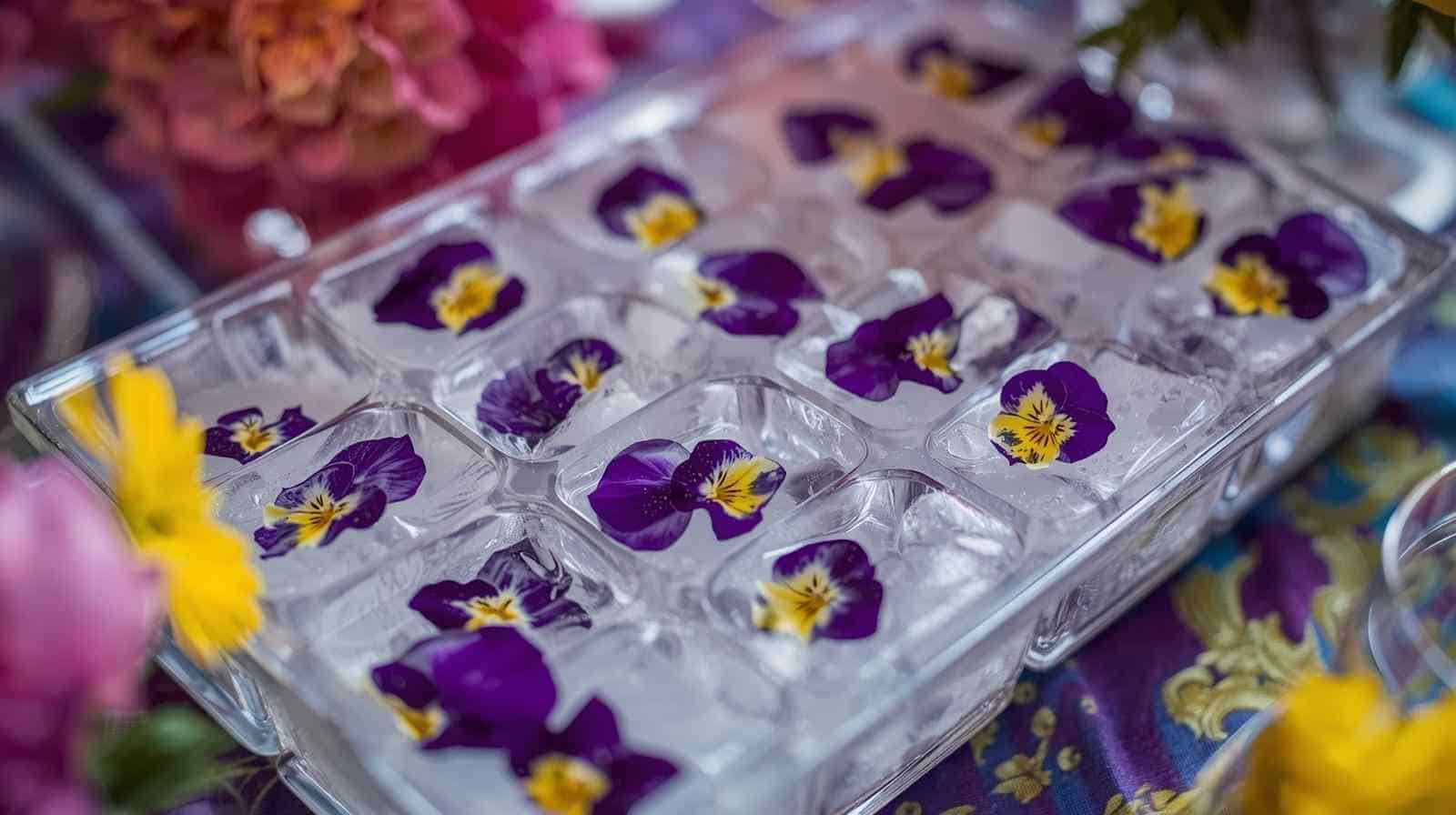
Heartsease, sometimes called Johnny Jump-Up, is a true delight. Its small faces in purple, yellow, and white look cheerful in every season. They taste sweet and delicate, perfect for garnishing salads or pressing onto cakes and biscuits.
These little flowers also freeze beautifully in ice cubes, a simple way to dress up summer drinks or add to other petals to make edible confetti. In the garden, heartsease is hardy and generous, self-seeding easily to return each year. It’s one of those edible flowers that gives back far more than you expect. 💛
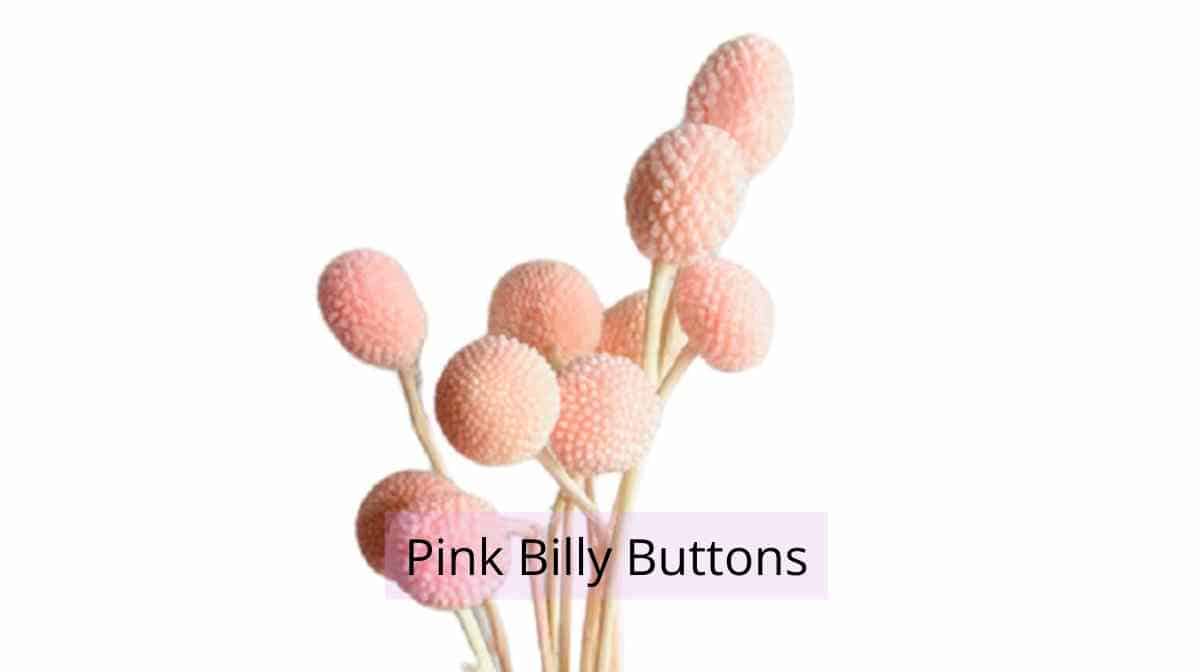
Pink Billy Buttons are pure fun. These native Australian treasures produce round, pom-pom flowers in soft rosy tones that seem to smile from the garden bed. While most people know them as a cut flower, their petals can also be used decoratively in cooking. They’re whimsical, hardy, and unmistakably Australian. Billy Buttons thrive in sunny spots and dry conditions, making them perfect for gardeners who want beauty without fuss. 🌸
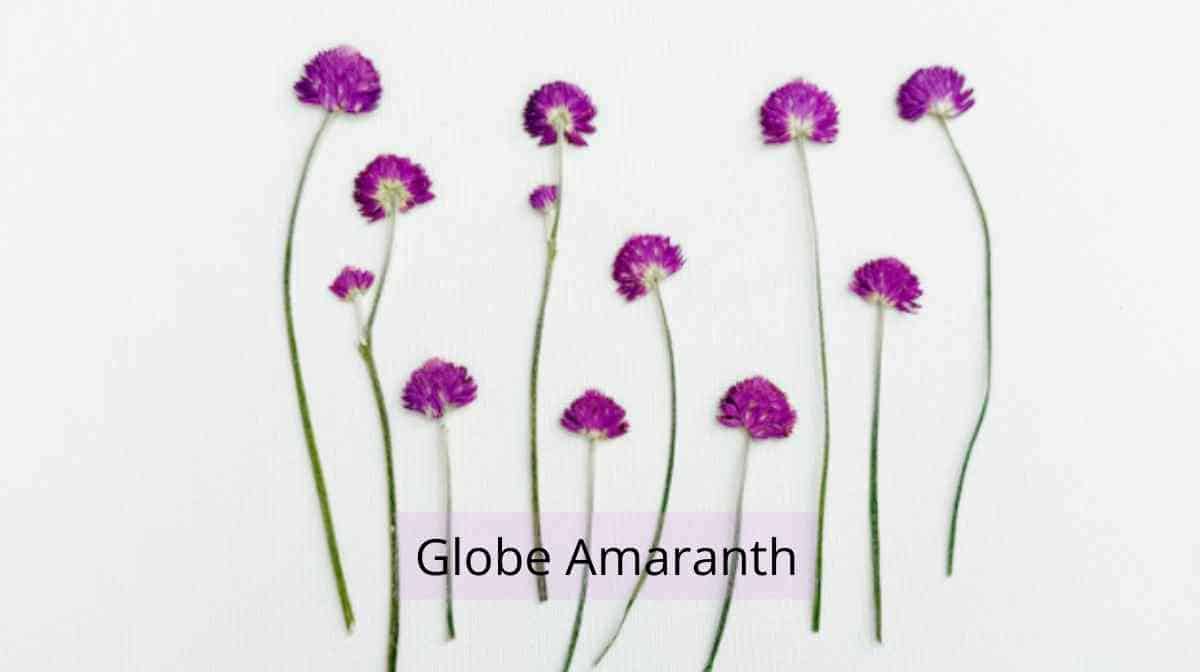
Last but not least is Globe Amaranth, one of the toughest and most enduring edible flowers for Australian gardens. Its round, clover-like blooms come in pink, purple, and white, keeping their colour even after drying. The petals have a mild, grassy flavour and are most often used in teas, syrups, or as natural decoration for cakes. Globe amaranth also makes a wonderful dried flower: a keepsake from summer that lasts through winter. 🌾
When you plant these flowers, you’re not just filling your garden with colour, you’re creating a space that feeds every sense. Each variety brings something new, whether it’s the spicy hint of bergamot, the sugary scent of dianthus, or the soothing aroma of lavender. The more you grow, the more you’ll find ways to use them.
A garden filled with edible blooms is a garden full of joy. There’s a childlike wonder in seeing colour you can taste. It reminds you that gardening isn’t just about produce or perfection rather it’s about pleasure. It’s about taking a moment to pick a petal, breathe in its scent, and savour how alive everything feels.
.