
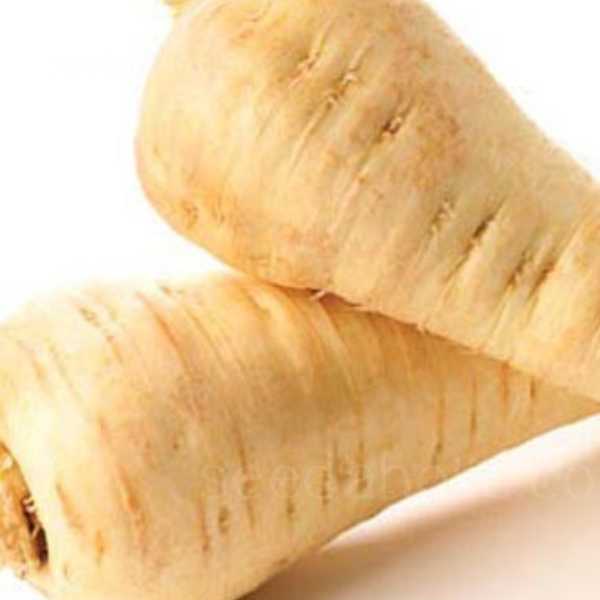
Parsnip White Gem
$4.95
Pastinaca Sativa
- Seed Count 200
- Shorter Variety
- Annual
Out of stock
Email when stock available
Description
Parsnip White Gem is very popular with home gardeners. With shorter roots than some other varieties, broad shoulders and fine, white smooth skin, it has considerable resistance to canker and is highly recommended for use on all soils.
Parsnips are not fussy about what soil types they grow in. For all plants that have deep-growing roots as the parsnip and if you wish to grow the long, ‘perfect’ looking parsnip, you will need deep soil, that has recently been manured and is stone free. If parsnips hit a stone while growing they tend to fork.
You may also consider planting radish seed along with the parsnips, they will mark the row and keep the crust from hardening, making life a little easier for the parsnip pushing through. As the radishes become of edible size, use them and weed and thin the parsnip seedlings to stand 15cm apart.
| Method: Sow direct | Soil Temp: 6°C - 21°C |
| Cool Mountain: Sep - Nov | Position: Full sun |
| Arid: Apr - Oct | Row Spacing: 10 cm |
| Temperate: Aug - Oct | Planting Depth: 5 mm |
| Sub Tropical: Jun - Sep | Harvest: 120 Days |
| Tropical: Apr - Jul | Plant Height: 20 cm |
🥕 Growing Parsnip Demeter From Seed in Australia
Parsnip Demeter has a quiet charm that sneaks up on you. It is an old favourite for good reason, producing long, white roots with a fine flavour that rewards a little patience. Growing it from seed is simple once you understand its quirks. In Australia, our mixed climates give you good sowing windows across most cool seasons. With a bit of planning, fresh seed, and a steady patch of soil, you can bring in a beautiful crop.
Below is a complete guide to help you sow, care for, companion plant, troubleshoot and even save seed from this reliable variety.
🌱 Sowing: In Trays or Direct in the Ground
Most gardeners will tell you that parsnips do their best when sown directly. Their long taproots do not like being disturbed. Even a small interruption can lead to forked roots. Still, there are ways to start in trays if you need to.
Sowing Direct in the Garden
Direct sowing is the simplest path. Fresh seed is important because parsnip seed loses viability quickly. Choose a patch where the soil has already settled. Sow thinly in shallow rows and keep the seedbed consistently moist until germination. The seedlings will come up slowly but steadily.
Starting in Trays
Although not the traditional method, you can raise parsnips in deep trays or root trainers if your garden is still preparing for planting. The key is to use containers that allow the taproot to grow straight down without hitting the bottom too early. Transplant only when seedlings are very young and take extreme care to move each one with all its surrounding soil. Any root disturbance increases the chance of misshapen roots, so think of tray sowing as a backup plan rather than your main method.
🧼 Seed Pre Treatment
Parsnip Demeter does not need any special pre soaking or scarification. What it does need is fresh seed. Because germination rates drop fast, it is best to sow your newest seed packets each season.
🌞 Soil and Position
Parsnips prefer a bed that feels calm and settled. A spot in full sun suits them best, although light afternoon shade in hot regions can help reduce stress.
Soil Preparation
Aim for soil that is:
- Loose and well drained
- Free of rocks, clumps and fresh manure
- Rich in old organic matter
- Deep enough for those long, straight roots
Fresh manure or heavy nitrogen can cause roots to fork, so keep your amendments gentle. A bed that grew leafy greens the season before is often perfect for parsnips.
🌿 Care and Maintenance
Parsnips grow slowly at first, so the early weeks are about keeping them comfortable.
Moisture
Keep the soil evenly damp, especially during germination. Once the seedlings are established, water deeply so the moisture reaches right down the growing taproots.
Mulching
A soft blanket of mulch helps retain soil moisture and keeps the developing roots cool. It also slows weeds, which like to compete with young parsnips.
Feeding
A light side dressing of compost mid season is enough. Parsnips do not need heavy feeding. Their real work happens underground.
Thinning
Thin seedlings generously. Crowded parsnips never reach their full potential. Leave enough room for each root to grow long and wide without competition.
🌼 Companion Planting Guide
Parsnip Demeter enjoys the company of plants that help deter pests or leave space for its roots to grow.
Good Companions
- Onions and leeks
- Garlic
- Chives
- Radish (sown at the same time to mark the row)
- Lettuce and leafy greens
- Peas
Avoid Planting With
- Carrots and other root crops that attract similar pests
- Dill and fennel, which can stunt growth in nearby plants
🧺 Harvesting
Parsnips reward patience. They take several months to mature. You will notice the tops stay modest while the real work happens below the surface. Harvest when the roots have reached full length and thickness. In cooler regions, a little frost can improve their flavour but is not essential in most parts of Australia.
Loosen the soil gently with a fork before lifting. Parsnip roots are deep and can snap if pulled by the leaves alone.
🪲 Common Issues and Fixes
Below is a simple table to help you troubleshoot problems in the patch.
| Issue | Likely Cause | Fix |
|---|---|---|
| Poor germination | Old seed or dry soil | Use fresh seed and keep soil consistently moist |
| Forked roots | Soil disturbance, fresh manure or stones | Prepare deep, rock free soil and avoid transplant shock |
| Yellowing leaves | Nutrient imbalance or water stress | Add light compost and water deeply |
| Rust or leaf disease | Poor airflow or humidity | Space well and remove damaged foliage |
| Root canker | Wet, heavy soils | Improve drainage with organic matter |
| Slow growth | Crowding or poor light | Thin out seedlings and ensure full sun |
🌾 Seed Saving Guide
Saving seed from Parsnip Demeter takes patience but is very rewarding. Parsnips are biennials, which means they form roots in their first year and send up flower stalks in their second year.
Selecting Plants
Choose your healthiest, straightest roots to overwinter. These will pass on their strong traits to the next generation. Leave them in the ground or lift and store them in a cool, dry place before replanting for seed.
Flowering and Pollination
In their second year, parsnips send up tall flower stems topped with umbels of tiny yellow flowers. They depend on insects for pollination. Keep at least several plants flowering together for strong seed production.
Isolation
Parsnips can cross with wild parsnip. If this weed is present near your garden, remove it or grow your seed crop at a distance.
Seed Ripening
As the flowers fade, the seeds turn from green to pale brown. They dry naturally on the plant. Harvest when most seed heads have browned. Cut the umbels and place them upside down in a paper bag to finish drying.
Cleaning and Storage
Once dry, rub the seeds free, pick out the chaff and store them in airtight containers. Label the year clearly. Because parsnip seed loses vigour quickly, aim to use saved seed within one to two seasons.
🌻 Final Thoughts
Growing Parsnip Demeter feels a bit like following an old rhythm. It asks for steady soil, fresh seed and a growing season that is happy to take its time. The reward is a crop of creamy, fragrant roots that feel like the heart of a winter kitchen. With direct sowing, thoughtful watering and a patient hand, you will find this parsnip variety both generous and reliable.
If you tuck a few extra seeds into the ground each season, you will always have something to look forward to when the cooler months roll in. Let the soil do its quiet work and enjoy the steady satisfaction that parsnips bring.

Postage Charge
Orders under $35 attract a $4.95 shipping charge. Orders $35 and above have free shipping.
Order Times
Seed orders are normally dispatched within three business days. You will receive an email when seeds are mailed out.
Postage Days
Seeds are mailed out Tuesday to Friday at 1pm. Except for the Friday of long weekends.
Postage Times
WA 2-3 Days: SA,NT 3-5 Days: NSW, ACT, QLD, VIC: 5-7 Days
Carrier
We use Australia Post Letter Postage for the majority of orders
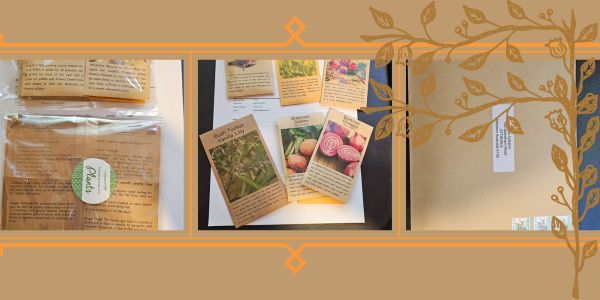
Not only are our seeds packed in recycled paper envelopes, we keep the theme going when we post out website orders. To protect your seeds from moisture and the letter box munchers (snails), we use a very special plastic free material made from plants. They are then put into recycled mailing envelopes. Green all the way 💚🌿
Delivery Guarantee
We take great care to make sure your seeds arrive safely. If your order is lost or damaged in transit, we’ll happily send a replacement. Unfortunately, we can’t replace or refund orders that arrive later than the estimated delivery date, as delays can sometimes occur that are outside our control.
Please note that all dispatch and delivery times listed are estimates only. While we do our best to post promptly, delivery timeframes can vary due to postal service delays, weather events, or other unforeseen circumstances. We’re unable to take responsibility for any loss, damage, or cost that results from a late delivery.
An order is not considered missing until at least 20 business days have passed from the postage date. You’ll receive an email once your seeds have been posted, letting you know they’re on their way. If you don’t see it in your main inbox, please check your Spam or Promotions folders as sometimes our emails like to hide there.
Reviews
There are no reviews yet