The Queen of Eggplants
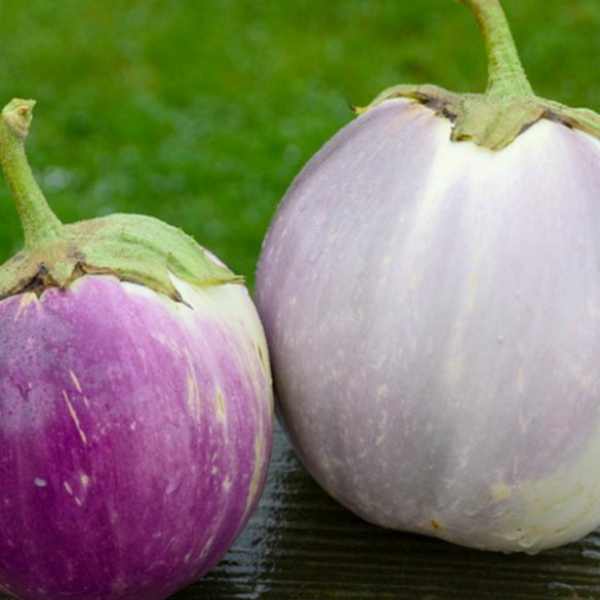
Among the prettiest eggplants you can grow, Rosa Bianca is a true showstopper in the garden and on the plate. This beloved Italian heirloom is known for its plump, round fruit that blushes with soft lavender pink against a creamy white background. It’s a variety that practically invites admiration, often sparking questions from visitors wandering through the veg patch.
🍽️ All Flavour, No Bitterness
This heirloom variety is celebrated for its buttery-soft flesh, delicate flavour, and total lack of bitterness even when grown in challenging conditions. That’s why it’s a favourite with chefs, home cooks, and vegetable connoisseurs alike. You get all the silky richness of eggplant with none of the sharpness.
It is ideal for just about any dish where eggplant is the star. It’s the kind of eggplant that doesn’t need heavy seasoning or long salting rituals to “fix” it as it simply tastes good straight from the plant, especially when picked young and still glossy.
In flavour, Rosa Bianca is milder and sweeter than the darker varieties. Some folks say it has a slight creamy nuttiness, almost like a cross between zucchini and avocado in texture once cooked. It holds its shape beautifully when roasted, but is soft enough to melt into sauces or mash for dips.
🍆 Culinary Possibilities
Think beyond just eggplant parmigiana, though it does make a fantastic one! Rosa Bianca’s gentle flavour pairs beautifully with garlic, basil, oregano, tomato, and cheese, making it a natural fit for Mediterranean cuisine.
Here are a few ways it shines in the kitchen:
- Grilled in thick slices with olive oil and lemon zest—no need to peel.
- Baked whole or halved, stuffed with spiced lentils, lamb mince, or herbed rice.
- Fried in rounds for classic eggplant fritters or layered into lasagne.
- Cubed and tossed into curries or tagines, where it soaks up flavour like a sponge.
- Blended into dips like baba ghanoush, where its creaminess really stands out.
Its tender, almost melt-in-the-mouth flesh makes it especially lovely for dishes that might otherwise feel heavy or oily when made with denser varieties. You can slice and pan-fry it in a splash of oil and it’ll brown up beautifully without turning leathery or bitter.
🌿 Growing Rosa Bianca: A Warm-Weather Investment
Eggplants are heat lovers, more so than tomatoes, so they need a long, warm growing season to really hit their stride. They’re a bit of a slow burner, but if you can provide the warmth, they’ll reward you with generous harvests of delicious fruit.
In frost-free areas, eggplants like this can even be grown as short-lived perennials. Their stiff, slightly woody stems will support multiple flushes of fruit across seasons, though they’ll need a little help in the form of sturdy staking to carry the weight of their heavy globes.
🌱 When & How to Sow (Germination Tips)
For most Australian climates, sow seeds from September through January. If you’re in the tropics, you’ve got a different window—May to July is your best bet.
Now, a heads-up for cool climate growers: Rosa Bianca can be a bit tricky without sustained heat. If you’re determined (and I know some of you are!), get a head start by sowing seeds indoors early. Use a heat mat if you’ve got one—eggplant seed loves a consistent 24–28°C to germinate happily.
Here’s how I like to do it:
- Soak the seeds in warm water for an hour before sowing.
- Use a quality seed-raising mix in small trays or modules.
- Provide gentle warmth from beneath and good airflow above.
- Expect germination to take anywhere from 10–21 days, depending on temperature.
- Once the seedlings are 5 cm tall, pot them up individually into 10 cm pots using a rich potting mix, and begin weekly liquid feeding.
They’ll need 8 to 10 weeks to reach transplanting size, so plan ahead and don’t rush them into the garden until nighttime temps stay reliably above 12°C. If you’re not sure, cloches or row covers will help bridge the gap.
🌞 Getting Them in the Ground
Choose your sunniest, hottest spot, eggplants thrive in the kind of heat that would make a tomato start wilting. Add plenty of compost or well-rotted manure to the soil to ensure fertility and drainage. These are hungry plants, and they appreciate being spoiled.
Staggering your planting (if you’re sowing in succession) can extend your harvest window too. And if you want to give your plants a head start in cooler regions, laying black plastic or weed mat over the soil before planting can help warm it up.
🌸 Growing On & Harvesting
From transplanting to first harvest, allow about 12 weeks—though it can vary depending on conditions. Once flowering begins, keep an eye out. Picking fruit promptly is the best way to keep your plant productive and healthy.
Because the fruit can get quite heavy, especially in a flush, it’s worth tying your plants to a strong stake to stop them toppling over in high winds or under their own weight.
Pick fruit when they’re still small and glossy—around 10–15 cm long is ideal. At this stage, the flesh is at its most tender and the seeds haven’t had a chance to toughen up. If the skin starts to dull or the fruit grows too large, you’ve likely waited too long.
🍆 Why Grow Rosa Bianca?
Yes, she takes a bit more patience than your average eggplant, but Rosa Bianca pays it back in spades. The flesh is creamy and low in seeds, making it perfect for all sorts of Mediterranean-style dishes—think smoky baba ghanoush, or just grilled slices with olive oil, lemon, and herbs.
But one of my favourite ways to serve it? Stuffed. Slice it in half, scoop out the centre, and fill with garlicky sausage stuffing—maybe some breadcrumbs, pecorino, a few herbs—and bake until golden. It’s the kind of dish that makes you proud you grew it yourself.
🌼 In the end, growing Rosa Bianca is a little like growing your confidence as a gardener. It asks for care, patience, and the willingness to stretch your skills a bit. But the reward? A beautiful, productive plant that brings flavour, colour, and old-world charm to the garden.