


Cucumber African Horned
$4.95
Cucumis Metuliferus
- Seed Count 30
- Unusual Addition To The Veggie Patch
- Annual
In stock
Description
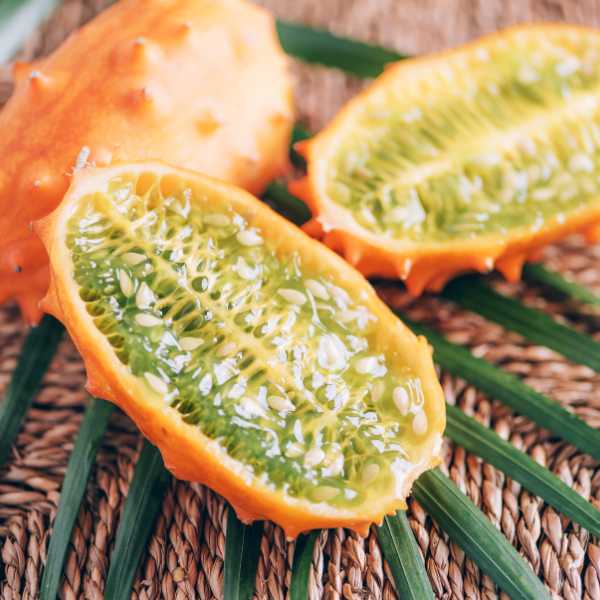
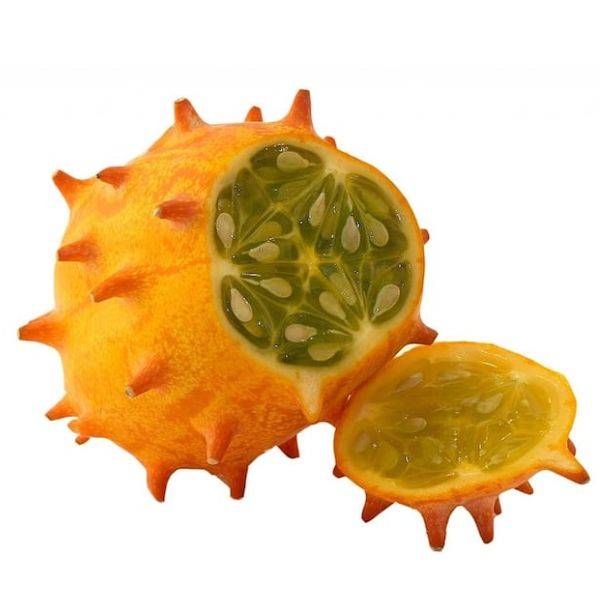
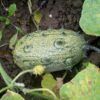
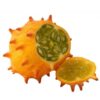
The African Cucumber, often called the Horned Melon or Kiwano, with its spiky, orange-yellow skin and bright green, jelly-like flesh, it looks like something from another world. Yet this striking fruit is a real conversation starter in any garden, and once you grow it, you quickly understand why it has found fans among gardeners and chefs alike.
Originally from southern Africa, the African Cucumber is a tough and resilient climber that thrives in hot, dry conditions where other crops might struggle. It has adapted perfectly to the harsh, sunbaked landscapes of its homeland, developing thick-skinned fruits that store water and resist spoilage. That same hardiness makes it a great choice for Australian gardeners, especially in regions where summer heat and dry spells can make growing tender crops a challenge. Once it gets going, it can handle tough conditions without complaint.
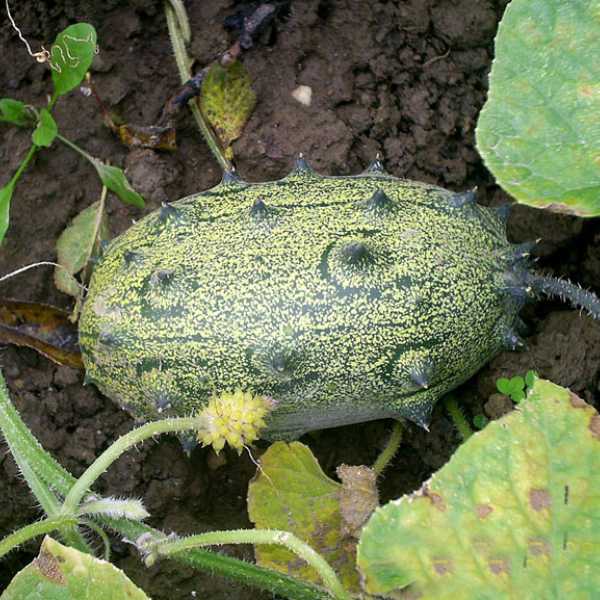
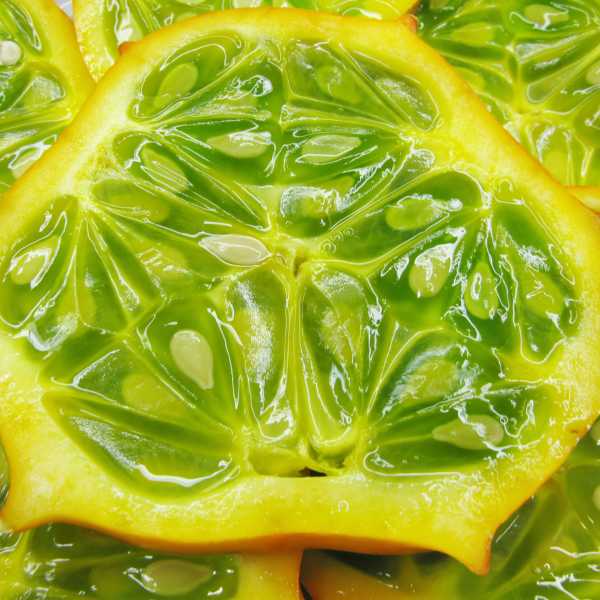
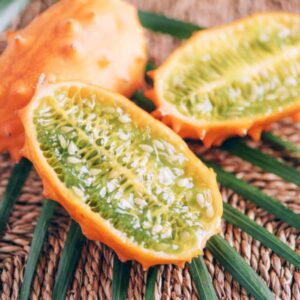
The fruit itself is something special. When young, it starts off a soft green, dotted with small, sharp spines. As it ripens, the skin turns a deep, golden orange, and those spikes harden into its signature “horns.” Inside, the flesh is a vivid emerald green, filled with small edible seeds suspended in a refreshing, jelly-like pulp. The flavour is surprisingly subtle—something between banana, lime, and cucumber, with a hint of kiwi. Some describe it as sweet and tart at the same time, others as mild and cooling. It’s one of those fruits that defies easy comparison but always invites you back for another taste.
In the kitchen, the African Cucumber is full of possibilities. The soft, juicy interior can be scooped straight from the shell and eaten fresh, chilled, or sprinkled with a little sugar to enhance its tropical sweetness. It’s beautiful in fruit salads, adds a pop of colour to savoury dishes, and makes a refreshing garnish for cocktails or desserts. In some parts of Africa, it’s eaten as a thirst-quencher in the heat of summer, while in gourmet kitchens around the world, it’s prized for its exotic appearance and unique texture. The outer shell, once emptied, can even be used as a decorative serving bowl—nature’s own tableware.
What makes the African Cucumber so appealing in the garden is that it is both ornamental and edible. As the vines spread and climb, they produce a lush green canopy dotted with yellow blossoms. Before long, the fruits appear like small, prickly ornaments hanging among the leaves. When they mature and turn bright orange, they add an unexpected splash of colour to the garden. Even if you never picked a single one to eat, you’d find them a striking feature plant that draws attention wherever it grows.
The plant is a vigorous climber, happiest when given space to roam or something to scramble over—whether that’s a fence, trellis, or an old garden arch. It has a sprawling habit similar to cucumbers and pumpkins, and a single plant can produce quite a few fruits if the weather stays warm and the soil is well fed. While it looks exotic, it’s no more demanding than an ordinary cucumber. In fact, it’s often easier, as it tolerates dry conditions and poor soil better than most of its relatives.
Because it’s a member of the cucumber family, the African Cucumber fits easily into a vegetable patch. It pairs well with sun-loving companions such as tomatoes, capsicums and beans, which all share a taste for warm weather and open sunshine. In mixed plantings, it adds a bit of the unusual, while still contributing to a productive, useful space. Gardeners who enjoy growing heirloom or heritage varieties often fall in love with it because it’s so distinct from the common green cucumbers we see in shops.
The fruit also stores well. Once picked, it can last for several weeks at room temperature, thanks to its thick skin and natural resistance to spoilage. That makes it handy for gardeners who like to extend their harvest and avoid waste. You can pick them as they ripen and enjoy them slowly over time, rather than all at once. They don’t need refrigeration unless already cut, and they add a cheerful splash of colour to a kitchen bench while they wait to be eaten.
Children especially love African Cucumbers because of their unusual look and fun shape. The prickly skins and bright colours make them a talking point, and cutting one open to reveal the vivid green inside never fails to get a reaction. For families, it’s a wonderful plant to grow with kids who are learning about different foods and world cultures. It’s something they can help harvest and eat straight from the vine, which always makes gardening more memorable.
| Method: Sow direct | Soil Temp: 16°C - 35°C |
| Cool Mountain: Oct - Dec | Position: Full sun |
| Arid: Aug - Feb | Row Spacing: 60 cm |
| Temperate: Aug - Feb | Planting Depth: 5mm |
| Sub Tropical: Aug - Mar | Harvest: 60 Days |
| Tropical: Apr - Aug | Plant Height: 2 m trailing |
🥒 Growing Cucumber from Seed in Australia
Cucumbers are warm-season climbers (or sprawlers, if you let them!) that love sunshine and rich soil. With just a little care, you can be picking fresh cukes straight from the vine in no time.
🌱 Sowing: In Trays vs. Direct
From Trays:
Starting in trays is ideal if your soil is still a bit cool, or you want a head start. Use biodegradable pots (like coir or peat) so you can plant the whole thing—cucumbers don’t like root disturbance.
- When: In most of Australia, start indoors in early spring (August–September) and transplant out after the last frost.
- How: Sow seeds 1–2cm deep in quality seed raising mix. Keep them warm (above 20°C) and moist but not soggy. Germination takes 5–10 days.
Direct Sowing:
Once the soil has warmed up to at least 18–20°C, you can sow directly outdoors. This usually means mid-spring to early summer, depending on your region.
- How: Sow 2–3 seeds per mound, 1–2cm deep. Thin to the strongest seedling after germination.
🌼 Tip: In cooler areas, use a cloche or row cover to warm the soil for a faster start.
🌞 Soil & Position
Cucumbers are heavy feeders and need rich, well-draining soil with plenty of organic matter.
- Ideal pH: 6.0–6.8
- Sunlight: Full sun—at least 6 hours a day.
- Soil Prep: Mix compost, aged manure, and a little pelletised organic fertiliser into the soil. A raised mound or bed works well to improve drainage.
🌿 Cucumbers love warmth, so choose the sunniest, most sheltered spot in your garden.
🌿 Care & Maintenance
- Watering: Keep soil consistently moist, especially once fruit sets. Avoid wetting the leaves to prevent mildew.
- Feeding: Side-dress with compost or a seaweed-based liquid fertiliser every 2–3 weeks during flowering and fruiting.
- Support: Trellis your plants if you can—it saves space, keeps fruit cleaner, and improves air flow.
- Mulch: Add straw or sugarcane mulch to retain moisture and reduce weeds.
🌼 Companion Planting
Cucumbers are friendly little growers and do well with:
| Good Neighbours | Why They Help |
|---|---|
| Nasturtium | Attracts aphids away from cucumbers |
| Dill & Coriander | Attracts pollinators & predators |
| Beans & Peas | Fix nitrogen in the soil |
| Corn | Offers natural trellising support |
🚫 Avoid planting near potatoes and strong aromatic herbs like sage—they can inhibit cucumber growth.
🧺 Harvesting
- When to Harvest: Pick when firm, green, and about 15–20cm long (depending on variety).
- How to Harvest: Use secateurs or scissors to cut, rather than twisting, to avoid damaging the vine.
- How Often: Check daily—cukes grow fast and can turn seedy if left too long!
🌼 The more you pick, the more your plant will produce!
🐛 Common Issues & Fixes
| Problem | Cause | Fix |
|---|---|---|
| Powdery mildew | Humid conditions, poor airflow | Improve spacing, use milk spray |
| Yellowing leaves | Overwatering, nutrient deficiency | Check soil drainage, feed with compost tea |
| Misshapen fruit | Poor pollination | Hand-pollinate or attract more bees |
| Bitter fruit | Irregular watering, heat stress | Keep water consistent, mulch well |
🌸 Seed Saving Guide
Cucumbers cross-pollinate easily, so for true-to-type seed saving:
- Isolate one variety by at least 800m (or grow only one type).
- Let a few fruits mature fully on the vine—they’ll turn yellow and puffy.
- Harvest and scoop out seeds into a jar with water.
- Ferment 2–3 days to remove the gel coating (stir daily).
- Rinse and dry thoroughly on paper towel or mesh.
- Store in a labelled envelope in a cool, dry place. Viable for 5+ years.
🌼 Always save seeds from the healthiest plants for strong future crops.
🌿 Final Thoughts
Cucumbers are one of those garden delights that just keep on giving—fast-growing, rewarding, and so versatile in the kitchen. Whether you’re after crunchy salad varieties or petite pickling types, once they get going, they’re hard to stop.
🌞 A warm bed, regular water, and a little climbing support are the recipe for a summer full of cucumbers. And if it all goes a bit wild? That’s okay—it’s all part of the learning!
4 reviews for Cucumber African Horned
| 5 star | 75% | |
| 4 star | 0% | |
| 3 star | 25% | |
| 2 star | 0% | |
| 1 star | 0% |

Postage Charge
Orders under $35 attract a $4.95 shipping charge. Orders $35 and above have free shipping.
Order Times
Seed orders are normally dispatched within three business days. You will receive an email when seeds are mailed out.
Postage Days
Seeds are mailed out Tuesday to Friday at 1pm. Except for the Friday of long weekends.
Postage Times
WA 2-3 Days: SA,NT 3-5 Days: NSW, ACT, QLD, VIC: 5-7 Days
Carrier
We use Australia Post Letter Postage for the majority of orders
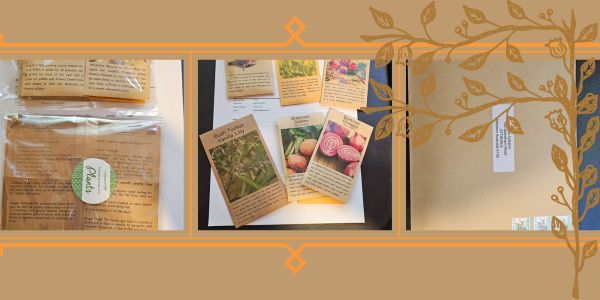
Not only are our seeds packed in recycled paper envelopes, we keep the theme going when we post out website orders. To protect your seeds from moisture and the letter box munchers (snails), we use a very special plastic free material made from plants. They are then put into recycled mailing envelopes. Green all the way 💚🌿
Delivery Guarantee
We take great care to make sure your seeds arrive safely. If your order is lost or damaged in transit, we’ll happily send a replacement. Unfortunately, we can’t replace or refund orders that arrive later than the estimated delivery date, as delays can sometimes occur that are outside our control.
Please note that all dispatch and delivery times listed are estimates only. While we do our best to post promptly, delivery timeframes can vary due to postal service delays, weather events, or other unforeseen circumstances. We’re unable to take responsibility for any loss, damage, or cost that results from a late delivery.
An order is not considered missing until at least 20 business days have passed from the postage date. You’ll receive an email once your seeds have been posted, letting you know they’re on their way. If you don’t see it in your main inbox, please check your Spam or Promotions folders as sometimes our emails like to hide there.
See all our verified customer reviews on our official CusRev profile.
See all our verified customer reviews on our official CusRev profile.
I have not planted this yet.
See all our verified customer reviews on our official CusRev profile.
See all our verified customer reviews on our official CusRev profile.