


Cucumber National Pickler
$4.95
Cucumis Sativa
- Seed Count 30
- Good Disease Resistance
- Annual
In stock
Description
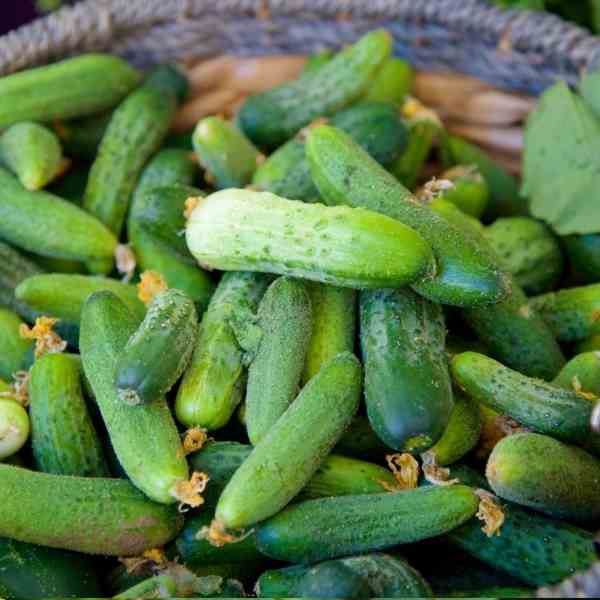
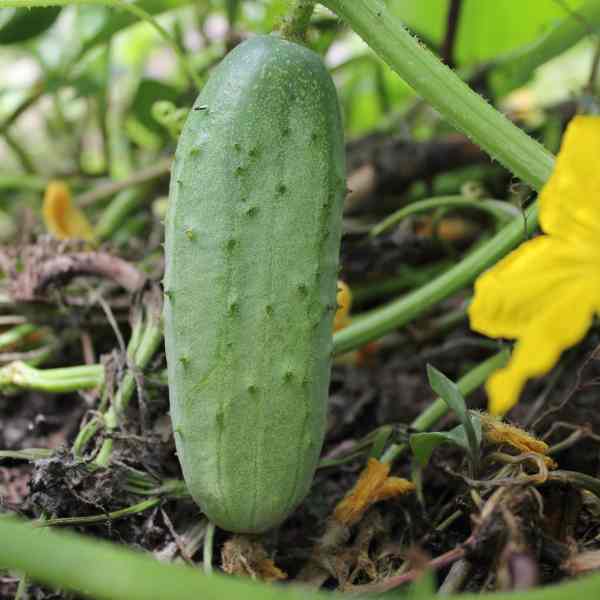
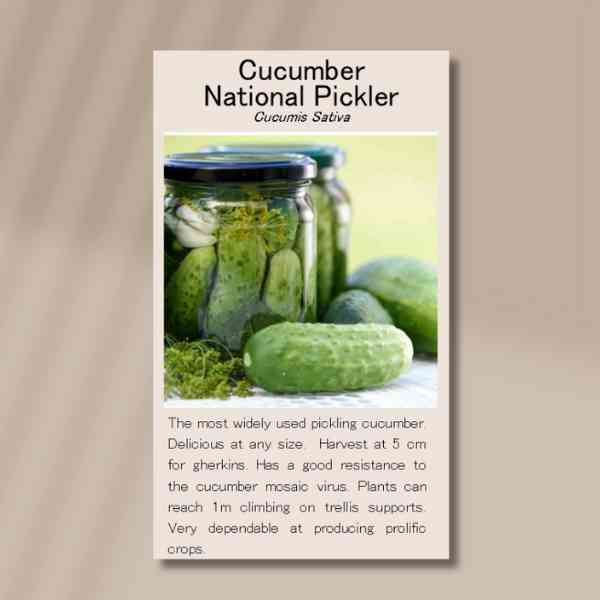
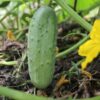
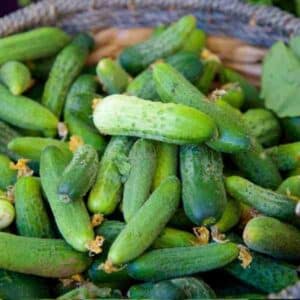
Cucumber National Pickler produces fruits that are just the right size and shape for pickling, it is the kind of cucumber that makes itself useful in every kitchen. The fruits are small to medium in size, usually reaching ten to fifteen cms in length, with a plump shape and a smooth yet slightly textured skin.
The plants themselves are compact and manageable with a more contained growth habit compared to some of the sprawling cucumber varieties. At the same time, it is a generous cropper, producing plenty of fruit from a small number of plants. The steady yield means you are not overwhelmed all at once, but rather supplied with a continuous harvest that can be used for daily meals or saved for preserving projects.
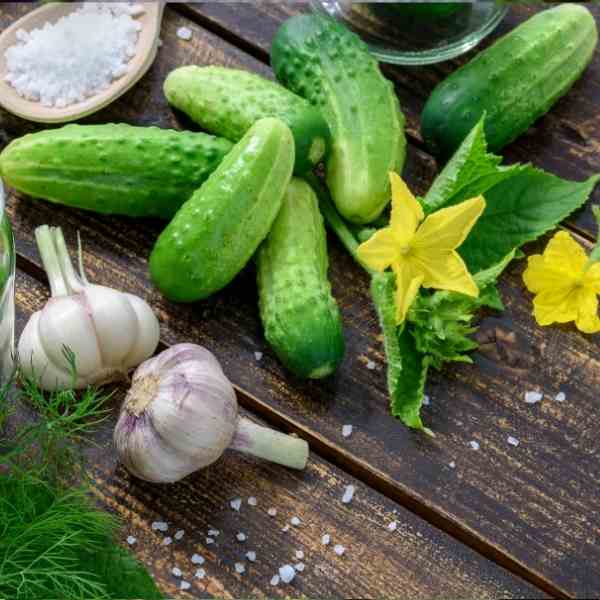
Another strength of this cucumber is its versatility. While the name National Pickler suggests that its primary use is for pickling, it is far from being a single-purpose variety. Its crisp texture and fresh flavour make it excellent for eating raw, and its smaller size is convenient for lunchboxes and snacks. They can be added to yoghurt-based dips, blended into cold soups, or simply sliced alongside tomatoes and herbs for a refreshing summer salad. Their ability to work across so many recipes is one of the reasons this cucumber has remained so popular with home cooks.
In terms of appearance, the fruits are a bright, lively green, sometimes shading to a slightly lighter tone at the tips. Their skin is firm but not too thick, with just enough texture to give them character. When harvested at the right stage, they are plump and attractive, looking exactly as a cucumber should.
| Method: Sow direct | Soil Temp: 16°C - 35°C |
| Cool Mountain: Oct - Dec | Position: Full sun |
| Arid: Aug - Feb | Row Spacing: 60 cm |
| Temperate: Aug - Feb | Planting Depth: 5mm |
| Sub Tropical: Aug - Mar | Harvest: 60 Days |
| Tropical: Apr - Aug | Plant Height: 2 m trailing |
🥒 Growing Cucumber from Seed in Australia
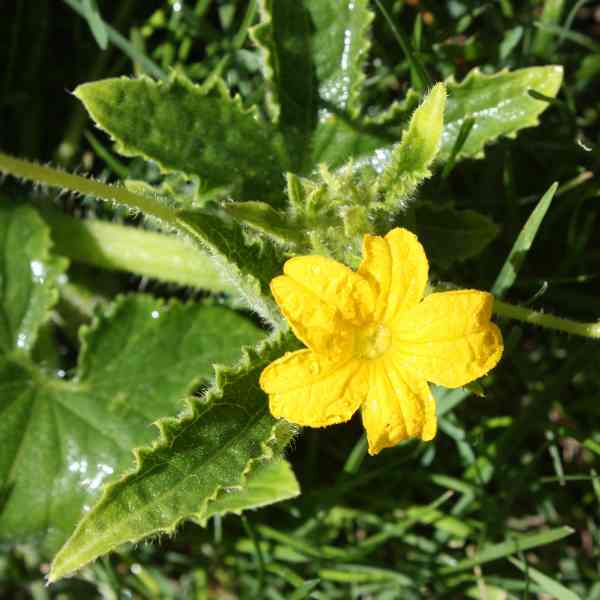
Cucumbers are warm-season climbers (or sprawlers, if you let them!) that love sunshine and rich soil. With just a little care, you can be picking fresh cukes straight from the vine in no time.
🌱 Sowing: In Trays vs. Direct
From Trays:
Starting in trays is ideal if your soil is still a bit cool, or you want a head start. Use biodegradable pots (like coir or peat) so you can plant the whole thing—cucumbers don’t like root disturbance.
- When: In most of Australia, start indoors in early spring (August–September) and transplant out after the last frost.
- How: Sow seeds 1–2cm deep in quality seed raising mix. Keep them warm (above 20°C) and moist but not soggy. Germination takes 5–10 days.
Direct Sowing:
Once the soil has warmed up to at least 18–20°C, you can sow directly outdoors. This usually means mid-spring to early summer, depending on your region.
- How: Sow 2–3 seeds per mound, 1–2cm deep. Thin to the strongest seedling after germination.
🌼 Tip: In cooler areas, use a cloche or row cover to warm the soil for a faster start.
🌞 Soil & Position
Cucumbers are heavy feeders and need rich, well-draining soil with plenty of organic matter.
- Ideal pH: 6.0–6.8
- Sunlight: Full sun—at least 6 hours a day.
- Soil Prep: Mix compost, aged manure, and a little pelletised organic fertiliser into the soil. A raised mound or bed works well to improve drainage.
🌿 Cucumbers love warmth, so choose the sunniest, most sheltered spot in your garden.
🌿 Care & Maintenance
- Watering: Keep soil consistently moist, especially once fruit sets. Avoid wetting the leaves to prevent mildew.
- Feeding: Side-dress with compost or a seaweed-based liquid fertiliser every 2–3 weeks during flowering and fruiting.
- Support: Trellis your plants if you can—it saves space, keeps fruit cleaner, and improves air flow.
- Mulch: Add straw or sugarcane mulch to retain moisture and reduce weeds.
🌼 Companion Planting
Cucumbers are friendly little growers and do well with:
| Good Neighbours | Why They Help |
|---|---|
| Nasturtium | Attracts aphids away from cucumbers |
| Dill & Coriander | Attracts pollinators & predators |
| Beans & Peas | Fix nitrogen in the soil |
| Corn | Offers natural trellising support |
🚫 Avoid planting near potatoes and strong aromatic herbs like sage—they can inhibit cucumber growth.
🧺 Harvesting
- When to Harvest: Pick when firm, green, and about 15–20cm long (depending on variety).
- How to Harvest: Use secateurs or scissors to cut, rather than twisting, to avoid damaging the vine.
- How Often: Check daily—cukes grow fast and can turn seedy if left too long!
🌼 The more you pick, the more your plant will produce!
🐛 Common Issues & Fixes
| Problem | Cause | Fix |
|---|---|---|
| Powdery mildew | Humid conditions, poor airflow | Improve spacing, use milk spray |
| Yellowing leaves | Overwatering, nutrient deficiency | Check soil drainage, feed with compost tea |
| Misshapen fruit | Poor pollination | Hand-pollinate or attract more bees |
| Bitter fruit | Irregular watering, heat stress | Keep water consistent, mulch well |
🌸 Seed Saving Guide
Cucumbers cross-pollinate easily, so for true-to-type seed saving:
- Isolate one variety by at least 800m (or grow only one type).
- Let a few fruits mature fully on the vine—they’ll turn yellow and puffy.
- Harvest and scoop out seeds into a jar with water.
- Ferment 2–3 days to remove the gel coating (stir daily).
- Rinse and dry thoroughly on paper towel or mesh.
- Store in a labelled envelope in a cool, dry place. Viable for 5+ years.
🌼 Always save seeds from the healthiest plants for strong future crops.
🌿 Final Thoughts
Cucumbers are one of those garden delights that just keep on giving—fast-growing, rewarding, and so versatile in the kitchen. Whether you’re after crunchy salad varieties or petite pickling types, once they get going, they’re hard to stop.
🌞 A warm bed, regular water, and a little climbing support are the recipe for a summer full of cucumbers. And if it all goes a bit wild? That’s okay—it’s all part of the learning!

Postage Charge
Orders under $35 attract a $4.95 shipping charge. Orders $35 and above have free shipping.
Order Times
Seed orders are normally dispatched within three business days. You will receive an email when seeds are mailed out.
Postage Days
Seeds are mailed out Tuesday to Friday at 1pm. Except for the Friday of long weekends.
Postage Times
WA 2-3 Days: SA,NT 3-5 Days: NSW, ACT, QLD, VIC: 5-7 Days
Carrier
We use Australia Post Letter Postage for the majority of orders
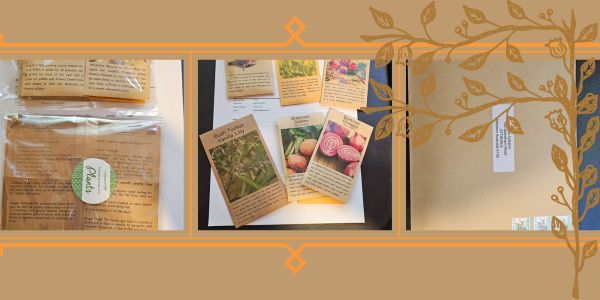
Not only are our seeds packed in recycled paper envelopes, we keep the theme going when we post out website orders. To protect your seeds from moisture and the letter box munchers (snails), we use a very special plastic free material made from plants. They are then put into recycled mailing envelopes. Green all the way 💚🌿
Delivery Guarantee
We take great care to make sure your seeds arrive safely. If your order is lost or damaged in transit, we’ll happily send a replacement. Unfortunately, we can’t replace or refund orders that arrive later than the estimated delivery date, as delays can sometimes occur that are outside our control.
Please note that all dispatch and delivery times listed are estimates only. While we do our best to post promptly, delivery timeframes can vary due to postal service delays, weather events, or other unforeseen circumstances. We’re unable to take responsibility for any loss, damage, or cost that results from a late delivery.
An order is not considered missing until at least 20 business days have passed from the postage date. You’ll receive an email once your seeds have been posted, letting you know they’re on their way. If you don’t see it in your main inbox, please check your Spam or Promotions folders as sometimes our emails like to hide there.
Reviews
There are no reviews yet