Lovage – An Unknown Treasure
🌿 Discovering Lovage: The Secret Herb Every Gardener Should Grow
There’s something deeply satisfying about growing herbs that you can’t just pick up from the supermarket shelf. Sure, everyone loves a good bunch of basil or a handful of flat-leaf parsley, but once you’ve had a taste of the lesser-known herbs, the ones with personality and a bit of mystery, there’s no going back.
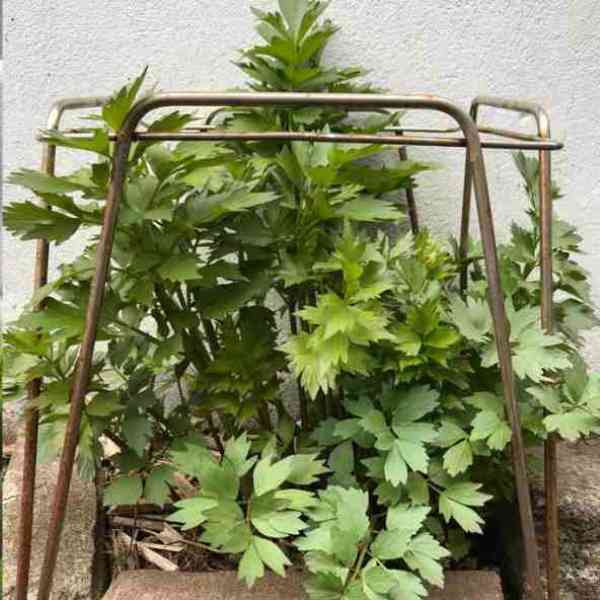
One of my all-time favourites in this category is lovage (Levisticum officinale). It’s old-fashioned, highly aromatic, and as versatile as any herb you’ll grow. It looks a bit like celery, smells a little like parsley, and tastes like something in between the two, only stronger, bolder, and far more intriguing.
If you’ve never grown lovage before, you’re in for a treat. This plant doesn’t just sit quietly in the corner of your garden. It makes itself known. Tall, lush, and beautifully green, it’s a herb with presence, both in the garden and on the plate.
🌱 Meet Lovage: The Old-World Herb With Big Personality
Lovage is a hardy perennial, which means once you’ve got it established, it’ll come back year after year with very little fuss. In the right conditions, it can grow up to 2 metres tall and about 1 metre wide, quite the statement piece for a herb garden.
Its leaves look a bit like giant parsley, with a deep green colour and a glossy sheen that catches the light. The stems are hollow and slightly ribbed, resembling celery, and in midsummer, you might spot clusters of yellow-green flowers that look a little like dill or fennel blossoms.
What really sets lovage apart is its flavour. It’s strong and savoury, like celery and parsley had a child, then sprinkled in a whisper of fennel and lemon. Used sparingly, it’s absolutely divine in soups, stews, and sauces. Overdo it, and it can take over a dish. Think of it as the anchovy of the herb world. A little goes a long way.
🪴 Growing Lovage from Seed
One of the best parts about lovage is how easy it is to grow from seed. Once it’s up and running, it’s a real low-maintenance garden companion.
Here’s how to get started.
🌤 When to Sow
In most Australian climates, you can start lovage from seed in early spring when the soil begins to warm. The seeds like a steady temperature of around 15°C for reliable germination.
If you live in a cooler region, start your seeds indoors or in a greenhouse to give them a head start.
🌱 How to Sow
- Fill trays or small pots with a good-quality seed raising mix.
- Sprinkle the seeds lightly on top and cover with a fine layer of soil, about 5 mm deep.
- Water gently, keeping the soil moist but never soggy.
- Germination usually takes 10–14 days, so be patient and keep your trays somewhere bright but not in direct sun.
Once the seedlings reach about 10 cm tall, it’s time to transplant them into the garden.
🌿 Where to Plant
Choose a spot in full sun or partial shade with rich, well-drained soil. Lovage appreciates a bit of compost or aged manure dug in before planting, as it’s a hungry herb and rewards you for good soil.
Space each plant at least 60 cm apart, as they’ll grow large and leafy over time.
🌻 Caring for Lovage
Lovage doesn’t need much once it’s settled in, but a little care will keep it looking lush and productive for years.
💧 Watering
Keep the soil evenly moist, especially during the growing season. In summer heat, a good mulch around the base will help retain moisture and keep the roots cool.
✂️ Pruning and Maintenance
Lovage has a natural tendency to get tall and leggy if left alone. To keep it in check:
- Prune regularly to encourage fresh, tender leaves.
- Remove flower buds as soon as they appear unless you want to collect seeds. Once the plant flowers, the leaves can become bitter.
- Every few years, divide the roots in early spring or autumn to rejuvenate the plant and share it with friends.
In colder climates, lovage will die back in winter, but don’t worry. The roots are hardy and come spring, it’ll shoot up again stronger than ever.
🐛 Common Problems (and How to Handle Them)
Lovage is a tough customer and doesn’t often attract serious pests, but every garden has its visitors.
The two main troublemakers are:
- Leaf miners. These little pests tunnel inside the leaves, leaving pale trails. Simply remove and dispose of any affected leaves to stop them spreading.
- Aphids. You might spot clusters on new growth. A quick blast with a hose or a mild insecticidal soap usually does the trick.
Other than that, lovage tends to look after itself. Once established, it’s resilient, and even if pests nibble a bit, it will bounce back quickly.
🧑🍳 In the Kitchen with Lovage
Here’s where the fun really begins. Lovage is one of those herbs that chefs quietly adore. It’s bold, complex, and incredibly versatile. You can use almost every part of the plant: leaves, stems, roots, and even seeds.
Let’s break it down.
🌿 Leaves
The young leaves are tender and delicious raw. Chop them finely and toss them through potato salad, sprinkle over roasted vegetables, or stir into scrambled eggs.
The older leaves have a stronger flavour and are best cooked. Try them wilted like spinach or added to soups and stews for a rich, aromatic kick.
🥬 Stems
The hollow stems make an eye-catching garnish or can be chopped and sautéed as part of a base for stocks and sauces.
🌰 Seeds
When the flowers dry out, you’ll find clusters of small brown lovage seeds. Crush them lightly to release their aroma. They’re perfect sprinkled on homemade bread before baking, or added to crackers, pickles, or salad dressings.
They taste a bit like celery seed, but warmer and slightly nutty, with hints of anise.
🍲 Recipe: Lovage Pesto
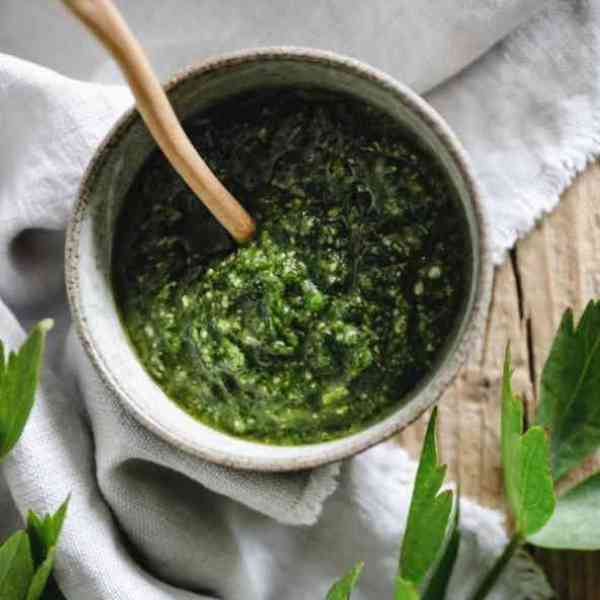
When you love pesto; but your basil is tiny and overused but your lovage plant is almost 6ft tall and super lush?! Lovage pesto it is!
🧺Ingredients
A large bundle of lovage
50-100ml good olive oil
50g pine nuts or any other nuts (walnuts or hazelnuts are lovely)50g Parmesan
A pinch of salt
Optional: a clove of garlic and a squeeze of lemon juice
👩🍳 Method
👉🏻 Blitz everything together in a food processor and keep adding oil if required until you get your desired texture
👉🏻 Store in clean jars in a fridge for up to a week
👉🏻 Storage tip – if you’d like to store the pesto for longer, make sure the top of the jar is really clean an pour 0.5cm olive oil on the top, then seal tight and store in the fridge. In my experience this way you can store pesto for several weeks and it stays pretty fresh.
Dinner sorted too (pasta, pesto, Parmesan) 👌🏻🌿🌱
🥖 Other Delicious Ways to Use Lovage
Once you start cooking with lovage, you’ll find it popping up everywhere. Try these ideas:
- Lovage butter: Mash chopped lovage leaves into soft butter with a pinch of salt. Spread it on bread or melt it over grilled fish.
- Herb salt: Dry lovage leaves and crumble them into sea salt for a homemade seasoning that adds instant flavour to roasted veg or soups.
- Creamy Potato & Lovage Soup: A simple, comforting dish with a lovely old-fashioned charm. Feels both hearty and elegant
- Breads and crackers: Sprinkle crushed seeds on top before baking. The aroma that fills the kitchen is heavenly.
- Stock boost: Add a few leaves to homemade stock for a savoury depth that celery can’t quite match.
🌸 A Herb with History
Lovage has been around for centuries and was once a staple in medieval gardens. Monks grew it for both cooking and medicinal use, and it was believed to aid digestion and lift the spirits. In Roman times, it was considered a luxury herb, a sign of good taste and abundance.
Its name even hints at its reputation. “Lovage” comes from the Latin levisticum, and it was once called love-ache, the “ache” being an old word for parsley. Some believed it was an aphrodisiac, though whether that’s true or just garden folklore, we’ll never know.
🌞 Companion Planting and Garden Companions
In the garden, lovage is more than just a pretty face. Its tall stature and feathery leaves attract beneficial insects like ladybirds and parasitic wasps, which help control aphids and other pests.
It’s also a great companion for plants like tomatoes and potatoes, helping to improve their flavour and deter harmful insects. Just be mindful of its size and give it space so it doesn’t overshadow smaller herbs.
Plant lovage near the back of a herb border or beside perennials that can handle a bit of shade. Its height adds structure and visual interest, making it a lovely contrast to low-growing herbs like thyme or oregano.
🌾 Harvesting and Storing Lovage
You can start harvesting lovage once the plant is well established and has several sets of leaves. Snip off the outer leaves first, leaving the centre to continue growing.
To store:
- Fresh leaves: Keep them in a damp paper towel inside a container in the fridge.
- Drying: Hang small bunches upside down in a cool, airy place until crisp, then crumble and store in jars.
- Freezing: Chop leaves and freeze them in ice cube trays with a splash of water or olive oil for quick flavour bombs.
Lovage seeds can also be collected once they turn brown and dry on the plant. Shake them loose into a paper bag, store in airtight containers, and use throughout the year.
🧡 Why You’ll Love Lovage
Once you’ve grown lovage, it’s hard not to fall for it. It’s generous, undemanding, and full of flavour, a true kitchen garden classic that deserves a comeback.
It’s the sort of herb that makes you feel like you’ve got a secret up your sleeve. Something old-world and a bit gourmet. Whether you’re making soups, seasoning bread, or stirring up a batch of herby butter, lovage brings a depth and aroma that’s hard to describe but easy to love.
So if you’ve got a spare patch of garden and a curiosity for something different, plant a few lovage seeds this season. Give it time, give it space, and it’ll reward you with years of culinary adventure.
And who knows, in a few seasons, you might be the one handing a bunch of fresh lovage to a friend saying, “Here, you’ve got to try this one.”