
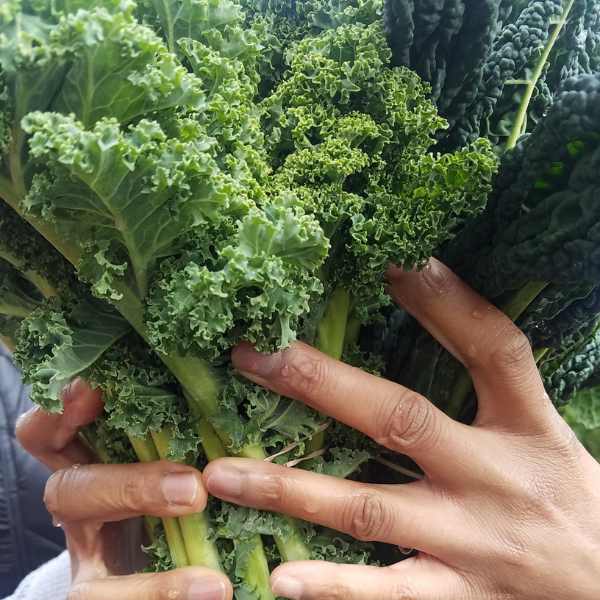

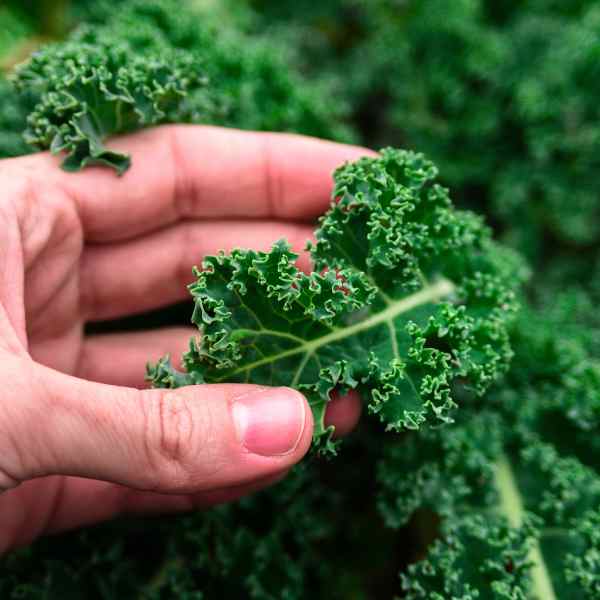
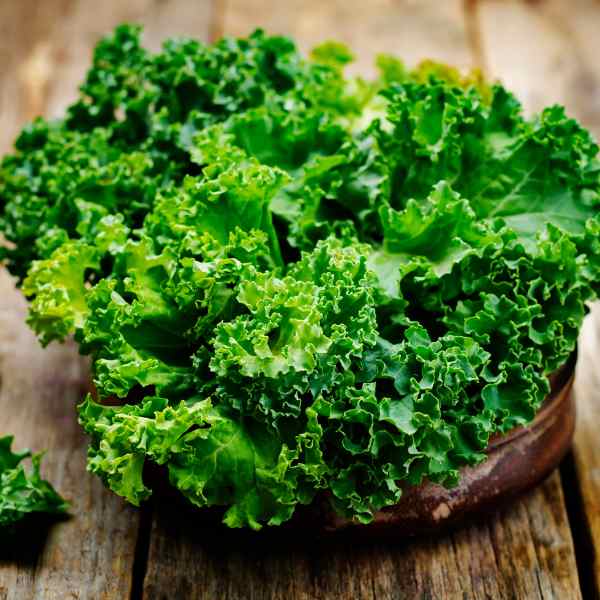
Kale Dwarf Siberian
$4.95
Brassica Oleracea
- Seed Count 350
- Cold Hardy
- Annual
Out of stock
Email when stock available
Description
Kale Dwarf Siberian originated in Russia and possesses blue-green, plume-like leaves with frilled edges. It is a compact plant, very hardy and prolific and able to withstand frosts. Has a sweet, mild flavour that is excellent both raw or cooked.
Kale is very easy to grow, and it is one of the least problematic and hardiest plants in the wide and varied Brassica tribe. It will tolerate poor soil conditions and is immune to most of the disease that trouble many Brassicas.
Although Kale can be planted at any time, its is better grown in the winter season through to spring as hot weather makes kale bitter. For the best results, choose an area with well-drained, loamy soil and select an area that will get full sun.
As a cut and come again crop you can start removing leaves when the plant is just 5cm high. The new leaves will continuously form. Avoid picking the terminal bud at the top center of the plant, as this will keep the plant productive.
| Method: Sow direct | Soil Temp: 8°C - 30°C |
| Cool Mountain: Jan - Apr | Position: Full sun |
| Arid: Mar - Jul | Row Spacing: 30cm apart |
| Temperate: Apr - Jul | Planting Depth: 5 mm |
| Sub Tropical: Mar - Jun | Harvest: 70 days |
| Tropical: Apr - Jul | Plant Height: 35cm |
Kale is one of those generous, forgiving veggies that just keeps giving—especially when it’s well looked after. Packed with nutrients, resilient in cooler weather, and versatile in the kitchen, kale is a brilliant addition to any Aussie veggie patch. Whether you’re tucking it between rows of garlic or giving it a bed of its own, kale rewards the effort tenfold.
🥬 Sowing from Trays vs. Direct Sowing
Kale is quite flexible when it comes to sowing, but choosing between starting in trays or sowing direct really depends on your climate and setup.
Sowing in Trays:
This is the most popular method in home gardens, especially in cooler regions or if you’ve got a short growing window. Sowing in trays means you can control the environment a little more—ideal for starting seeds early before the soil warms up or protecting young seedlings from pests like slugs.
- Sow 5mm deep into good quality seed-raising mix.
- Keep trays moist but not soggy.
- Transplant once seedlings have at least two sets of true leaves (around 3–4 weeks).
- Harden off before transplanting—this means popping them outside for a few hours each day for about a week to help them adjust.
Direct Sowing:
If you’re in a temperate or subtropical area with mild winters, direct sowing is absolutely fine. Kale seeds are hardy, and once they germinate, they get going fairly quickly.
- Sow directly where they are to grow, spacing seeds about 30–40cm apart.
- Thin seedlings once they’re a few inches tall.
- Watch out for early pest pressure—young kale can be irresistible to cabbage moths and slugs.
Is Seed Pre-treatment Needed?
No pre-treatment is needed for kale seeds. They’re quick to germinate—usually within 5 to 10 days depending on soil warmth—and don’t require scarification or soaking.
🌞 Soil and Position
Kale is happiest in well-drained, fertile soil rich in organic matter. Think compost, aged manure, worm castings—the more friable and nutrient-rich the better. It prefers a neutral to slightly alkaline pH (6.0–7.5), so if your soil tends towards acidic, a little garden lime before planting can help.
Position:
Full sun is ideal for winter crops in cooler zones, while in warmer climates, a bit of afternoon shade can prevent stress during the hotter months. That said, kale is quite cold-tolerant and can even taste sweeter after a light frost!
🌱 Care and Maintenance
Once your kale is in the ground, it’s pretty low fuss with just a few basics to keep in mind:
Watering
Consistent moisture is key—don’t let the soil dry out for long periods. A layer of mulch will help retain soil moisture and keep roots cool.
Feeding
Give your plants a boost every few weeks with a seaweed or fish emulsion tea. If leaves start looking pale or growth slows, a little blood and bone or liquid compost can perk things up.
Pruning
Pick outer leaves regularly to encourage new growth from the centre. This also keeps the plant tidy and less prone to disease.
🌼 Companion Planting Guide
Kale loves a good garden buddy! Pairing it with compatible plants helps reduce pests and maximise space.
| Good Companions | Why? |
|---|---|
| Garlic, onions, chives | Repel aphids and cabbage moths |
| Dill and chamomile | Attract beneficial insects |
| Beetroot, celery, spinach | Use space well and don’t compete for nutrients |
| Nasturtiums | Act as a decoy for aphids |
Avoid planting near:
- Other brassicas (broccoli, cabbage, cauliflower) in large clumps—this can attract pests in droves.
- Strawberries (they don’t play well together).
✂️ Harvesting
Kale is ready to harvest when the leaves are about hand-sized—around 7 to 9 weeks after sowing. Pick from the outside in, leaving the central crown intact to keep the plant producing. For baby leaves, you can start harvesting as early as 4 weeks.
In cooler regions, kale often keeps going through the winter. In warmer zones, it may start to bolt as spring temperatures rise.
🌟 Tip: Harvest in the early morning for the best flavour and texture. Kale leaves can be stored in the fridge for up to a week, or blanched and frozen for longer storage.
🐛 Common Issues and Fixes
Here’s a handy table of the usual suspects and how to handle them:
| Issue | Symptoms | Fix |
|---|---|---|
| Aphids | Clusters on new growth, curled leaves | Hose off, introduce ladybirds, spray with neem or soap solution |
| Cabbage moth caterpillars | Holes in leaves, green droppings | Use insect netting, handpick, or apply Dipel (a natural bacterial spray) |
| Powdery mildew | White powder on leaves | Improve air flow, avoid overhead watering, remove affected leaves |
| Bolting | Sudden flowering, tough leaves | Harvest regularly, grow in cooler months, choose bolt-resistant varieties |
🌾 Seed Saving Guide
Saving kale seed is a rewarding end-of-season activity, especially if you’re working with an open-pollinated heirloom variety.
Step-by-Step Seed Saving:
- Let it bolt: Allow a healthy plant to flower in its second year (kale is biennial). This usually happens as the weather warms.
- Pollination: Kale is insect-pollinated, so having bees and other pollinators around will help ensure good seed set.
- Wait for seed pods: After flowering, small green pods will form—these are the seed carriers.
- Drying: Wait until the pods turn brown and dry on the plant. Harvest just before they start splitting open.
- Collect and clean: Strip pods into a paper bag, let them dry fully, then shake and sift to remove chaff.
- Storage: Store seeds in a cool, dry, dark place. Properly saved, kale seeds will remain viable for up to 4–5 years.
Note: Brassicas readily cross-pollinate with others in the family, so only save seed if you’re growing one variety at a time or you’re isolating them by distance or barrier.
🌻 Final Thoughts
Kale is one of those classic cool-season crops that’s just as rewarding for beginners as it is for seasoned growers. It asks very little—some compost, a little water, and your company in the garden every now and then. And in return? It offers months of fresh greens, garden-to-kitchen nutrition, and the quiet satisfaction of self-sufficiency.
1 review for Kale Dwarf Siberian
| 5 star | 100% | |
| 4 star | 0% | |
| 3 star | 0% | |
| 2 star | 0% | |
| 1 star | 0% |
Postage Charge
Orders under $35 attract a $4.95 shipping charge. Orders $35 and above have free shipping.
Order Times
Seed orders are normally dispatched within three business days. You will receive an email when seeds are mailed out.
Postage Days
Seeds are mailed out Tuesday to Friday at 1pm. Except for the Friday of long weekends.
Postage Times
WA 2-3 Days: SA,NT 3-5 Days: NSW, ACT, QLD, VIC: 5-7 Days
Carrier
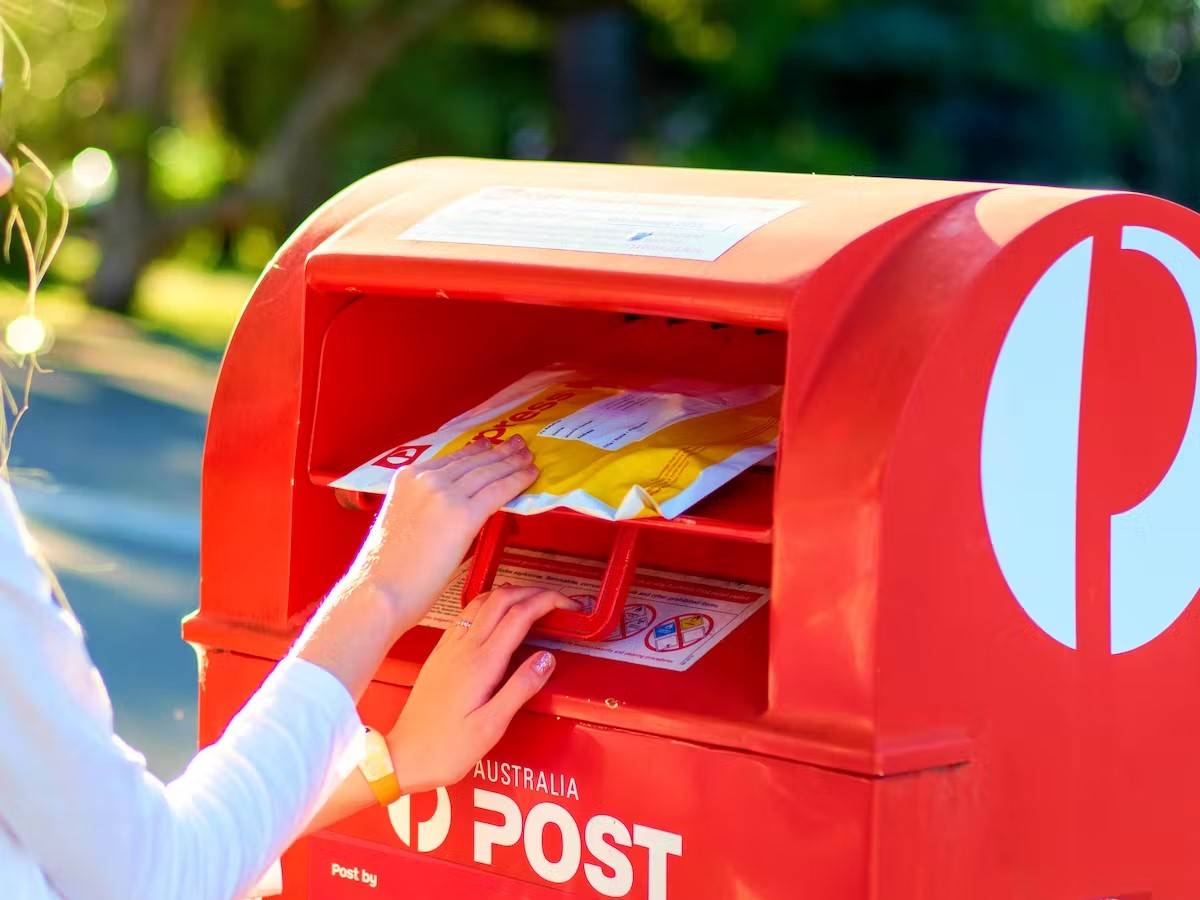
We use Australia Post Letter Postage for the majority of orders
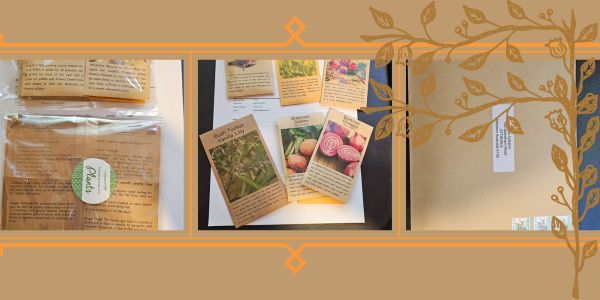
Not only are our seeds packed in recycled paper envelopes, we keep the theme going when we post out website orders. To protect your seeds from moisture and the letter box munchers (snails), we use a very special plastic free material made from plants. They are then put into recycled mailing envelopes. Green all the way 💚🌿
Delivery Guarantee
We take great care to make sure your seeds arrive safely. If your order is lost or damaged in transit, we’ll happily send a replacement. Unfortunately, we can’t replace or refund orders that arrive later than the estimated delivery date, as delays can sometimes occur that are outside our control.
Please note that all dispatch and delivery times listed are estimates only. While we do our best to post promptly, delivery timeframes can vary due to postal service delays, weather events, or other unforeseen circumstances. We’re unable to take responsibility for any loss, damage, or cost that results from a late delivery.
An order is not considered missing until at least 20 business days have passed from the postage date. You’ll receive an email once your seeds have been posted, letting you know they’re on their way. If you don’t see it in your main inbox, please check your Spam or Promotions folders as sometimes our emails like to hide there.
See all our verified customer reviews on our official CusRev profile.