


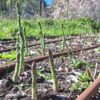

Asparagus Argenteuil
$4.95
Asparagus Officinalis
- Seed Count 15
- Large Fast Growing Spears
- Perennial
In stock
Description
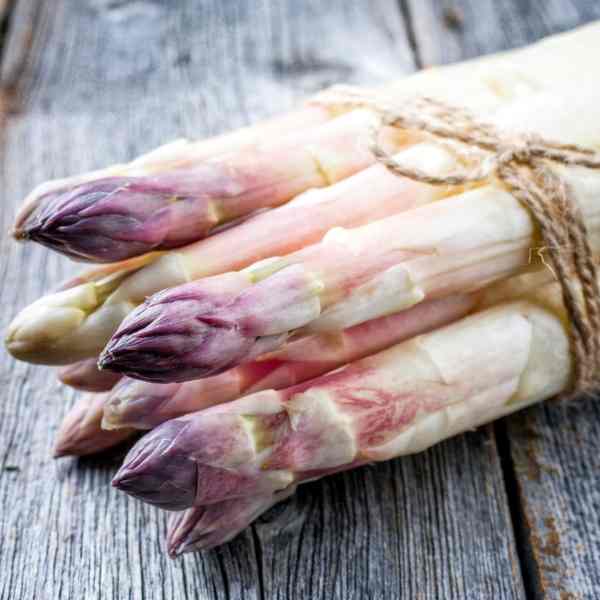
Asparagus Argenteuil hails from the 19th-century market gardens of Argenteuil, France—a region celebrated for its delicate produce. This heirloom variety has earned its stripes through consistent performance and exceptional flavour. Its thick, ivory-white spears, tinged with faint purple at the tips, are a gourmet favourite, long prized by chefs for their tender texture and subtly sweet, nutty profile.
This variety’s robust nature makes it adaptable to a range of climates, from temperate southern regions to subtropical zones, provided it’s given room to establish its deep, perennial root system. While patience is required—those first harvests arrive in two to three years—the reward is a decades-long supply of springtime shoots, year after year.
Once settled, it becomes a low-maintenance fixture in the garden, shrugging off pests and diseases with the resilience of a plant bred for sustenance and its mature crowns yield generously, making it a practical investment for households aiming to grow their own gourmet ingredients.
| Method: Start in trays | Soil Temp: 16°C - 30°C |
| Cool Mountain: May - Jul | Position: Full sun |
| Arid: Jan - Jul | Row Spacing: 40 cm |
| Temperate: Aug - Nov | Planting Depth: 10 mm |
| Sub Tropical: Aug - Nov | Harvest: 760 Days |
| Tropical: May - Jul | Plant Height: 150 cm |
Growing asparagus is a lesson in patience and reward. It’s not a quick crop, but if you give it the time and care it needs in the early years, you’ll be harvesting tender, homegrown spears for decades. Yes—decades! Asparagus is a perennial vegetable that settles in for the long haul, and once established, it can produce reliably each spring.
In Australia, asparagus grows best in temperate to cool climates, but with the right care, it can also be grown in subtropical regions. While it takes a few seasons to establish, it’s well worth the wait for fresh spears that are sweeter and more flavourful than anything you’ll find at the shops.
Let’s dig into everything you need to know to get started.
🌿 Sowing: Trays vs Direct
Sowing in Trays (Recommended)
Start seeds in trays or small pots in late winter to early spring in most regions:
- Soak seeds in water for 8–12 hours to soften the seed coat and encourage faster germination.
- Use a seed-raising mix in punnets or small pots.
- Keep moist and warm—ideal soil temperature is 21–29°C.
- Germination takes 2–3 weeks, sometimes longer.
Once seedlings have a few sets of true leaves and are around 10–15cm tall, transplant them into a temporary nursery bed or large pots until the following winter, when they can be planted in their permanent position.
Sowing Direct
Direct sowing can work in warmer climates or well-prepared, weed-free beds:
- Wait until soil has warmed in early spring.
- Soak seeds beforehand as above.
- Thin seedlings once they’re established.
Key Tip: Direct sowing requires good weed management. These slow-growing seedlings don’t like competition.
🌞 Soil and Position
Asparagus likes a sunny, well-drained position with deep, fertile soil. Think of it as planting for the future—choose your site carefully because your asparagus bed could be productive for 15–20 years.
Soil Prep:
- Dig deeply—at least 30–40cm.
- Add plenty of compost, well-rotted manure, and a handful of rock minerals or blood and bone.
- Asparagus prefers a neutral to slightly alkaline pH (around 6.5–7.5).
- Ensure good drainage—raised beds are helpful in heavier soils.
🌿 Care and Maintenance
Year 1–2: Establishment Phase
- Mulch well to suppress weeds and retain moisture.
- Water regularly but avoid soggy soil.
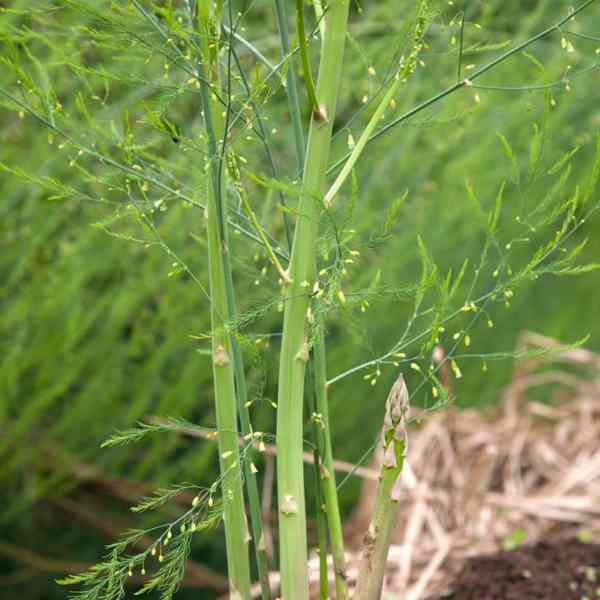
- Allow ferns (the leafy tops) to grow undisturbed—this feeds the crown and develops strong roots.
- Do not harvest in the first year, and limit harvest in the second year to just a few spears.
Ongoing Care:
- Winter: After ferns have browned and died back, cut them to the ground. Add compost, mulch, and organic fertiliser to replenish soil.
- Spring: Keep an eye out for fresh spears. Begin harvesting when they’re 15–20cm tall.
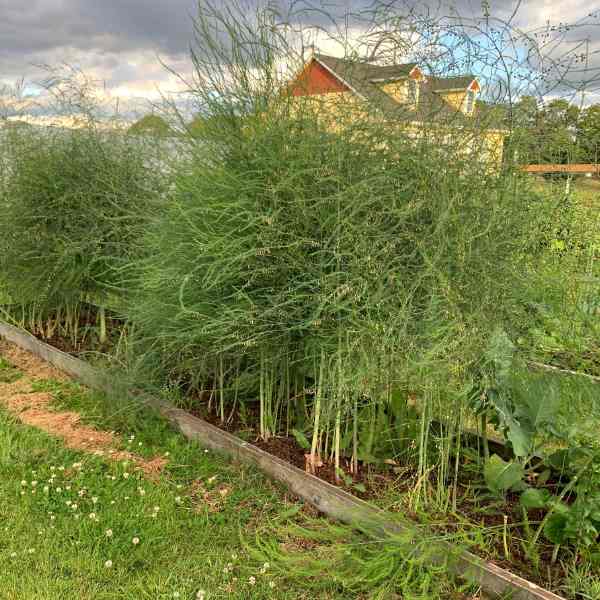
- Summer: Let ferns grow tall and healthy. Support them with stakes if needed to prevent toppling.
- Feed twice a year (spring and mid-summer) with seaweed tonic, aged manure or compost tea.
🌼 Companion Planting
Asparagus is a polite neighbour in the garden and does well with:
- Basil – repels pests and improves flavour.
- Parsley – helps deter asparagus beetles.
- Marigold and nasturtium – great for pollinators and pest control.
- Tomatoes – the ferny asparagus foliage can offer light dappled shade in summer.
Avoid planting:
- Alliums (onions, garlic) – these can compete for nutrients.
- Potatoes – they can disturb asparagus roots during harvest.
✂️ Harvesting
Once your asparagus crowns are in their third year, you can begin harvesting properly.
- Harvest in early spring, when spears are around 15–20cm tall.
- Cut or snap spears at ground level.
- Stop harvesting after 6–8 weeks to let the plant regenerate for the next season.
- Overharvesting weakens the plant, so resist the temptation to keep picking.
🐛 Common Issues and Fixes
| Problem | Symptoms | Solution |
|---|---|---|
| Poor spear growth | Thin, weak spears | May be harvesting too soon, or crowns need more feeding. Top-dress with compost and seaweed. |
| Rust (fungus) | Orange spots on ferns | Remove affected ferns. Improve air flow. Avoid overhead watering. |
| Asparagus beetles (rare in Aus) | Chewed ferns | Hand-pick if spotted. Companion planting helps deter. |
| Yellowing ferns | Nutrient deficiency | Apply compost or fish emulsion. Check drainage. |
| Crown rot | Spears turn mushy or don’t emerge | Usually caused by waterlogging. Improve drainage, remove affected crowns. |
🌾 Seed Saving Guide
While many gardeners propagate asparagus through crowns, saving seed is possible and worthwhile if you’re growing open-pollinated varieties.
Here’s how to save asparagus seed:
- Let some plants flower – male plants produce pollen, while female plants form red berries.
- Wait until the berries ripen to bright red, usually in late summer to early autumn.
- Pick berries and soak them in water to ferment for a day or two, which helps remove the flesh.
- Rinse and dry the seeds on a paper towel in a warm, airy place for a week.
- Store in a paper envelope or airtight container in a cool, dry spot. Seeds are viable for 3–4 years.
Note: Plants grown from seed may be a mix of male and female. Many commercial crowns are male-only hybrids, which tend to be more productive.
🌟 Final Thoughts
Asparagus is a gardener’s long-term investment—slow to start but generous once established. Give it good soil, keep it weed-free, and feed it like a prized perennial. Those buttery-green spears poking through the spring soil are a true reward for your patience.
In my own garden, I treat my asparagus patch as both a food source and a seasonal marker. When those spears arrive, it feels like a celebration—a signal that the season is changing and that all the effort from years past is finally paying off.
So if you’ve got a corner of the garden to dedicate for the long haul, asparagus is a worthy choice. Take your time with it, and it’ll feed you for years to come.
1 review for Asparagus Argenteuil
| 5 star | 100% | |
| 4 star | 0% | |
| 3 star | 0% | |
| 2 star | 0% | |
| 1 star | 0% |

Postage Charge
Orders under $35 attract a $4.95 shipping charge. Orders $35 and above have free shipping.
Order Times
Seed orders are normally dispatched within three business days. You will receive an email when seeds are mailed out.
Postage Days
Seeds are mailed out Tuesday to Friday at 1pm. Except for the Friday of long weekends.
Postage Times
WA 2-3 Days: SA,NT 3-5 Days: NSW, ACT, QLD, VIC: 5-7 Days
Carrier
We use Australia Post Letter Postage for the majority of orders
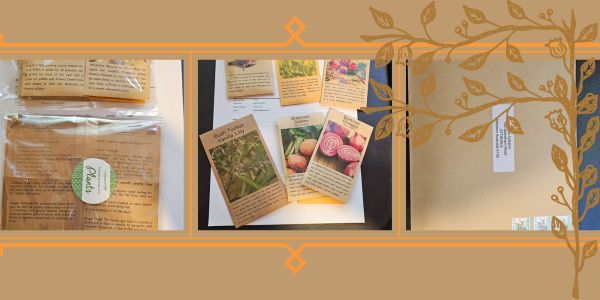
Not only are our seeds packed in recycled paper envelopes, we keep the theme going when we post out website orders. To protect your seeds from moisture and the letter box munchers (snails), we use a very special plastic free material made from plants. They are then put into recycled mailing envelopes. Green all the way 💚🌿
Delivery Guarantee
We take great care to make sure your seeds arrive safely. If your order is lost or damaged in transit, we’ll happily send a replacement. Unfortunately, we can’t replace or refund orders that arrive later than the estimated delivery date, as delays can sometimes occur that are outside our control.
Please note that all dispatch and delivery times listed are estimates only. While we do our best to post promptly, delivery timeframes can vary due to postal service delays, weather events, or other unforeseen circumstances. We’re unable to take responsibility for any loss, damage, or cost that results from a late delivery.
An order is not considered missing until at least 20 business days have passed from the postage date. You’ll receive an email once your seeds have been posted, letting you know they’re on their way. If you don’t see it in your main inbox, please check your Spam or Promotions folders as sometimes our emails like to hide there.

See all our verified customer reviews on our official CusRev profile.