
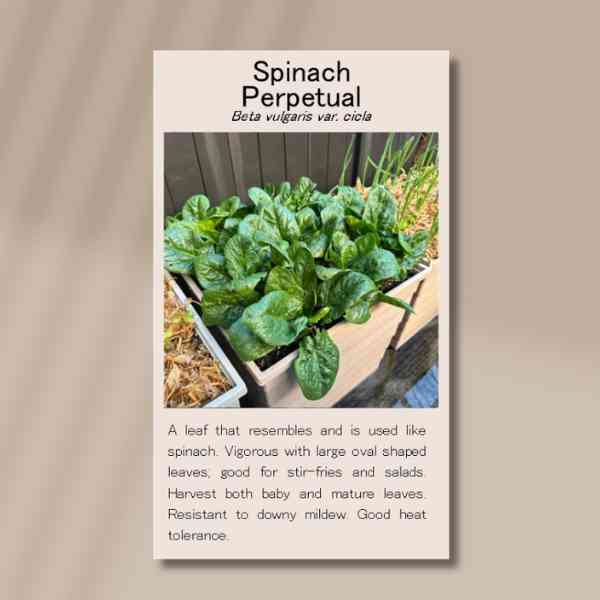





Spinach Perpetual
$4.95
Beta vulgaris var. Cicla
- Seed count 20
- Good For Small Spaces
- Biennial
In stock
Description
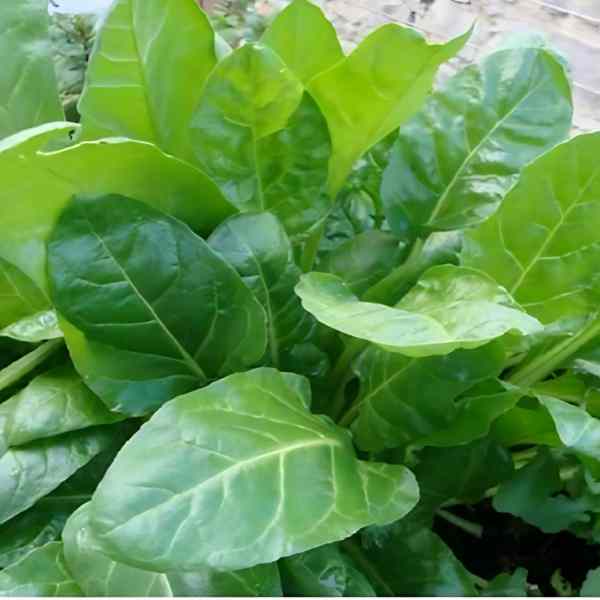
Spinach Perpetual is not spinach, nor is it perpetual, but it does grow reliably for quite a long time in the garden. This old heirloom is, in fact a relative of chard.
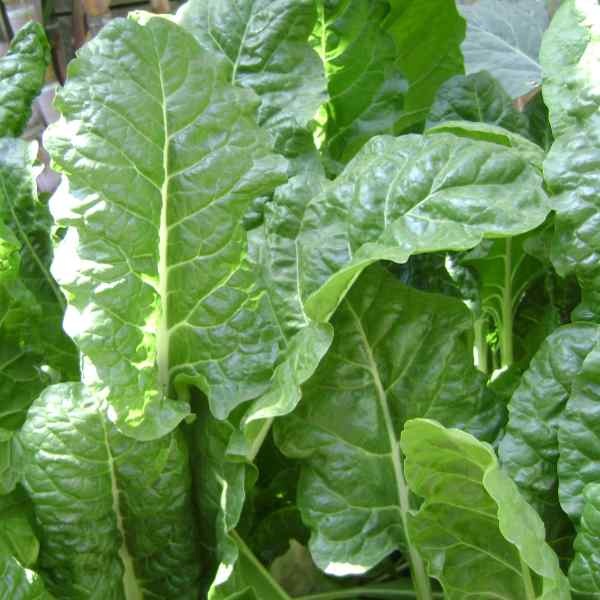
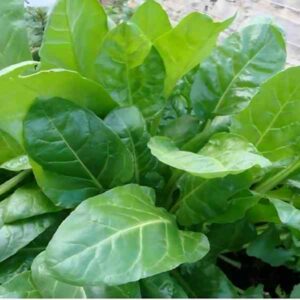
You rarely see it in the shops because it ideally needs to be picked soon before eating. The leaves are shiny green with white midribs, the steamed stalks taste something like mild asparagus.
It has an upright habit and dark green compact leaves that contrast sharply with bright white stems. It can be grown as a baby leaf or left to grow to maturity.
It responds particularly well to repeat cutting and is one of the easiest and most productive vegetables for a small space.
Perpetual Spinach is extremely resistant to bolting, so with just one sowing you can feast on these succulent dark green leaves and white stalks the entire summer and through autumn and winter.
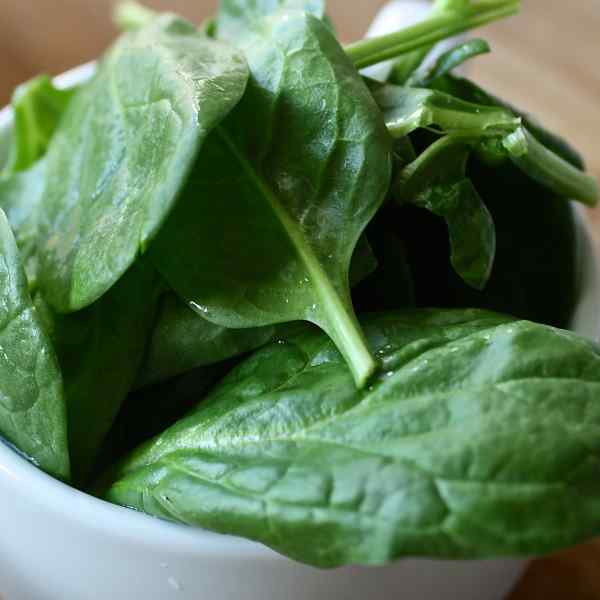
Use raw in salads, steamed with other greens or in place of spinach. Include in quiche or lasagna for a savoury change of pace.
| Method: Sow direct | Soil Temp: 10°C - 30°C |
| Cool Mountain: Sep - Mar | Position: Part sun |
| Arid: Jan - Dec | Row Spacing: 30cm apart |
| Temperate: Sep - May | Planting Depth: 10mm |
| Sub Tropical: Jan - Dec | Harvest: 60 days |
| Tropical: Apr - Jul | Plant Height: 40cm |
🥬 Sowing: In Trays vs. Direct in the Garden
You’ve got two solid options when it comes to sowing: in trays for more control, or direct in the garden for ease. Both have their place depending on your setup and the season.
🌱 Sowing in Trays
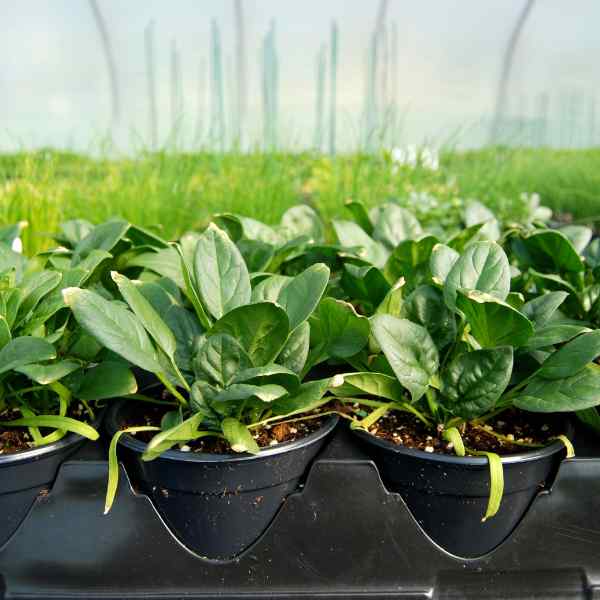
Sowing into trays is ideal if you’re starting early in the season, want to avoid pests, or just prefer the predictability of transplanting strong seedlings. Fill seed trays or punnets with quality seed-raising mix, and sow seeds about 1 cm deep. Water in gently.
Perpetual spinach germinates reliably, usually in 7–14 days. A warm spot helps, so in cooler regions, keep trays in a greenhouse or sunny windowsill.
Once the seedlings have two sets of true leaves and roots hold the mix together, harden them off for a few days outside before transplanting into the garden.
🌿 Direct Sowing
This is the quicker route and works well in late summer through early autumn, or again in early spring when the soil is still warm. Sow seeds directly into prepared beds about 1 cm deep and 20–30 cm apart, thinning to the strongest seedlings once they emerge.
Direct sown plants are often sturdier because they don’t go through transplant shock, but you’ll need to keep a closer eye on snails and slugs.
🌾 Is Seed Pre-treatment Required?
No pre-treatment is strictly necessary, but soaking the seeds overnight can help soften their hard seed coat and improve germination rates. If you’re sowing in cooler weather, this little trick can make a difference.
🌞 Soil & Position
Perpetual spinach is wonderfully adaptable, but to get lush, leafy growth, give it the best footing you can:
- Position: Full sun to part shade. In very hot zones, a little afternoon shade is welcome.
- Soil: Free-draining, rich in organic matter, and well-worked. Think compost, aged manure, and a sprinkle of lime if your soil is acidic.
- pH: Neutral to slightly alkaline (6.5–7.5).
- Tip: Avoid planting in beds where you’ve recently grown other leafy greens to help prevent disease buildup.
🌱 Care & Maintenance
Once your plants are in the ground and settled, they’re remarkably low maintenance. Here’s how to keep them thriving:
- Watering: Keep soil evenly moist, especially when young. Mulching helps hold moisture and suppress weeds.
- Feeding: Feed fortnightly with a diluted liquid fertiliser (like seaweed or fish emulsion) or side-dress with compost every month or so.
- Mulching: Mulch around plants to suppress weeds, conserve water, and protect the root zone.
- Harvesting Leaves: Pick the outer leaves regularly to encourage new growth from the centre.
This regular harvest is key to “perpetual” productivity.
🌼 Companion Planting Guide
Perpetual spinach is a friendly garden neighbour and fits beautifully into most crop rotations.
Great companions:
- Brassicas (like cabbage, kale, and broccoli): They enjoy similar soil and feeding.
- Onions and leeks: Help deter pests and don’t compete much for space.
- Marigolds and nasturtiums: Natural pest deterrents that also add a pop of colour.
Avoid planting with:
- Runner beans: They can compete for nutrients and space.
- Strawberries: May struggle with similar nutrient needs.
✂️ Harvesting
You can begin harvesting once the plants have a decent bunch of leaves—usually 6–8 weeks after sowing.
- Harvest outer leaves first, cutting at the base with a sharp knife or pulling gently.
- Avoid damaging the central crown—this is the growth point for new leaves.
- The more you pick (within reason), the more the plant produces!
You can often get 6–12 months of production from one planting, especially in temperate areas.
🐛 Common Issues and Fixes
Here’s a quick table to help you troubleshoot the most common problems.
| Problem | Cause | Fix |
|---|---|---|
| Yellowing leaves | Nitrogen deficiency or overwatering | Feed with a high-nitrogen fertiliser and check drainage |
| Leaf miners | Insect larvae burrowing in leaves | Remove and destroy affected leaves, use row covers if needed |
| Snails and slugs | Moist soil or dense mulch | Use traps, beer saucers, or sprinkle crushed eggshells as deterrent |
| Bolting (flowering too early) | Heat stress or age | Plant during cooler months, pick leaves often to delay flowering |
| Powdery mildew | Poor air flow or high humidity | Space plants well, remove affected leaves, avoid overhead watering |
🌼 Seed Saving Guide
Saving seeds from perpetual spinach is simple and satisfying, but it does take a bit of time and planning.
- Let it Bolt: In its second year (it’s a biennial), select your healthiest plants and let them flower and go to seed. Stake them if needed—they can get tall!
- Pollination: Wind does most of the work here. Grow at least a few plants to ensure good cross-pollination.
- Wait for Drying: Once seeds form, let the seed heads dry out on the plant as much as possible. They’ll go brown and papery.
- Harvest: Snip off dry seed heads and place in a paper bag to finish drying.
- Thresh and Clean: Rub between your hands to free the seeds, then winnow gently to remove the chaff.
- Store: Keep seeds in a cool, dry place in a labelled envelope or jar. They’ll stay viable for 2–4 years.
🌿 Final Thoughts
Perpetual spinach really lives up to its name. It’s a generous, forgiving crop that suits new and experienced gardeners alike. Whether you’ve got a raised bed, a no-dig patch, or just a few pots on the balcony, there’s room for this leafy staple in any garden.
Just remember: healthy soil equals healthy greens, and regular picking keeps the plant producing. Give it a bit of love, and it’ll return the favour tenfold.
3 reviews for Spinach Perpetual
| 5 star | 66% | |
| 4 star | 0% | |
| 3 star | 33% | |
| 2 star | 0% | |
| 1 star | 0% |

Postage Charge
Orders under $35 attract a $4.95 shipping charge. Orders $35 and above have free shipping.
Order Times
Seed orders are normally dispatched within three business days. You will receive an email when seeds are mailed out.
Postage Days
Seeds are mailed out Tuesday to Friday at 1pm. Except for the Friday of long weekends.
Postage Times
WA 2-3 Days: SA,NT 3-5 Days: NSW, ACT, QLD, VIC: 5-7 Days
Carrier
We use Australia Post Letter Postage for the majority of orders
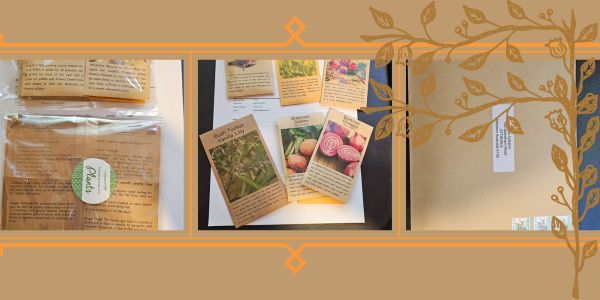
Not only are our seeds packed in recycled paper envelopes, we keep the theme going when we post out website orders. To protect your seeds from moisture and the letter box munchers (snails), we use a very special plastic free material made from plants. They are then put into recycled mailing envelopes. Green all the way 💚🌿
Delivery Guarantee
We take great care to make sure your seeds arrive safely. If your order is lost or damaged in transit, we’ll happily send a replacement. Unfortunately, we can’t replace or refund orders that arrive later than the estimated delivery date, as delays can sometimes occur that are outside our control.
Please note that all dispatch and delivery times listed are estimates only. While we do our best to post promptly, delivery timeframes can vary due to postal service delays, weather events, or other unforeseen circumstances. We’re unable to take responsibility for any loss, damage, or cost that results from a late delivery.
An order is not considered missing until at least 20 business days have passed from the postage date. You’ll receive an email once your seeds have been posted, letting you know they’re on their way. If you don’t see it in your main inbox, please check your Spam or Promotions folders as sometimes our emails like to hide there.
See all our verified customer reviews on our official CusRev profile.
See all our verified customer reviews on our official CusRev profile.
See all our verified customer reviews on our official CusRev profile.