

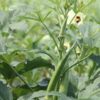

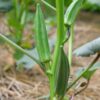
Okra Clemsons
$4.95
Abelmoschus Esculentus
- Seed Count 20
- Good In Soups And Stew
- Frost Tender Perennial
Out of stock
Email when stock available
Description
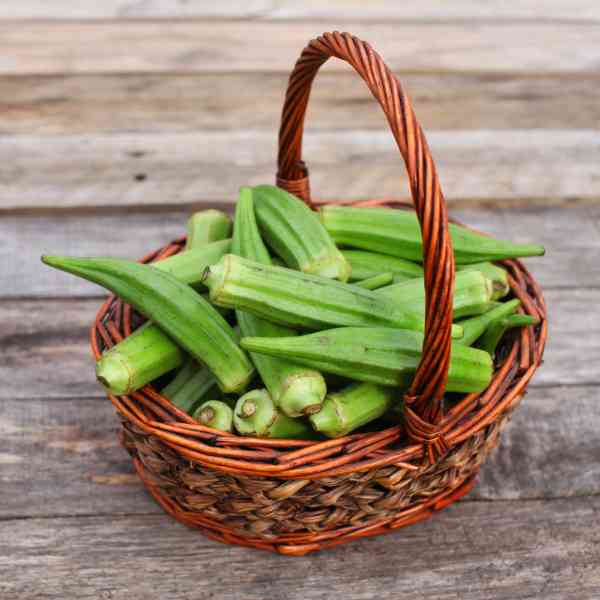
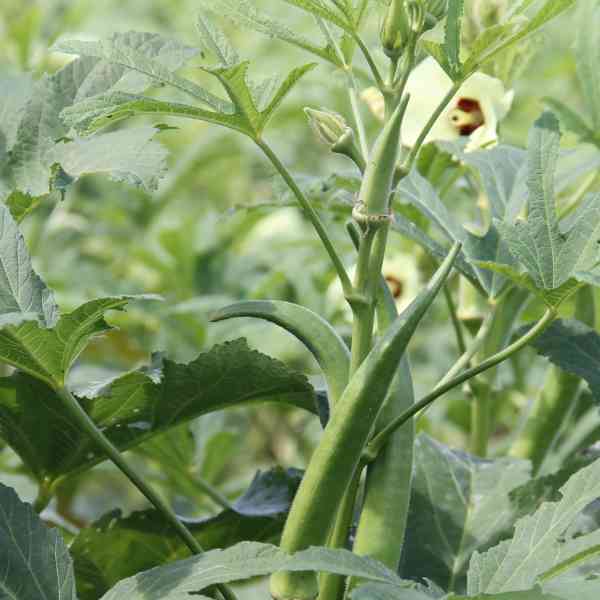
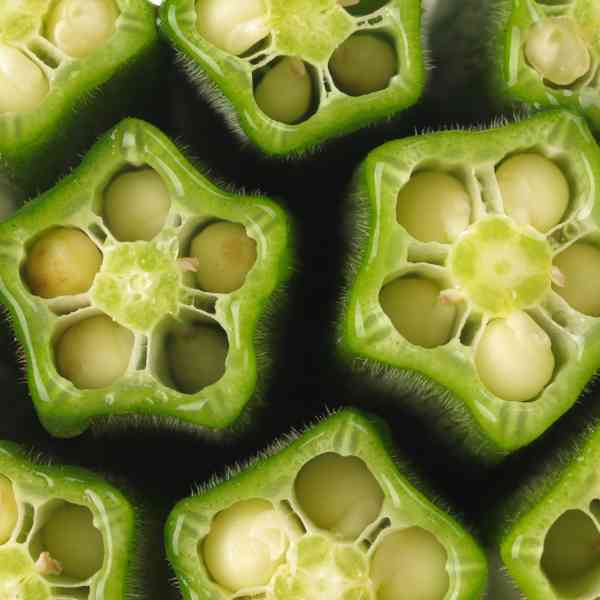
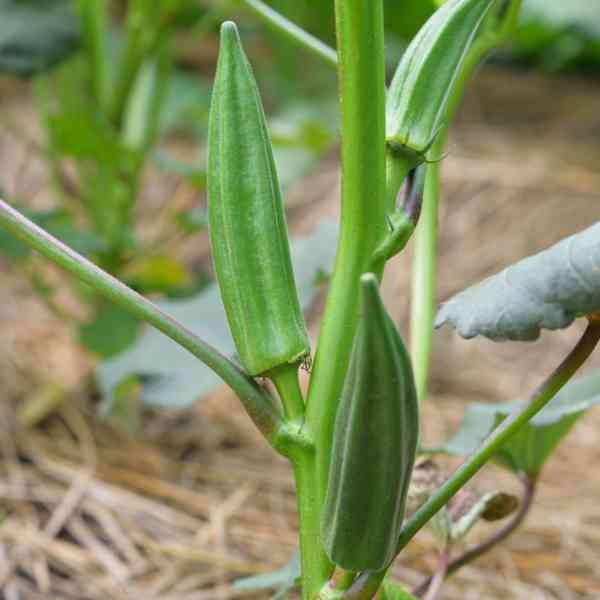
Okra Clemsons is a spineless variety that produces compact, strong plants with prolific bright green pods.
The plants can reach heights of 1.5m and the long, slender pods that are typically 15 cm in length.
Often referred to as lady’s fingers okra is a vigorous cut-and-come-again vegetable. Keep cutting the pods every day or two, and they will keep on coming.
The plant also produces large, yellow flowers, which attract beneficial pollinators like bees.
It is generally more resistant to pests and diseases compared to some other okra types, which can reduce the need for chemical treatments.
Furthermore, it is drought-tolerant once established, making it a good choice for gardeners in areas with limited water supply.
Originally, Okra comes from northern Africa, where it still grows wild. This unusual member of the hibiscus family has an important part in African, Mediterranean and Oriental cuisine.
It is a culinary tradition in the southern states of America, where it is used both as a side dish and in a variety of recipes including gumbos and stews. It is also a popular vegetable in the south of India, where it is mostly used in dry curries.
| Method: Raise seedlings | Soil Temp: 20°C - 35°C |
| Cool Mountain: Not recommended | Position: Full sun |
| Temperate: Oct - Jan | Planting Depth: 6 mm |
| Sub Tropical: Aug - Feb | Row Spacing: 50 cm |
| Arid: Aug - Dec | Harvest: 80 Days |
| Tropical: Apr - Sep | Plant Height: 2 m |
🌾 Starting Okra from Seed: Trays vs Direct Sowing
Okra can be grown successfully either in seed trays or sown directly in the garden — the best method often depends on your climate and soil.
- In Warm Climates (QLD, NT, northern NSW, WA): Direct sowing works beautifully once the soil has warmed above 20°C. The seedlings pop up quickly and grow away strongly.
- In Cooler or Temperate Areas (VIC, SA, TAS, southern NSW): It’s safer to start seeds in trays or small pots indoors or in a greenhouse about 4–6 weeks before the last frost. This gives the plants a head start before transplanting into the garden once nights stay mild.
Okra doesn’t love having its roots disturbed, so if you’re raising seedlings, use biodegradable pots or small modules so you can plant them without breaking the rootball.
💧 Seed Pre-Treatment
Okra seeds have a tough outer coat, and a little pre-treatment makes a big difference.
Before sowing, soak the seeds in lukewarm water for 12–24 hours. This softens the seed coat and helps them germinate faster and more evenly. Some gardeners lightly nick the seed coat with a nail file or rub them between two sheets of sandpaper — this can help too, though soaking alone usually does the trick.
🌞 Soil & Position
Okra is happiest in full sun — at least 6–8 hours of direct light each day. A well-drained, fertile soil is ideal, rich in organic matter but not too heavy. Clay soils can be improved with compost and coarse sand or fine gravel to help drainage.
- Soil pH: Slightly acidic to neutral, around 6.0–7.5.
- Soil preparation: Dig in aged compost or well-rotted manure a few weeks before planting. Avoid too much nitrogen-rich fertiliser, as it will encourage leafy growth at the expense of pods.
- Spacing: Allow around 45–60 cm between plants and 75–90 cm between rows. Okra grows into a sturdy shrub, so it needs room for airflow and harvesting access.
🌿 Care & Maintenance
Once settled, okra is fairly low-maintenance — it’s a plant that thrives on consistency rather than fuss.
- Watering: Keep the soil evenly moist, especially during flowering and pod production. Mulching around the base helps hold moisture and keep roots cool.
- Feeding: A monthly dose of seaweed solution or compost tea encourages steady growth. Avoid overfeeding with nitrogen.
- Support: In windy areas, a light stake or two can help keep the tall stems upright.
- Weeding: Keep beds clean early on. Once the plants fill out, their broad leaves will naturally shade out weeds.
Regular picking is key — pods grow fast, and harvesting them young (about finger length) keeps the plant productive.
🌼 Companion Planting Guide
Okra plays nicely with most summer vegetables. It has a tall, upright habit that offers gentle shade to smaller crops, making it a good neighbour.
Good companions:
- Basil, marigold, and nasturtium – help deter pests and attract pollinators.
- Melons and cucumbers – appreciate the dappled shade from okra’s canopy.
- Peppers and eggplants – share similar growing needs and soil preferences.
Avoid planting with:
- Brassicas (cabbage, broccoli, kale) – they prefer cooler conditions and can attract aphids that bother okra too.
🌸 Harvesting Okra
Pods are usually ready to harvest 50–70 days after sowing, depending on the variety and growing conditions. Once flowering begins, check the plants daily. Pods can shoot from tiny to tough in a matter of days!
- Harvest when pods are 5–10 cm long, while still tender.
- Use garden scissors or a sharp knife to avoid damaging the stems.
- Wear gloves if you’re sensitive — okra stems and pods have tiny spines that can irritate the skin.
The more you pick, the more the plant will produce. Frequent harvesting encourages continuous flowering.
🪲 Common Issues and Fixes
| Problem | Likely Cause | Solution |
|---|---|---|
| Slow or patchy germination | Soil too cold or seeds too dry | Wait until soil warms above 20°C; soak seeds overnight before sowing |
| Yellowing leaves | Overwatering or poor drainage | Allow soil to dry slightly between waterings; improve drainage |
| Aphids on new growth | Warm, dry weather and lush new shoots | Spray with a mild soapy water solution or use neem oil; encourage ladybirds |
| Powdery mildew on leaves | Poor airflow or humid conditions | Space plants well; remove affected leaves; use sulphur spray if needed |
| Pods tough or fibrous | Harvested too late | Pick smaller pods more frequently |
| Plants not flowering | Excess nitrogen or lack of sunlight | Reduce fertiliser; ensure full sun position |
| Pods misshapen or curled | Inconsistent watering or heat stress | Keep watering regular and mulch soil well |
🌻 Seed Saving Guide
Okra is self-pollinating, though insects can occasionally cross-pollinate nearby varieties, so if you’re growing more than one type, keep them about 20–30 metres apart to maintain purity.
To save seed:
- Select the healthiest, most vigorous plants early in the season.
- Leave several pods on each chosen plant to mature fully.
- Pods will grow large, dry out, and turn brown and brittle. Once they rattle when shaken, they’re ready to harvest.
- Cut the pods and allow them to dry completely in a warm, airy spot out of direct sunlight.
- Split the pods and remove the seeds — they’ll be hard, round, and dark.
- Store seeds in a paper envelope or glass jar, clearly labelled and kept in a cool, dry place. Properly dried seeds remain viable for up to 4 years.
Before storing, you can pop the dried seeds in the freezer for a couple of days to kill off any potential weevils.
🌾 Final Thoughts
Okra might not be as common in Australian gardens as tomatoes or zucchinis, but it deserves a spot. It’s a handsome, heat-loving plant that thrives where others struggle and rewards you with an abundance of tender pods for months on end.
It fits beautifully into mixed beds, pairs well with other summer crops, and even its flowers — creamy yellow with a deep burgundy centre — are worth growing for their looks alone. Once you’ve seen how easily it grows and how generous it is, okra quickly becomes a regular feature in the garden plan.
1 review for Okra Clemsons
| 5 star | 100% | |
| 4 star | 0% | |
| 3 star | 0% | |
| 2 star | 0% | |
| 1 star | 0% |

Postage Charge
Orders under $35 attract a $4.95 shipping charge. Orders $35 and above have free shipping.
Order Times
Seed orders are normally dispatched within three business days. You will receive an email when seeds are mailed out.
Postage Days
Seeds are mailed out Tuesday to Friday at 1pm. Except for the Friday of long weekends.
Postage Times
WA 2-3 Days: SA,NT 3-5 Days: NSW, ACT, QLD, VIC: 5-7 Days
Carrier
We use Australia Post Letter Postage for the majority of orders
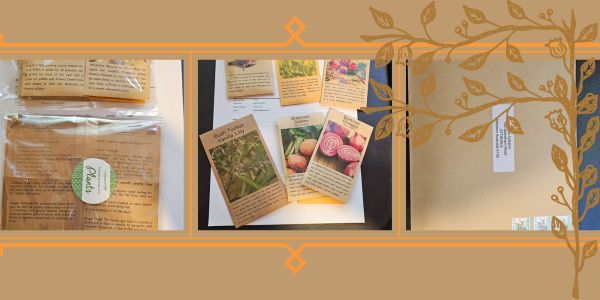
Not only are our seeds packed in recycled paper envelopes, we keep the theme going when we post out website orders. To protect your seeds from moisture and the letter box munchers (snails), we use a very special plastic free material made from plants. They are then put into recycled mailing envelopes. Green all the way 💚🌿
Delivery Guarantee
We take great care to make sure your seeds arrive safely. If your order is lost or damaged in transit, we’ll happily send a replacement. Unfortunately, we can’t replace or refund orders that arrive later than the estimated delivery date, as delays can sometimes occur that are outside our control.
Please note that all dispatch and delivery times listed are estimates only. While we do our best to post promptly, delivery timeframes can vary due to postal service delays, weather events, or other unforeseen circumstances. We’re unable to take responsibility for any loss, damage, or cost that results from a late delivery.
An order is not considered missing until at least 20 business days have passed from the postage date. You’ll receive an email once your seeds have been posted, letting you know they’re on their way. If you don’t see it in your main inbox, please check your Spam or Promotions folders as sometimes our emails like to hide there.
See all our verified customer reviews on our official CusRev profile.