

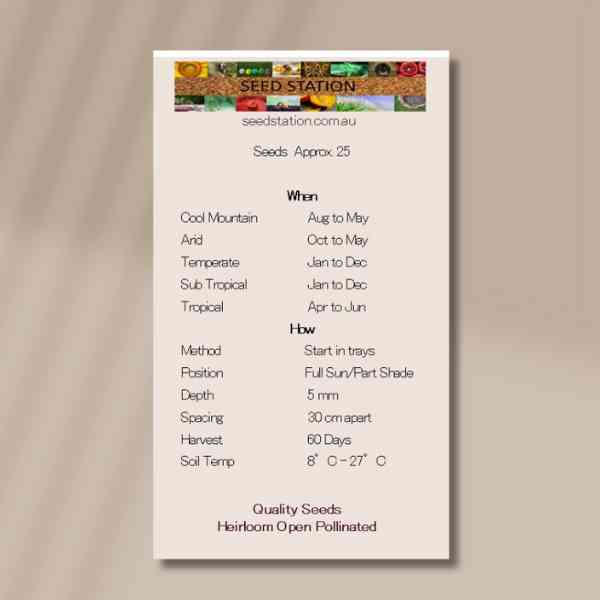


Shelling Pea Telephone Alderman
$4.95
Pisum Sativum
- Seed Count 25
- Bountiful Harvest
- Annual
In stock
Description
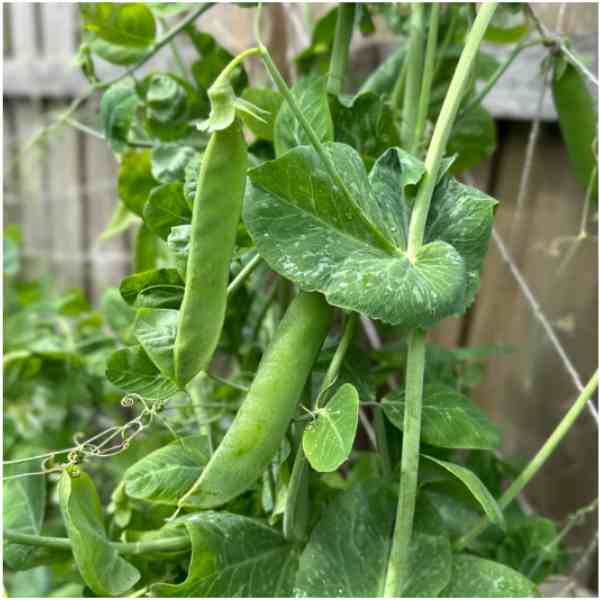
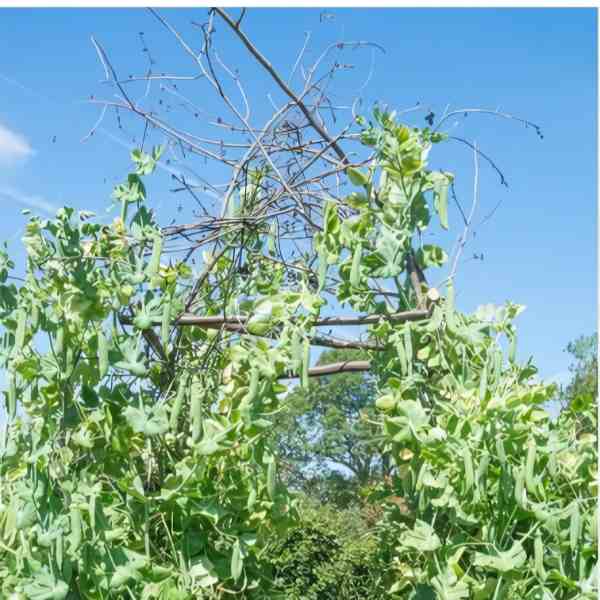
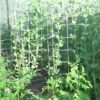
The Shelling Pea Telephone Alderman has been relied upon since the 1890s, back when flavour and productivity mattered more than convenience or uniformity. The plants are vigorous and tall, producing long runs of dark green pods that curve gently as they fill. These are not skimpy peas that leave you shelling handfuls for a single meal.
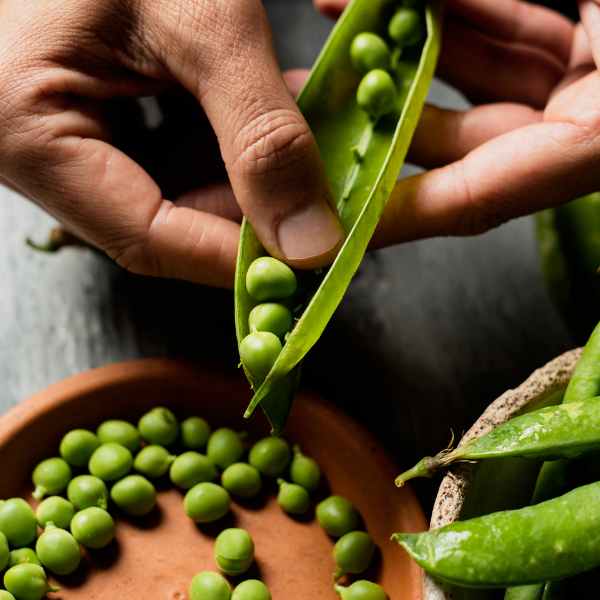
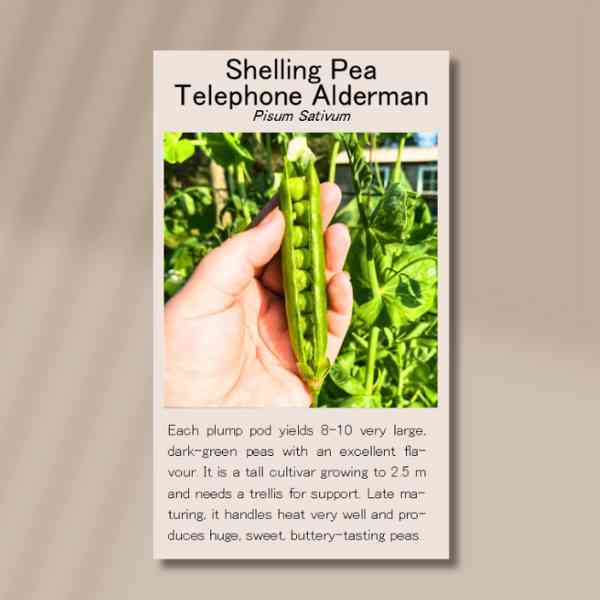
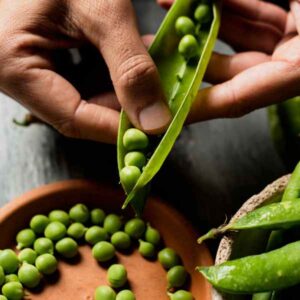
Open a mature pod and you will usually find up to eleven peas nestled inside, each one plump, smooth, and glossy. The peas themselves are large and juicy, with a sweetness that is immediately noticeable. This is the kind of flavour that reminds you why peas fresh from the garden are nothing like the ones that have travelled long distances and sat on shelves.
One of the great strengths of Telephone Alderman is its ability to crop over an extended period. Once it starts producing, it keeps going. This makes it especially valuable for home gardeners who enjoy steady harvests rather than everything arriving at once. You can pick regularly over several weeks and that long harvest window is a big part of why this variety has stayed popular for more than a century.
While it is classed as a shelling pea, Telephone Alderman is far more versatile than the label suggests. When the pods are picked young and still flat, they can be eaten whole, pod and all. At this stage they are tender, sweet, and completely stringless, making them just as enjoyable as a mangetout. This dual purpose nature means you can enjoy the crop at different stages, depending on how you like to eat your peas and how much patience you have on the day.
The appearance of the pods themselves adds to the appeal. Long, curved, and a deep, healthy green, they look exactly how a good pea should look. For gardeners who enjoy sharing produce, Telephone Alderman is particularly rewarding. The yields can be massive, often more than enough for the household with plenty left over to give away.
The balance between abundance and taste is one of the defining features of Telephone Alderman. It manages to be both productive and genuinely delicious, a combination that is surprisingly rare. In the kitchen, their natural sweetness means they need very little fuss. A quick blanch, a gentle steam, or a brief sauté is enough to bring out their best qualities.
| Method: Sow direct | Soil Temp: 8°C - 24°C |
| Cool Mountain: Mar - Oct | Position: Full sun |
| Arid: Mar - Aug | Row Spacing: 50cm apart |
| Temperate: Mar - Sep | Planting Depth:10 mm |
| Sub Tropical: Apr - Jul | Harvest: 100 days |
| Tropical: Apr - May | Plant Height: 2 m |
🌱 Starting Peas from Seed: Trays vs. Direct Sowing
Direct sowing is usually the go-to for peas. Their roots don’t love being disturbed, and they shoot up quickly once the soil is right. Sow directly into your garden beds as soon as the soil starts to cool—late summer to early autumn in warmer zones, and late winter to early spring in cooler ones.
That said, starting in trays or punnets can still work well, especially if:
- You have problems with mice, slugs, or birds stealing your seeds
- You want a head start in late summer or early spring
- You’re planting into heavy clay or poorly draining soils
If you go the tray route, use deep modules (like toilet rolls or root trainers) to give their long taproots room to stretch. Harden them off before planting and transplant gently to minimise root disturbance.
🌊 Seed Pre-treatment: Is It Necessary?
Pea seeds are plump and eager, so they don’t need much fussing. But if your soil is dry or cold, soaking seeds for 6–12 hours before sowing can help them germinate faster. Just don’t soak them too long—they can turn mushy.
Some gardeners like to inoculate pea seeds with Rhizobium bacteria to help nitrogen-fixing nodules form on the roots. It’s optional, but it can give your crop a boost in very poor soils or new garden beds.
🌞 Soil and Position
Peas are sun lovers and thrive in full sun (at least 6 hours a day). Choose a position with:
- Well-drained soil—they hate wet feet
- Slightly alkaline pH (6.5–7.5)
- Shelter from strong winds, especially for tall varieties
Before sowing, dig in compost or aged manure and a light handful of lime if your soil is acidic. Avoid fresh manure or high-nitrogen fertilisers, as peas fix their own nitrogen and too much can cause leafy growth at the expense of pods.
Mulching after germination will help keep roots cool and reduce evaporation.
🛠️ Care and Maintenance
Peas are low-fuss, but they do appreciate a bit of thoughtful care:
- Watering: Keep soil moist but not soggy, especially during flowering and pod formation.
- Support: Most varieties need some kind of trellis, sticks, string netting or lattice to climb. Even dwarf types benefit from a little support.
- Feeding: Feed lightly with a seaweed solution during flowering. Avoid high-nitrogen feeds.
- Weeding: Keep beds weed-free to reduce competition.
Regular picking encourages more pods. Let them go too long and they’ll stop producing!
🌼 Companion Planting Guide
Peas play nicely with most garden friends, and they help enrich the soil with nitrogen.
Good companions:
- Carrots
- Turnips
- Radishes
- Lettuce
- Spinach
- Beans
- Corn
Avoid planting with:
- Onions
- Garlic
- Leeks
- Shallots
(These alliums can inhibit pea growth.)
🧺 Harvesting Peas
Peas are best picked young and tender, just as the pods fill out. Taste is the real test—sweet and crunchy means they’re just right.
- Snow peas are harvested flat before the peas swell
- Sugar snap peas when the pods are plump but still crisp
- Shelling peas when the pods are full, and peas are round and sweet
Pick regularly (every 1–2 days) to encourage continuous flowering. Use two hands to avoid snapping the vine.
🐛 Common Issues and Fixes
| Problem | Cause | Fix |
|---|---|---|
| Seeds rot or fail to germinate | Cold, wet soil | Wait for soil to warm, sow shallower, or start in trays |
| Leaves yellow or growth stunted | Poor drainage, waterlogging | Improve soil with compost and check drainage |
| Powdery mildew | Fungal disease in humid conditions | Ensure good air flow, avoid overhead watering, use sulphur spray |
| Aphids or mites | Sap-sucking pests | Hose off, attract beneficial insects like ladybirds |
| Pea moth or caterpillars | Larvae inside pods | Use netting if needed, remove damaged pods |
| Plants stop producing | Pods left too long, too much heat | Pick regularly, mulch well, sow successively for a longer harvest |
🌾 Seed Saving Guide
Saving pea seeds is a beautiful, satisfying step—peas are self-pollinating, so what you grow will come true to type if isolated from other varieties.
How to Save Pea Seeds:
- Choose your best plants: Look for healthy, productive vines with true-to-type pods.
- Let pods fully mature on the plant: They’ll turn brown and dry on the vine.
- Harvest on a dry day: Shell pods and dry the seeds for another week indoors.
- Label and store: Keep seeds in a paper envelope or glass jar in a cool, dry place. They can last 3–5 years stored well.
Tip: If it’s too wet to let pods dry on the vine, pull up the whole plant and hang it upside down somewhere sheltered.
🌿 Final Thoughts
Peas are one of those garden crops that feel generous. They’re easy to start, fast to grow, and full of personality. They teach us about patience, timing, and the magic of cool-season growing.
If you’ve never grown peas before, just start with a few rows or pots—once you hear that satisfying snap of a fresh pod, you’ll be hooked. And if you’re a seasoned grower, you already know: every autumn or late winter, the pea patch calls again.
Happy sowing, and may your pods be sweet and your trellises tangled with green! 🌱
2 reviews for Shelling Pea Telephone Alderman
| 5 star | 100% | |
| 4 star | 0% | |
| 3 star | 0% | |
| 2 star | 0% | |
| 1 star | 0% |
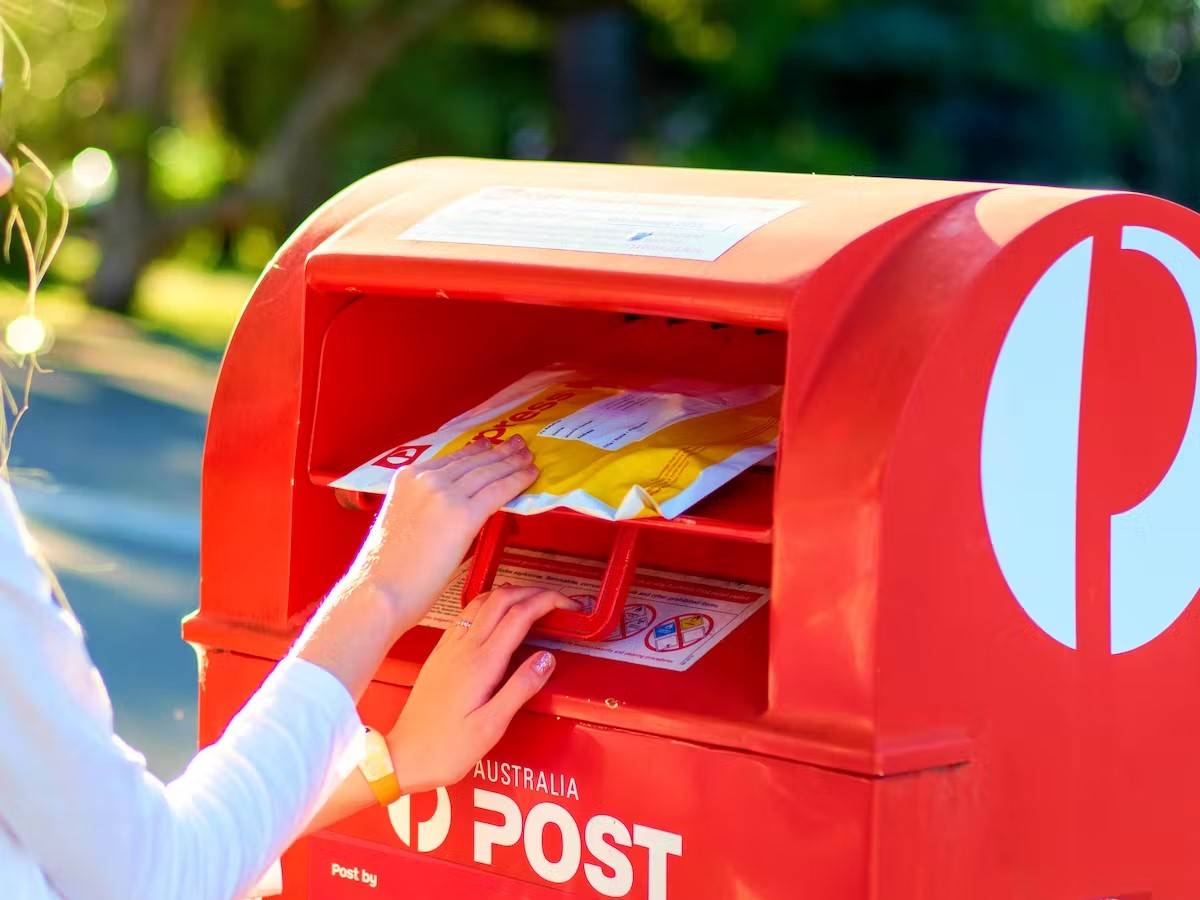
Postage Charge
Orders under $35 attract a $4.95 shipping charge. Orders $35 and above have free shipping.
Order Times
Seed orders are normally dispatched within three business days. You will receive an email when seeds are mailed out.
Postage Days
Seeds are mailed out Tuesday to Friday at 1pm. Except for the Friday of long weekends.
Postage Times
WA 2-3 Days: SA,NT 3-5 Days: NSW, ACT, QLD, VIC: 5-7 Days
Carrier
We use Australia Post Letter Postage for the majority of orders
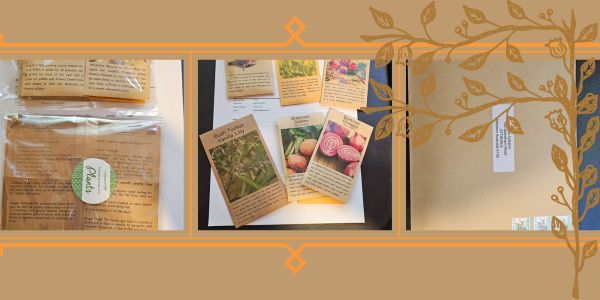
Not only are our seeds packed in recycled paper envelopes, we keep the theme going when we post out website orders. To protect your seeds from moisture and the letter box munchers (snails), we use a very special plastic free material made from plants. They are then put into recycled mailing envelopes. Green all the way 💚🌿
Delivery Guarantee
We take great care to make sure your seeds arrive safely. If your order is lost or damaged in transit, we’ll happily send a replacement. Unfortunately, we can’t replace or refund orders that arrive later than the estimated delivery date, as delays can sometimes occur that are outside our control.
Please note that all dispatch and delivery times listed are estimates only. While we do our best to post promptly, delivery timeframes can vary due to postal service delays, weather events, or other unforeseen circumstances. We’re unable to take responsibility for any loss, damage, or cost that results from a late delivery.
An order is not considered missing until at least 20 business days have passed from the postage date. You’ll receive an email once your seeds have been posted, letting you know they’re on their way. If you don’t see it in your main inbox, please check your Spam or Promotions folders as sometimes our emails like to hide there.
See all our verified customer reviews on our official CusRev profile.
See all our verified customer reviews on our official CusRev profile.