



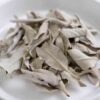
Sage White
$4.95
Salvia Apiana
- Seed Count 25
- Bee Sage or Sacred Sage
- Perennial
In stock
Description
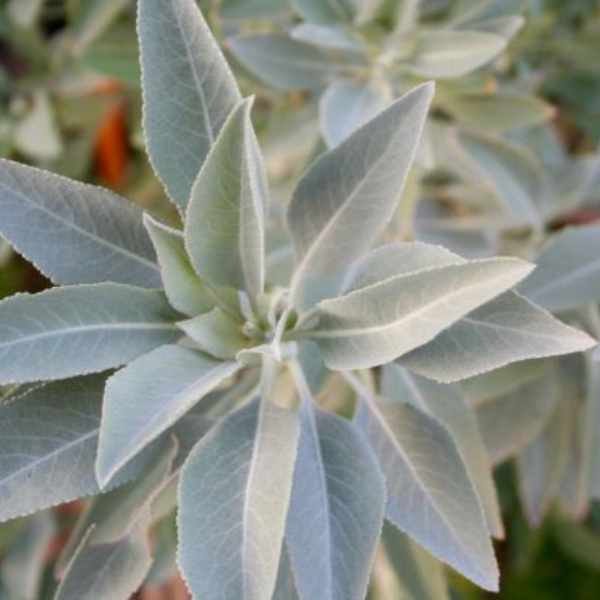
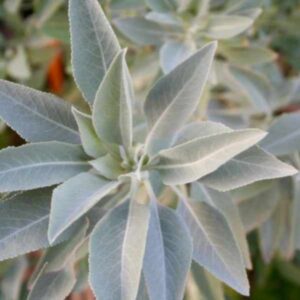
Sage White (Salvia apiana) is a large, herbaceous perennial has long been valued for its aromatic foliage, and ceremonial uses.. A mature plant can reach up to 1.5 metres tall, forming a wide, bushy mound of silver-green leaves that shimmer in the light. Each leaf is thick and velvety, covered in fine hairs that give the plant its distinctive soft appearance. When the weather warms, the plant sends up tall purple flower stalks, almost as high as the shrub itself, each one lined with small white to lavender blooms through spring and summer.
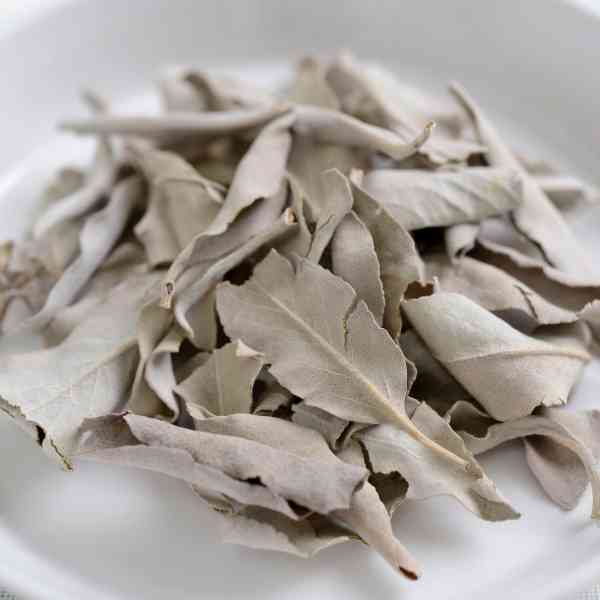
White Sage has been cherished for centuries as a ceremonial herb. The silvery leaves are traditionally dried and burned for purification rituals, used to cleanse the spirit and create a sense of calm and clarity. The rising smoke is said to carry away negative energy and welcome in positive thoughts.
It’s also a plant of practical use. The seeds, roots, and leaves are all edible and the seeds were once ground into flour, while the leaves were used to flavour food, much like common culinary sage but with a more pungent, earthy edge. When crushed, the leaves release a powerful aroma that carries hints of pine and eucalyptus, lending itself well to seasoning roasted vegetables or infusing oils and vinegars. While it’s not the typical variety you’d grow for everyday cooking, its flavour and fragrance offer something unique and distinctly wild.
It’s adapted to hot, dry environments, thriving in sandy or rocky soils where other plants might struggle. It prefers conditions that mimic those of succulents such as free-draining soil, good airflow, and plenty of sunlight. Once established, it rarely needs watering, and over time, the plant becomes tougher and more aromatic. Its silver leaves help reflect heat, reducing moisture loss and giving the plant its beautiful tone in the garden. It has a naturally low germination rate, and the seeds can take up to 60 days to sprout. Once those first seedlings appear, they grow steadily, forming strong roots that support years of growth.
In the landscape Its silver foliage contrasts beautifully with the greens and blues of other Mediterranean herbs like rosemary, thyme, and lavender. It also pairs well with succulents, grasses, and native plants that enjoy similar dry conditions. Whether planted in a border, as a feature shrub, or in a mixed bed of drought-tolerant species, it adds texture, colour, and scent all year round. And for wildlife, White Sage is a gift. Its flowers draw in bees, butterflies, and beneficial insects, supporting pollinators when few other plants are in bloom.
For Australian gardeners, it’s also a plant that makes perfect sense. Our climate lends itself well to hardy, drought-tolerant species, and White Sage fits right in. It’s ideal for sustainable, low-water gardens, bringing both beauty and purpose. Whether you grow it for its silvery leaves, its pollinator-friendly flowers, or its long-held cultural symbolism, it’s one of those plants that quietly earns its place.
| Method: Sow direct | Soil Temp: 10°C - 25°C |
| Cool Mountain: Oct - Dec | Position: Full sun |
| Arid: Jun - Jul | Row Spacing: 50cm apart |
| Temperate: Sep - Dec | Planting Depth: 1 mm |
| Sub Tropical: Aug - Nov | Harvest: 180 days |
| Tropical: May - Jul | Plant Height: 150 cm |
🪴 Sowing White Sage – Trays vs. Direct in the Garden
White sage seeds are notoriously slow to germinate, and while it’s tempting to scatter them in the soil and hope for the best, you’ll get much better results starting them in seed trays under controlled conditions.
🌱 Why Trays Are Best
White sage seedlings are slow to emerge and delicate in their early stages. Sowing in trays gives you control over warmth, moisture, and protection from the elements and pests. A greenhouse, sunny windowsill, or protected patio will give them the gentle encouragement they need.
🌾 Direct Sowing (Only for Ideal Climates)
In hot, dry inland areas with sandy, free-draining soil, you can try direct sowing in late spring. However, you’ll need to be patient and very careful with watering—too much and the seeds rot, too little and they dry out. For most gardeners, tray sowing is the safer bet.
🌊 Seed Pre-treatment – Does It Need It?
Yes—white sage seeds benefit from a cold stratification treatment to improve germination rates.
Here’s how to do it:
- Moisten some vermiculite or a folded paper towel and place the seeds in it.
- Seal them in a ziplock bag and refrigerate (not freeze) for 10 to 14 days.
- After stratification, sow immediately into trays.
This simulates the natural conditions of winter followed by spring warmth, which helps wake the seeds up from dormancy.
🪨 Soil & Position
White sage needs very specific soil conditions to thrive—it’s a desert plant after all!
🌞 Position
- Full sun is essential—at least 6 hours a day, preferably more.
- Choose a spot with excellent airflow to reduce the risk of fungal diseases.
🪨 Soil
- Well-drained, sandy or gravelly soil is best. Avoid heavy clay or consistently damp spots.
- You can mimic native habitat conditions by creating a raised mound or using cactus/succulent mix in pots.
- Neutral to alkaline pH is ideal. If your soil is acidic, add a little lime.
🧽 Care & Maintenance
White sage is low maintenance once established, but young plants need care and patience.
🧼 Watering
- Keep soil just moist during germination—don’t let it dry out or become soggy.
- Once established, water deeply but infrequently. Let soil dry completely between waterings.
- Overwatering is the most common killer of white sage.
✂️ Pruning
- Prune lightly in late spring or after flowering to keep shape and airflow.
- Avoid cutting back into hard wood—only trim green, leafy stems.
🪴 Mulching
- Use gravel mulch around plants to suppress weeds and reflect heat—avoid organic mulches, which hold moisture.
🌼 Companion Planting Guide
White sage isn’t a companion plant in the traditional veggie patch sense, but it plays a role in permaculture and pollinator gardens.
✅ Good Companions
- Other Mediterranean herbs like rosemary, thyme, and lavender (similar soil and water needs).
- Pollinator-attracting natives—bees love the white-lavender blooms.
- Ornamental grasses and drought-tolerant perennials in arid or sensory gardens.
🚫 Poor Companions
- Anything that likes rich, damp soils—think basil, coriander, or leafy greens.
✂️ Harvesting White Sage
White sage is slow-growing, especially in its first year, so don’t be too quick to harvest. Let plants get well-established first.
When to Harvest
- Best time is mid to late morning after dew has dried but before the heat of the day.
- Only harvest from mature plants (usually after their second year).
- Clip small sprigs—no more than ⅓ of the plant at a time.
Drying & Storage
- Bundle and hang sprigs upside down in a warm, dry, shaded place with airflow.
- Once dry, store in paper bags or glass jars out of direct sunlight.
🐛 Common Issues & Fixes
| Issue | Symptom | Fix |
|---|---|---|
| Overwatering | Yellow leaves, root rot | Improve drainage, water less often |
| Poor germination | Seeds not sprouting | Ensure cold stratification, use heat mat if cool |
| Aphids | Curled, sticky leaves | Blast with water, use neem oil or insecticidal soap |
| Fungal diseases | White powder on leaves | Improve airflow, avoid overhead watering |
| Leggy seedlings | Tall, spindly growth | Increase light exposure, reduce water |
🌾 Seed Saving Guide
If you’re lucky enough to get your white sage to flower and set seed (a triumph in itself!), you can collect and save seed for future sowings.
How to Save Seeds
- Allow the flower spikes to mature and dry on the plant.
- When the seed heads are dry and brown, cut them off and place in a paper bag.
- Shake gently—tiny dark brown to black seeds will fall out.
- Clean and store seeds in a cool, dry, dark place in a paper envelope.
Viability
- White sage seeds are best used within 1–2 years.
- Label your envelope with the variety and date—it’s easy to forget!
🌞 Final Thoughts
Growing white sage from seed in Australia isn’t the easiest project—but it’s one of the most fulfilling. It asks for patience and a little extra attention early on, but rewards you with a stunning, drought-hardy plant full of history, beauty, and resilience.
So don’t worry if your first go is a little tricky—it’s all part of the learning. Give your sage sun, space, and time, and it will surprise you with what it becomes. 🌱
2 reviews for Sage White
| 5 star | 100% | |
| 4 star | 0% | |
| 3 star | 0% | |
| 2 star | 0% | |
| 1 star | 0% |

Postage Charge
Orders under $35 attract a $4.95 shipping charge. Orders $35 and above have free shipping.
Order Times
Seed orders are normally dispatched within three business days. You will receive an email when seeds are mailed out.
Postage Days
Seeds are mailed out Tuesday to Friday at 1pm. Except for the Friday of long weekends.
Postage Times
WA 2-3 Days: SA,NT 3-5 Days: NSW, ACT, QLD, VIC: 5-7 Days
Carrier
We use Australia Post Letter Postage for the majority of orders
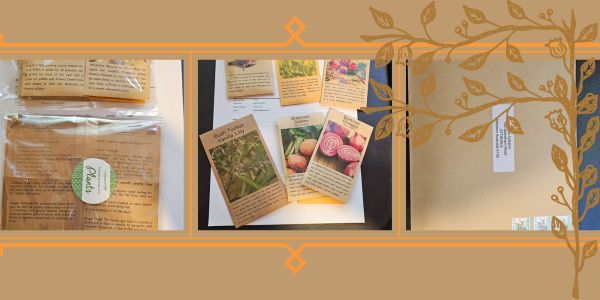
Not only are our seeds packed in recycled paper envelopes, we keep the theme going when we post out website orders. To protect your seeds from moisture and the letter box munchers (snails), we use a very special plastic free material made from plants. They are then put into recycled mailing envelopes. Green all the way 💚🌿
Delivery Guarantee
We take great care to make sure your seeds arrive safely. If your order is lost or damaged in transit, we’ll happily send a replacement. Unfortunately, we can’t replace or refund orders that arrive later than the estimated delivery date, as delays can sometimes occur that are outside our control.
Please note that all dispatch and delivery times listed are estimates only. While we do our best to post promptly, delivery timeframes can vary due to postal service delays, weather events, or other unforeseen circumstances. We’re unable to take responsibility for any loss, damage, or cost that results from a late delivery.
An order is not considered missing until at least 20 business days have passed from the postage date. You’ll receive an email once your seeds have been posted, letting you know they’re on their way. If you don’t see it in your main inbox, please check your Spam or Promotions folders as sometimes our emails like to hide there.
See all our verified customer reviews on our official CusRev profile.
See all our verified customer reviews on our official CusRev profile.